



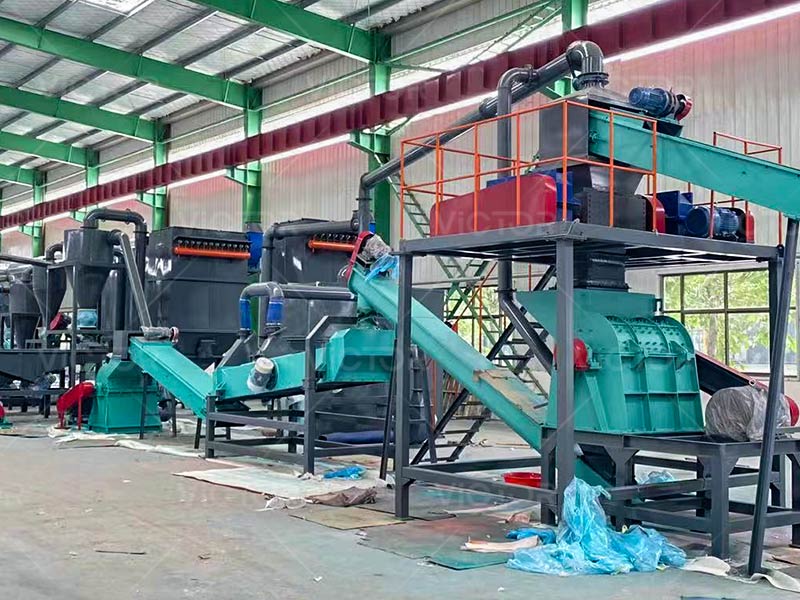
With the full implementation of new industry environmental regulations in 2026, alongside upgrades in sorting technology and refined capacity management, Victor has established itself as a leading manufacturer of advanced lithium-ion battery recycling plants.
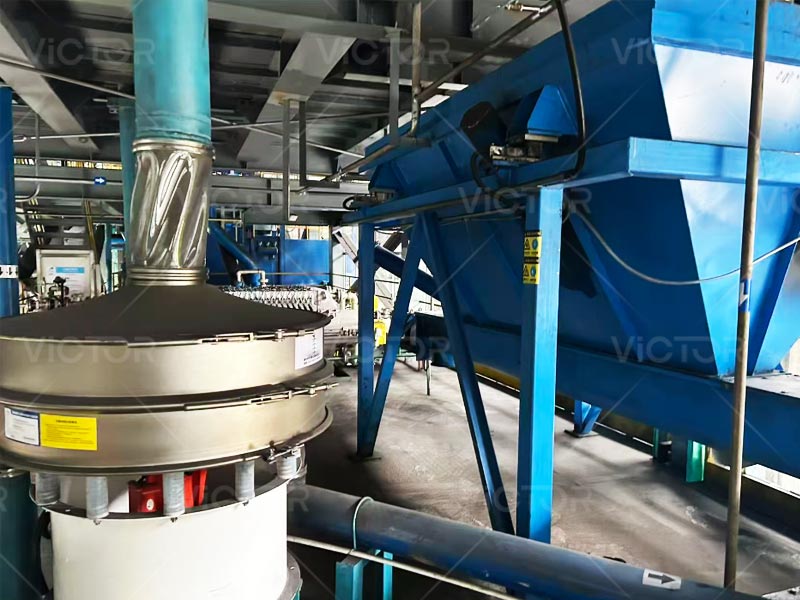
With the penetration rate of new energy vehicles exceeding 50%, the volume of end-of-life power batteries is surging at a rate of over 200,000 tonnes annually. Faced with the impending ‘wave of end-of-life batteries’, how to process waste lithium-ion batteries safely, efficiently, and in an environmentally friendly manner has clearly become a critical issue for the sustainable development of the new energy industry.
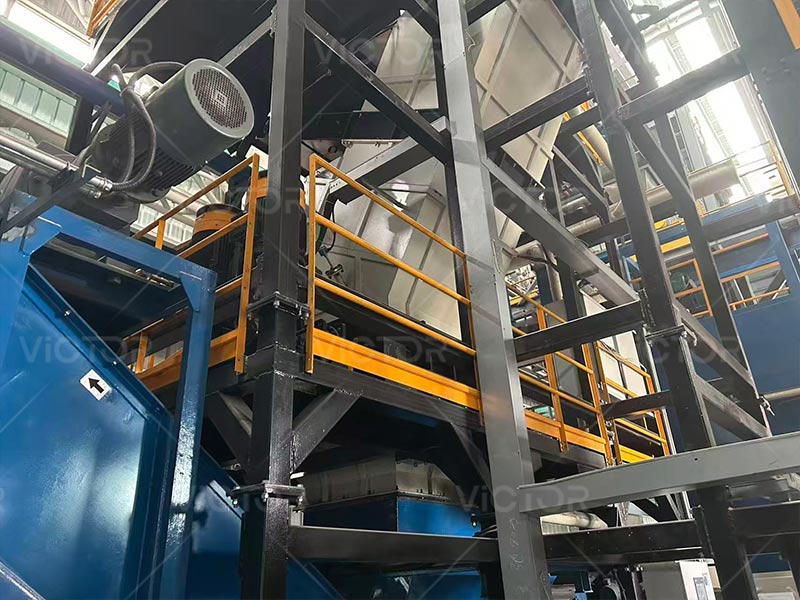
By 2026, the global volume of end-of-life power batteries is set to exceed 3 million tonnes. This represents an increase of over 36% compared to 2025. The lithium-ion battery recycling industry is poised for explosive growth. Driven by the ‘Dual Carbon’ policy, the lithium-ion battery resource recovery sector is entering a phase of rapid, large-scale development.
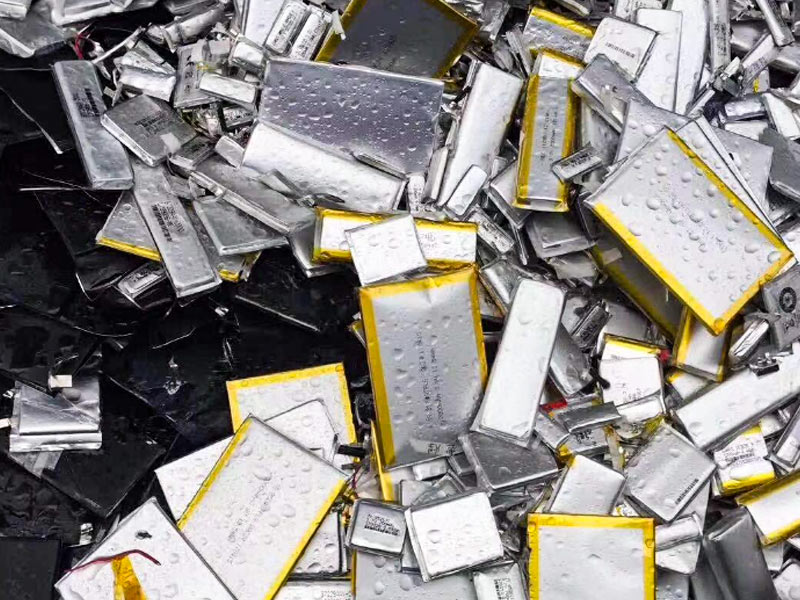
With the rapid rise of the new energy sector, electric vehicles and electronic devices increasingly reliant on lithium-ion batteries are proliferating. Consequently, scaling up lithium battery recycling processes is paramount. Recycling reduces waste, recovers valuable materials, and minimises the environmental impact of end-of-life batteries.
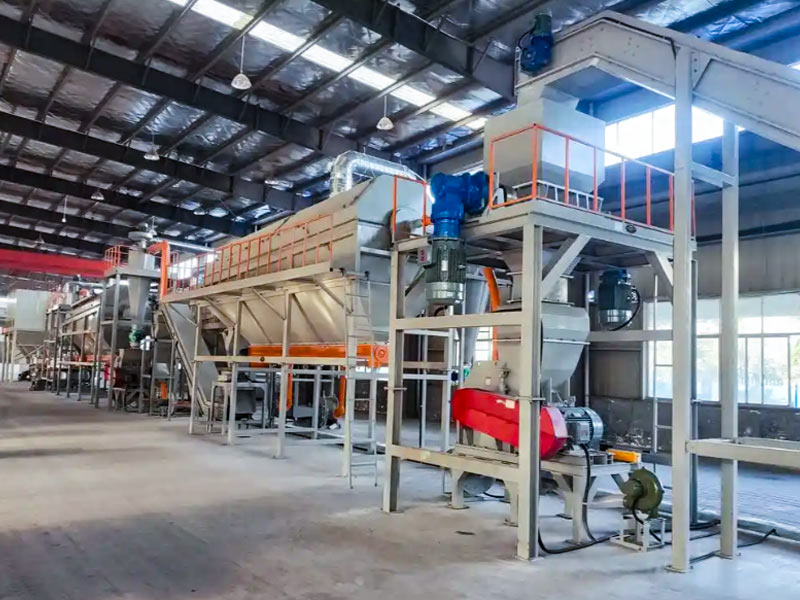
So, can lithium batteries be 100% recycled? Current lithium battery recycling machines on the market generally achieve recovery rates exceeding 96%. Some battery manufacturers claim lithium batteries can be 100% recycled. Yet this figure does not imply zero loss of raw materials. Common recycling processes involve intelligent disassembly, physical crushing, multi-stage screening, and extraction processing.
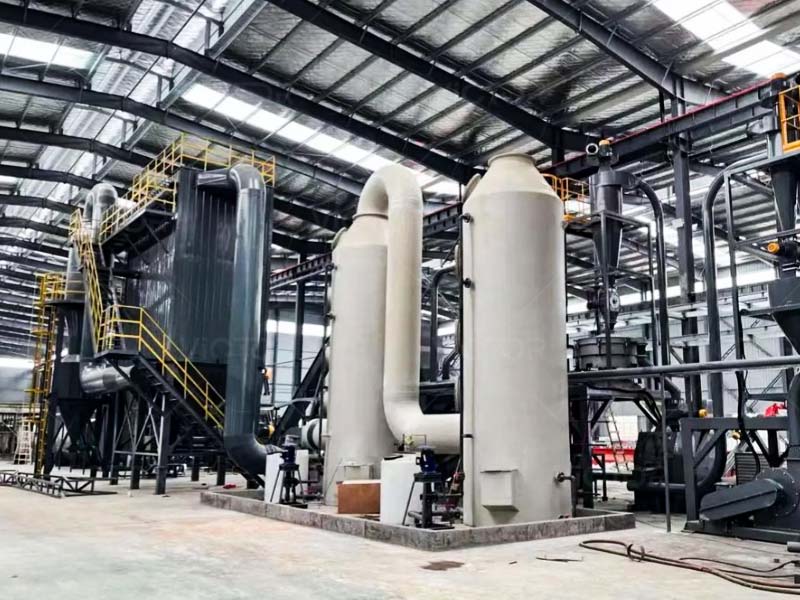
The phase-out period for new energy vehicle batteries is accelerating. By 2025, waste lithium batteries will exceed 1.4 million tonnes. However, operating without certification, selecting an unsuitable location, or using inadequate lithium battery recycling machine can all lead to significant losses.

Against the backdrop of accelerating global energy transition and the rapid development of the new energy industry, lithium batteries serve as the core power source across these sectors. They have found widespread application in electric vehicles, mobile phones, laptops, electronic technology products, energy storage systems, and numerous other industrial domains.
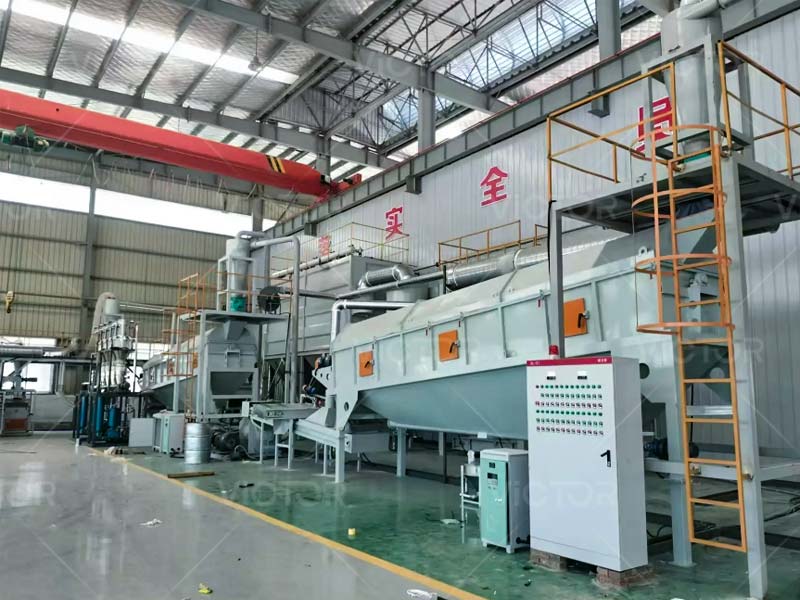
We find ourselves in an era where resource recycling and reuse are increasingly prioritised. Waste materials once deemed mere “rubbish” are now quietly becoming the key to prosperity for certain enterprises. Among these, discarded lithium batteries stand out most prominently.
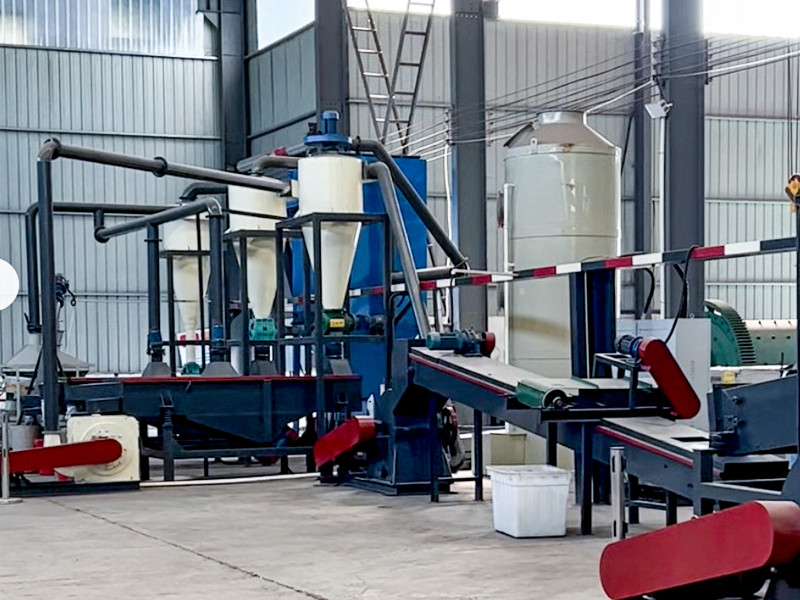
Consequently, the lithium battery recycling sector is accelerating technological innovation, achieving resource circularity through efficient, environmentally sound processes and equipment. With our advanced integrated solutions and lithium battery recycling machinery, we have become an industry benchmark.
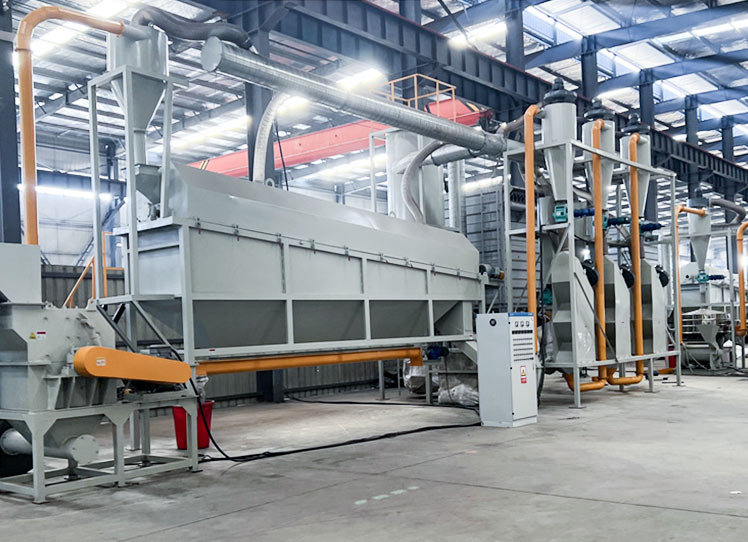
Lithium battery recycling machines can efficiently process and recover these discarded batteries. So, what are the costs involved in establishing a lithium battery recycling plant in India? Today, we shall provide a detailed analysis covering equipment costs, operational expenses, environmental compliance costs, site leasing, and construction aspects.

What steps are required to transform waste into valuable resources? Today, we guide you through the complete lithium battery recycling machine and the full process of recovery. Gain detailed insight into the sustainable regeneration pathway for end-of-life lithium batteries.
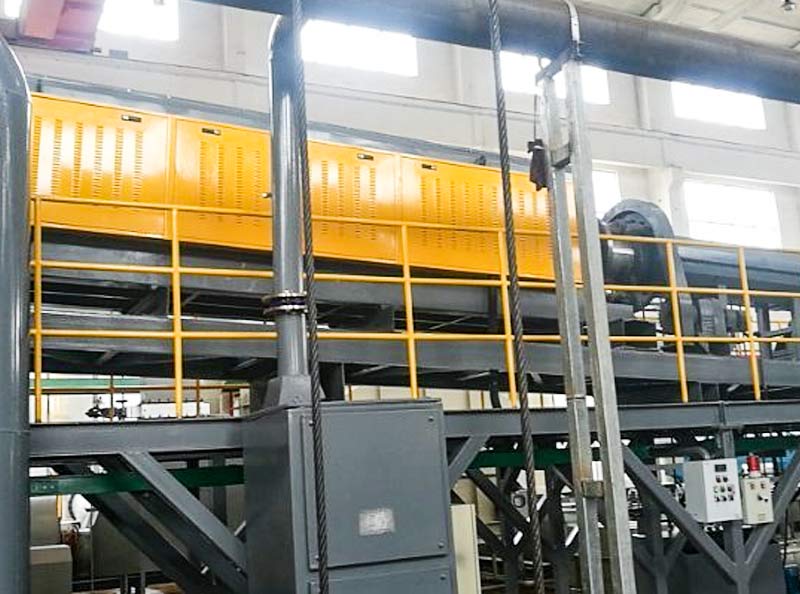
Through the synergistic operation of collection, sorting, dismantling, recovery, chemical processing, and material regeneration, lithium battery recycling machine can achieve the effective processing of waste lithium batteries and the circular utilisation of resources.
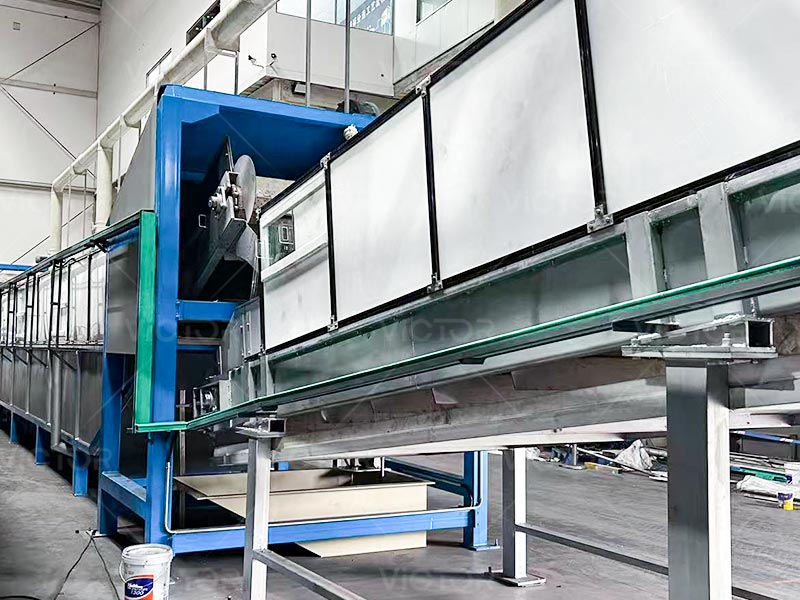
With the increasing number of lithium battery use. The problem of recycling and disposal of used lithium batteries is becoming more and more prominent. In order to solve this environmental hazard and recycle the resources in it. Waste lithium battery recycling machine has become an important equipment.
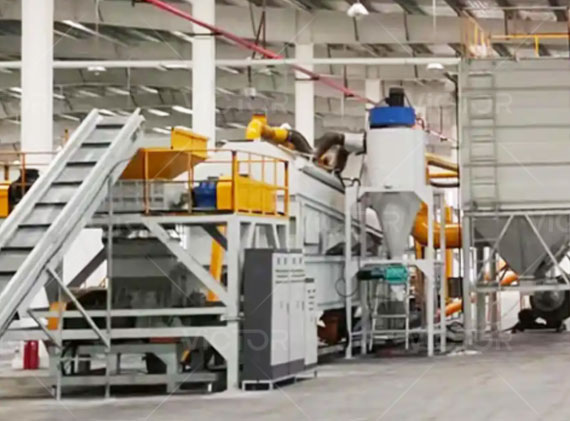
The establishment of large-scale power battery recycling projects. A harbinger of upcoming business opportunities. With the rapid popularisation of new energy vehicles. The first batch of power batteries will soon face retirement. Recycling has become a challenge for the lithium industry.
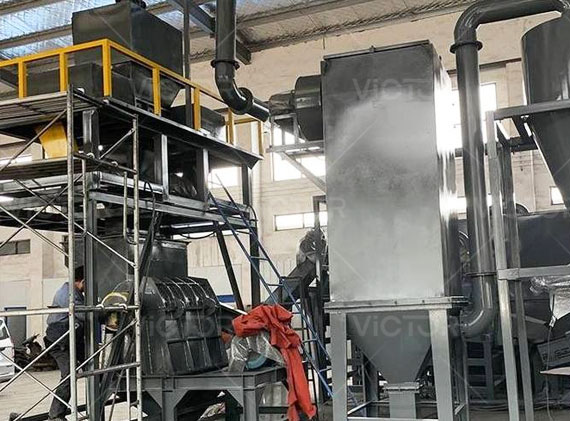
The recycling and disposal of used lithium batteries has become an increasingly important environmental issue. With the rapid popularity of new energy vehicles, 3C digital products and other equipment. The use of lithium batteries is also increasing dramatically. Therefore, the recycling of used lithium batteries has become increasingly prominent.
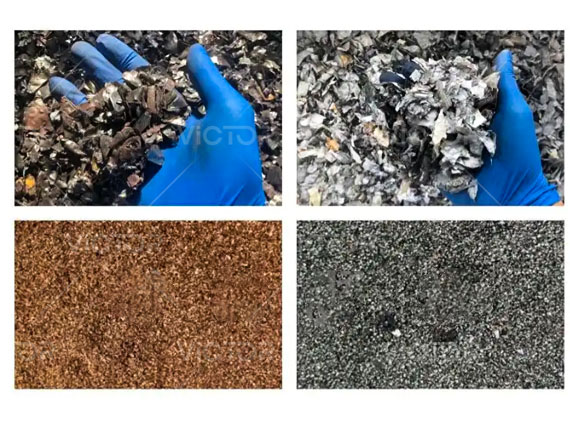
Under the wave of new energy vehicles, the wide application of lithium batteries not only promotes the rapid development of the power car industry. It also brings the urgent environmental protection issue of recycling and treatment of used lithium batteries. Waste lithium batteries, if not handled properly, will cause pollution to the environment.
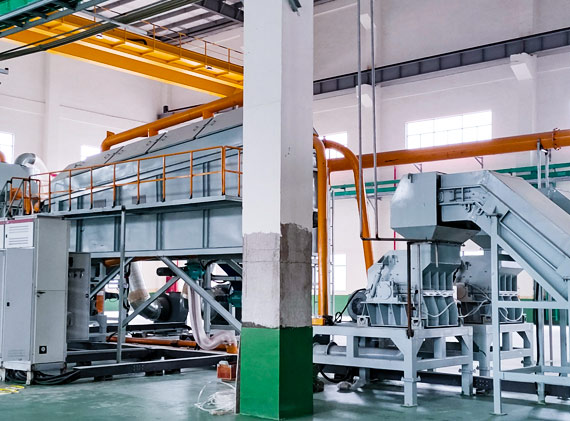
With the continuous development of science and technology, lithium batteries are widely used in various industries. Consequently, a large number of waste lithium batteries are generated. In order to solve this problem. To achieve the recycling of resources. Reduce environmental pollution. Lithium battery recycling machine came into being.
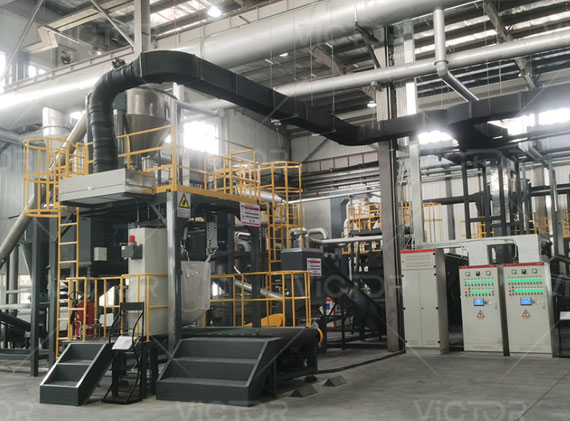
With the rapid development of new energy vehicles and electronic technology products. The demand for lithium batteries continues to climb. Consequently. Faced with a large number of waste lithium batteries end-of-life decommissioning. Waste lithium battery recycling has broad market prospects and significant economic benefits.
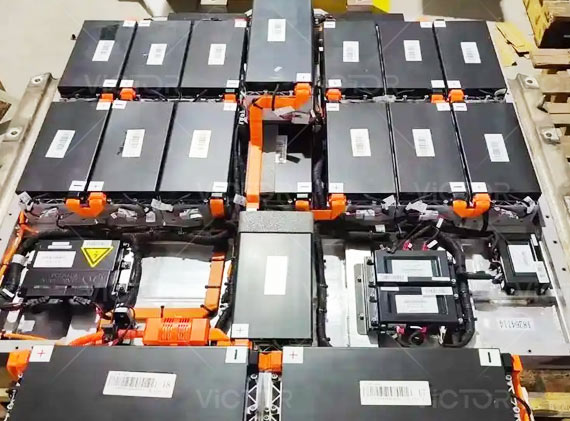
Recycling and treatment methods for used lithium-ion batteries mainly include: physical recycling, chemical recycling, biological recycling and hydrometallurgical methods. Each recycling method has its own advantages and disadvantages. So if you want to choose the method that suits your needs. It is necessary to consider the composition…
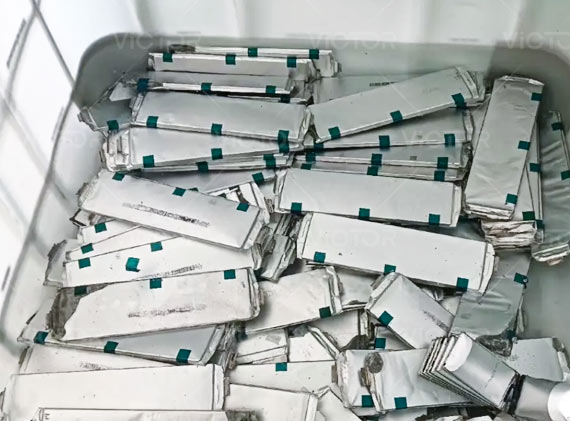
With the rapid development of the new energy vehicle market. The number of retired power batteries is also increasing. The number of retired batteries is also climbing at a high speed with the rate of vehicle scrapping. Therefore, the recycling of power batteries has become a problem.
We know how to get energy from waste. Let’s build better future for everyone, together !
For mining, construction waste and other industrial recycling production. Victor can provide crushing equipment such as jaw crusher, shredder, cone crusher and sand making machine. It can be configured according to different processing materials. Solutions can be customized according to customer needs.
Our ever-evolving offering for mining and construction covers crushing, screening, breaking, demolition, and service solutions – designed to increase productivity and boost your bottom line.
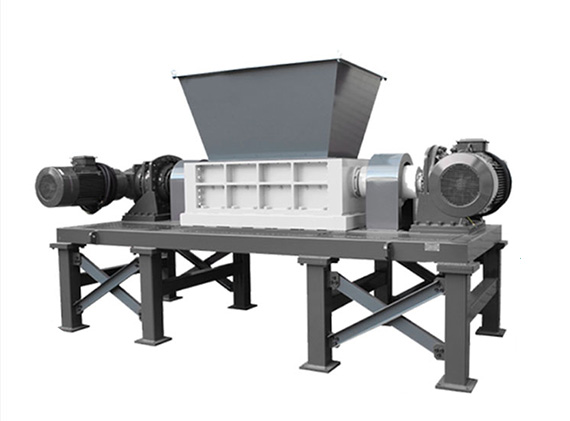 Double Shaft Shredder Machine
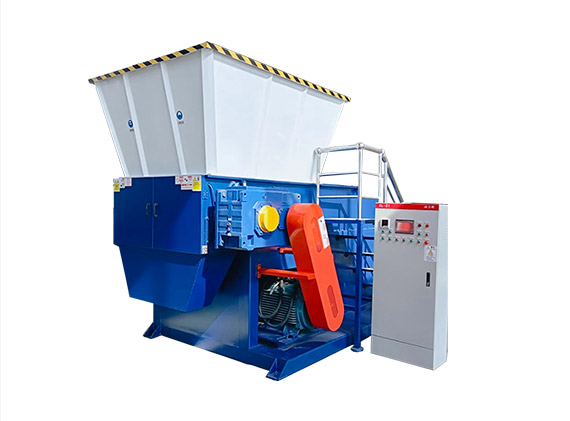 Single Shaft Shredder Machine
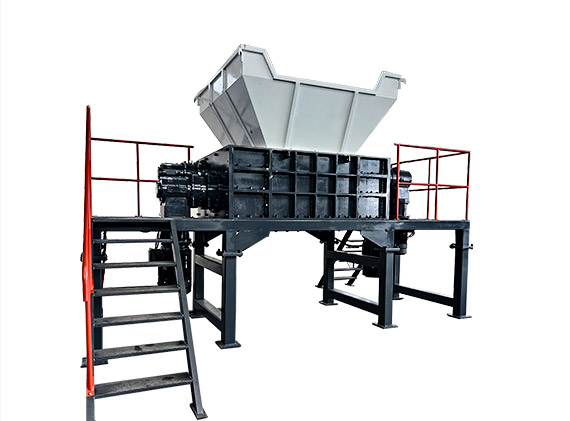 Four Shaft Shredder Machine
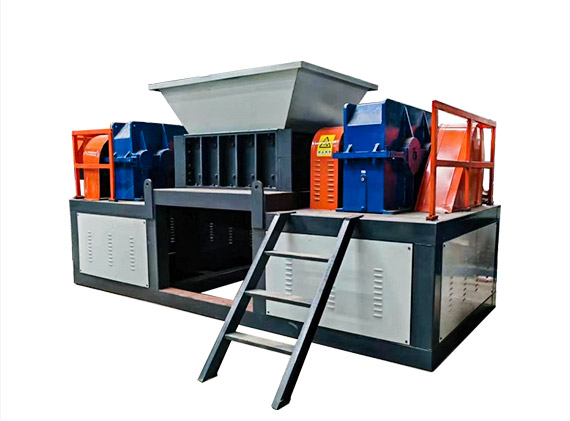 Tyre Shredder Machine
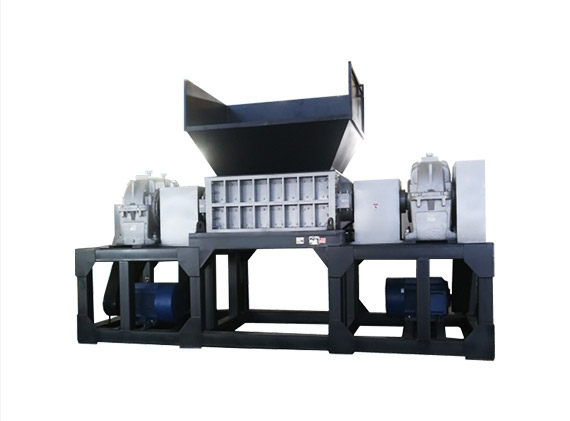 Metal Shredder Machine
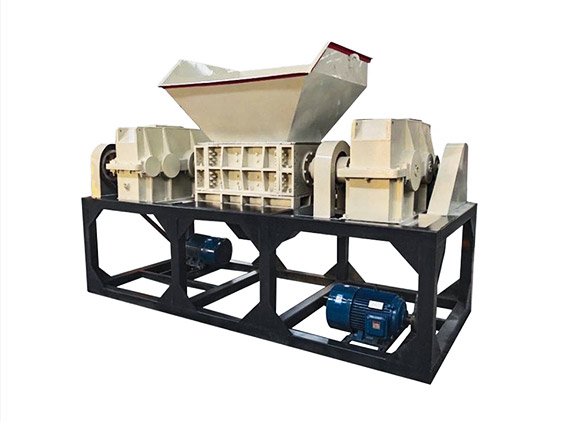 Wood Shredder Machine
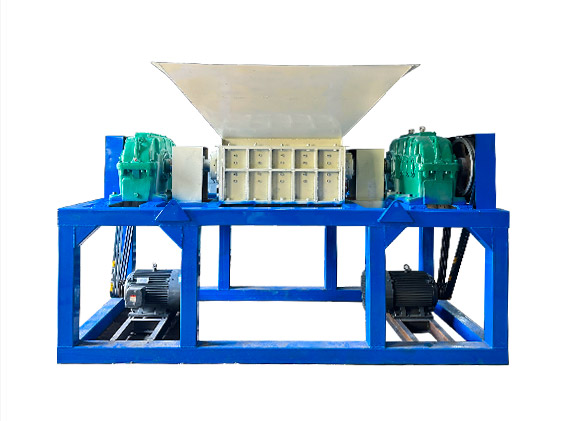 Plastic Shredder Machine
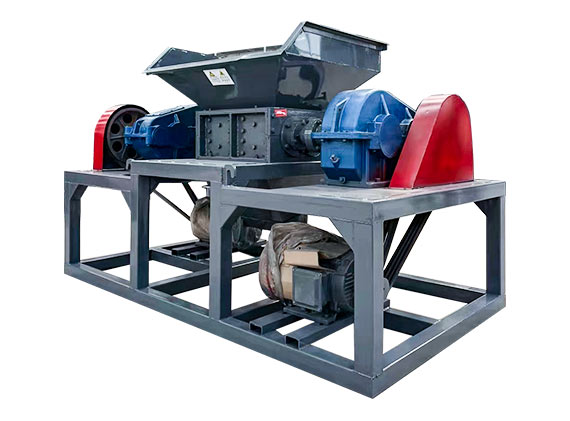 UBC Aluminum Can Shredder Machine
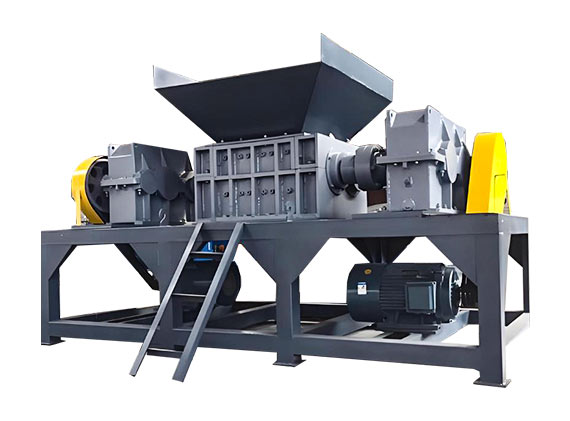 Lithium-ion Battery Shredder Machine
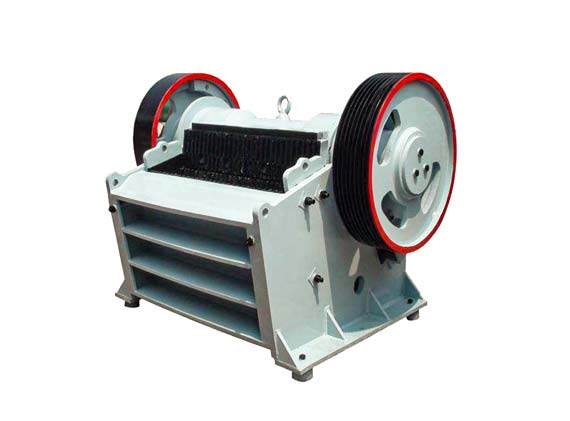 Mini Small Jaw Crusher
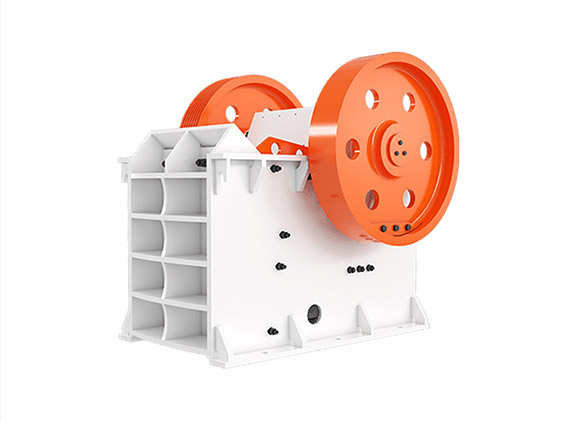 Jaw Crusher
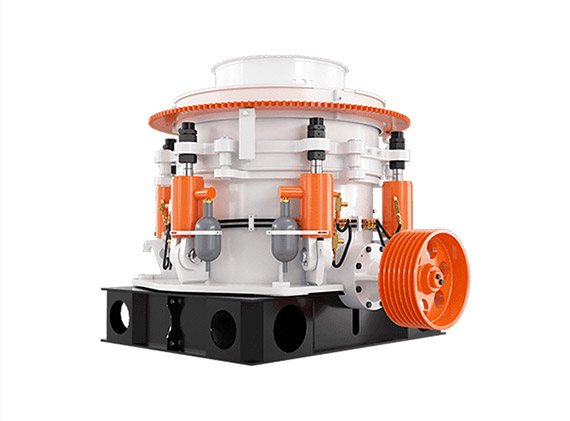 Cone Crusher
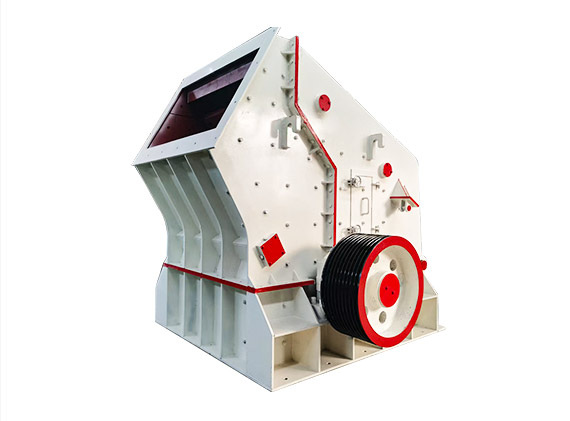 Impact Crusher
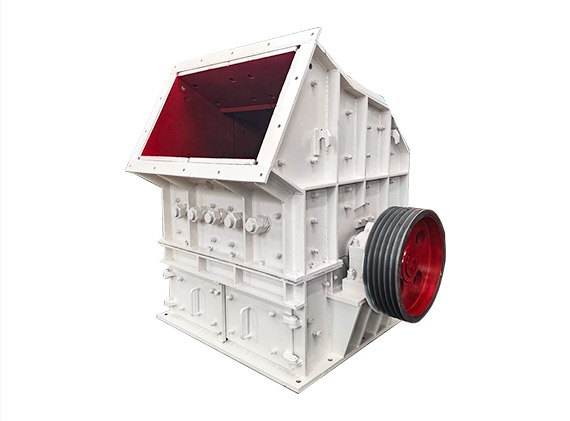 Hammer Crusher
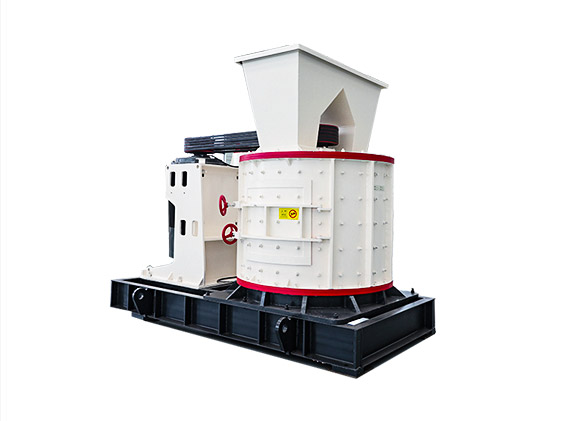 Impact Mill Crusher
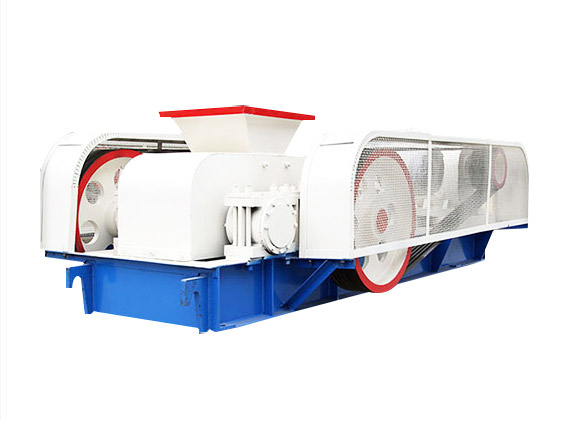 Roll Crusher
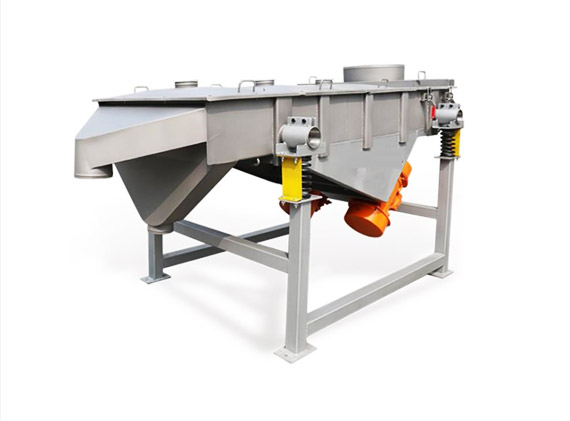 Linear Vibrating Screen Machine
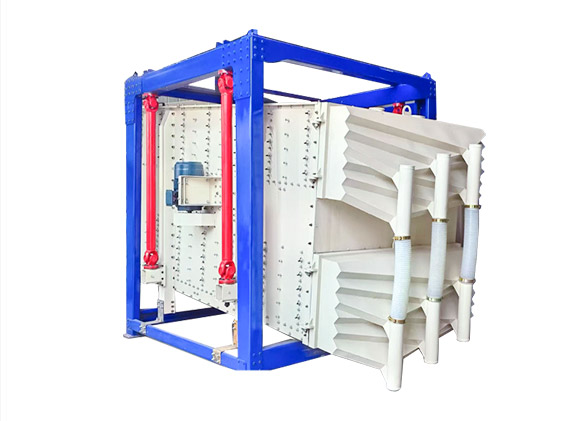 Swing Screen Machine
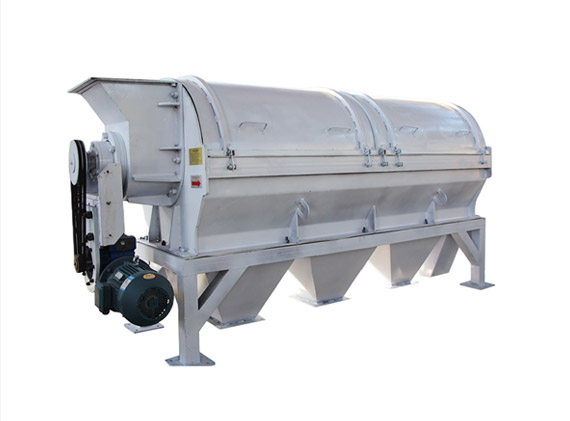 Tumbler Screen Machine
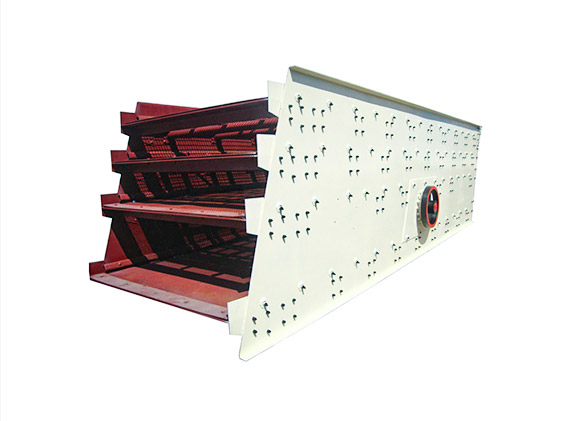 Circular Vibrating Screen
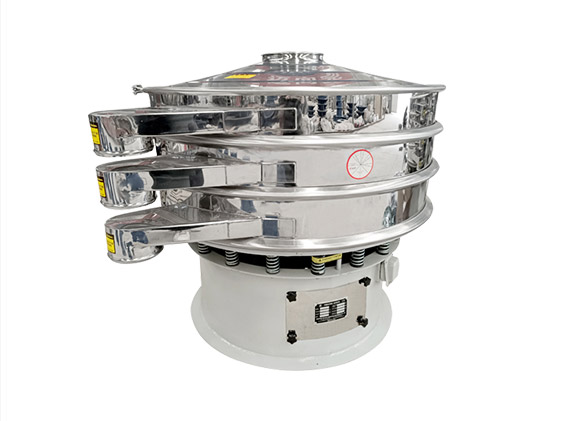 Cylindrical Rotary Vibrating Screen
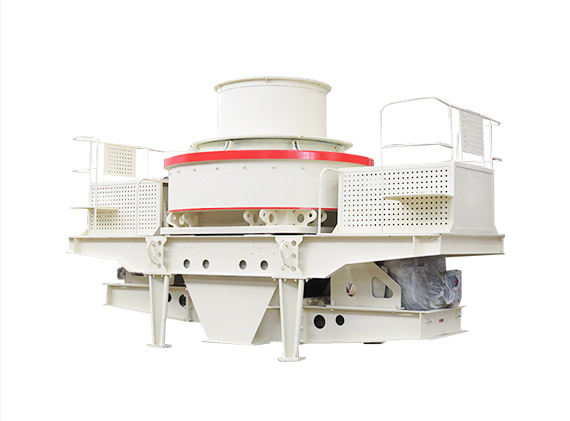 Sand Making Machine
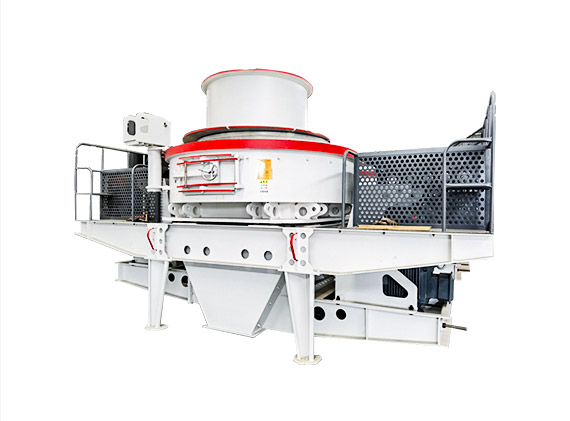 VSI Sand Making Machine
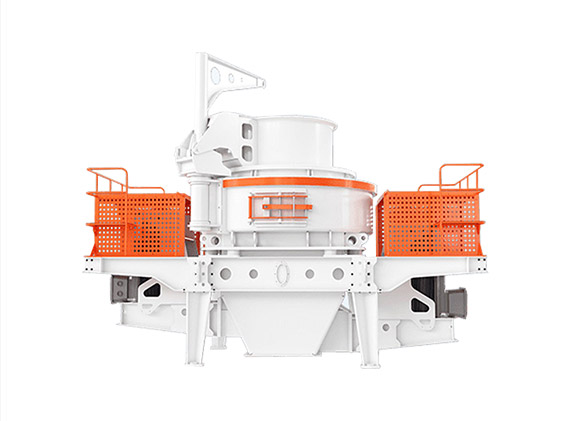 Impact Sand Making Machine
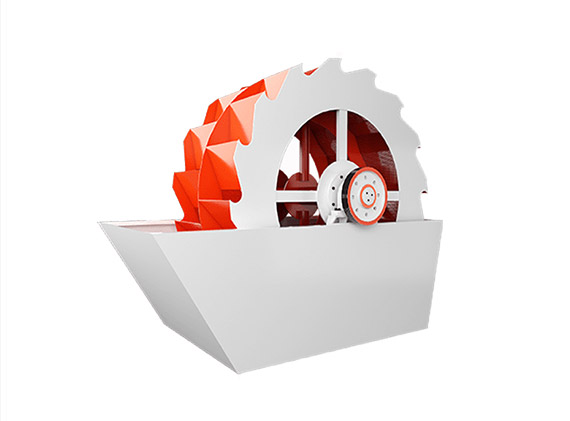 Sand Washing Machine
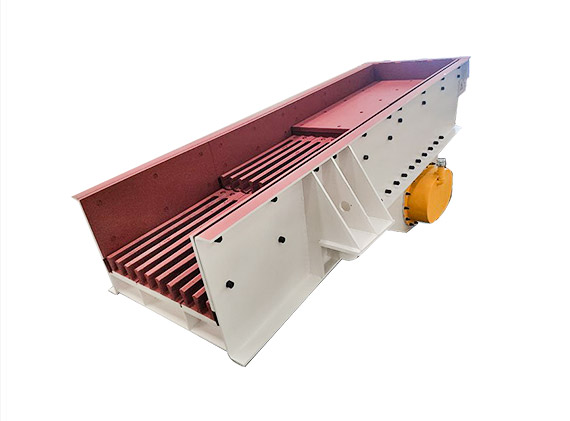 Vibrating Feeder
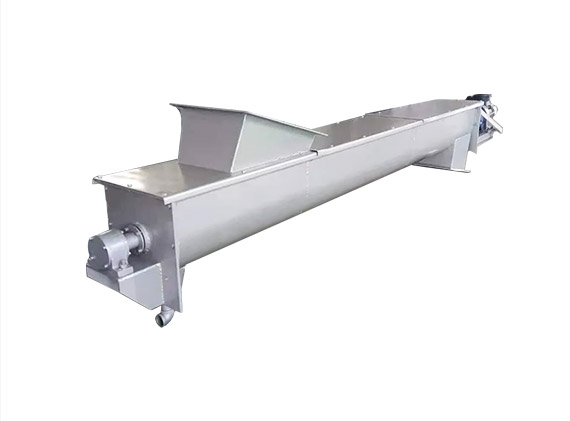 U-Shape Screw Reamer
 Belt Conveyor
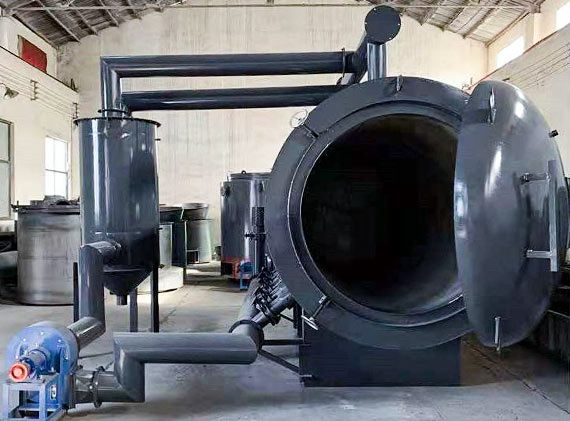 Horizontal Carbonization Furnace
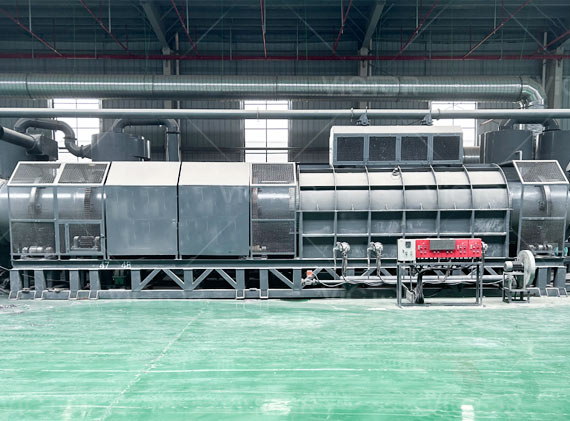 Wood Charcoal Carbonization Furnace
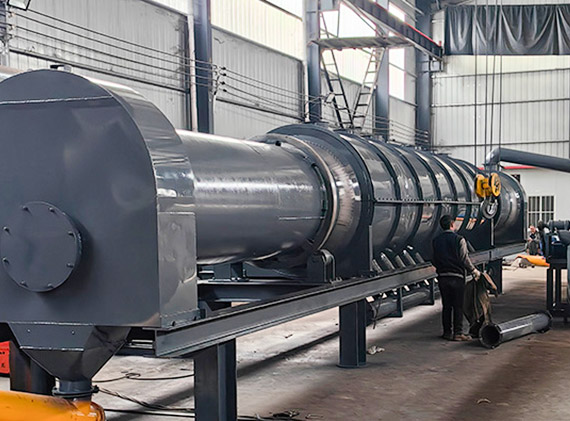 Waste Carbonization Furnace
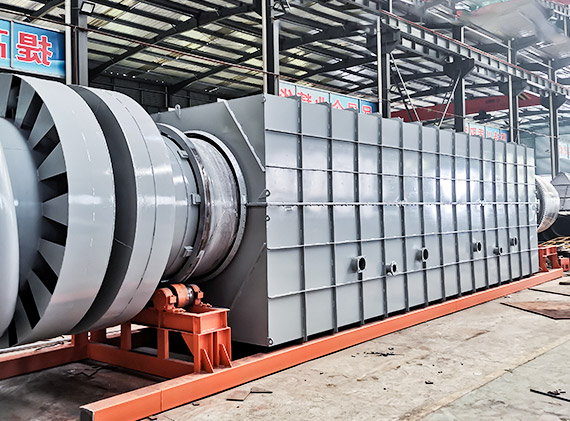 Sludge Continuous Carbonization Furnace
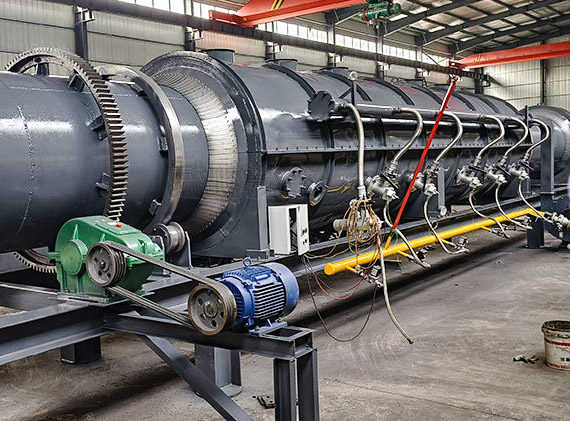 Biomass Carbonization Furnace
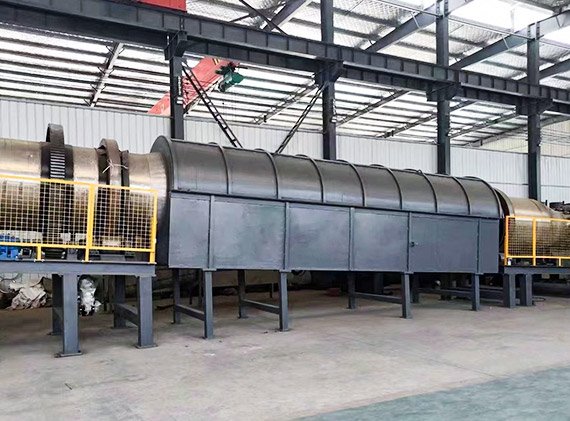 Coconut Shell Carbonization Furnace
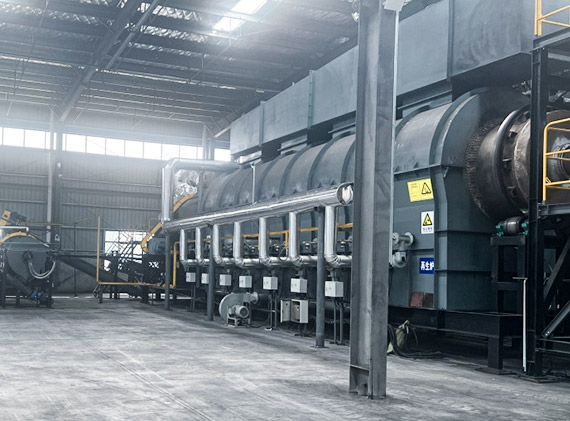 Continuous Carbonization Furnace
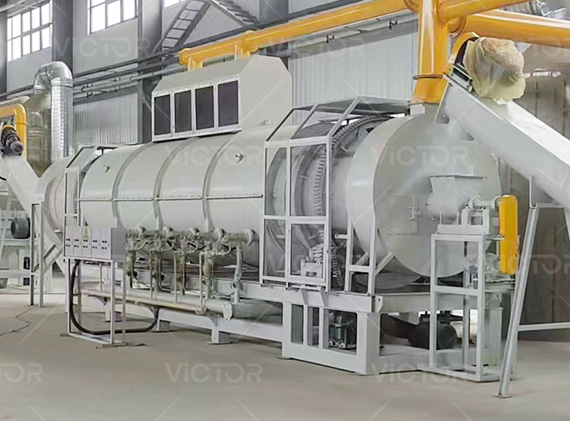 Biomass Pyrolysis Furnace
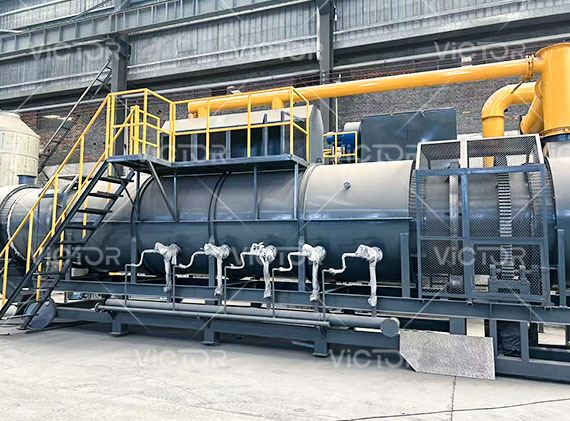 Lithium Battery Recycling Pyrolysis Furnace
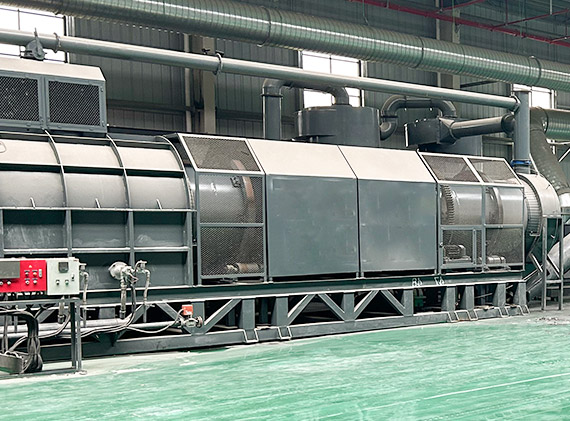 Solar PV Panel Recycling Pyrolysis Furnace
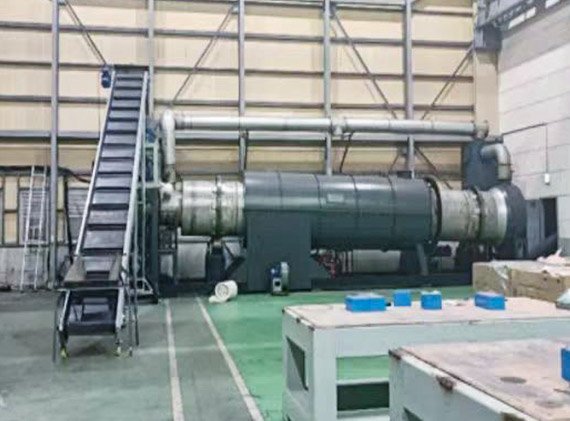 PCB Recycling Pyrolysis Furnace
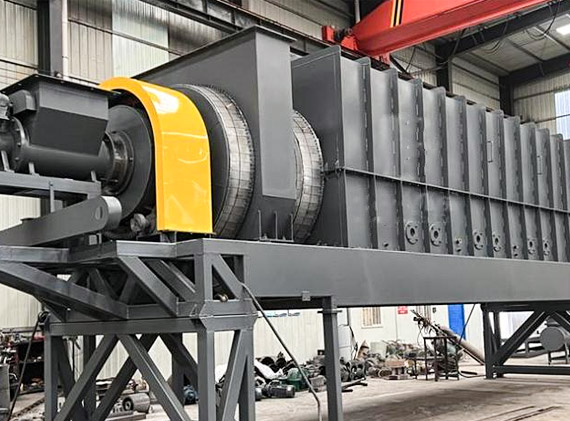 Carbonization Paint Removing Furnace
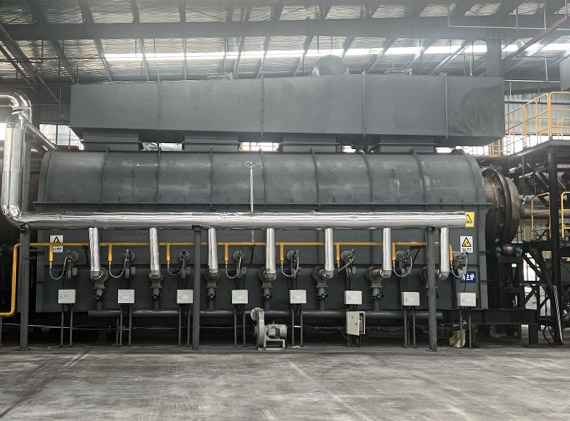 Capacitor Continuity Pyrolysis Furnace
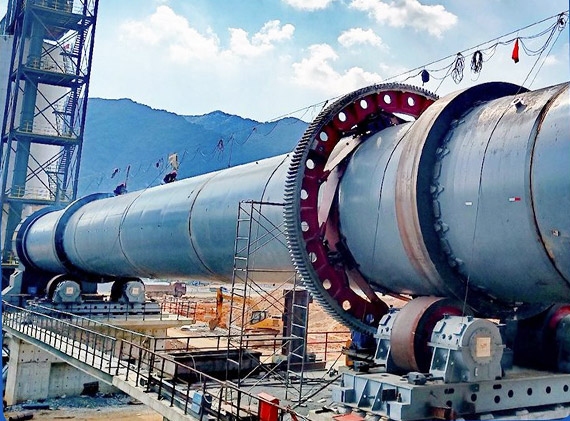 Rotary Kiln
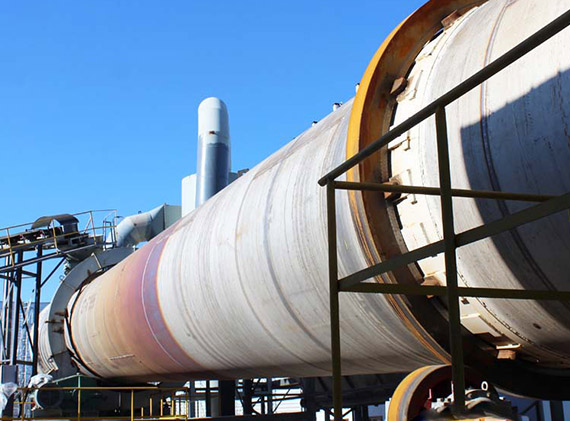 Waste Incineration Rotary Kiln
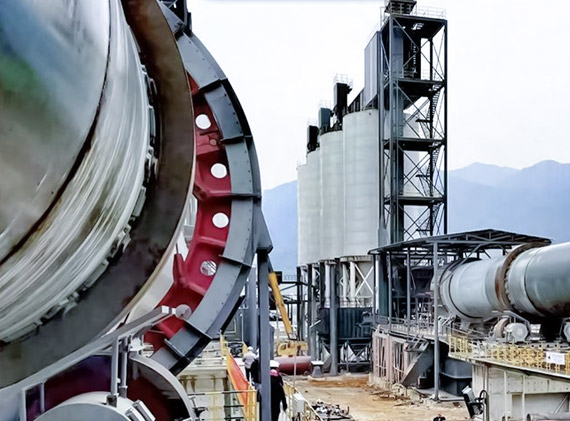 Metallurgical Rotary Kiln
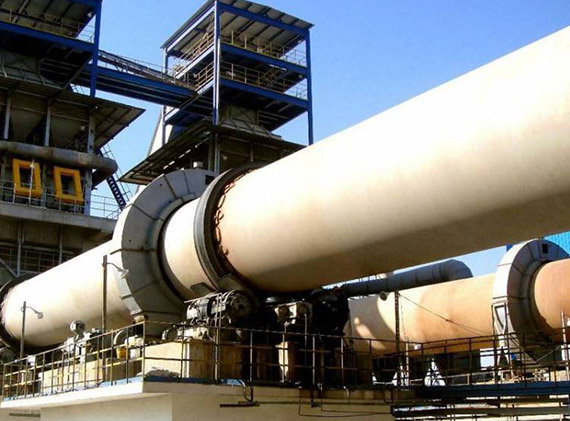 Cement Lime Rotary Kiln
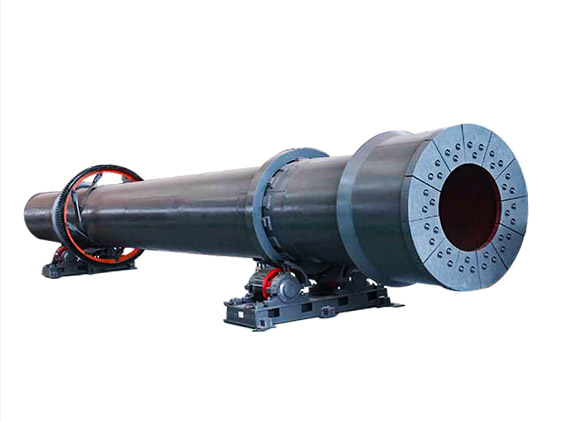 Rotary Drum Dryer Furnace
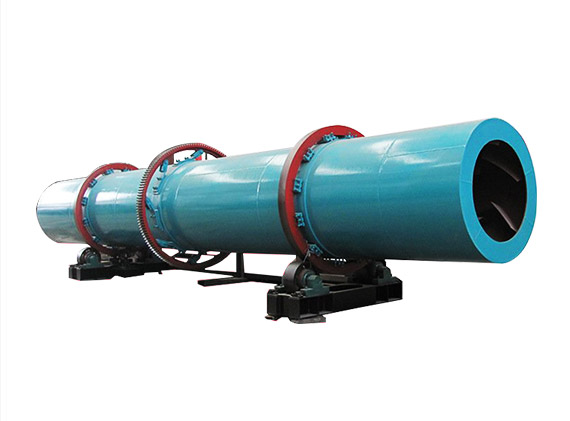 Drum Drying Dryer Furnace
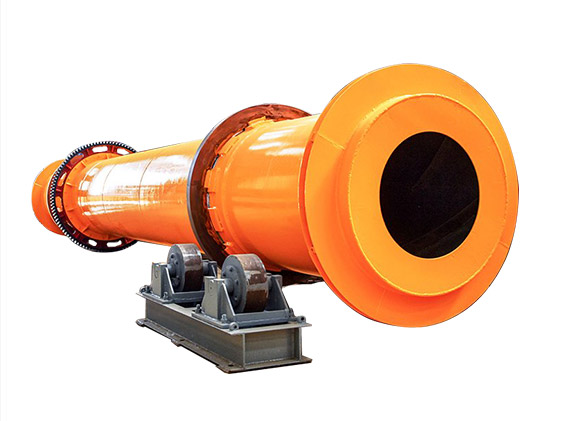 Industrial Dryer Furnace
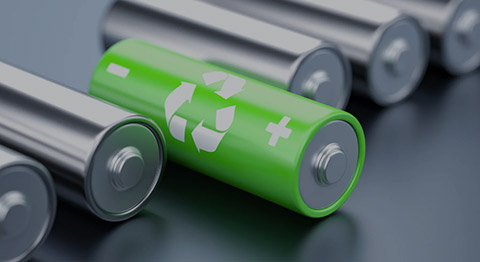 Lithium Battery Recycling Plant
 Solar Photovoltaic Panel Recycling Plant
 PCB Circuit Board Recycling Plant
 E Waste Recycling Plant
 Blog
Blog Company Blog
 Knowledge
 FAQ
FAQ