



Our ever-evolving offering for mining and construction covers crushing, screening, breaking, demolition, and service solutions – designed to increase productivity and boost your bottom line.
With the rapid rise of the new energy sector, electric vehicles and electronic devices increasingly reliant on lithium-ion batteries are proliferating. Consequently, scaling up lithium battery recycling processes is paramount. Recycling reduces waste, recovers valuable materials, and minimises the environmental impact of end-of-life batteries.
So, can lithium batteries be 100% recycled? Current lithium battery recycling machines on the market generally achieve recovery rates exceeding 96%. Some battery manufacturers claim lithium batteries can be 100% recycled. Yet this figure does not imply zero loss of raw materials. Common recycling processes involve intelligent disassembly, physical crushing, multi-stage screening, and extraction processing.
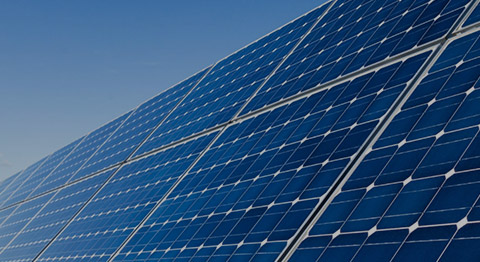
Silicon material from discarded panels, after purification, can be reused in manufacturing new solar panels. Other metals, such as aluminium frames, copper wires, and junction boxes, are also recyclable. Solar panel recycling machinery not only mitigates environmental impact from waste but also conserves metallic resources, thereby reducing production costs for new photovoltaic panels.
The phase-out period for new energy vehicle batteries is accelerating. By 2025, waste lithium batteries will exceed 1.4 million tonnes. However, operating without certification, selecting an unsuitable location, or using inadequate lithium battery recycling machine can all lead to significant losses.
As photovoltaic modules gradually enter their peak retirement phase, recycling machinery for end-of-life solar panels has become essential equipment for renewable resource enterprises and photovoltaic manufacturers.
Against the backdrop of accelerating global energy transition and the rapid development of the new energy industry, lithium batteries serve as the core power source across these sectors. They have found widespread application in electric vehicles, mobile phones, laptops, electronic technology products, energy storage systems, and numerous other industrial domains.
Utilising solar panel recycling machine to dismantle and recover these solar components enables resource recovery and reuse. The discarded photovoltaic panels can be recycled and reused as resources. Failure to process these decommissioned modules not only wastes valuable resources such as silicon and silver but also releases heavy metal pollutants like lead and cadmium…
We find ourselves in an era where resource recycling and reuse are increasingly prioritised. Waste materials once deemed mere “rubbish” are now quietly becoming the key to prosperity for certain enterprises. Among these, discarded lithium batteries stand out most prominently.
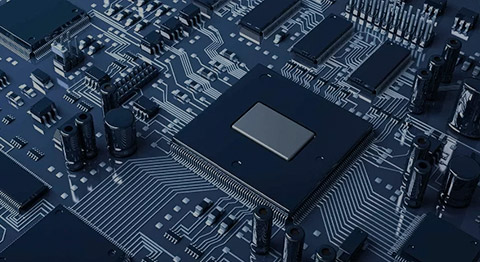
This has driven PCB recycling technology towards efficient separation, deep purification, and resource recovery. PCB recycling machines are engineered for processing waste circuit boards, copper-clad laminates, and electronic component offcuts. They efficiently separate valuable materials such as copper, fibres, gold, silver, aluminium, resin, and glass fibres, achieving dual objectives: resource recovery and environmentally sound, non-hazardous treatment.
According to incomplete statistics, the volume of retired photovoltaic modules will gradually emerge by 2025. It is projected to enter a period of rapid growth by 2030, with the retired volume exceeding ten million tonnes by 2040.
Consequently, the lithium battery recycling sector is accelerating technological innovation, achieving resource circularity through efficient, environmentally sound processes and equipment. With our advanced integrated solutions and lithium battery recycling machinery, we have become an industry benchmark.
Discarded photovoltaic panels contain substantial recyclable resources, including aluminium, silicon, glass, and plastics. These materials constitute 60-70% of crystalline silicon panels, while aluminium frames command recycling prices exceeding several thousand dollars per tonne. Today we outline the comprehensive photovoltaic panel recycling chain, demonstrating how waste panels are transformed into valuable resources.
We know how to get energy from waste. Let’s build better future for everyone, together !
For mining, construction waste and other industrial recycling production. Victor can provide crushing equipment such as jaw crusher, shredder, cone crusher and sand making machine. It can be configured according to different processing materials. Solutions can be customized according to customer needs.
Our ever-evolving offering for mining and construction covers crushing, screening, breaking, demolition, and service solutions – designed to increase productivity and boost your bottom line.
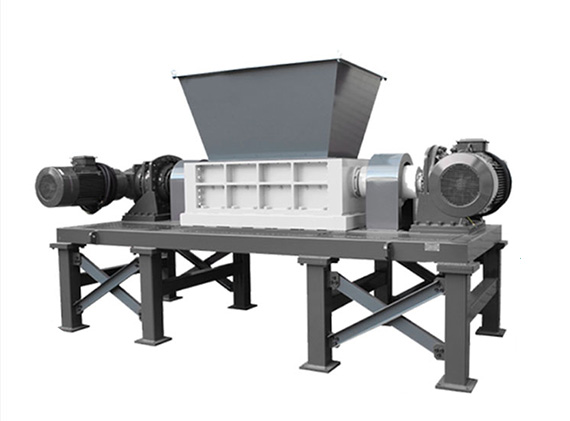 Double Shaft Shredder Machine
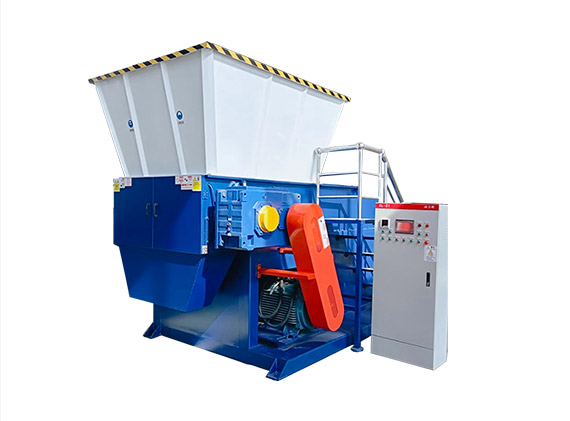 Single Shaft Shredder Machine
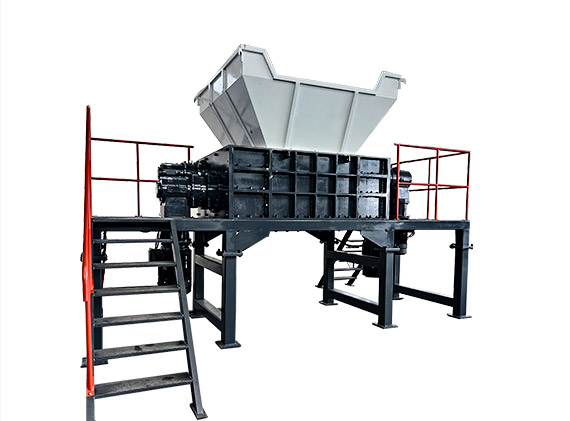 Four Shaft Shredder Machine
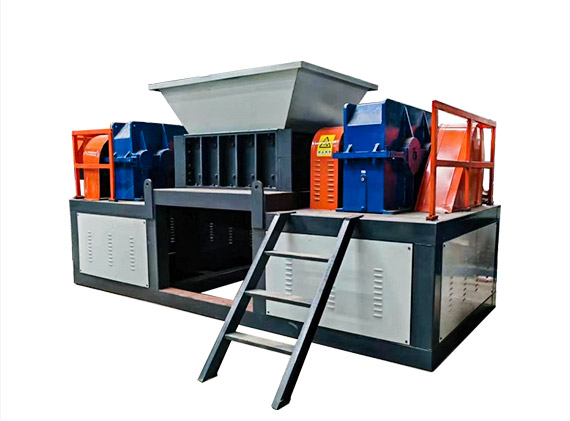 Tyre Shredder Machine
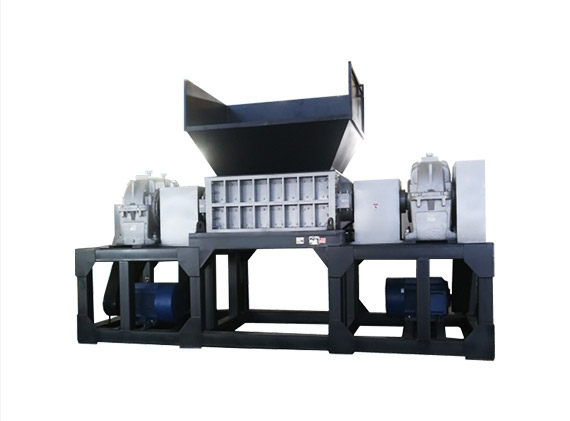 Metal Shredder Machine
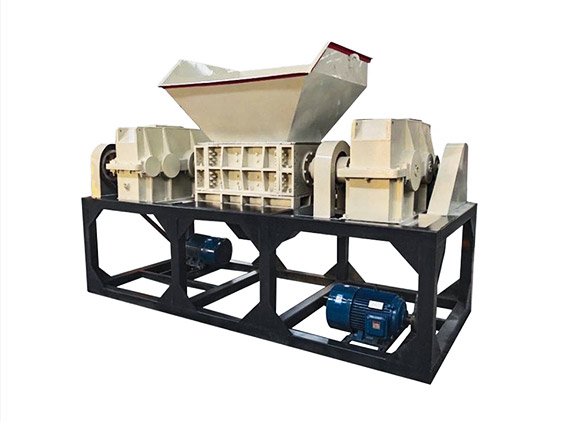 Wood Shredder Machine
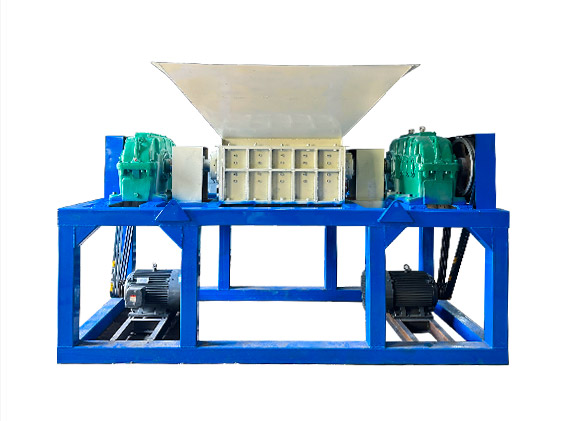 Plastic Shredder Machine
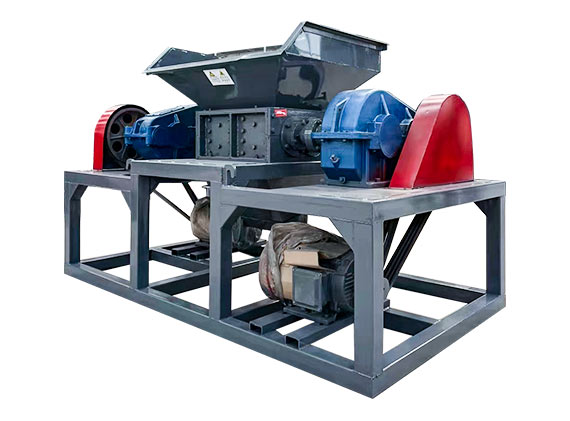 UBC Aluminum Can Shredder Machine
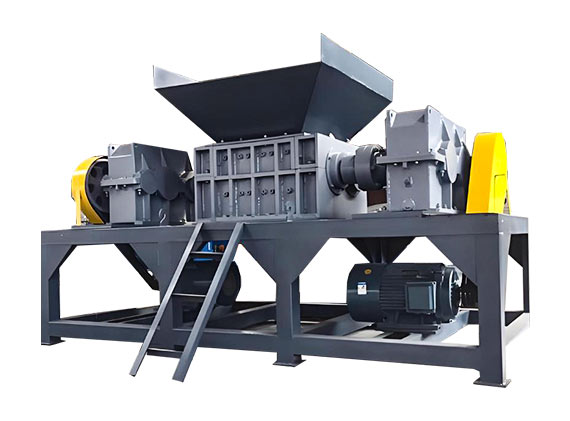 Lithium-ion Battery Shredder Machine
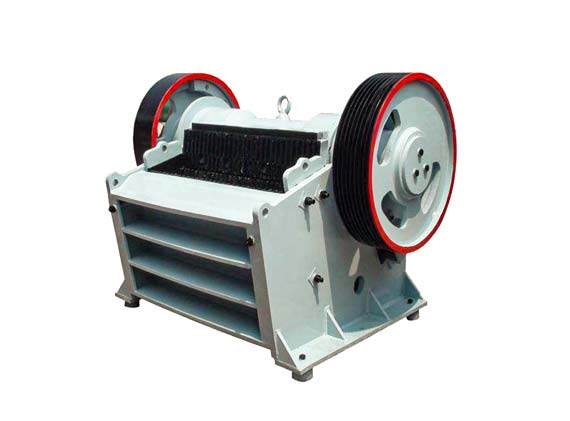 Mini Small Jaw Crusher
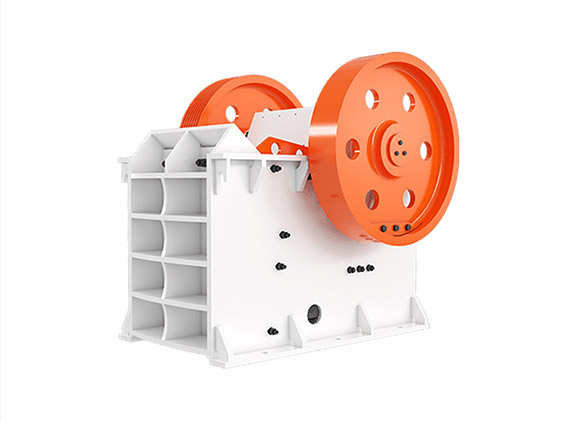 Jaw Crusher
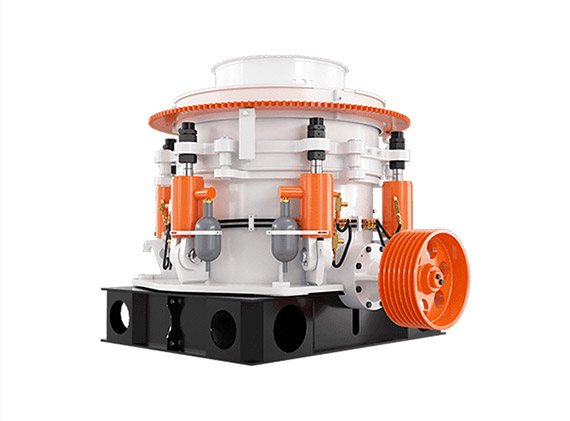 Cone Crusher
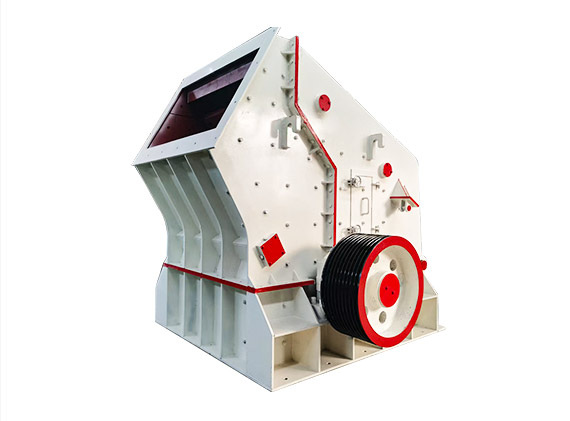 Impact Crusher
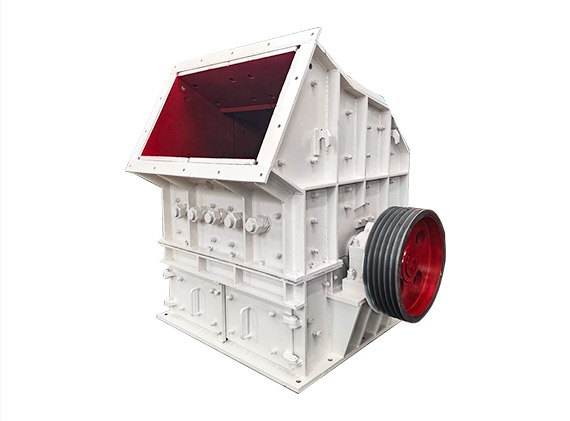 Hammer Crusher
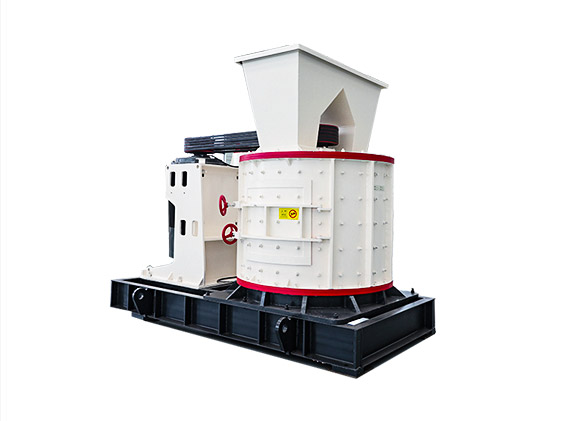 Impact Mill Crusher
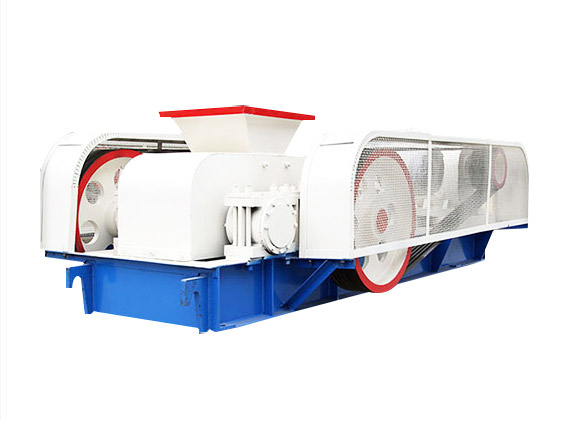 Roll Crusher
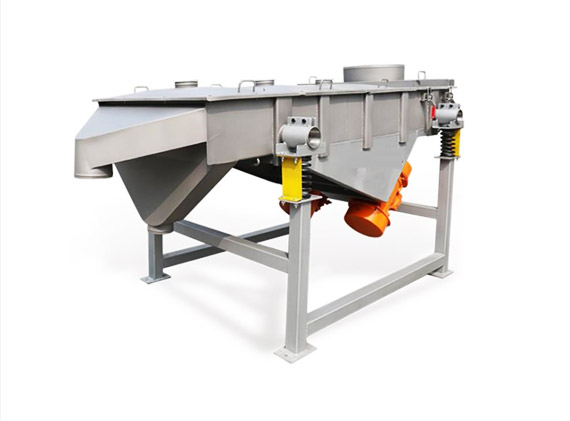 Linear Vibrating Screen Machine
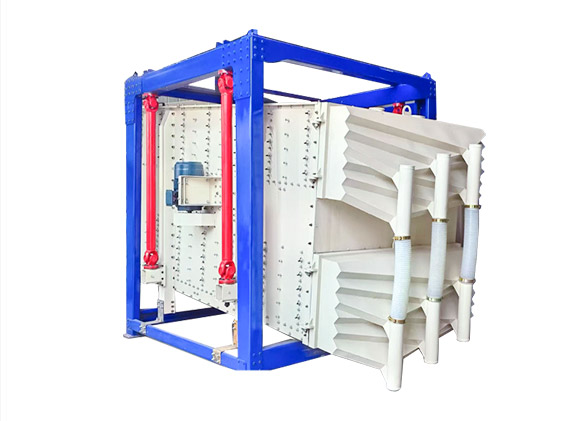 Swing Screen Machine
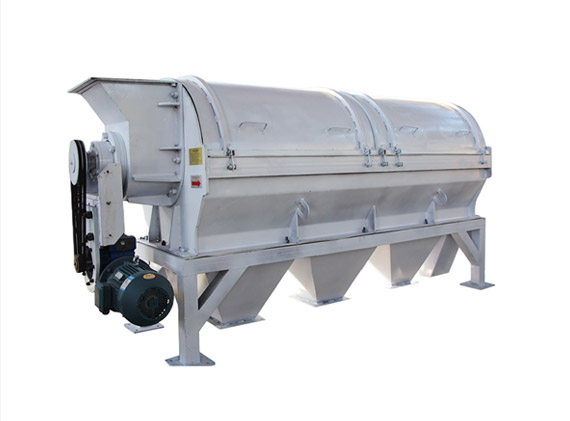 Tumbler Screen Machine
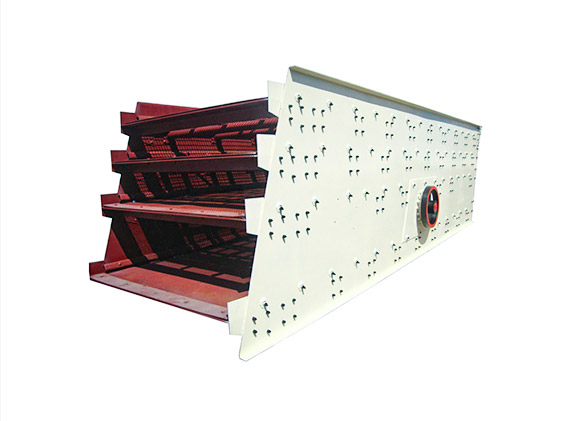 Circular Vibrating Screen
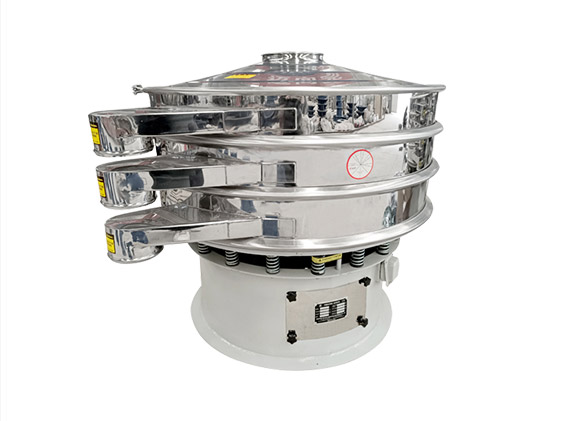 Cylindrical Rotary Vibrating Screen
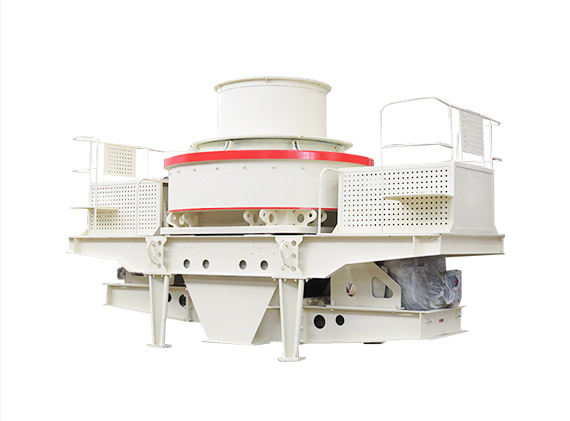 Sand Making Machine
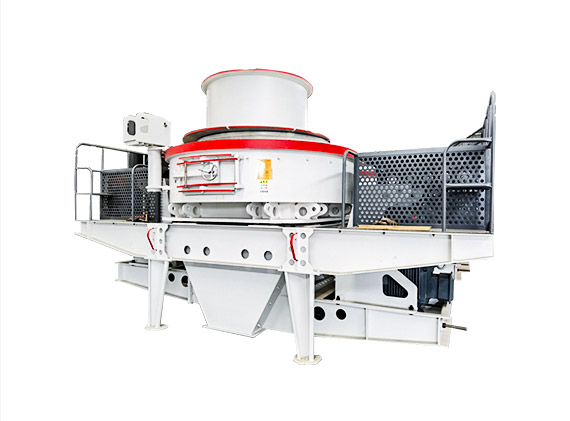 VSI Sand Making Machine
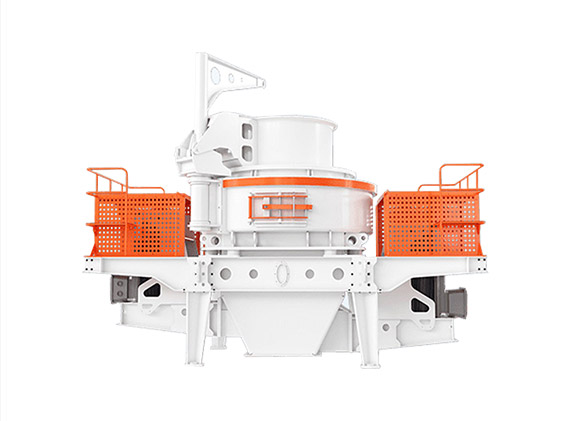 Impact Sand Making Machine
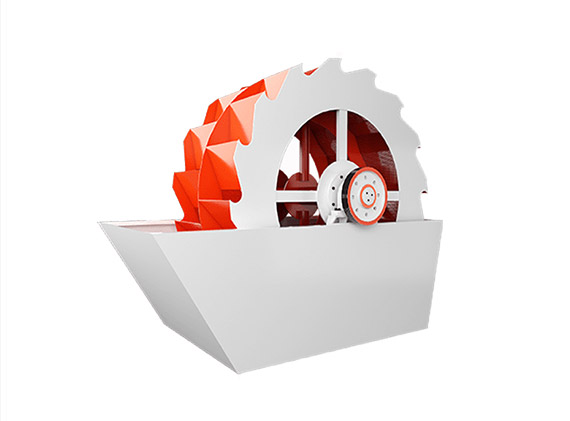 Sand Washing Machine
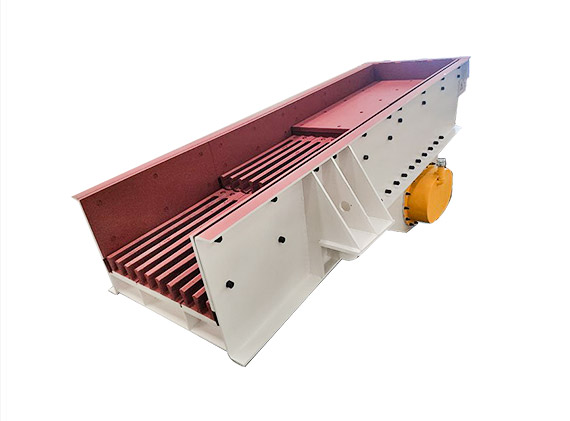 Vibrating Feeder
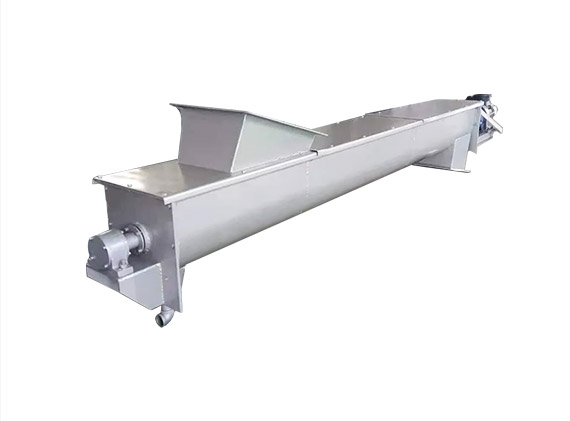 U-Shape Screw Reamer
 Belt Conveyor
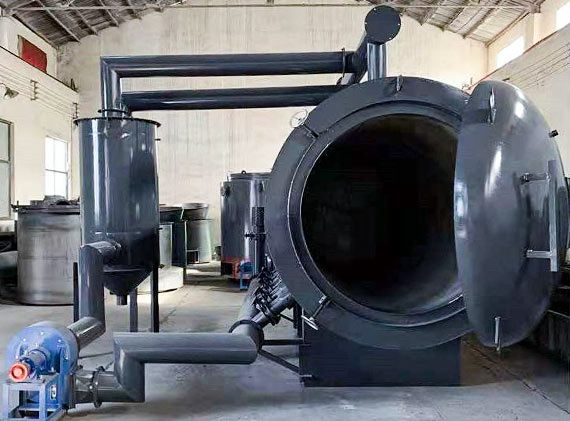 Horizontal Carbonization Furnace
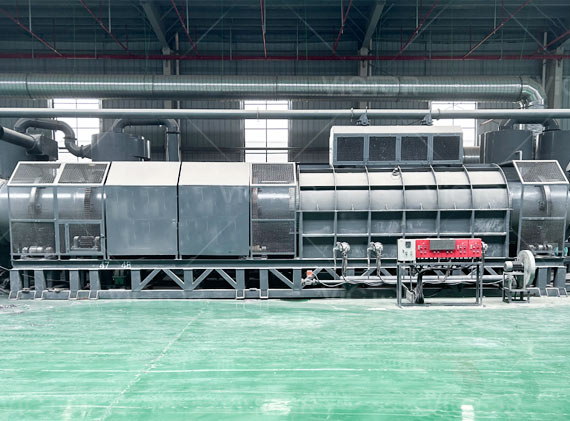 Wood Charcoal Carbonization Furnace
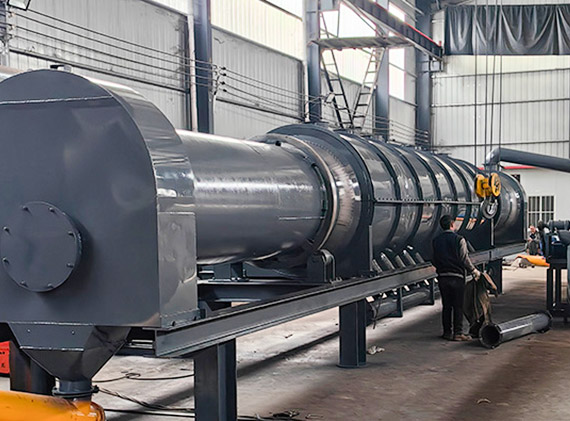 Waste Carbonization Furnace
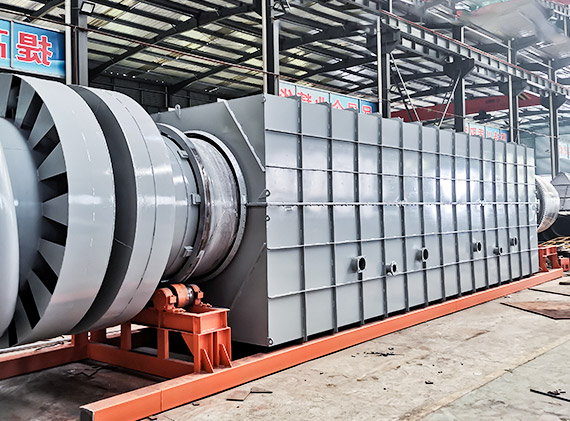 Sludge Continuous Carbonization Furnace
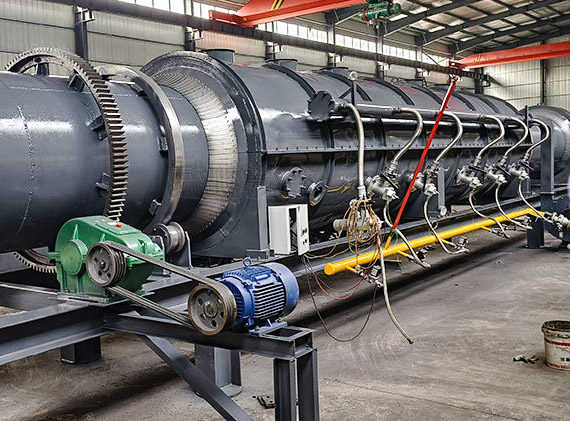 Biomass Carbonization Furnace
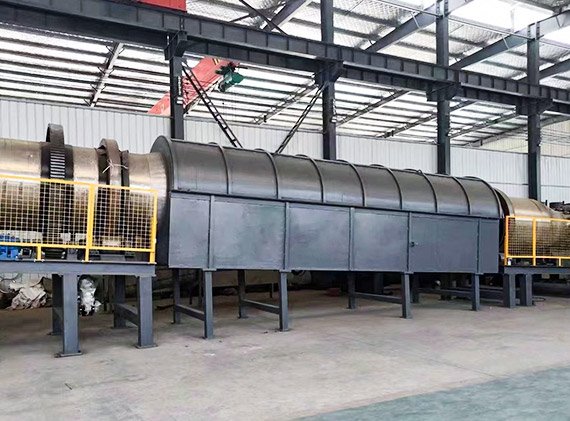 Coconut Shell Carbonization Furnace
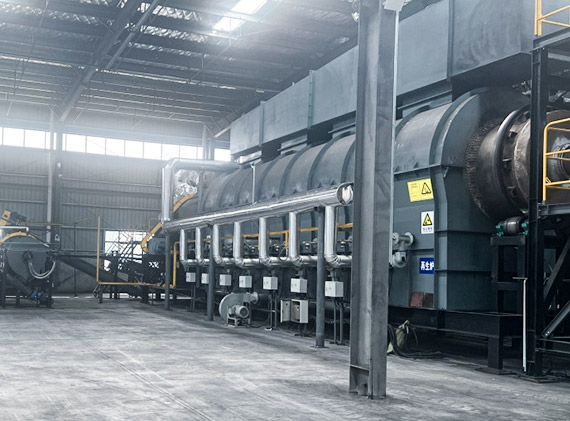 Continuous Carbonization Furnace
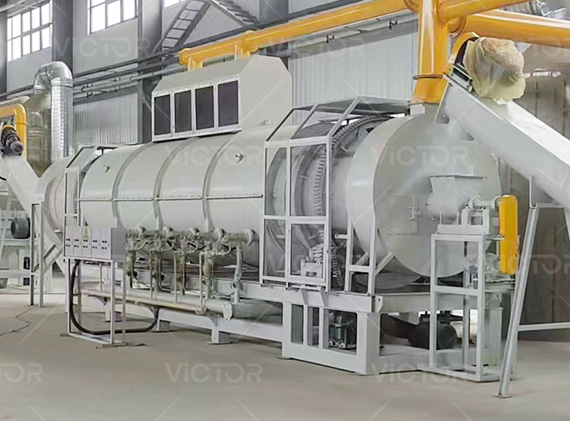 Biomass Pyrolysis Furnace
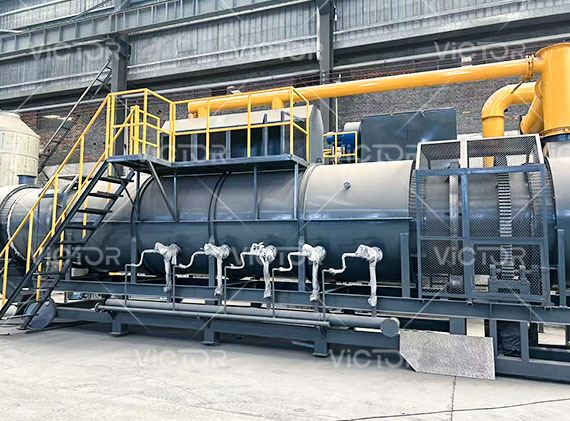 Lithium Battery Recycling Pyrolysis Furnace
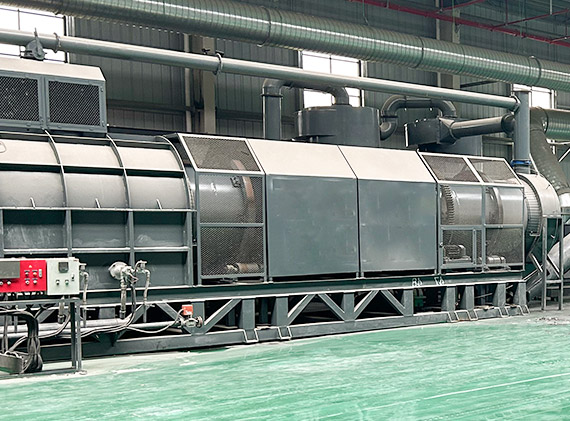 Solar PV Panel Recycling Pyrolysis Furnace
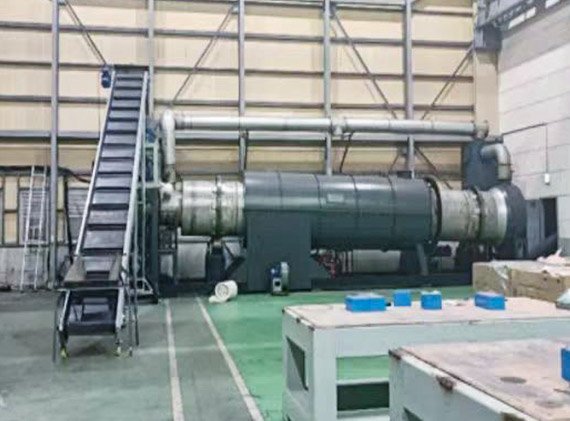 PCB Recycling Pyrolysis Furnace
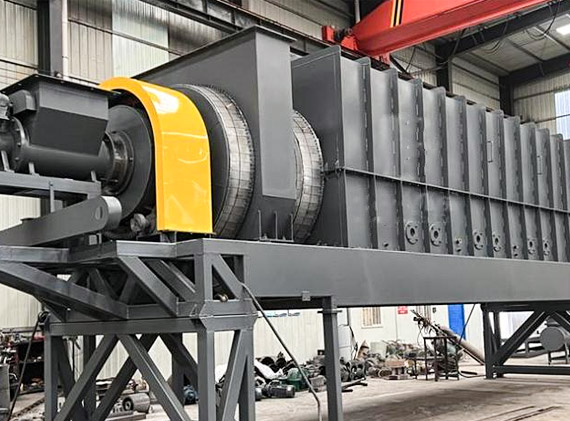 Carbonization Paint Removing Furnace
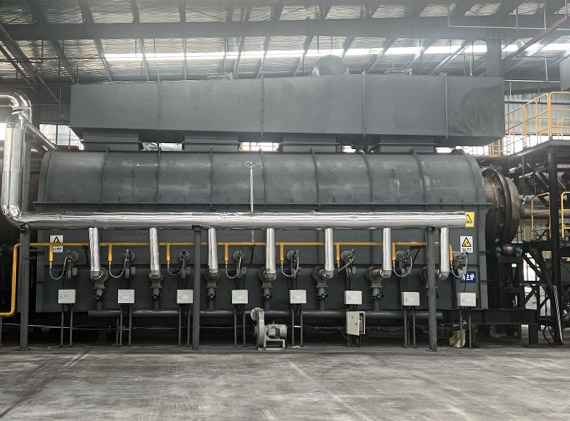 Capacitor Continuity Pyrolysis Furnace
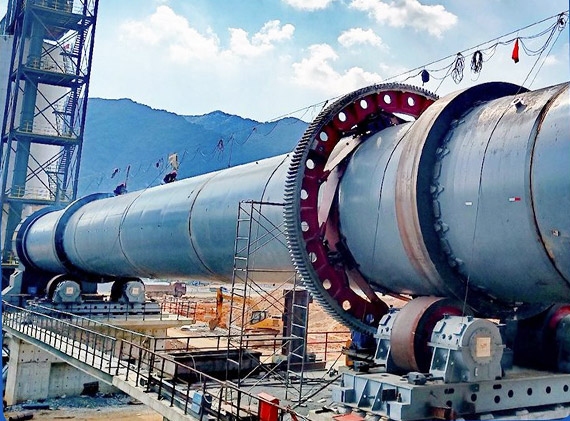 Rotary Kiln
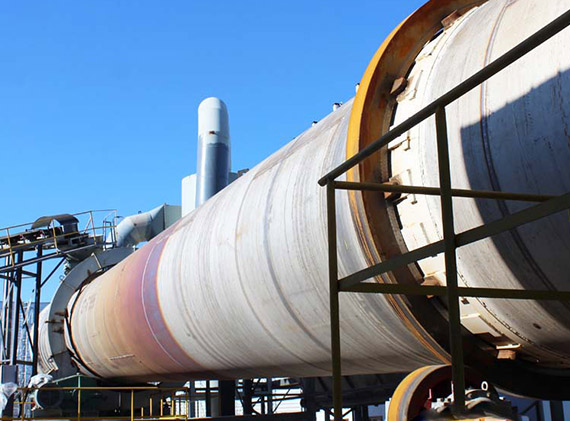 Waste Incineration Rotary Kiln
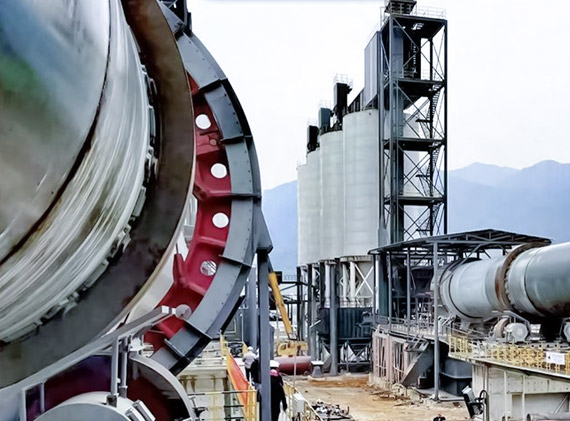 Metallurgical Rotary Kiln
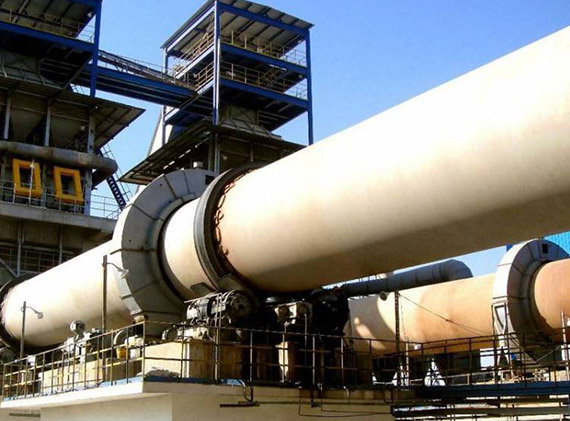 Cement Lime Rotary Kiln
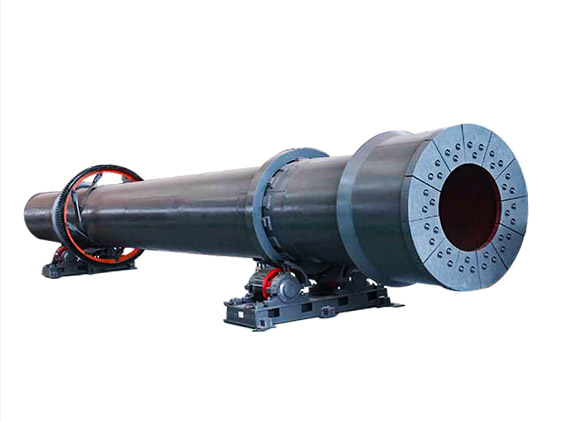 Rotary Drum Dryer Furnace
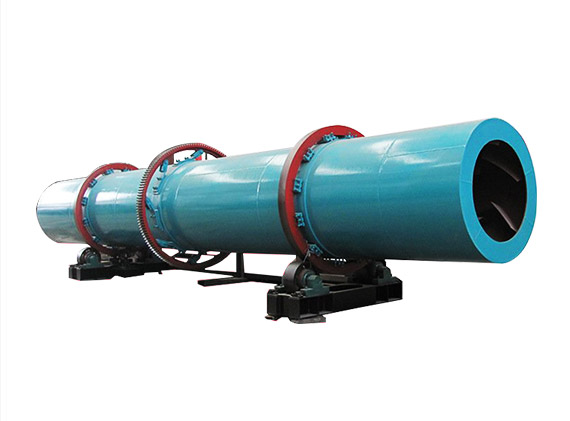 Drum Drying Dryer Furnace
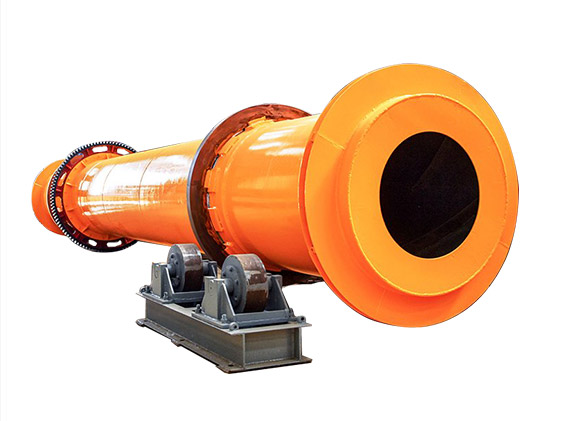 Industrial Dryer Furnace
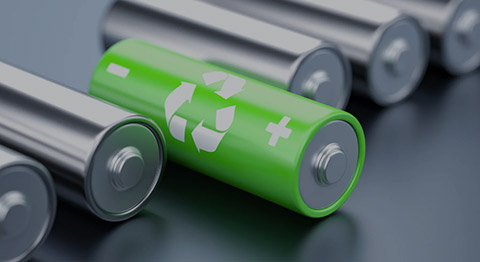 Lithium Battery Recycling Plant
 Solar Photovoltaic Panel Recycling Plant
 PCB Circuit Board Recycling Plant
 E Waste Recycling Plant
 Blog
Blog Company Blog
 Knowledge
 FAQ
FAQ