



With the continuous advancement of industrial technology, an increasing number of industries are pursuing more efficient, energy-saving, and sustainable processing methods. Consequently, the continuous carbonization furnace, as a novel carbonization process technology, has garnered widespread societal attention. Today, we shall provide a detailed introduction to the working principle of the continuous carbonization furnace and its significant applications in raw material conversion.
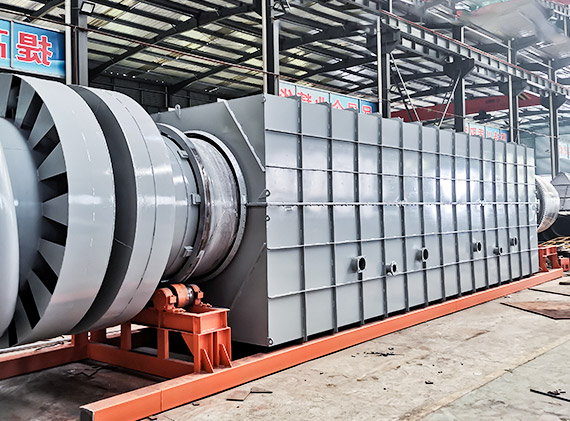
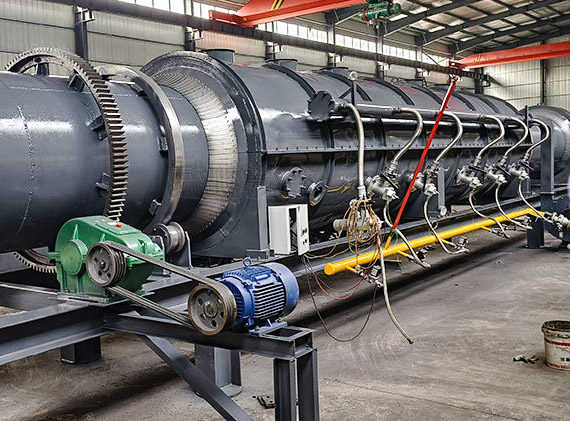
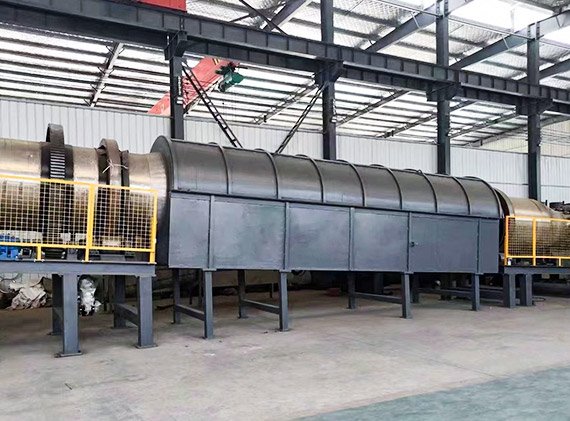
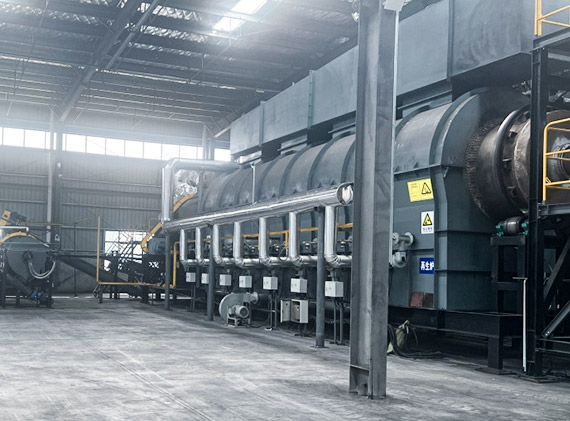
The continuous carbonization furnace represents an efficient, energy-saving, environmentally conscious, and intelligent new generation of carbonization equipment. Through high-temperature carbonization pyrolysis, it processes diverse biomass feedstocks—including timber, straw, sawdust, rice husks, coconut shells, organic sludge, animal manure, and organic waste—to produce carbon powder via pyrolytic carbonization. The core feature of the continuous furnace lies in its ability to feed raw materials and discharge carbon simultaneously, enabling uninterrupted feeding and discharging. This eliminates production delays caused by furnace shutdowns or cooling periods. The entire continuous furnace system offers advantages such as high production efficiency, excellent sealing, high automation, and environmental sustainability. It can operate continuously for 7-10 days, making it suitable for large-scale industrial production.
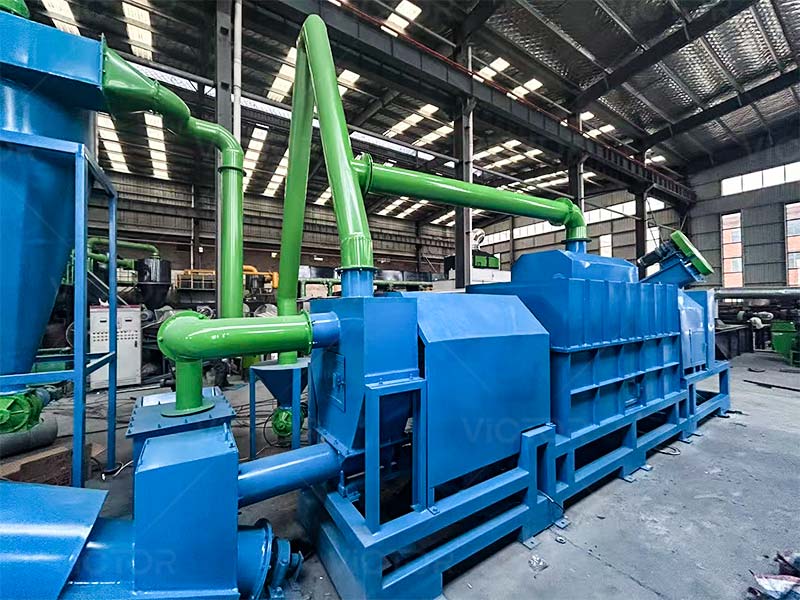
What is a Continuous Carbonization Furnace?
The continuous carbonization furnace production line primarily comprises: continuous feeding systems, discharge systems, carbonization systems, cooling systems, gas purification systems, waste heat utilisation systems, and PLC intelligent control systems. The entire process is mechanised, enabling efficient and stable carbonization. The feeding system uniformly and continuously conveys raw materials into the carbonization furnace. Drying equipment reduces moisture content below 15%, preventing unnecessary energy consumption during subsequent carbonization. The carbonization system constitutes the core component, operating in a fully enclosed environment. Under controlled temperature and pressure conditions, it thermally decomposes raw materials. This process filters and recovers combustible gases generated during carbonization, ensuring emissions fully comply with environmental standards. This ensures all emissions fully comply with environmental standards. The combustible gases can be reused to heat the continuous carbonization furnace, enabling energy recycling. Furthermore, the waste heat recovery system from the carbonization process can redirect residual heat from the carbonization furnace to dry materials in the drying furnace, thereby saving additional energy consumption.
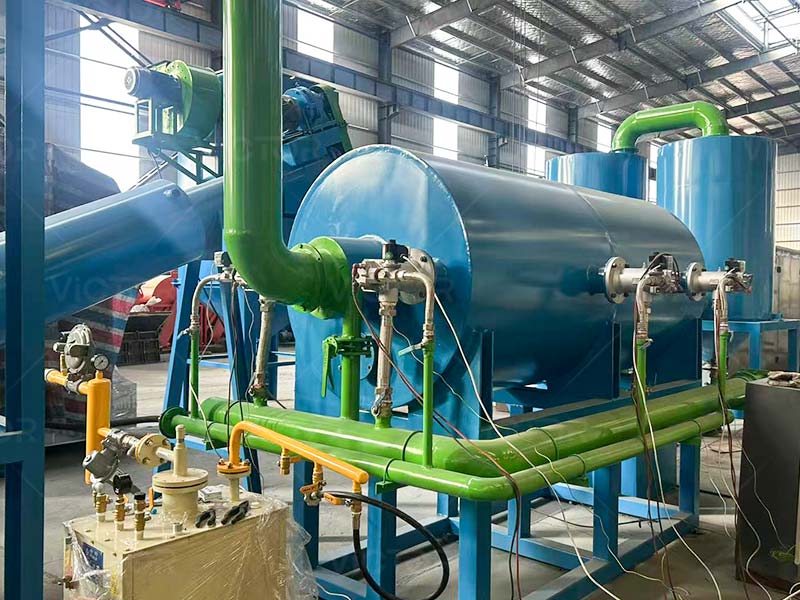
Working Principle of Continuous Carbonization Furnaces
Continuous carbonization furnaces find extensive application across numerous sectors. Carbonization of organic raw materials such as agricultural waste, timber, and biomass yields high-quality biochar. They are also extensively employed in soil remediation, environmental remediation, and other industrial sectors. Carbonization of industrial waste serves as a vital pathway for extracting organic substances and energy conversion. Continuous carbonization furnaces impose strict size requirements on raw materials. However, they demonstrate strong adaptability regarding raw material types, capable of processing diverse biomass feedstocks and organic waste.
The URL for this article is: https://www.victorsmachine.com/knowledge/what-is-a-continuous-furnace/ Please credit the source when reposting. Thank you.
We know how to get energy from waste. Let’s build better future for everyone, together !
Victor Machinery is a manufacturer of machinery and equipment. The main products are: shredder, crusher, carbonization furnace equipment, mining equipment, recycling machinery, etc.
Our ever-evolving offering for mining and construction covers crushing, screening, breaking, demolition, and service solutions – designed to increase productivity and boost your bottom line.
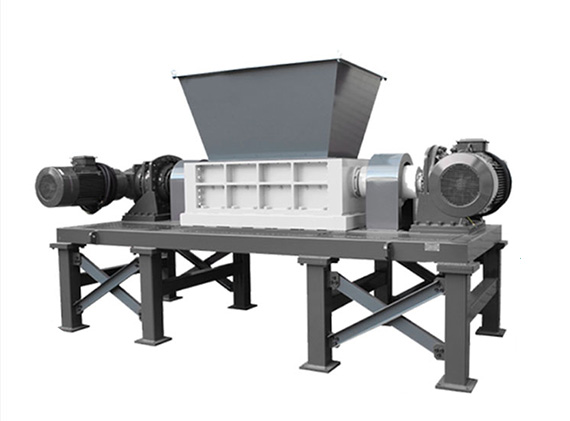 Double Shaft Shredder Machine
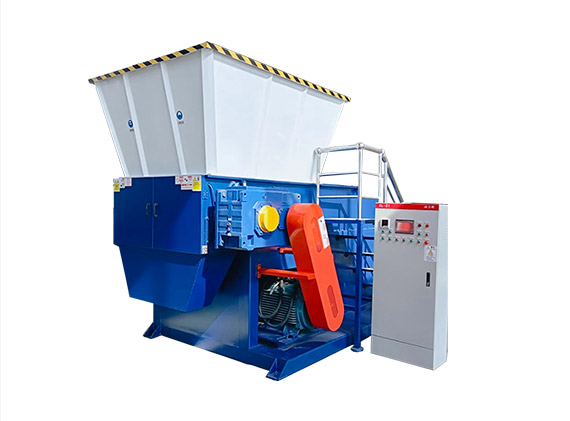 Single Shaft Shredder Machine
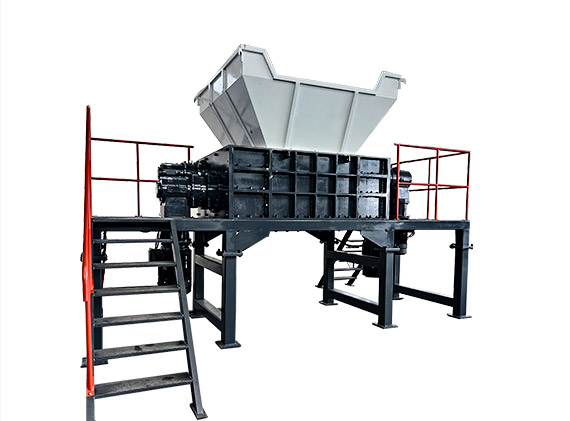 Four Shaft Shredder Machine
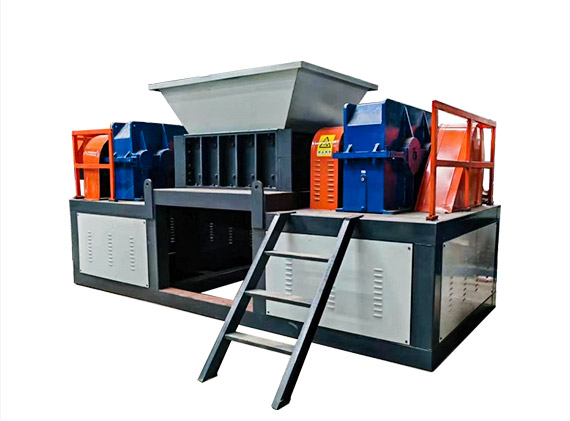 Tyre Shredder Machine
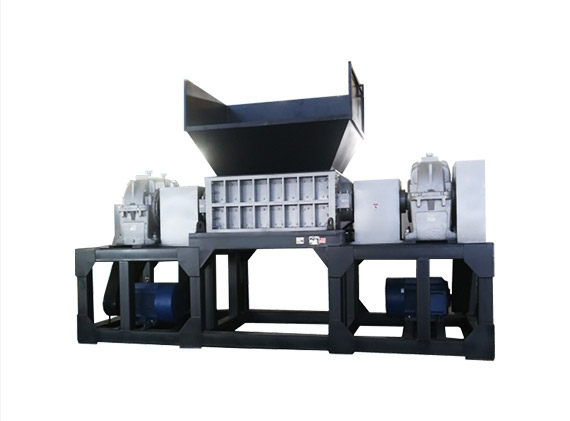 Metal Shredder Machine
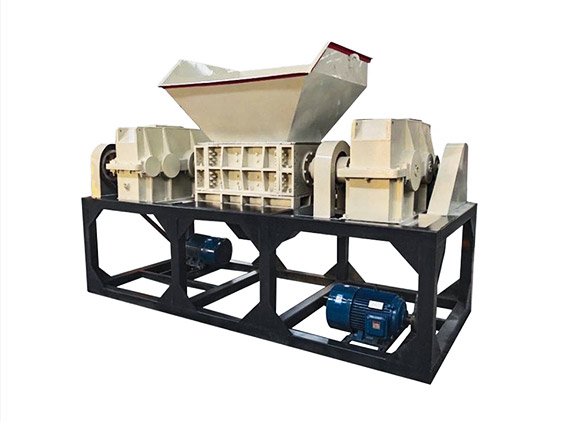 Wood Shredder Machine
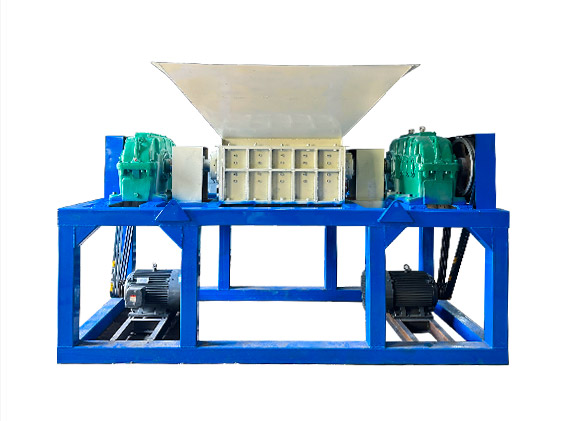 Plastic Shredder Machine
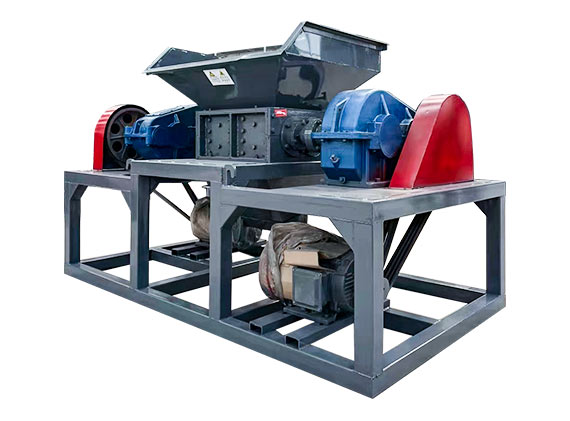 UBC Aluminum Can Shredder Machine
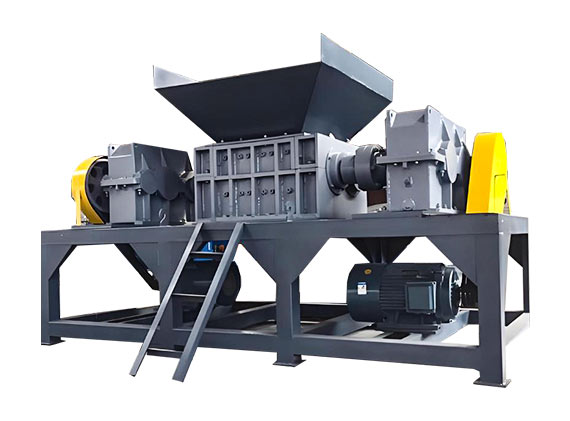 Lithium-ion Battery Shredder Machine
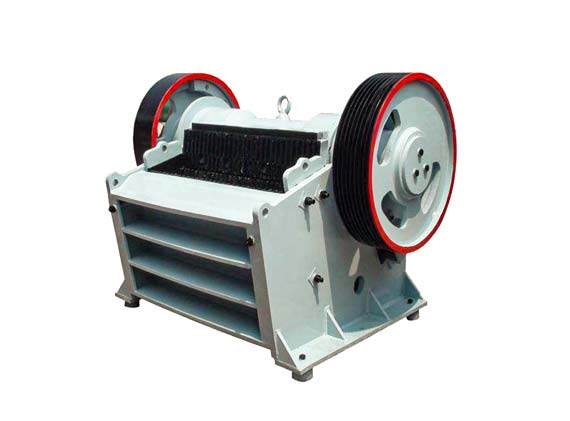 Mini Small Jaw Crusher
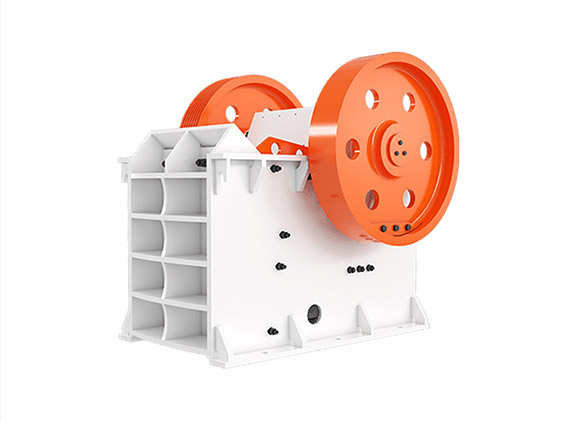 Jaw Crusher
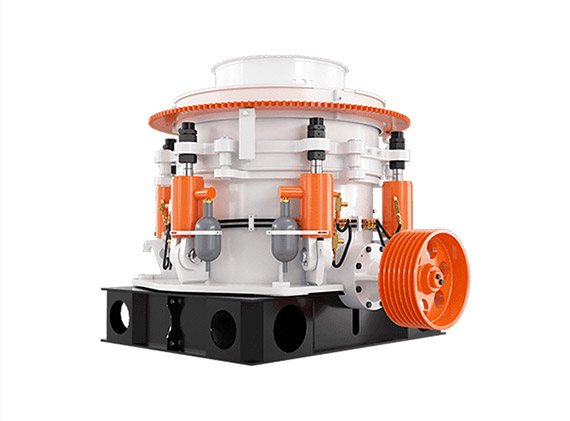 Cone Crusher
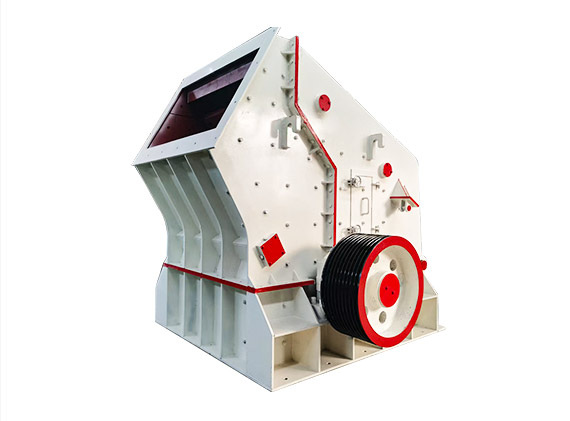 Impact Crusher
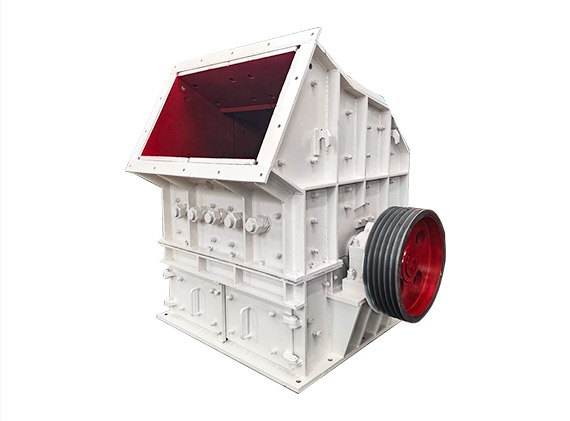 Hammer Crusher
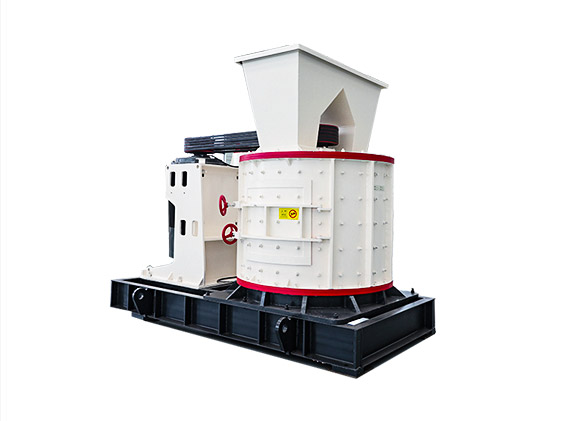 Impact Mill Crusher
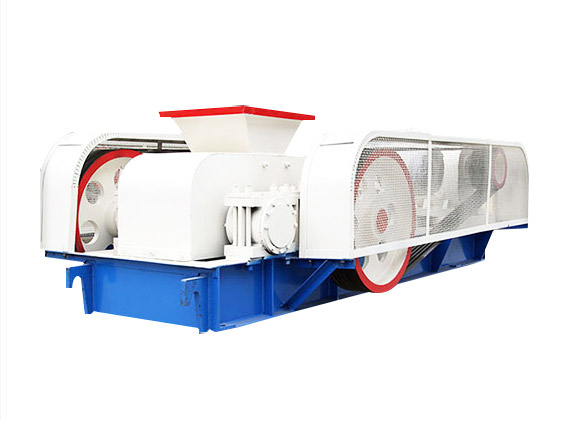 Roll Crusher
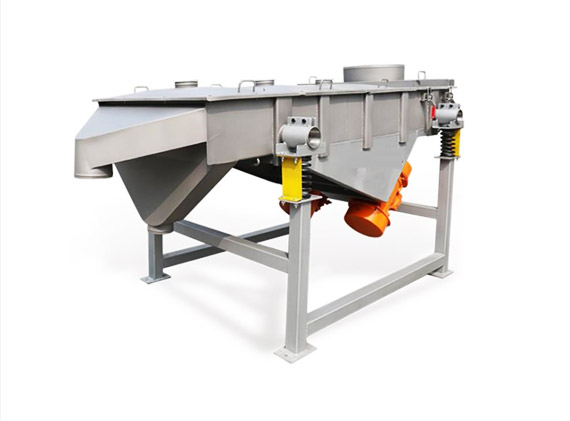 Linear Vibrating Screen Machine
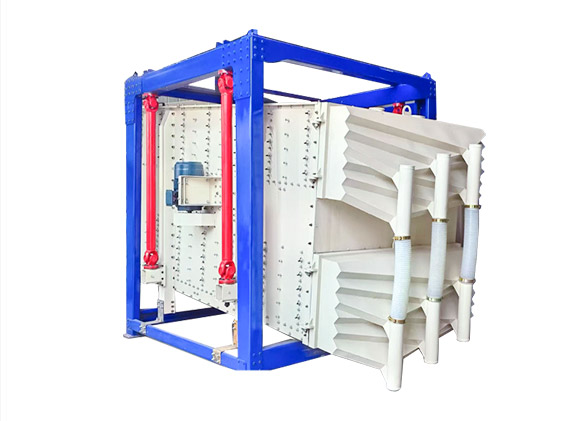 Swing Screen Machine
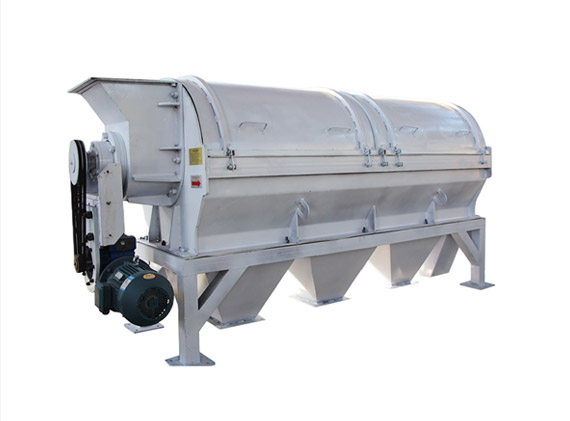 Tumbler Screen Machine
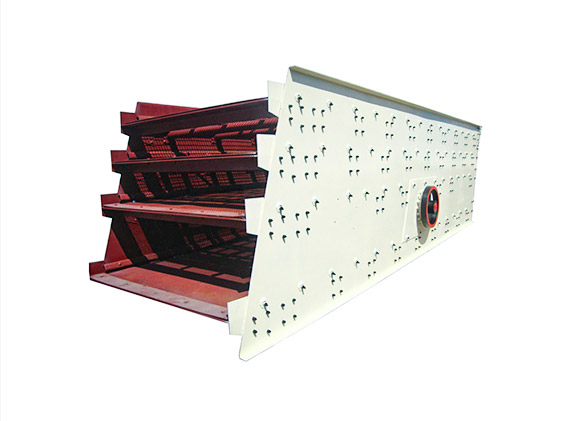 Circular Vibrating Screen
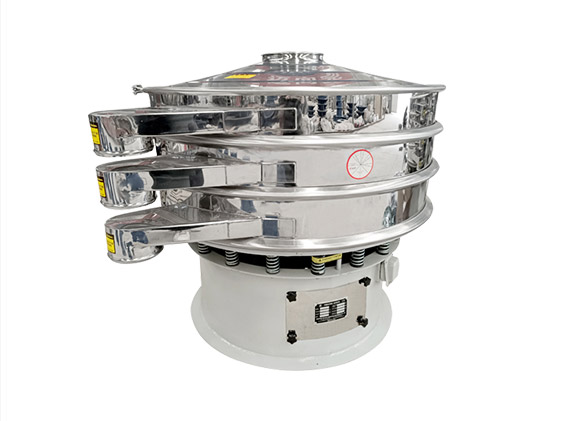 Cylindrical Rotary Vibrating Screen
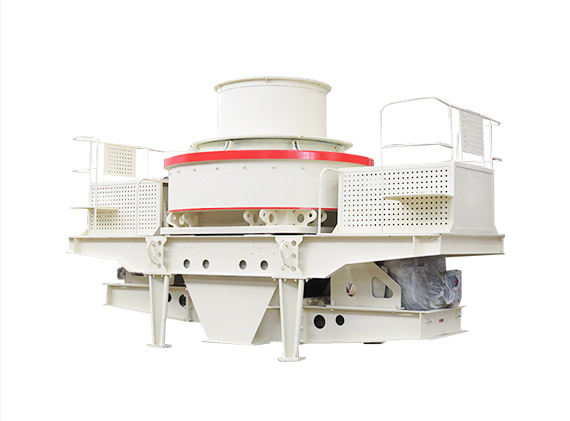 Sand Making Machine
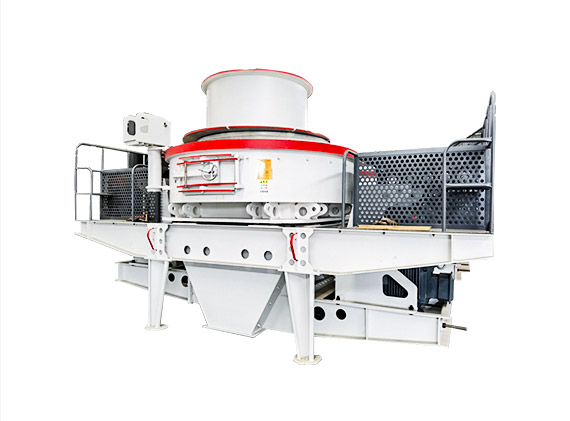 VSI Sand Making Machine
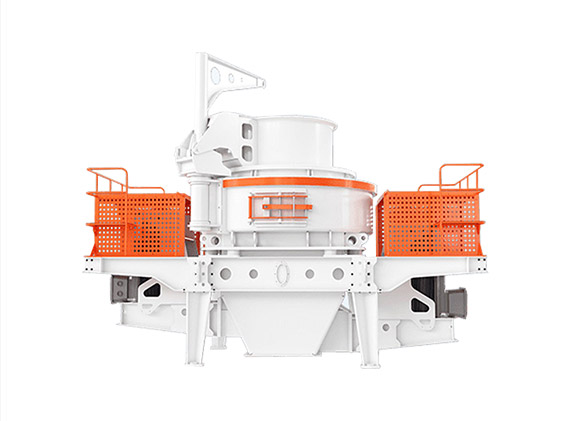 Impact Sand Making Machine
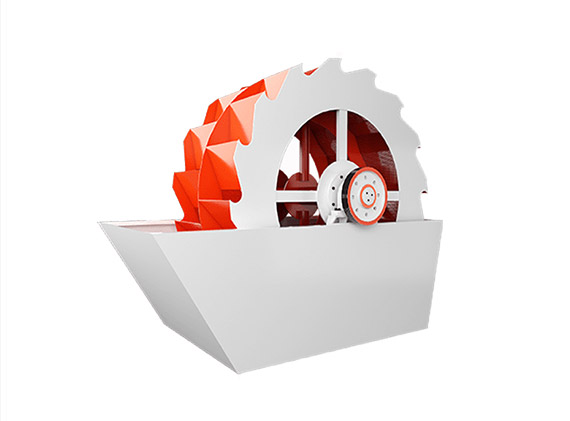 Sand Washing Machine
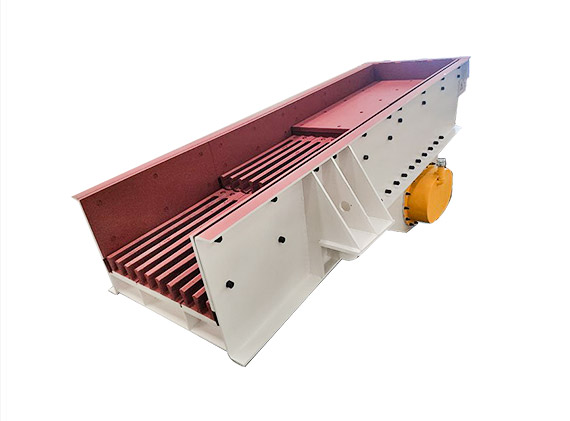 Vibrating Feeder
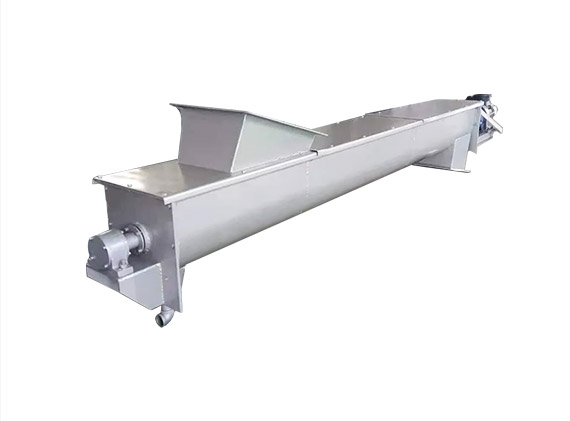 U-Shape Screw Reamer
 Belt Conveyor
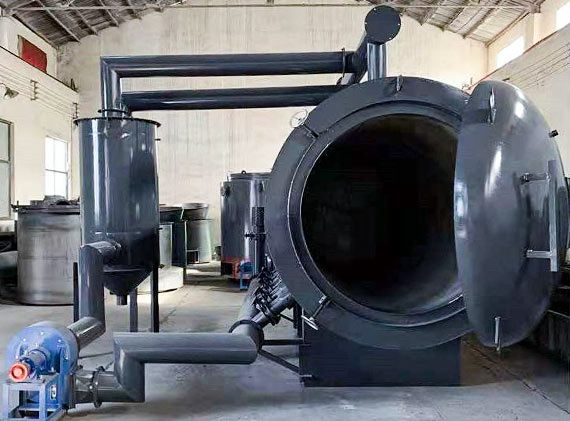 Horizontal Carbonization Furnace
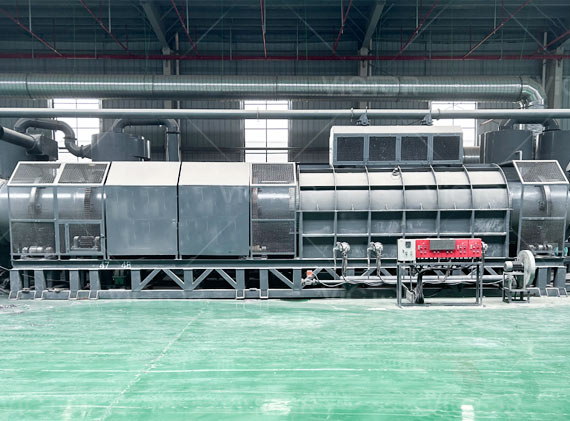 Wood Charcoal Carbonization Furnace
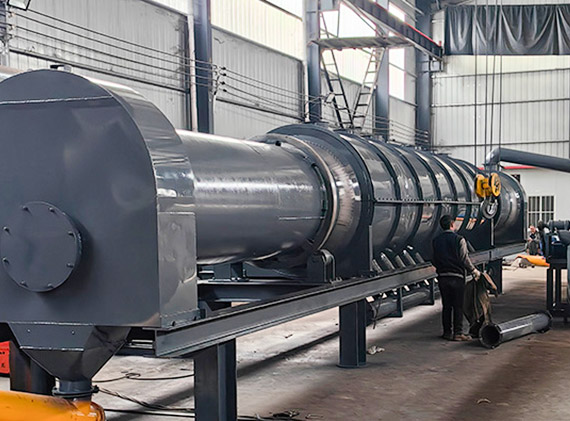 Waste Carbonization Furnace
 Sludge Continuous Carbonization Furnace
 Biomass Carbonization Furnace
 Coconut Shell Carbonization Furnace
 Continuous Carbonization Furnace
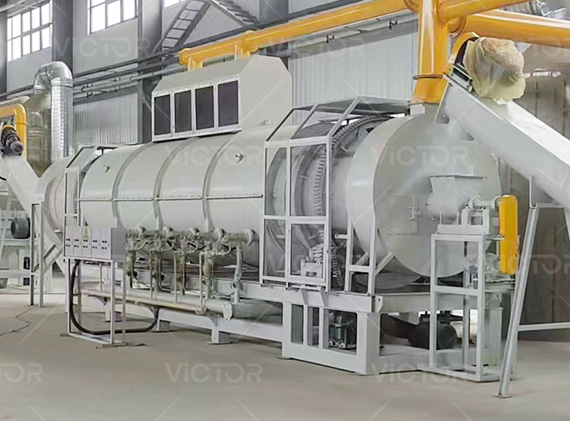 Biomass Pyrolysis Furnace
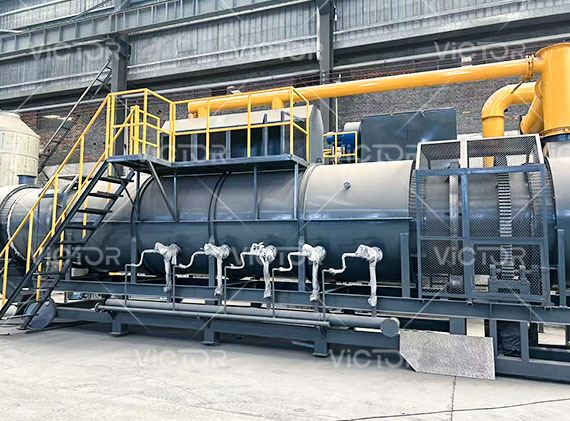 Lithium Battery Recycling Pyrolysis Furnace
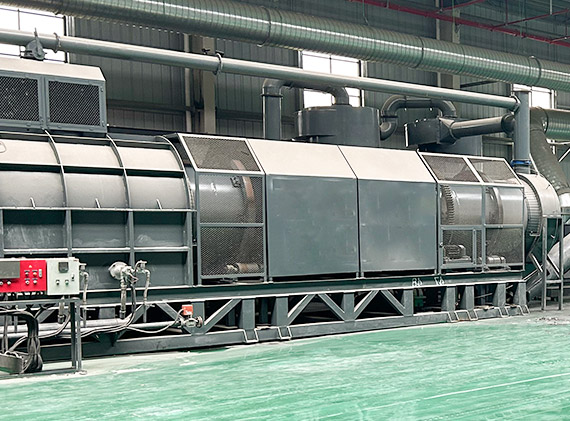 Solar PV Panel Recycling Pyrolysis Furnace
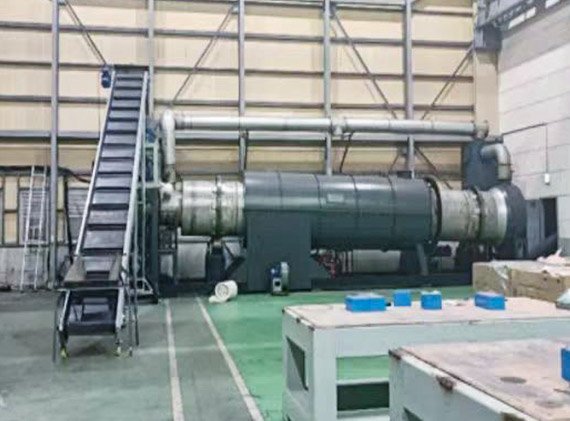 PCB Recycling Pyrolysis Furnace
 Carbonization Paint Removing Furnace
 Capacitor Continuity Pyrolysis Furnace
 Rotary Kiln
 Waste Incineration Rotary Kiln
 Metallurgical Rotary Kiln
 Cement Lime Rotary Kiln
 Rotary Drum Dryer Furnace
 Drum Drying Dryer Furnace
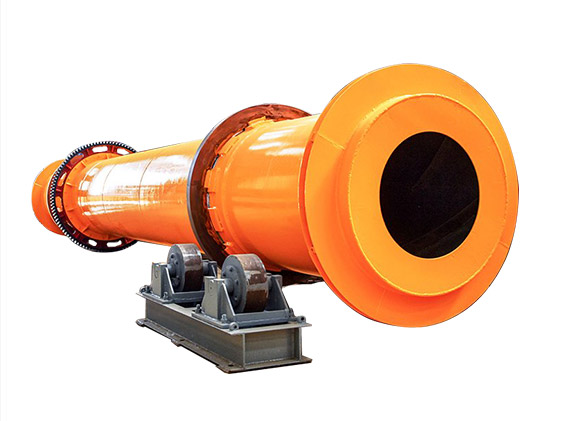 Industrial Dryer Furnace
 Lithium Battery Recycling Plant
 Solar Photovoltaic Panel Recycling Plant
 PCB Circuit Board Recycling Plant
 E Waste Recycling Plant
 Blog
Blog Company Blog
 Knowledge
 FAQ
FAQ