



In our daily lives and industrial production, capacitors are indispensable electronic components. They are extensively utilised in various circuit boards for functions including energy storage and release, filtering, and signal coupling. With the rapid evolution and widespread adoption of electronic technology products, discarded capacitors pose environmental hazards if not subjected to proper non-hazardous treatment. Should these harmful substances enter the environment, they constitute a serious threat to soil, water sources, and even human health.
Capacitors contain materials such as aluminium, copper, iron, paper, plastic, and rubber, all possessing significant recycling value. Resource recovery not only embodies the principles of a circular economy but also constitutes a crucial stage in waste capacitor management. To effectively recycle these discarded capacitors, a waste capacitor pyrolysis machine is required. Through pyrolysis carbonisation under high-temperature conditions, harmful substances are decomposed. Further carbonisation processing then extracts useful materials, ultimately achieving dual objectives of environmental protection and resource recovery.
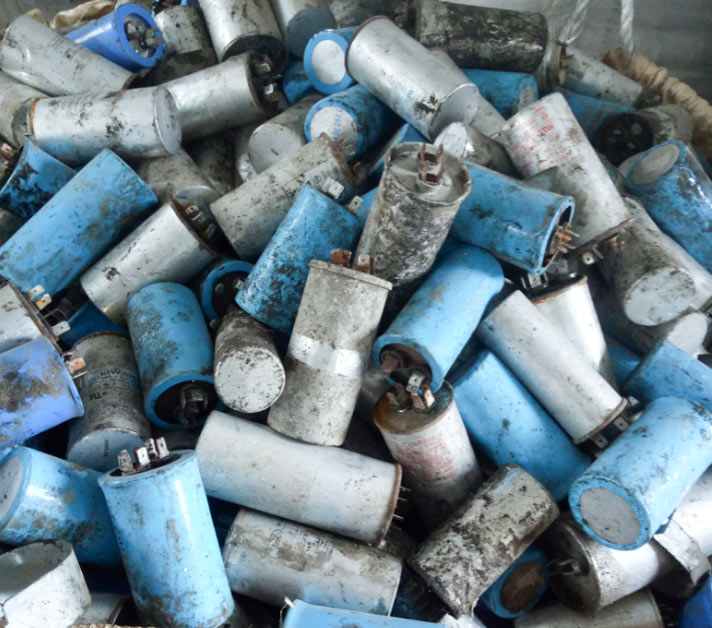
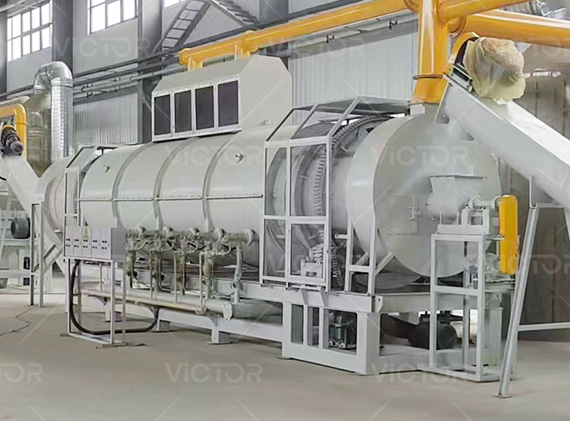
Waste Capacitor Recycling Pyrolysis Machine
Capacitor pyrolysis carbonisation treatment first employs pyrolysis technology. Waste capacitors are heated in an oxygen-depleted or oxygen-poor environment, causing their organic constituents to decompose into smaller molecules and elements at high temperatures. This process effectively converts hazardous substances into safe materials, thereby reducing pollutants directly discharged into the environment. As temperatures continue to rise, the carbonisation stage commences. The solid residues from pyrolysis undergo further high-temperature treatment, converting into stable carbon compounds. This process not only mitigates the hazardous nature of residual materials but also facilitates resource recovery. It enables the separation and recovery of metallic substances such as copper and aluminium.
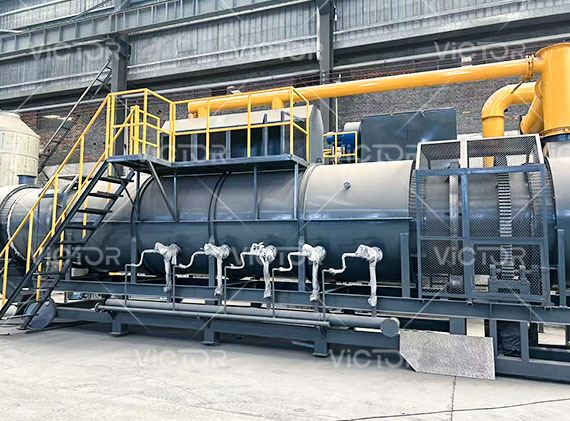
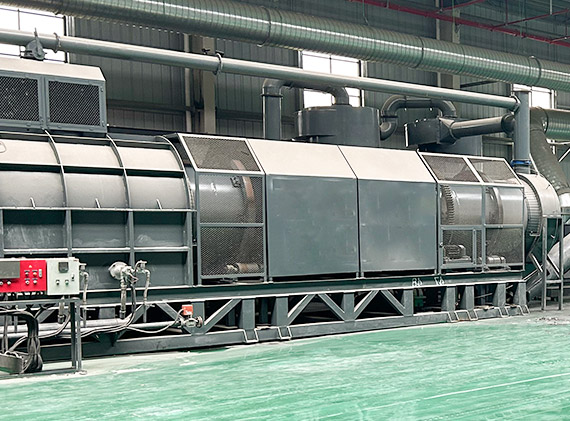
First, waste capacitors are conveyed via a transport mechanism into a continuous capacitor pyrolysis furnace. The furnace constitutes a near-hermetic chamber, establishing anaerobic conditions. Capacitors undergo pyrolysis and carbonisation within this heated environment. Fumes generated during pyrolysis traverse flue ducts and pass through a fume purification system. These fumes are subsequently reintroduced into the burner for combustion, thereby heating the main furnace. This achieves a continuous cycle of heating and carbonisation. During the initial carbonisation phase, plastics and rubber undergo pyrolytic carbonisation. Capacitor oil reaches a state of vaporisation. The combustible gases produced during pyrolysis achieve normal combustion. Upon completion of carbonisation and pyrolysis, pure aluminium and carbon powder are ultimately obtained. Screening machines and crushers are then employed. Magnetic separation isolates the aluminium and carbon powder, while magnetic separation removes iron from the mixed material.
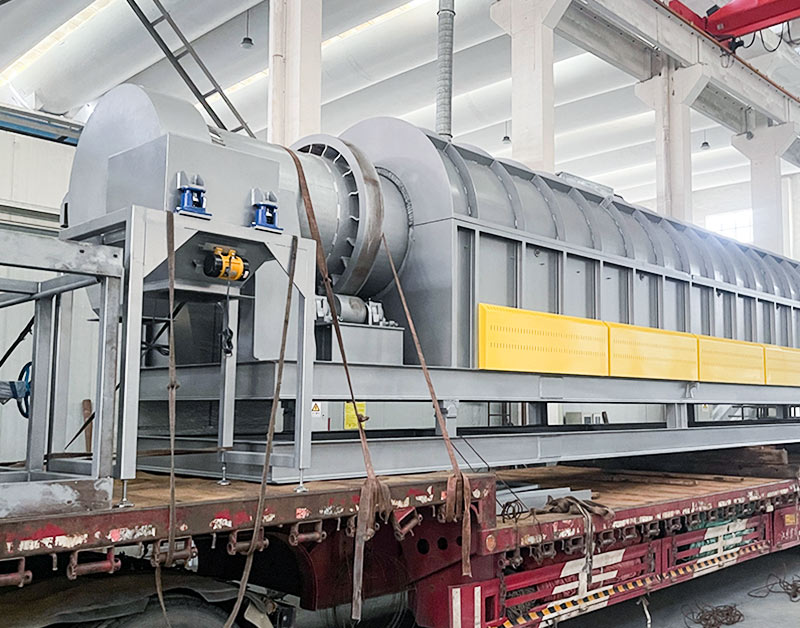
Continuous Capacitor Pyrolysis Furnace
Resource Recovery: Metals within waste capacitors can be effectively recovered. Particularly during the carbonisation stage, separation of metals from other substances becomes significantly more efficient. This resource recycling opens up greater possibilities.
Efficient Energy Utilisation: Energy released during re-pyrolysis can be recovered and reused, enhancing overall process energy efficiency. The carbon material produced after pyrolysis and carbonisation possesses high commercial value and diverse applications.
Environmental Protection and Energy Conservation: The pyrolysis carbonisation process is environmentally sound. This technology significantly reduces emissions of toxic and hazardous substances during waste capacitor treatment, preventing contamination of soil, water sources, and air.
Following continuous pyrolysis carbonisation of waste capacitors, subsequent processes include crushing, grinding, gravity screening, and magnetic separation. The ground material undergoes high-precision separation of metals and scrap metals, achieving separation rates exceeding 98%. Aluminium, plastics, iron, and other components from waste capacitors are fully recycled. The entire production line features high automation and ease of maintenance, generating greater profit value through resource regeneration.
The URL for this article is: https://www.victorsmachine.com/knowledge/waste-capacitor-recycling-pyrolysis-machine/ Please credit the source when reposting. Thank you.
We know how to get energy from waste. Let’s build better future for everyone, together !
Victor Machinery is a manufacturer of machinery and equipment. The main products are: shredder, crusher, carbonization furnace equipment, mining equipment, recycling machinery, etc.
Our ever-evolving offering for mining and construction covers crushing, screening, breaking, demolition, and service solutions – designed to increase productivity and boost your bottom line.
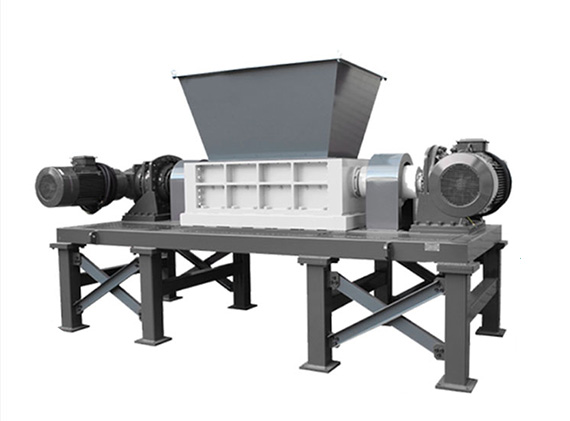 Double Shaft Shredder Machine
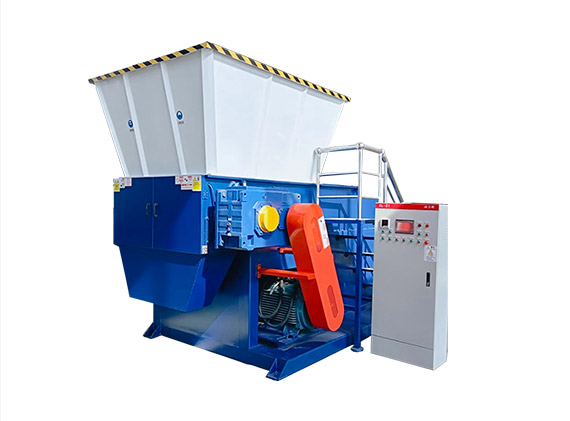 Single Shaft Shredder Machine
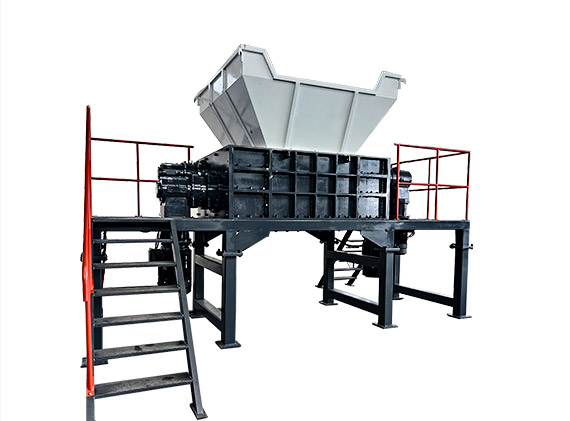 Four Shaft Shredder Machine
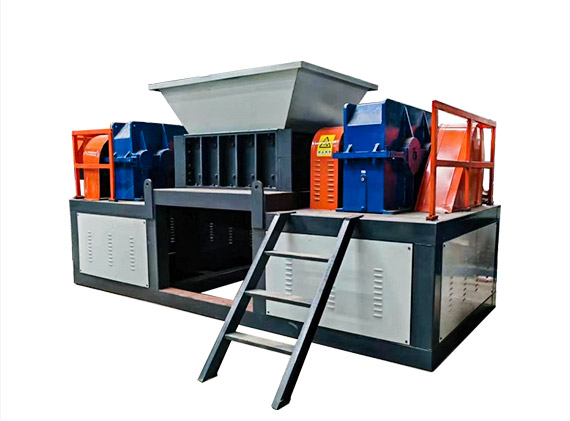 Tyre Shredder Machine
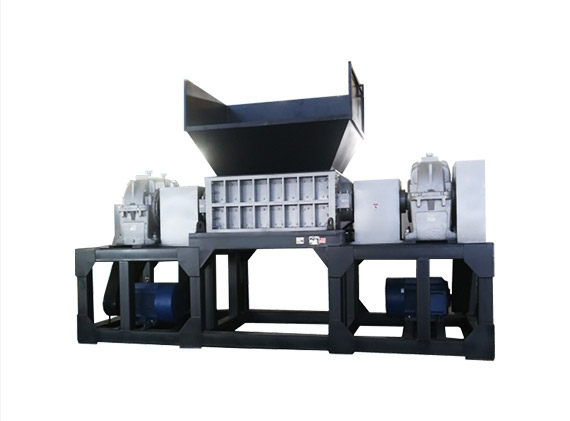 Metal Shredder Machine
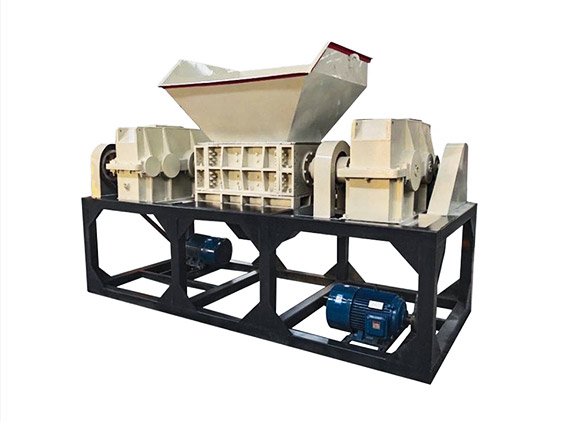 Wood Shredder Machine
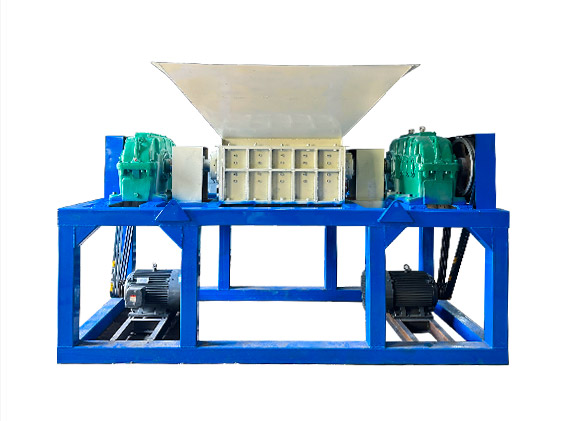 Plastic Shredder Machine
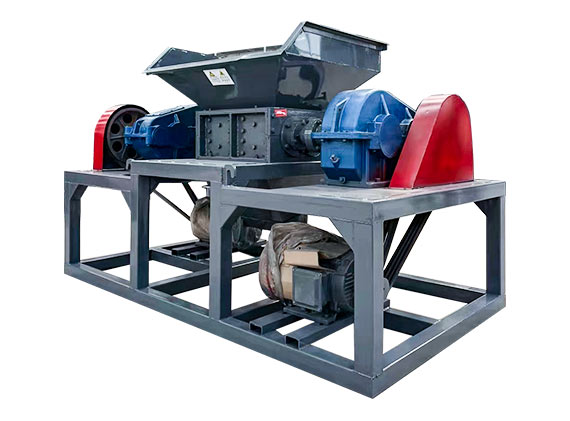 UBC Aluminum Can Shredder Machine
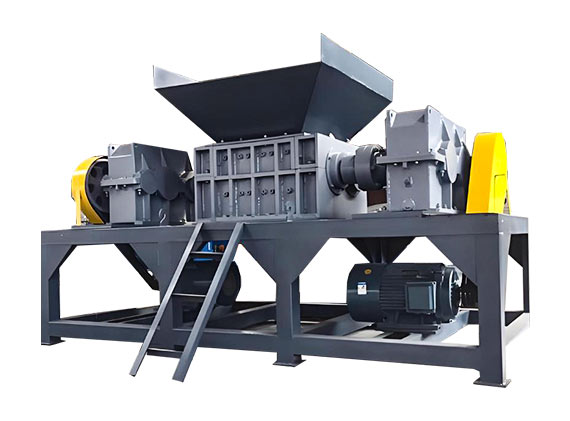 Lithium-ion Battery Shredder Machine
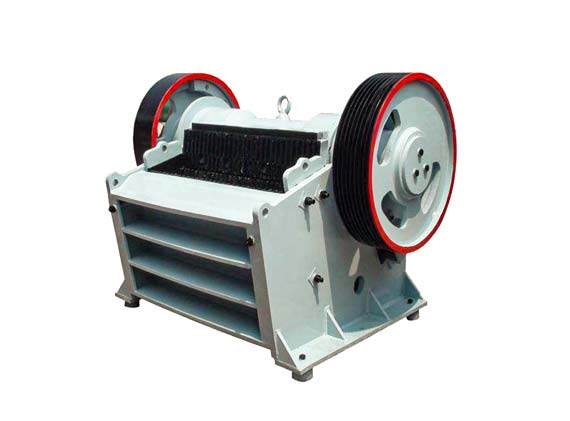 Mini Small Jaw Crusher
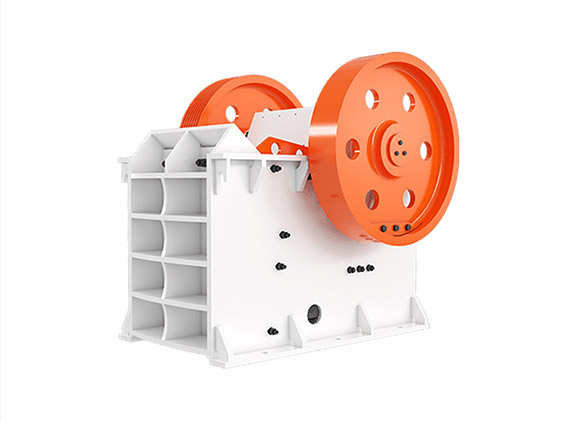 Jaw Crusher
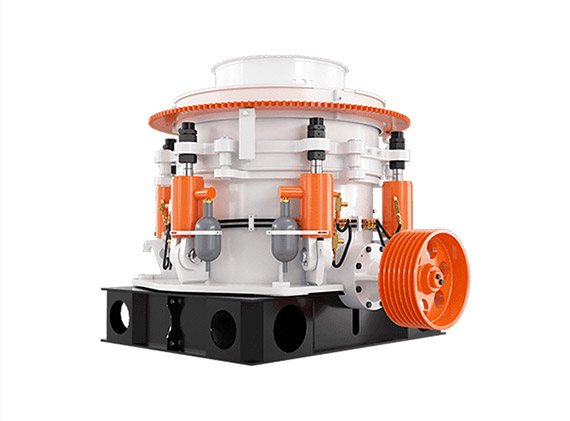 Cone Crusher
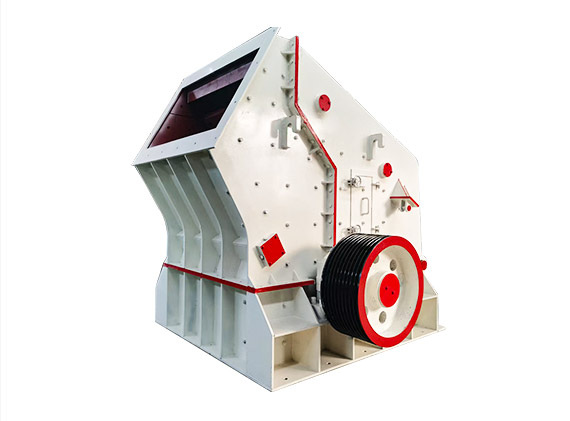 Impact Crusher
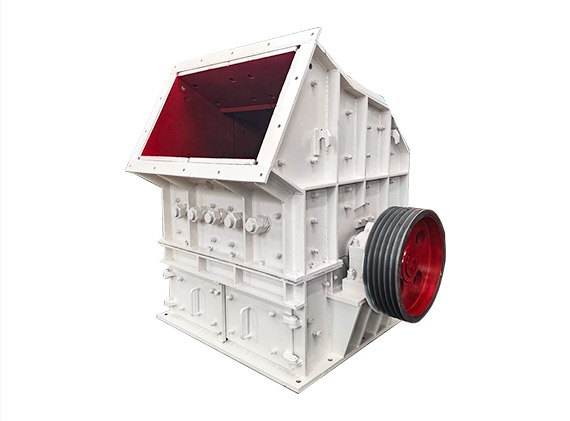 Hammer Crusher
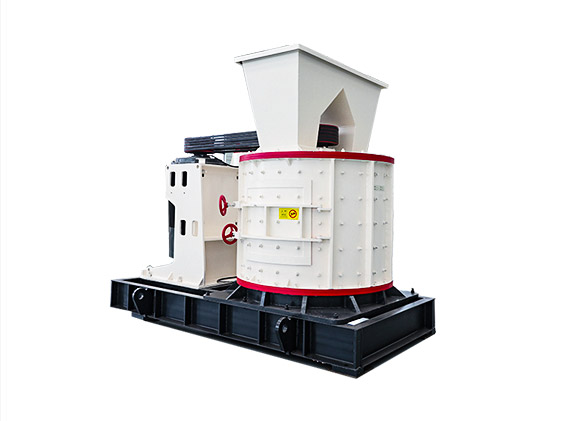 Impact Mill Crusher
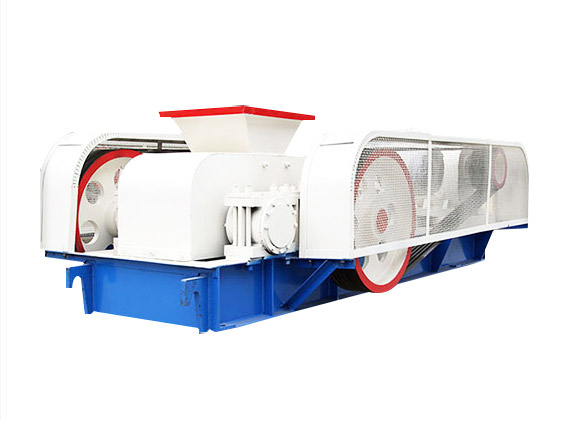 Roll Crusher
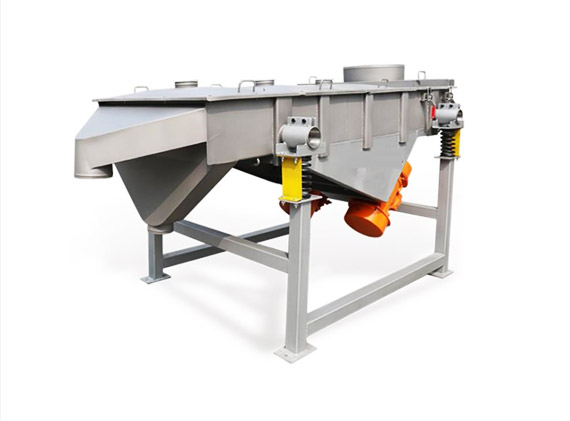 Linear Vibrating Screen Machine
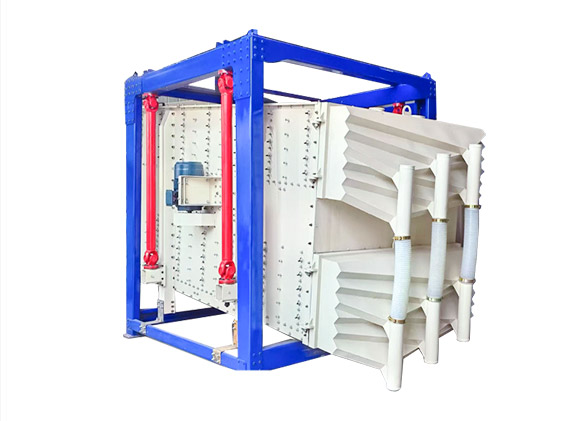 Swing Screen Machine
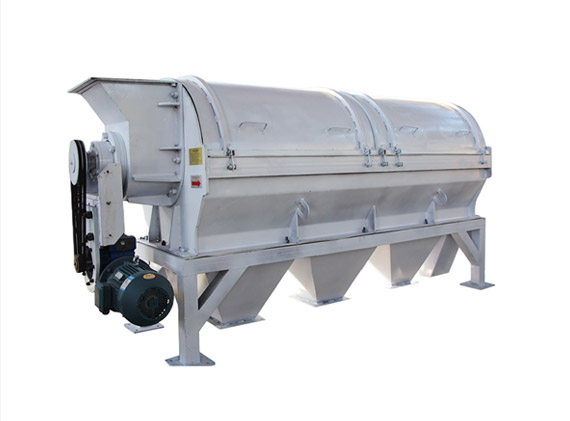 Tumbler Screen Machine
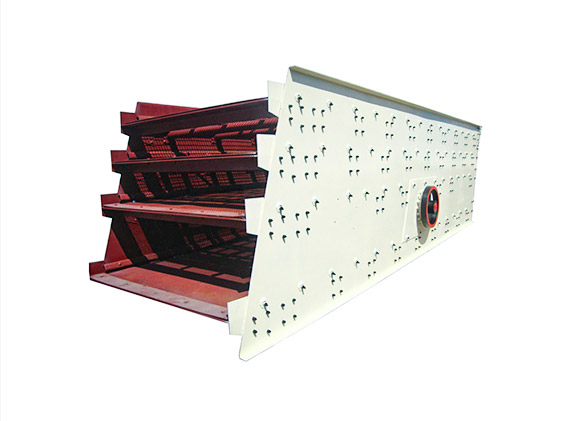 Circular Vibrating Screen
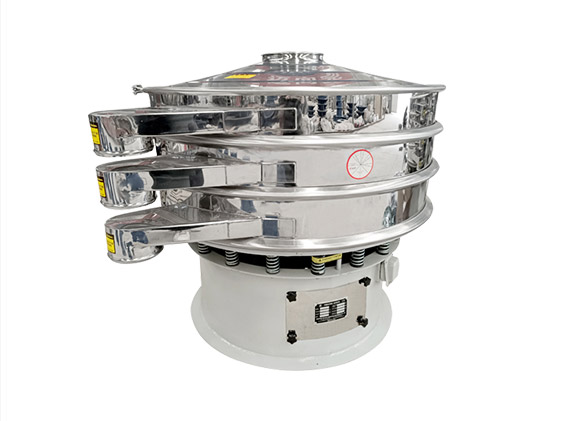 Cylindrical Rotary Vibrating Screen
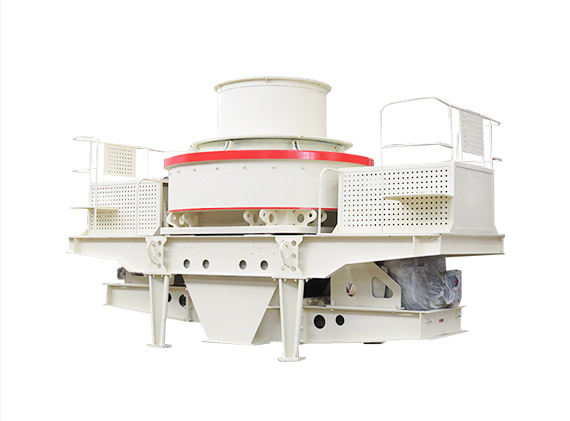 Sand Making Machine
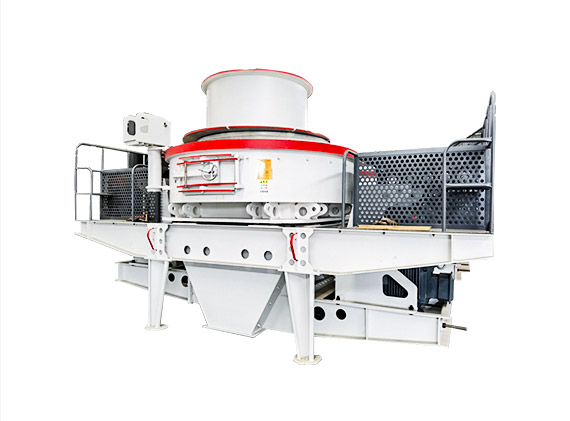 VSI Sand Making Machine
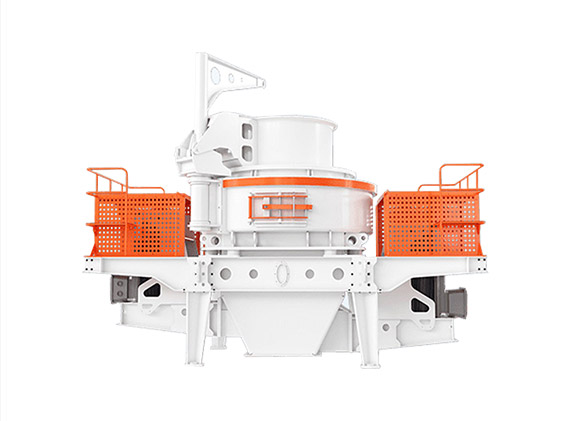 Impact Sand Making Machine
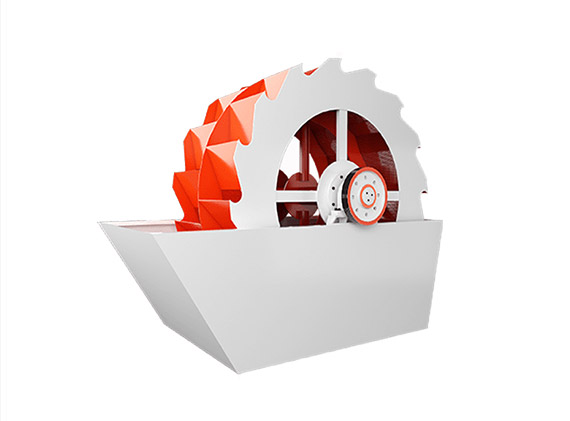 Sand Washing Machine
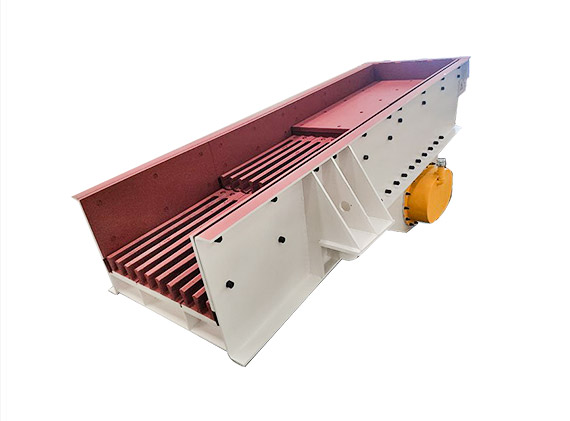 Vibrating Feeder
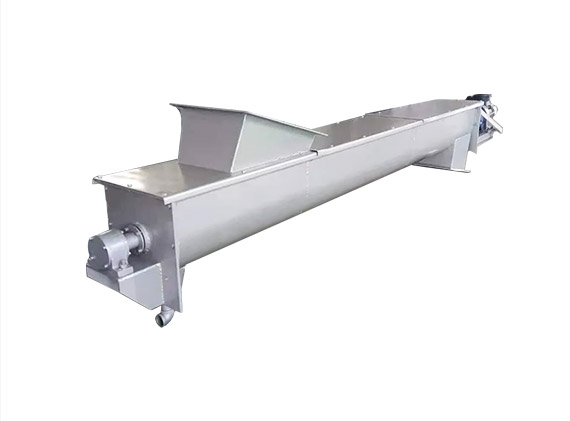 U-Shape Screw Reamer
 Belt Conveyor
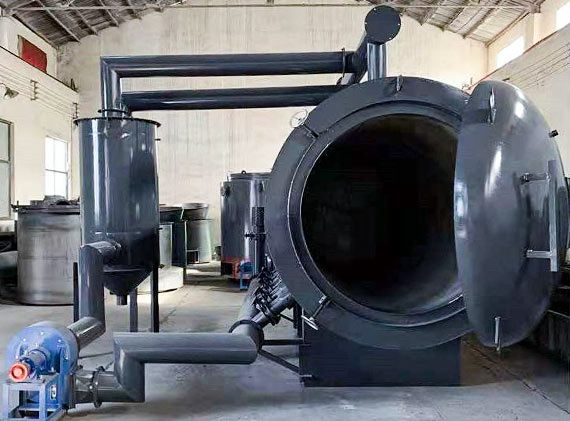 Horizontal Carbonization Furnace
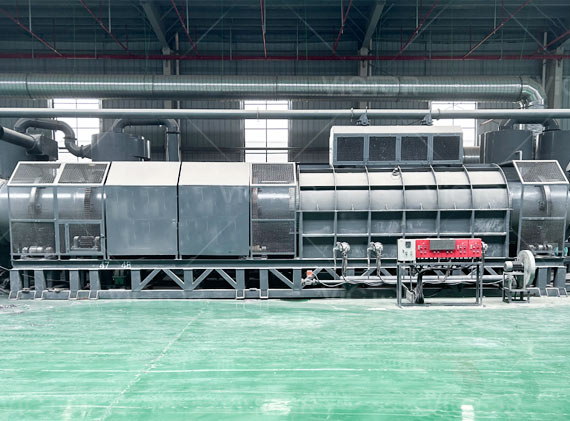 Wood Charcoal Carbonization Furnace
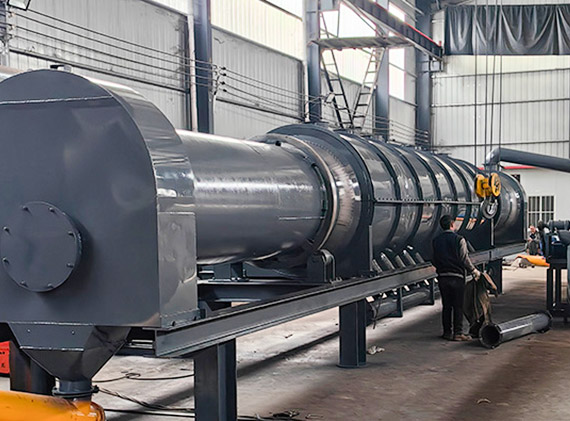 Waste Carbonization Furnace
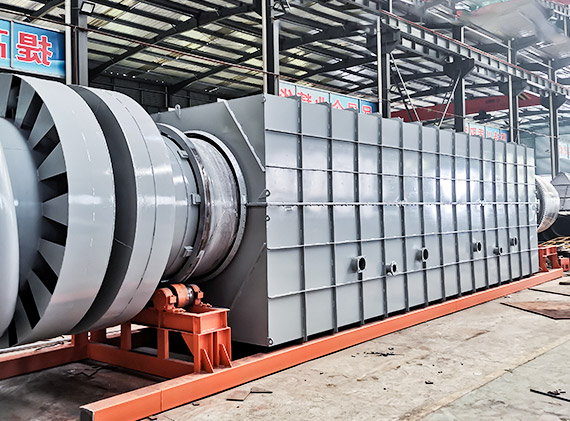 Sludge Continuous Carbonization Furnace
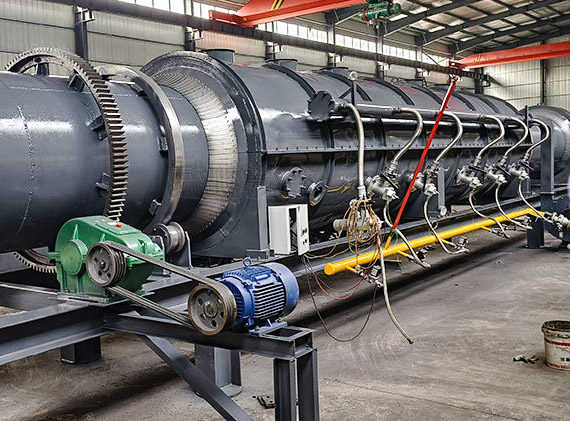 Biomass Carbonization Furnace
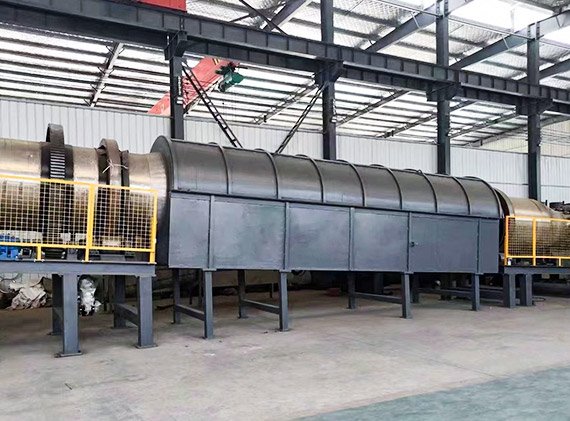 Coconut Shell Carbonization Furnace
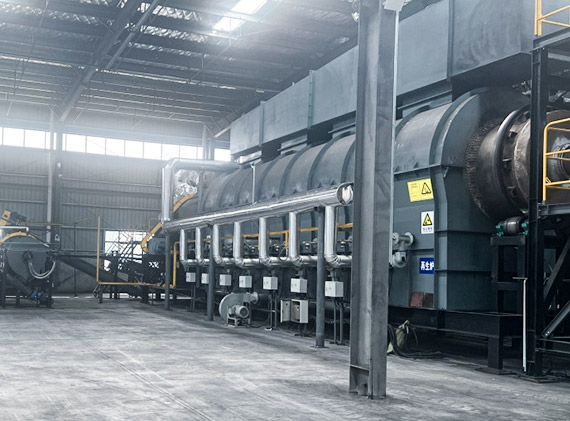 Continuous Carbonization Furnace
 Biomass Pyrolysis Furnace
 Lithium Battery Recycling Pyrolysis Furnace
 Solar PV Panel Recycling Pyrolysis Furnace
 PCB Recycling Pyrolysis Furnace
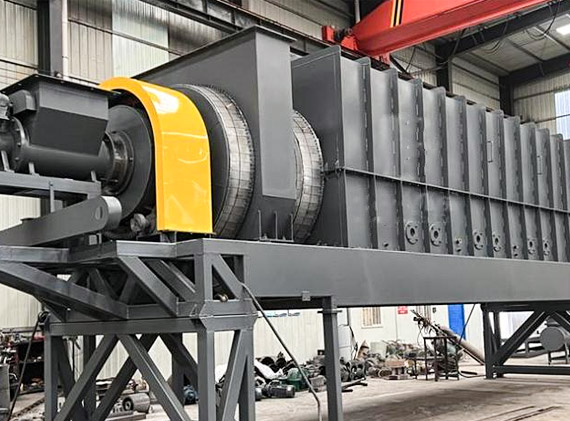 Carbonization Paint Removing Furnace
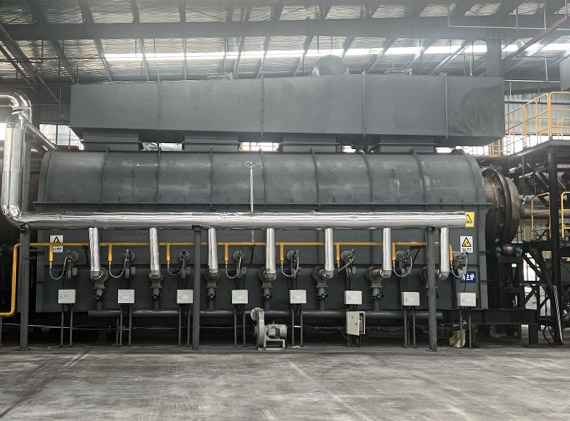 Capacitor Continuity Pyrolysis Furnace
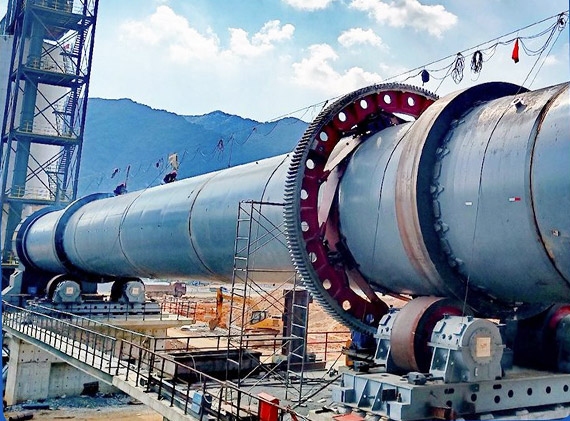 Rotary Kiln
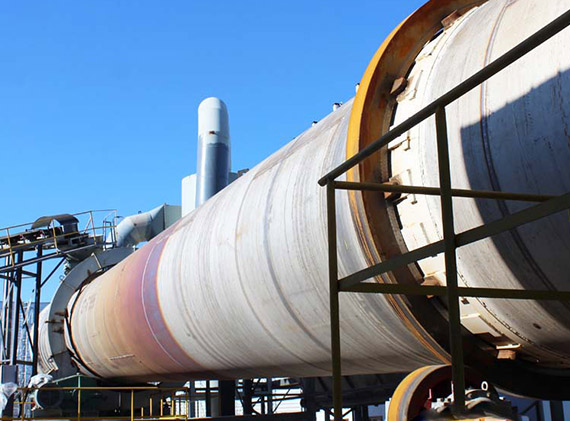 Waste Incineration Rotary Kiln
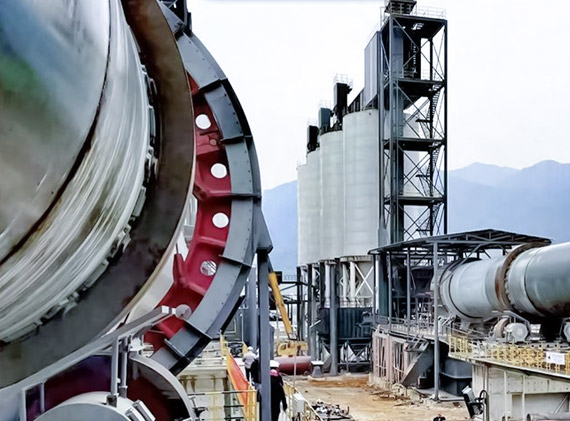 Metallurgical Rotary Kiln
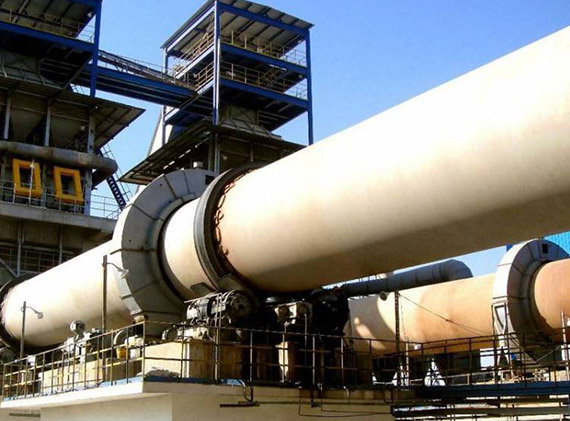 Cement Lime Rotary Kiln
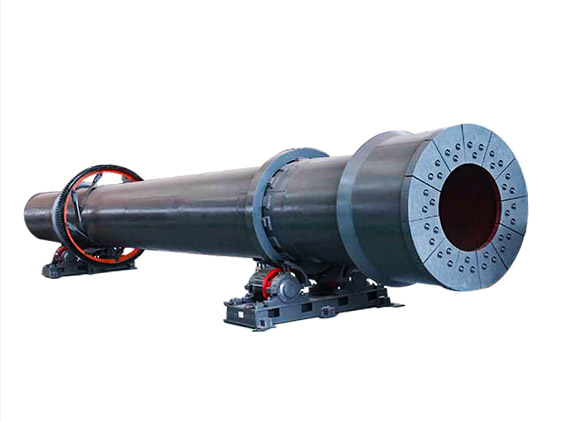 Rotary Drum Dryer Furnace
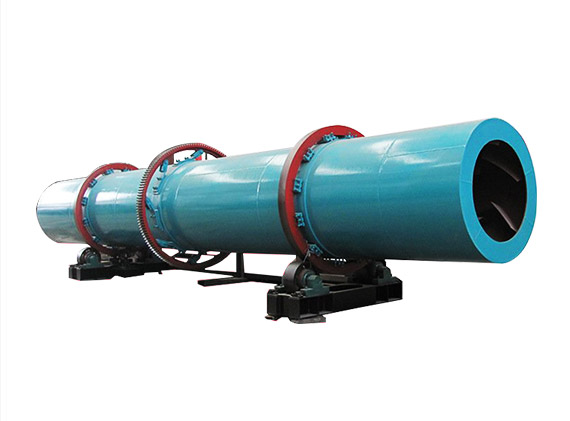 Drum Drying Dryer Furnace
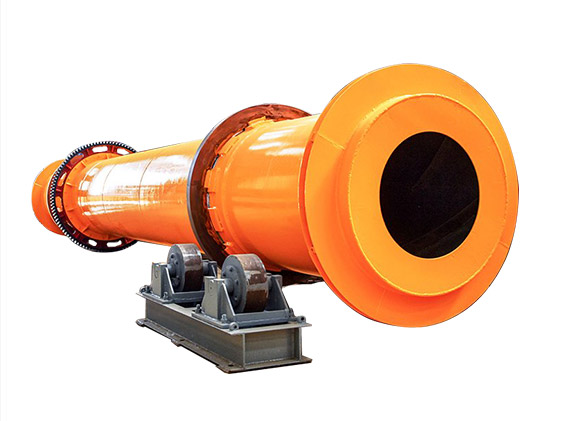 Industrial Dryer Furnace
 Lithium Battery Recycling Plant
 Solar Photovoltaic Panel Recycling Plant
 PCB Circuit Board Recycling Plant
 E Waste Recycling Plant
 Blog
Blog Company Blog
 Knowledge
 FAQ
FAQ