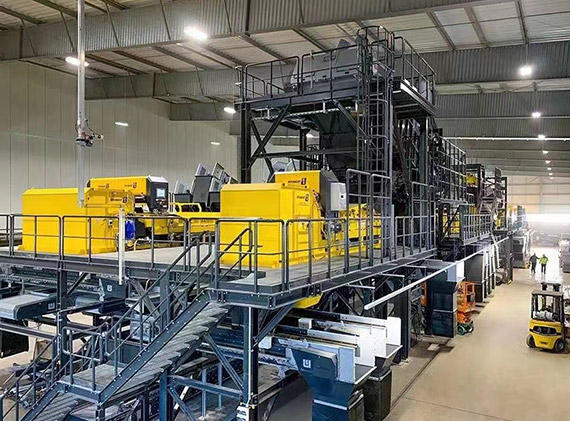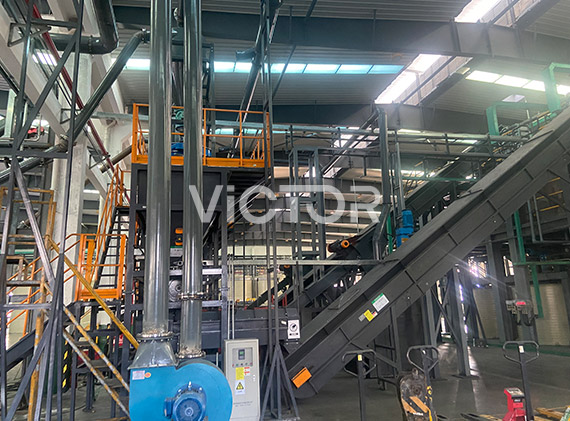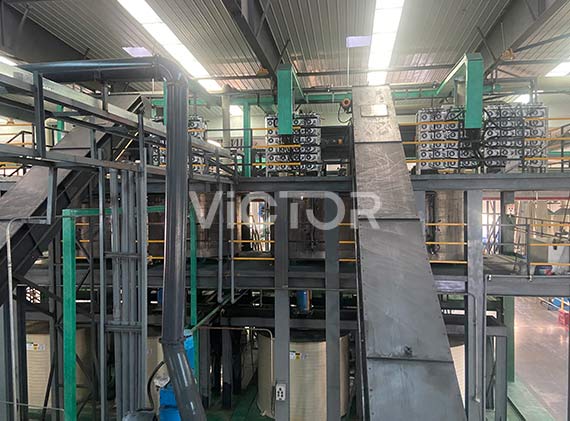



With the rapid development of the new energy vehicle industry, the first batches of lithium batteries are gradually reaching the end of their operational lifecycle. How to efficiently, safely, and environmentally responsibly process and recycle end-of-life lithium batteries, achieving resource recycling and environmental protection, has become a critical issue for the industry’s sustainable development. The recycling process for discarded lithium batteries is complex and meticulous, encompassing key stages such as collection, sorting, dismantling, discharging, crushing, separation, and extraction. Each step is critical, directly impacting not only resource recycling but also environmental protection and sustainable development. The following provides a detailed overview of effective recycling and processing for end-of-life lithium batteries.
End-of-life lithium batteries primarily originate from battery manufacturers, electric vehicles, energy storage facilities, 3C digital products, and the general consumer market. Digital product waste lithium batteries are predominantly found in computers, mobile phones, discarded electronics, power tools, and household appliances. This battery type exhibits scattered distribution and diverse models, necessitating dedicated recycling channels for collection. Battery manufacturers generate scrap materials and defective products during lithium battery production. These raw materials are relatively concentrated, facilitating easier recovery and separation. Scrap and defective products account for up to 30% of battery production output. Consequently, it represents a significant source for raw material recovery. Presently, with the rapid surge in new energy vehicles, power battery production has substantially increased, becoming the primary focus for lithium battery recycling. Energy storage batteries, meanwhile, require sourcing from base stations, signal towers, equipment rooms, and discarded shared power banks.
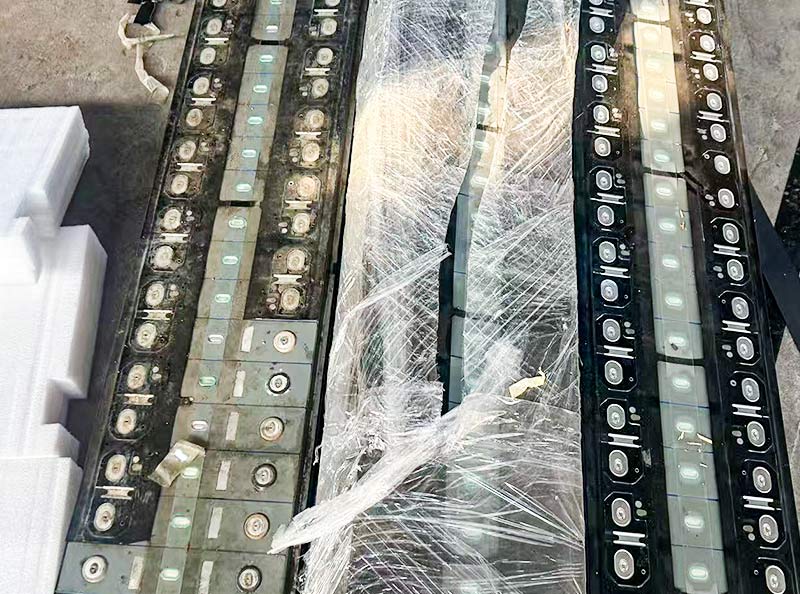
Sources and Collection of End-of-Life Lithium Batteries
After collection, discarded lithium batteries require sorting. Classification is primarily based on battery type, appearance, capacity, composition, and application. Based on lithium’s physical state, they can be categorised as: lithium metal batteries and lithium-ion batteries. By charge/discharge cycles, they are divided into: disposable lithium batteries and rechargeable lithium batteries. By appearance: cylindrical lithium batteries, prismatic, aluminium casing, pouch, plastic casing, etc. By electrode material: lithium iron phosphate batteries, ternary lithium batteries, lithium cobalt oxide batteries, etc. Different processing techniques are required for recycling various lithium battery types. Consequently, the initial sorting stage is paramount. Precise classification facilitates optimisation of subsequent recycling processes, thereby enhancing recovery efficiency.
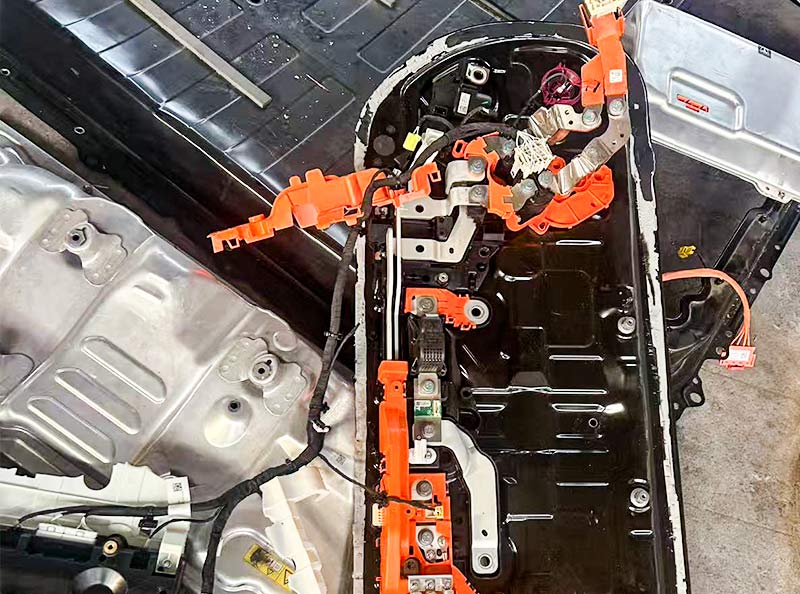
Sources and Classification of Waste Batteries
Disassembly constitutes the critical phase in waste lithium battery recycling. Pre-discharge treatment is essential to prevent short circuits and explosions during dismantling. Common discharge methods include: saltwater discharge, puncture discharge, and resistive discharge. For automotive battery packs, disassembly must first be performed to separate them into individual lithium battery cells. After discharging, the spent lithium batteries undergo physical mechanical crushing to facilitate subsequent recycling. Key equipment in lithium battery recycling machinery includes crushers, fine screening units, and gravity separators. The entire production line processes spent lithium batteries through crushing, pulverising, fine grinding, screening, gravity separation, and de-powdering. The waste lithium batteries are sorted into: Black Mass, copper granules, aluminium granules, and plastic. Magnetic separators isolate iron from the crushed battery materials. Air classification separates plastic separators from the battery materials. Dust generated throughout the process is managed via cooling, dust removal, spraying, mist separation, adsorption filtration, and high-altitude emission procedures. This facilitates compliant exhaust gas discharge.
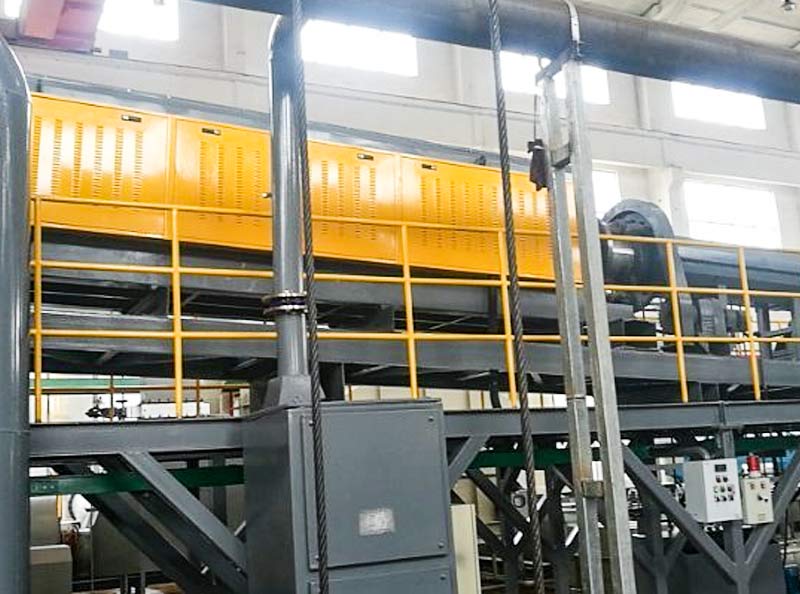
lithium battery recycling machine
Following hydrometallurgical extraction of Black Mass, the recovered metallic elements and organic compounds undergo further processing to achieve material regeneration. Key metals in lithium batteries include lithium, cobalt, nickel, copper, and aluminium, all possessing significant recycling value. These elements are refined through high-temperature smelting and hydrometallurgical extraction to produce high-purity metal products. Extracted metals may be reused in new battery material production or other industrial applications. Organic compounds undergo high-temperature decomposition into gaseous, solid, or liquid forms, ensuring complete breakdown of hazardous substances. Metals are isolated through hydrometallurgical separation.
In summary, the recycling of waste lithium batteries is a complex and meticulous process. It necessitates the integrated consideration of multiple stages and technologies. Through the synergistic operation of collection, sorting, dismantling, recovery, chemical processing, and material regeneration, lithium battery recycling machine can achieve the effective processing of waste lithium batteries and the circular utilisation of resources. Concurrently, it is essential to strengthen research and innovation into novel recycling technologies for waste lithium batteries. This will drive the standardisation and scaled development of the industry, contributing to environmental protection and sustainable development.
The URL for this article is: https://www.victorsmachine.com/faq/what-is-the-process-of-scrapping-lithium-batteries/ Please credit the source when reposting. Thank you.
We know how to get energy from waste. Let’s build better future for everyone, together !
Victor Machinery is a manufacturer of machinery and equipment. The main products are: shredder, crusher, carbonization furnace equipment, mining equipment, recycling machinery, etc.
Our ever-evolving offering for mining and construction covers crushing, screening, breaking, demolition, and service solutions – designed to increase productivity and boost your bottom line.
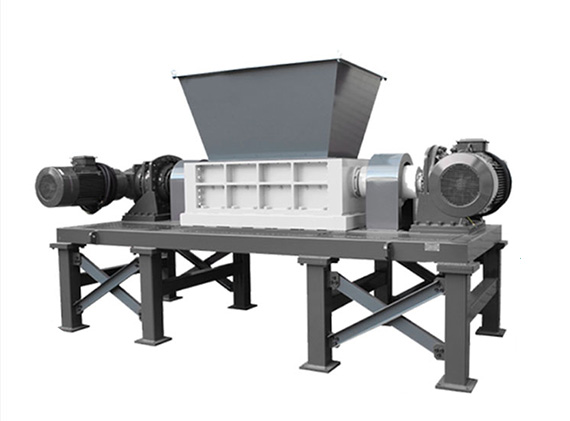 Double Shaft Shredder Machine
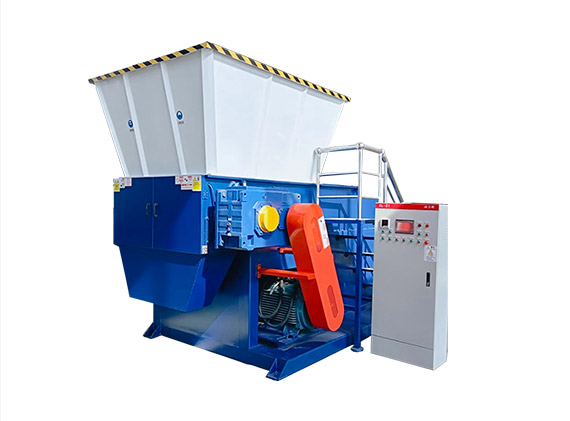 Single Shaft Shredder Machine
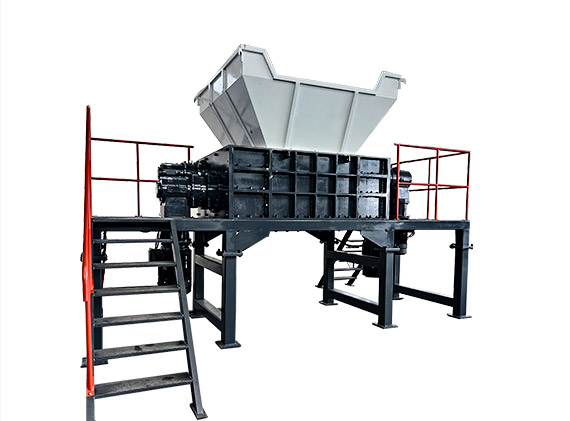 Four Shaft Shredder Machine
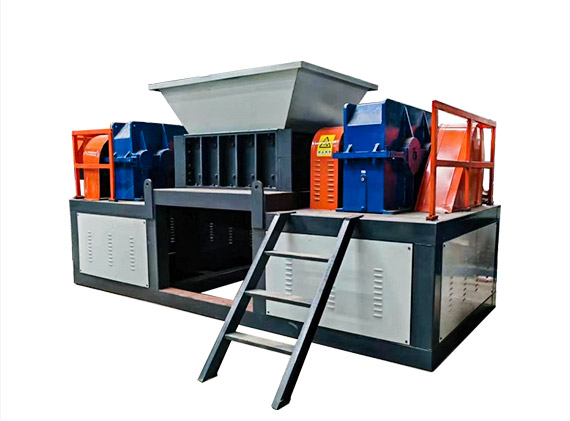 Tyre Shredder Machine
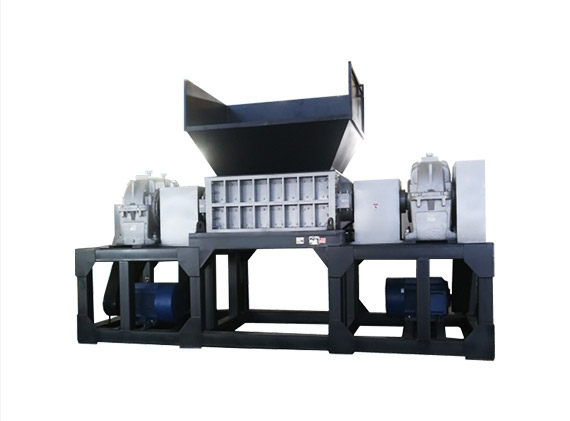 Metal Shredder Machine
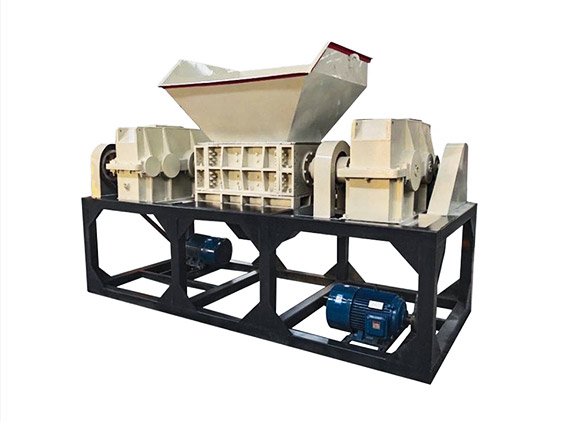 Wood Shredder Machine
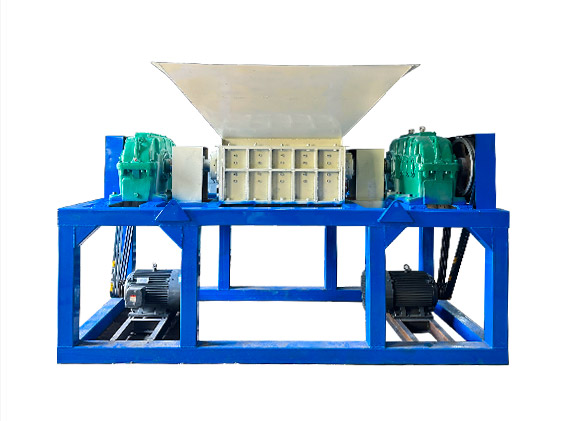 Plastic Shredder Machine
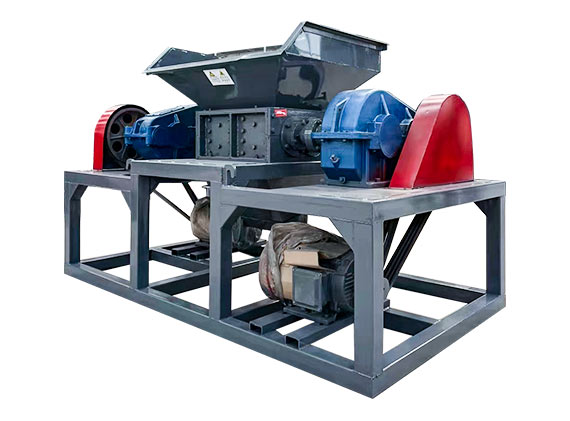 UBC Aluminum Can Shredder Machine
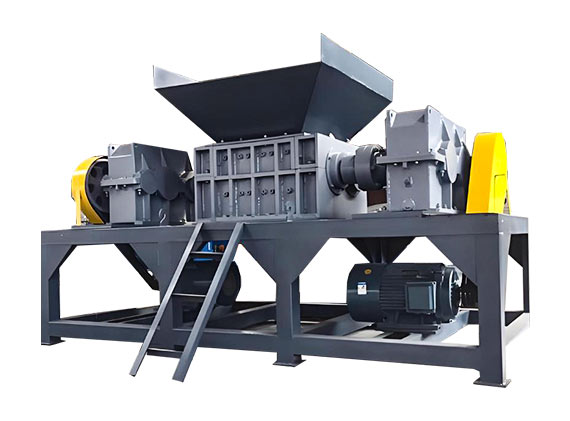 Lithium-ion Battery Shredder Machine
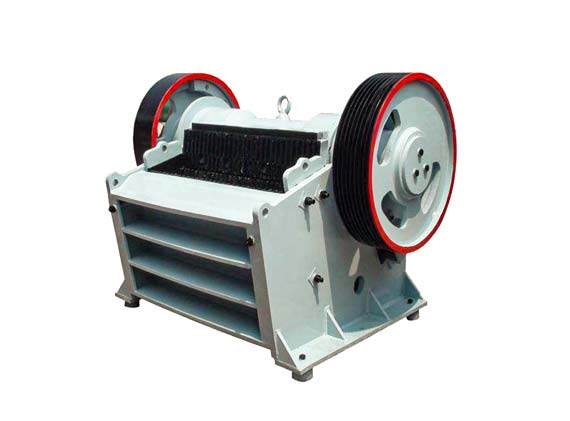 Mini Small Jaw Crusher
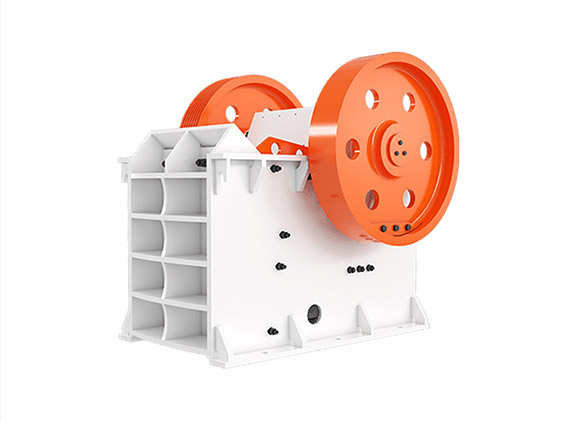 Jaw Crusher
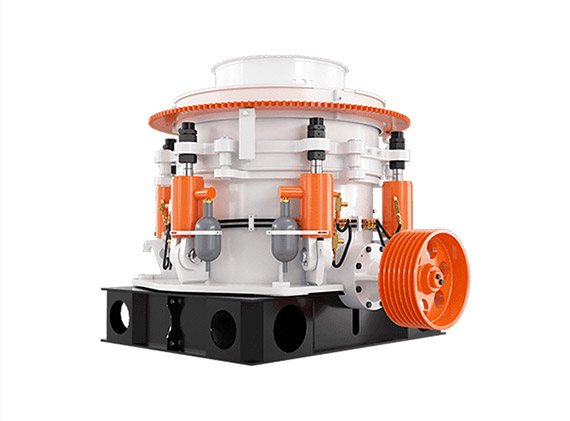 Cone Crusher
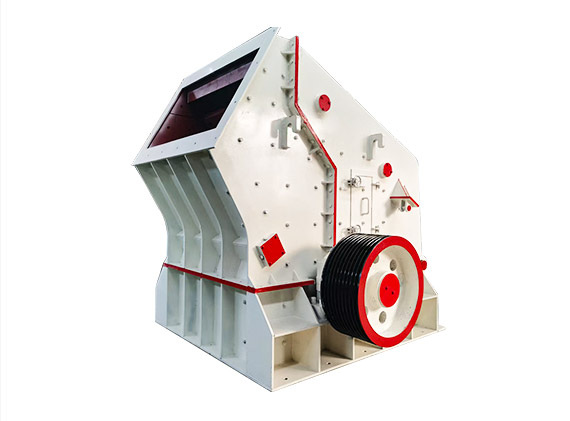 Impact Crusher
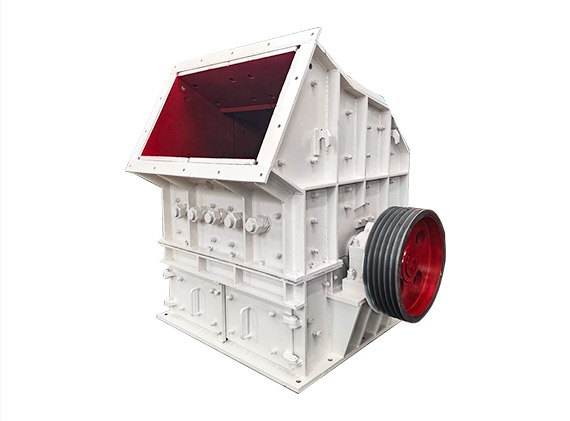 Hammer Crusher
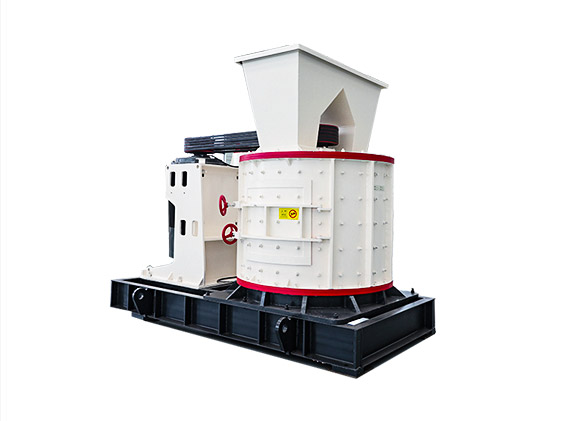 Impact Mill Crusher
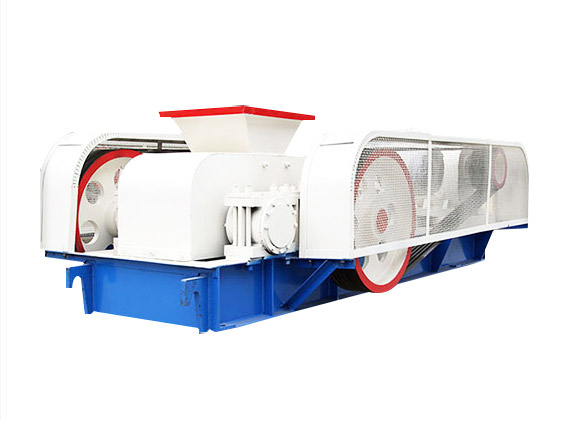 Roll Crusher
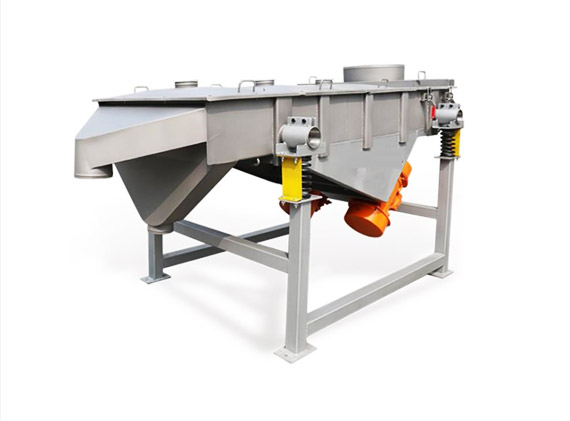 Linear Vibrating Screen Machine
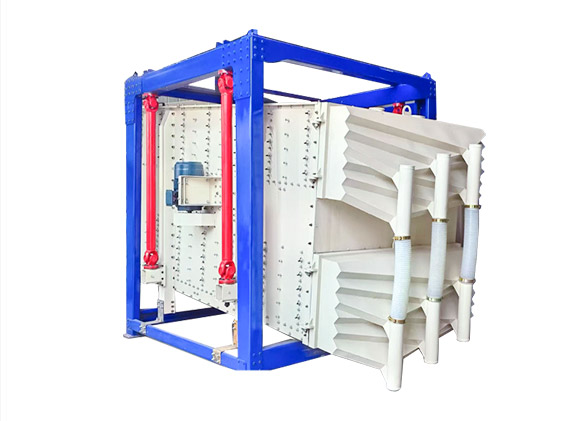 Swing Screen Machine
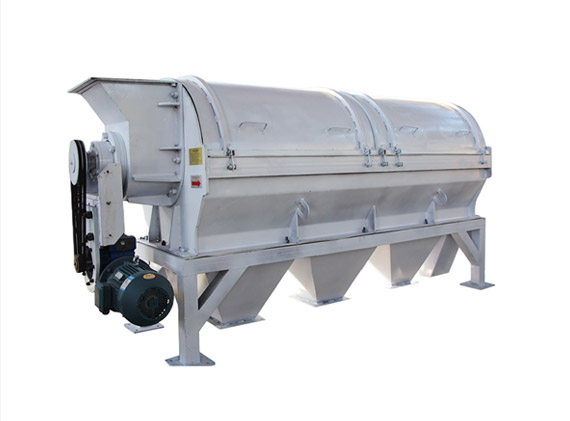 Tumbler Screen Machine
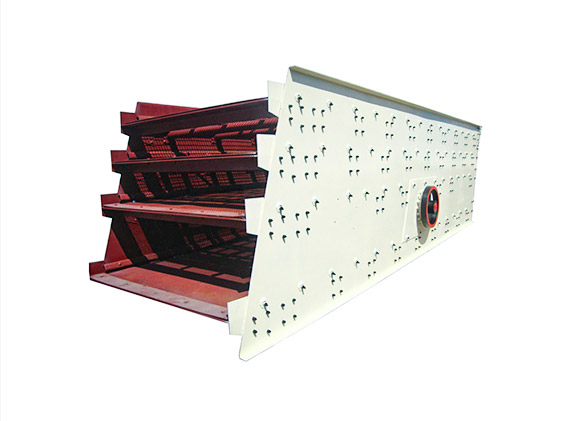 Circular Vibrating Screen
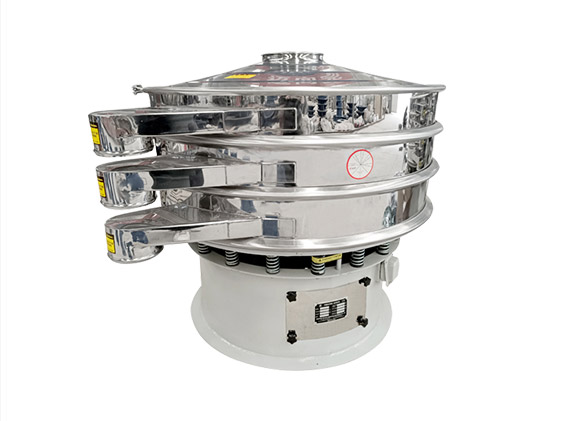 Cylindrical Rotary Vibrating Screen
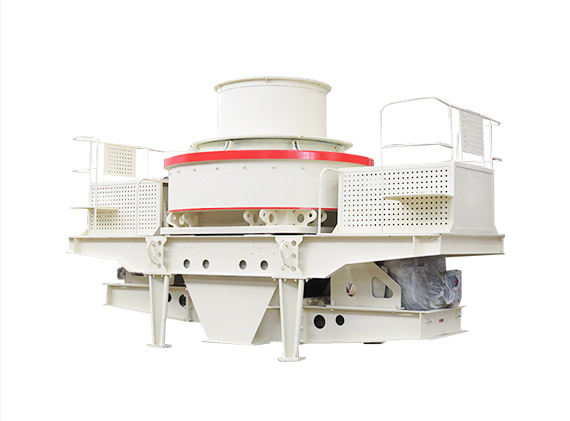 Sand Making Machine
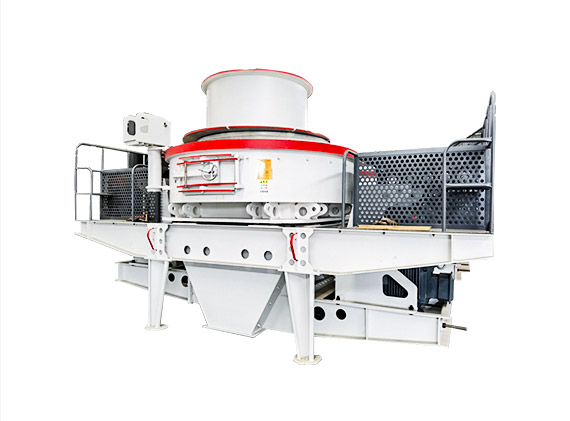 VSI Sand Making Machine
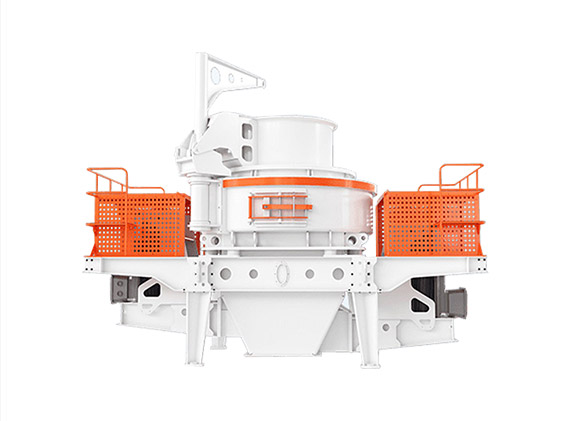 Impact Sand Making Machine
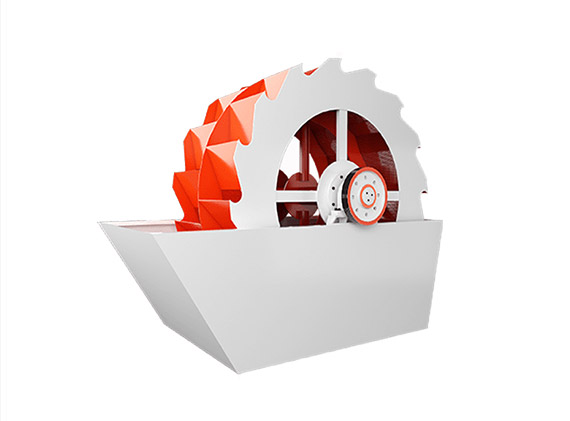 Sand Washing Machine
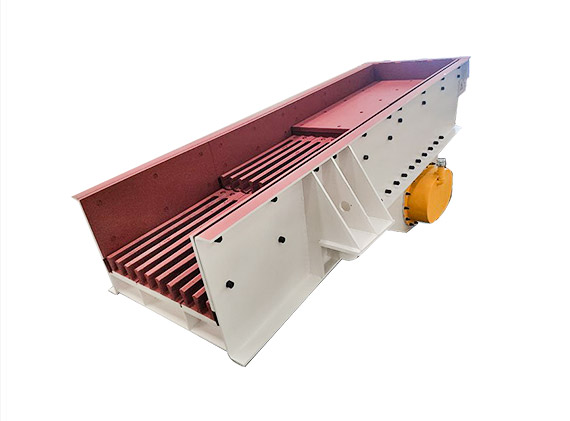 Vibrating Feeder
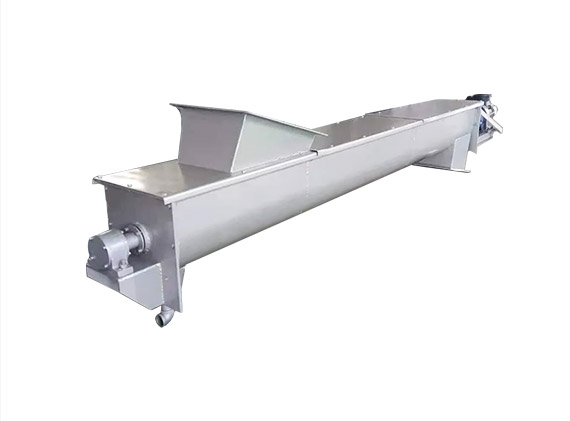 U-Shape Screw Reamer
 Belt Conveyor
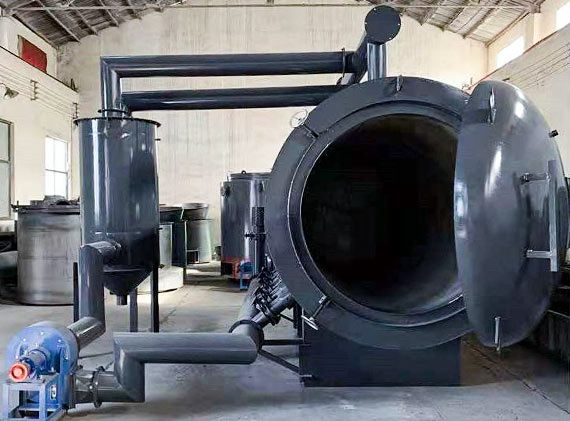 Horizontal Carbonization Furnace
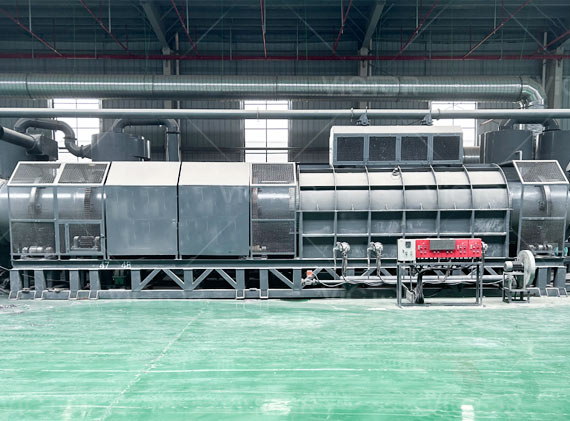 Wood Charcoal Carbonization Furnace
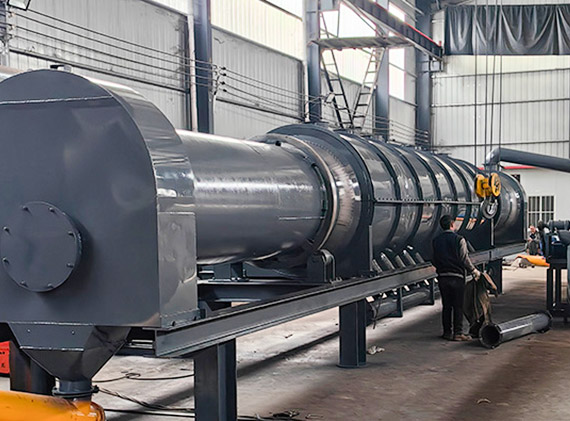 Waste Carbonization Furnace
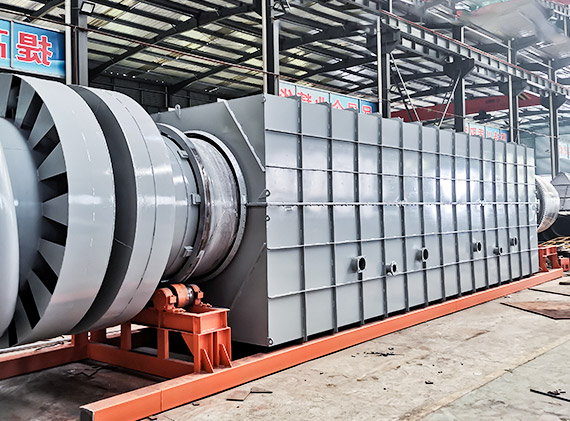 Sludge Continuous Carbonization Furnace
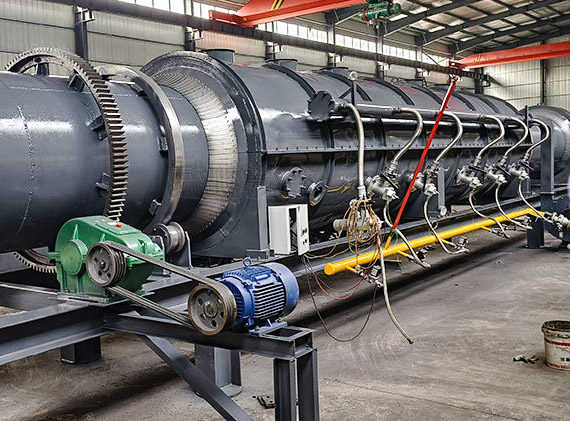 Biomass Carbonization Furnace
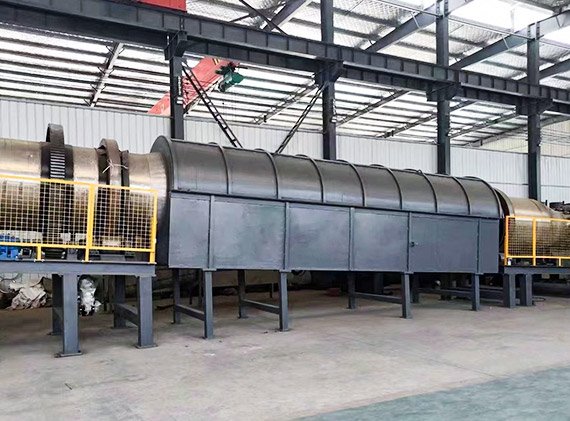 Coconut Shell Carbonization Furnace
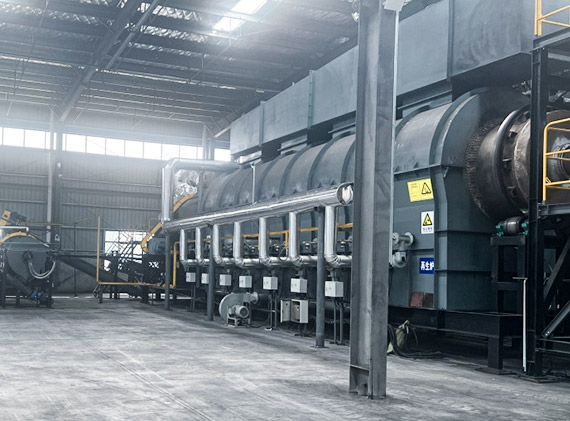 Continuous Carbonization Furnace
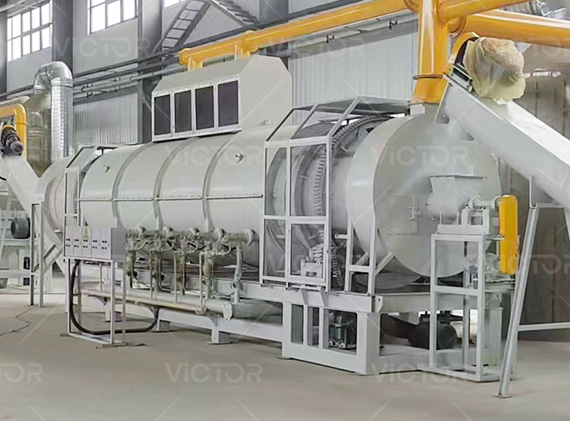 Biomass Pyrolysis Furnace
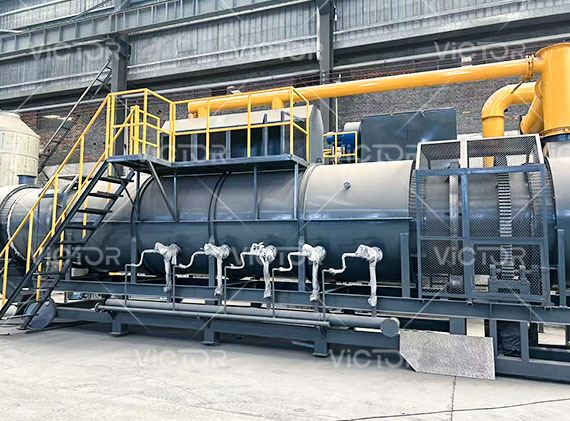 Lithium Battery Recycling Pyrolysis Furnace
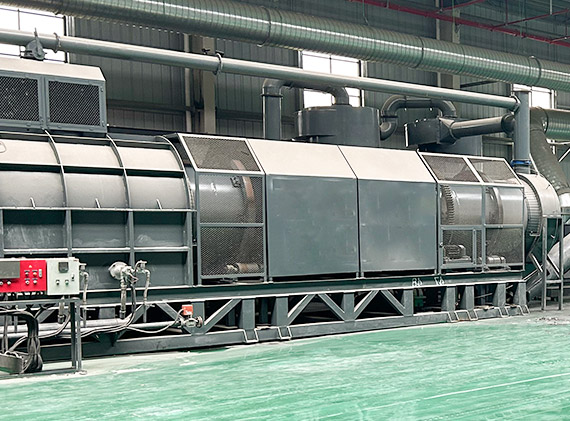 Solar PV Panel Recycling Pyrolysis Furnace
 PCB Recycling Pyrolysis Furnace
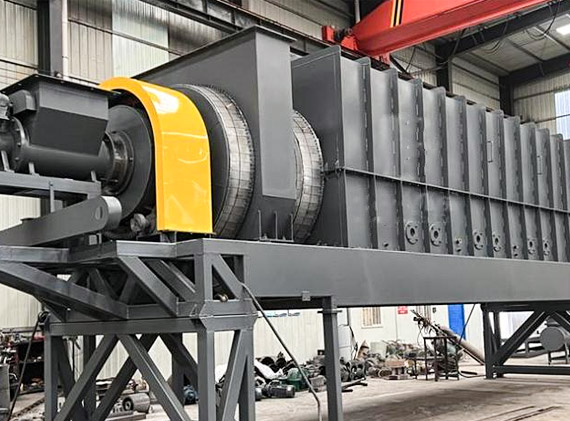 Carbonization Paint Removing Furnace
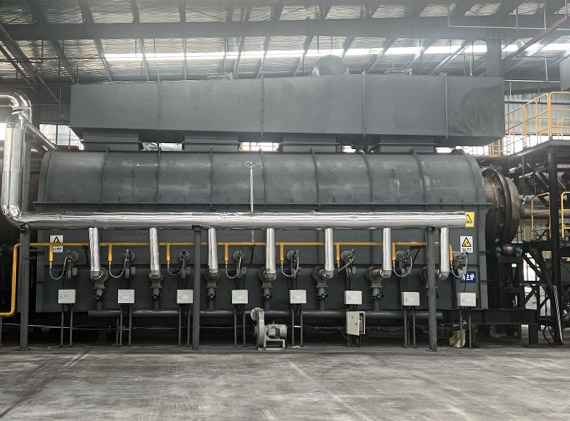 Capacitor Continuity Pyrolysis Furnace
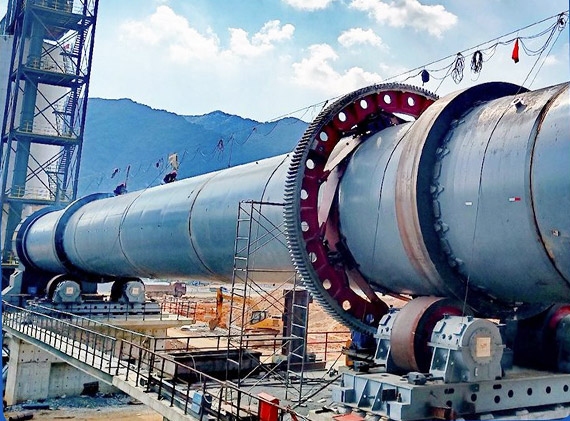 Rotary Kiln
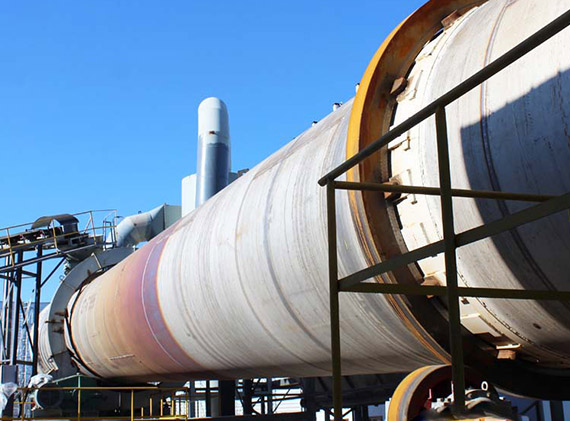 Waste Incineration Rotary Kiln
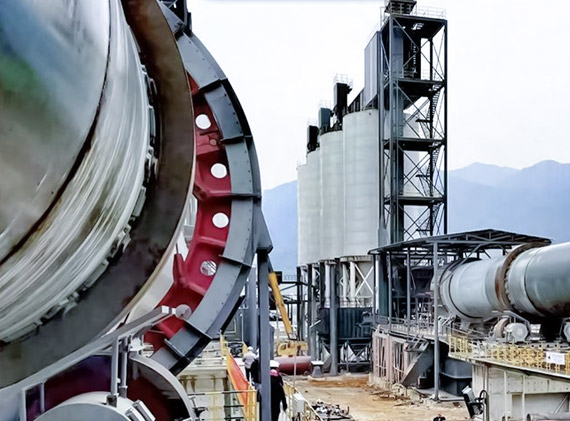 Metallurgical Rotary Kiln
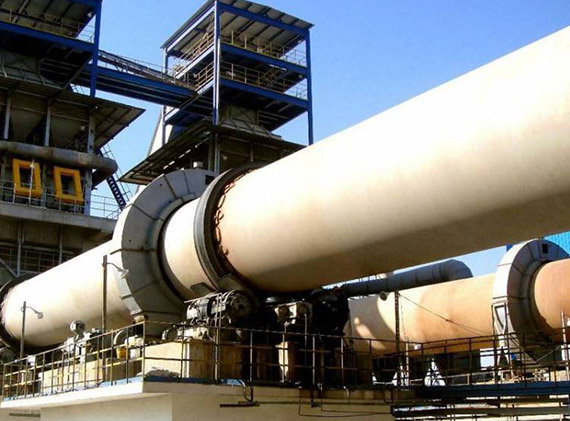 Cement Lime Rotary Kiln
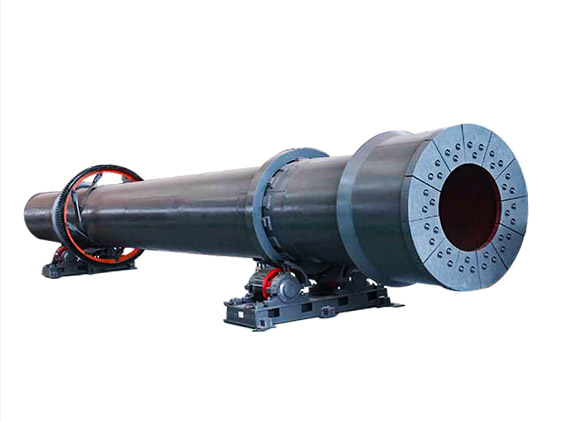 Rotary Drum Dryer Furnace
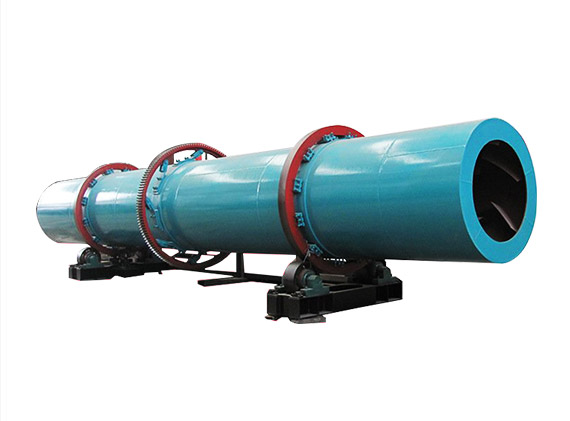 Drum Drying Dryer Furnace
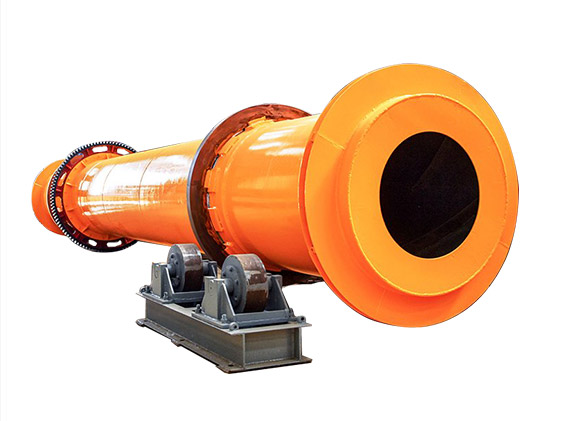 Industrial Dryer Furnace
 Lithium Battery Recycling Plant
 Solar Photovoltaic Panel Recycling Plant
 PCB Circuit Board Recycling Plant
 E Waste Recycling Plant
 Blog
Blog Company Blog
 Knowledge
 FAQ
FAQ