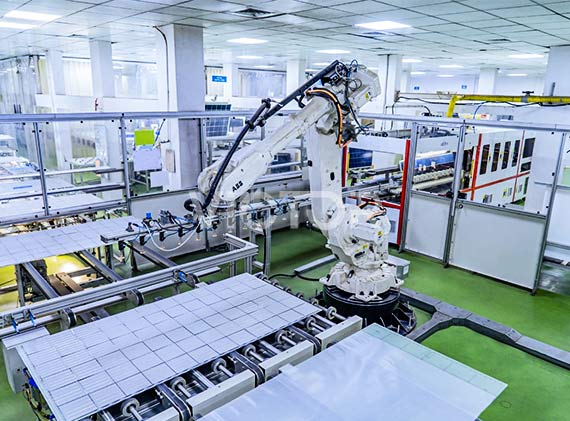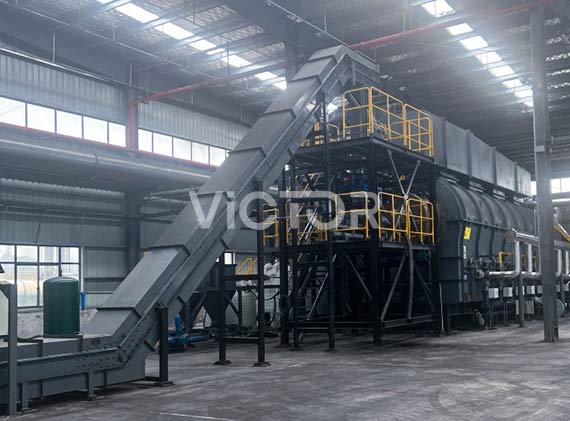



With the rapid advancement of the photovoltaic industry, the first generation of solar panels has now entered its end-of-life phase. The proper disposal of waste photovoltaic panels presents a significant challenge. Indiscriminate dumping not only pollutes the environment but also squanders valuable resources. Consequently, establishing an efficient and comprehensive recycling process for solar panels is crucial for the sector’s sustainable development. Discarded photovoltaic panels contain substantial recyclable resources, including aluminium, silicon, glass, and plastics. These materials constitute 60-70% of crystalline silicon panels, while aluminium frames command recycling prices exceeding several thousand dollars per tonne. Today we outline the comprehensive photovoltaic panel recycling chain, demonstrating how waste panels are transformed into valuable resources.
The recycling process begins with collecting discarded photovoltaic panels. These originate from diverse sources: Batches of modules from decommissioned large-scale solar farms. Additionally, residential rooftop panels exceeding 25 years of service. Production processes also yield defective units.
A fundamental principle during initial collection is ‘categorised sorting’. Recyclers conduct preliminary assessments, marking panels based on surface conditions—such as cracks or damage. Damaged panels, which may release toxic substances like cadmium or lead, require separate encapsulation. Transportation demands particular care. Specialised PV panel transport vehicles are fitted with anti-slip cushioning mats. Each panel is separated by foam padding to prevent glass breakage and hazardous substance leakage during transit. Transport routes must also avoid residential areas and water sources to ensure complete safety throughout the journey.
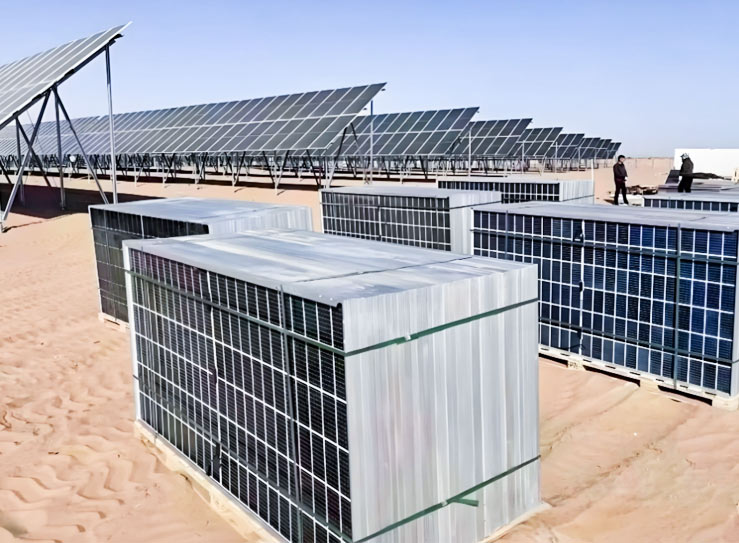
Solar Panel Collection and Transportation
Upon arrival at solar panel recycling facilities, workers conduct visual inspections and preliminary assessments. Crystalline silicon panels are separated from thin-film panels. Crystalline silicon panels contain silicon wafers at their core, while thin-film panels may incorporate materials like cadmium and lead, necessitating distinct processing methods. Single-glass and double-glass panels are also categorised.
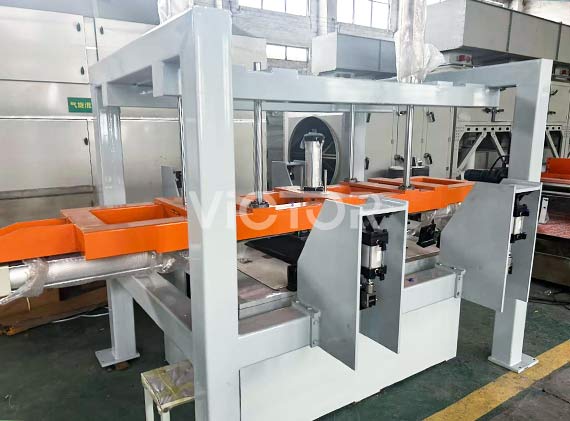
The subsequent dismantling phase commences. Most large-scale recycling plants employ automated solar panel frame removal machines to strip aluminium frames, completing the process within 30-40 seconds. Manual frame removal proves inefficient. Should adhesive residue remain on aluminium frames, a de-gluing device may be employed for secondary cleaning, thereby reducing complications in subsequent processing and recycling.
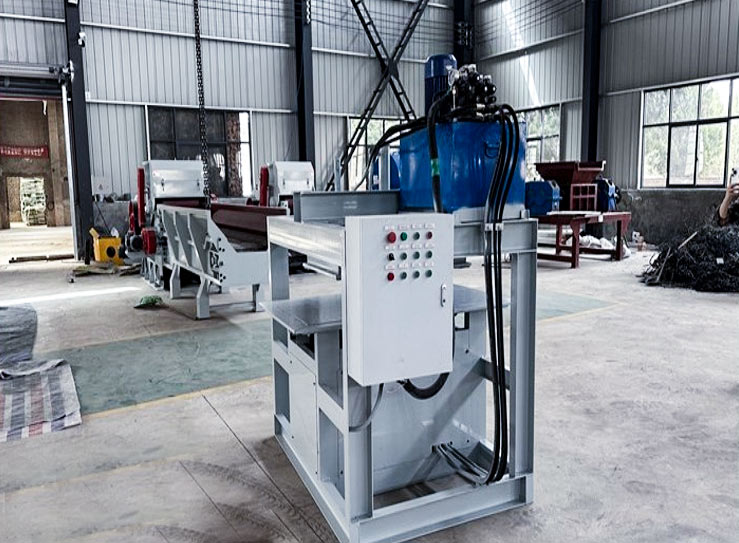
solar panel frame removal machines
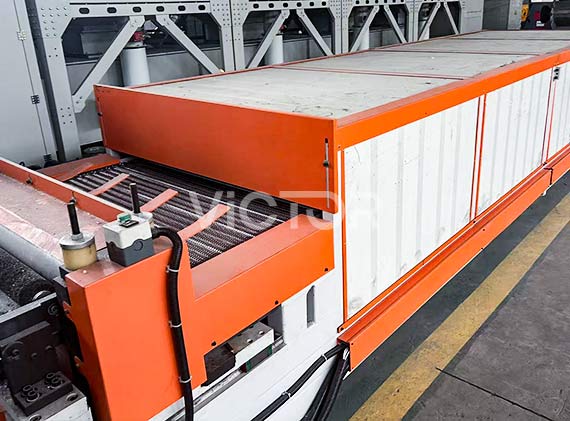
The main body of photovoltaic panels after frame removal. For single-glass panels, a solar panel glass removal machine is required. First, preheat the panels to gradually decompose the EVA adhesive and separate the solar cells. Then, use blades to effectively peel off the surface glass layer. The remaining material consists of solar cells. Next, feed the backsheet into a shredder to reduce it to 3-5cm fragments. Subsequently, a pulveriser reduces the panels into particles smaller than 5mm. Leveraging density differences between materials, air-flow separation and gravity separation are employed. Lightweight glass particles are blown into designated areas, while heavier metals and silicon material are separated. The pulverised metal particles first pass through a magnetic separator to extract iron-containing components. A density separator then uses gravity-based density sorting to isolate copper and other mixed powders. Subsequent conventional sorting employs conductivity differences to separate non-magnetic metals like aluminium and copper. Copper and silver electrodes from solar PV panels achieve 99.5% purity after refinement, rendering them fully reusable in electronic component manufacturing. Residual silicon powder undergoes further chemical processing to remove impurities, producing silicon powder suitable for low-purity silicon products or high-temperature remelting.
In summary, through a series of automated identification, intelligent disassembly, crushing, and multi-stage sorting by solar panel recycling machine, the solar recycling process transforms end-of-life photovoltaic panels into valuable resources. This establishes a complete chain from dismantling to regeneration. Should you require further details, please do not hesitate to contact us.
The URL for this article is: https://www.victorsmachine.com/faq/what-is-the-process-of-recycling-solar-panels/ Please credit the source when reposting. Thank you.
We know how to get energy from waste. Let’s build better future for everyone, together !
Victor Machinery is a manufacturer of machinery and equipment. The main products are: shredder, crusher, carbonization furnace equipment, mining equipment, recycling machinery, etc.
Our ever-evolving offering for mining and construction covers crushing, screening, breaking, demolition, and service solutions – designed to increase productivity and boost your bottom line.
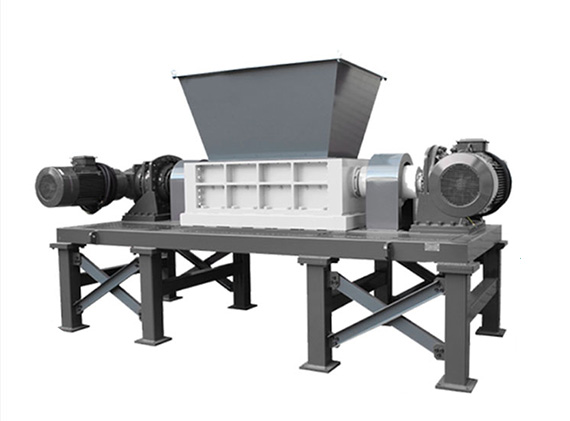 Double Shaft Shredder Machine
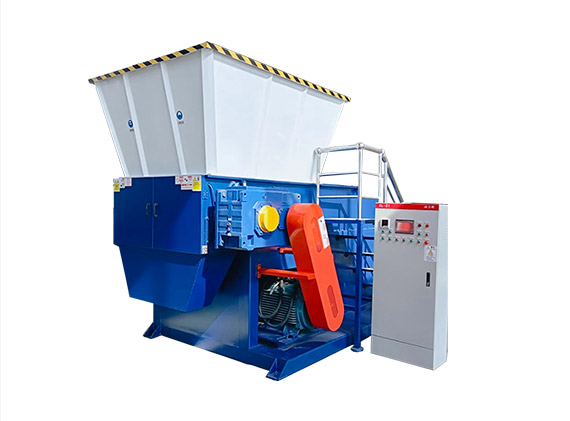 Single Shaft Shredder Machine
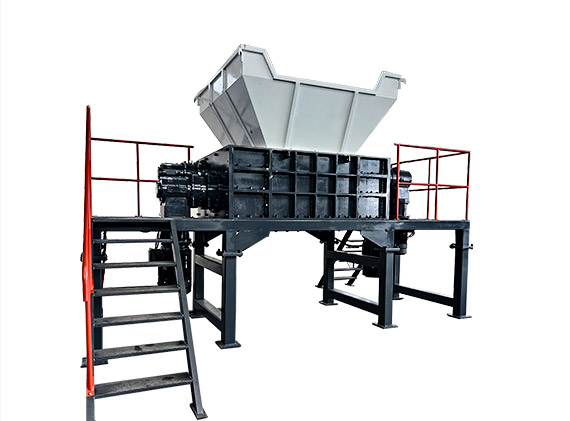 Four Shaft Shredder Machine
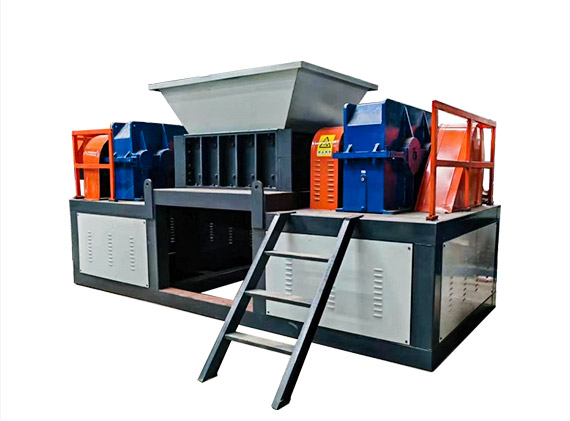 Tyre Shredder Machine
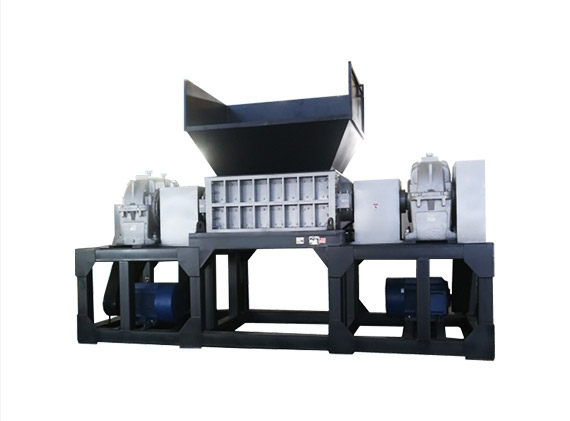 Metal Shredder Machine
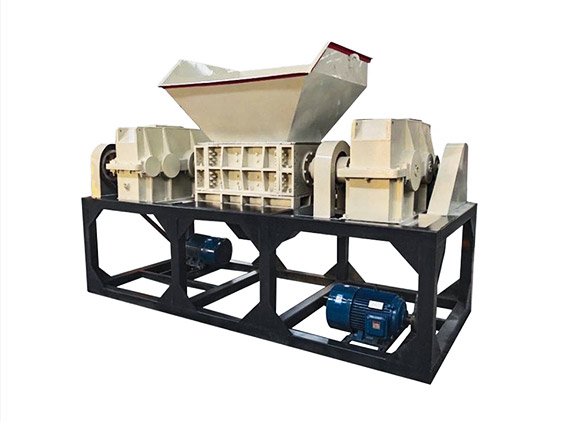 Wood Shredder Machine
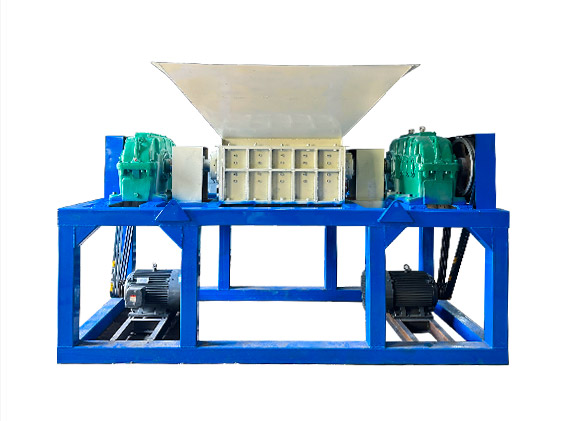 Plastic Shredder Machine
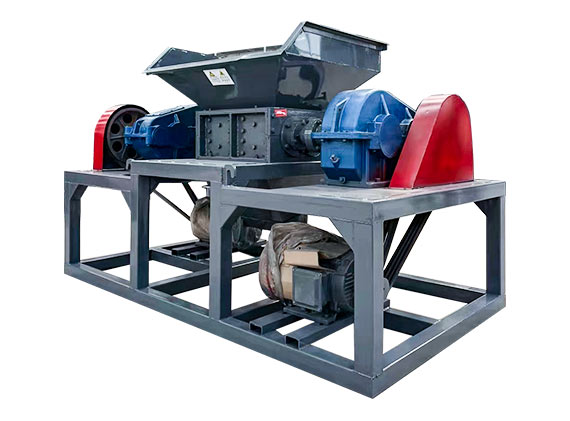 UBC Aluminum Can Shredder Machine
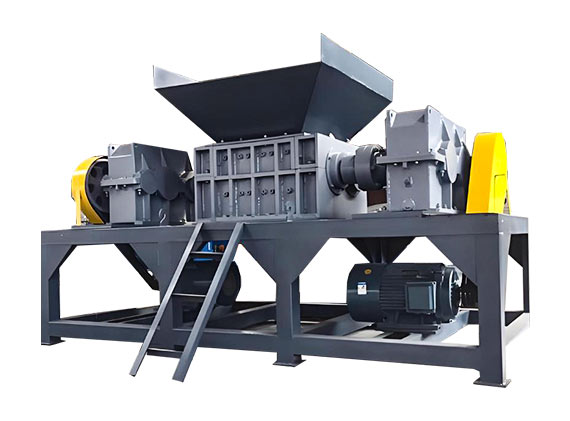 Lithium-ion Battery Shredder Machine
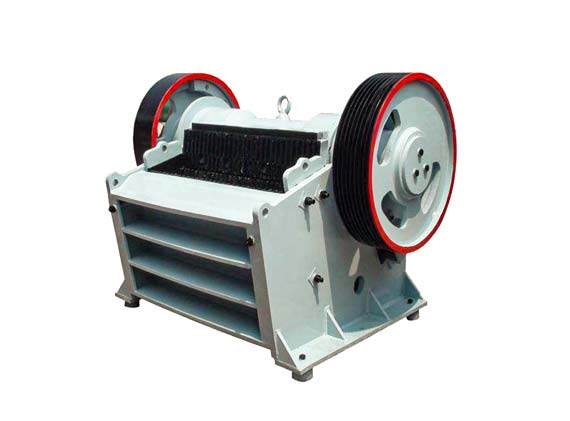 Mini Small Jaw Crusher
 Jaw Crusher
 Cone Crusher
 Impact Crusher
 Hammer Crusher
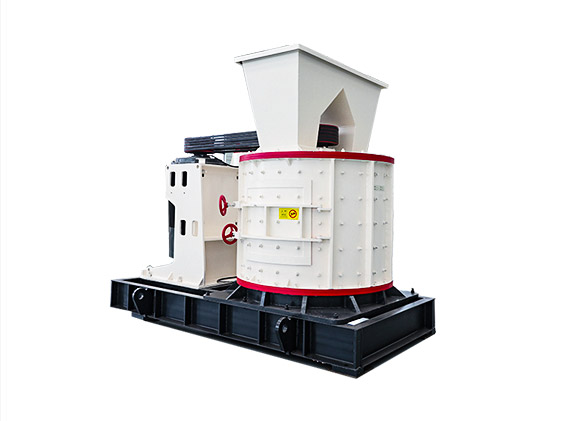 Impact Mill Crusher
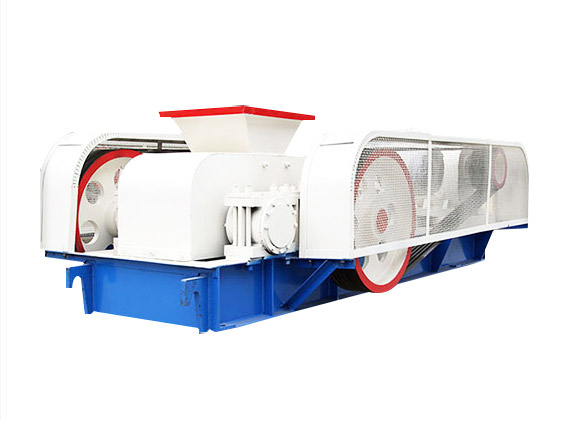 Roll Crusher
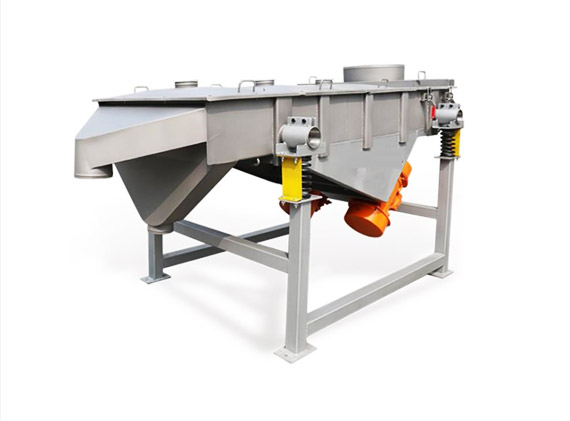 Linear Vibrating Screen Machine
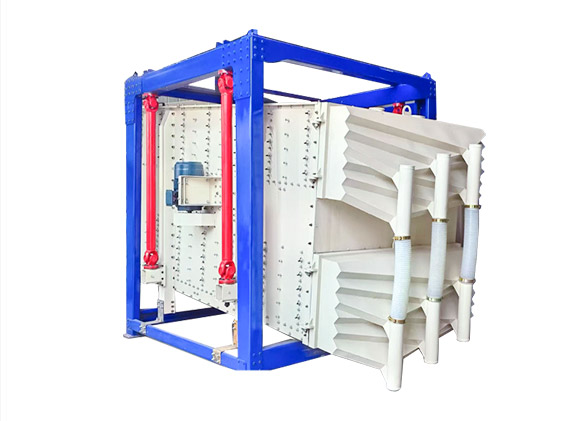 Swing Screen Machine
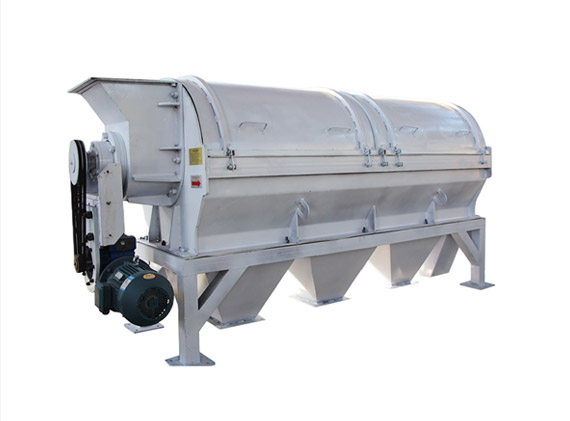 Tumbler Screen Machine
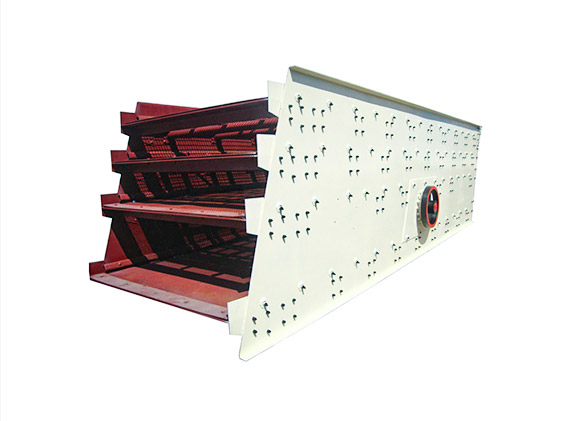 Circular Vibrating Screen
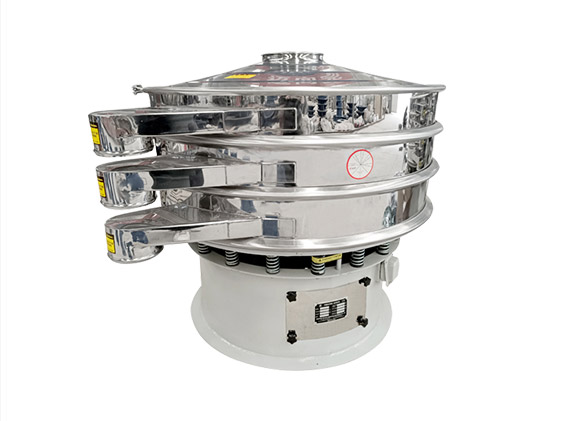 Cylindrical Rotary Vibrating Screen
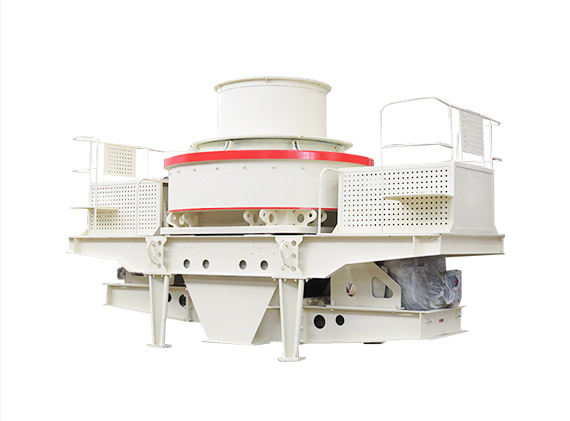 Sand Making Machine
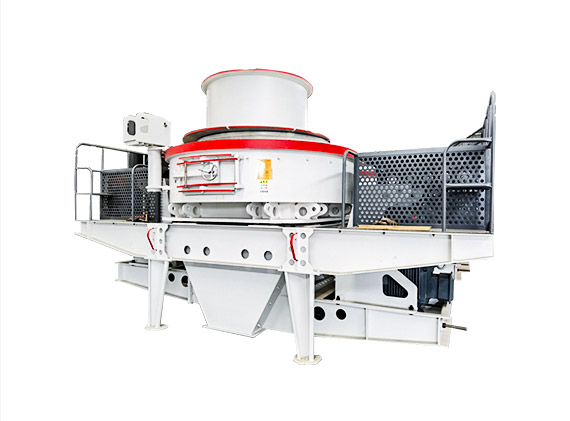 VSI Sand Making Machine
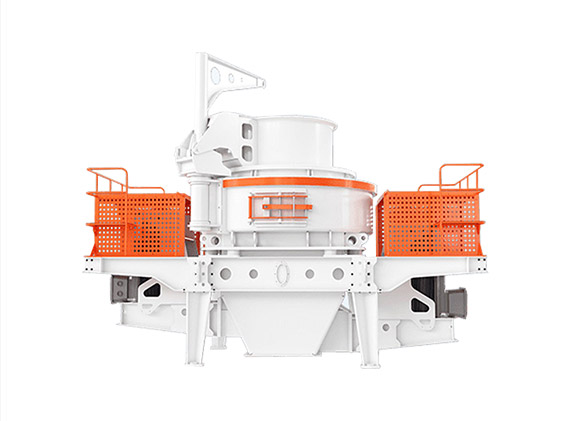 Impact Sand Making Machine
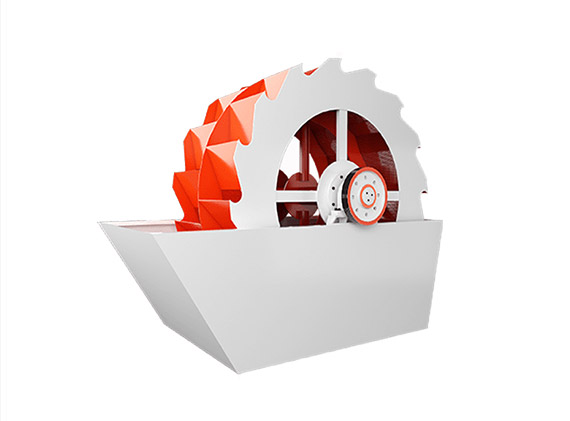 Sand Washing Machine
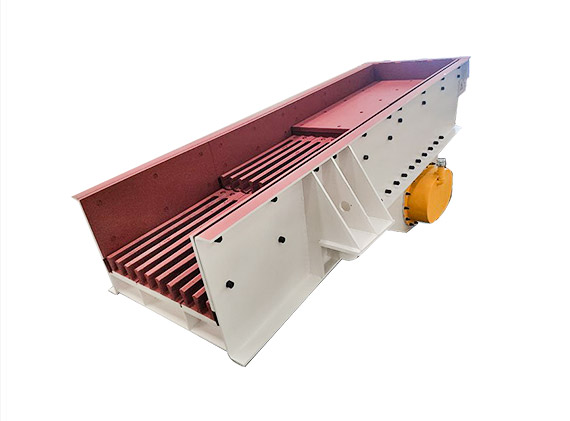 Vibrating Feeder
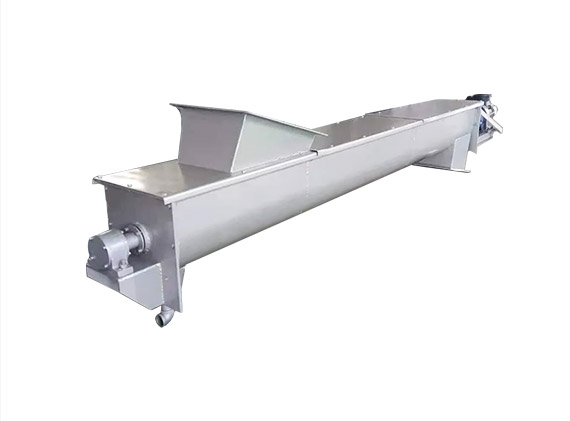 U-Shape Screw Reamer
 Belt Conveyor
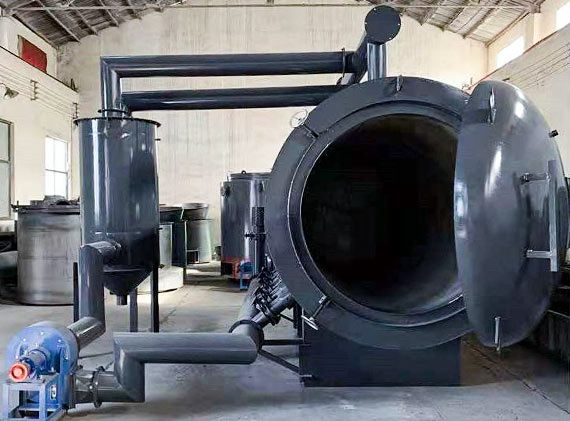 Horizontal Carbonization Furnace
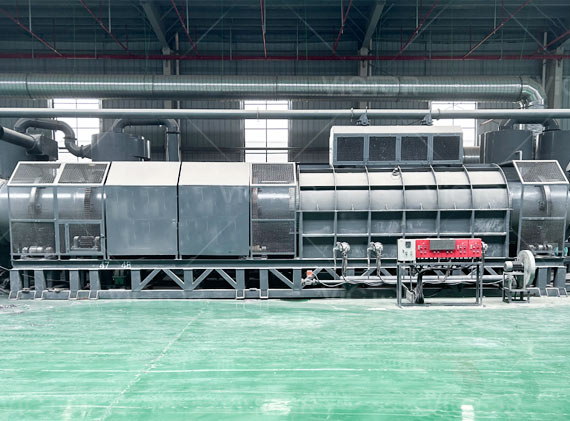 Wood Charcoal Carbonization Furnace
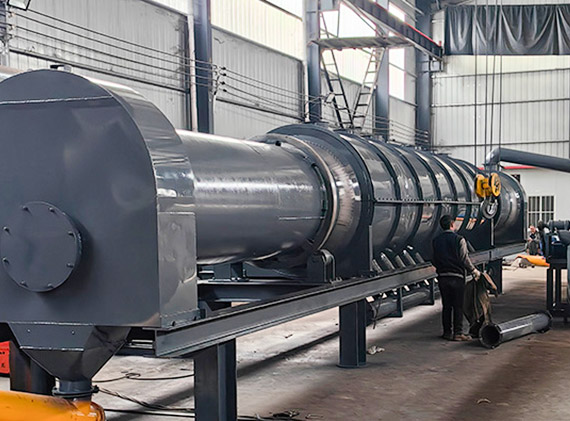 Waste Carbonization Furnace
 Sludge Continuous Carbonization Furnace
 Biomass Carbonization Furnace
 Coconut Shell Carbonization Furnace
 Continuous Carbonization Furnace
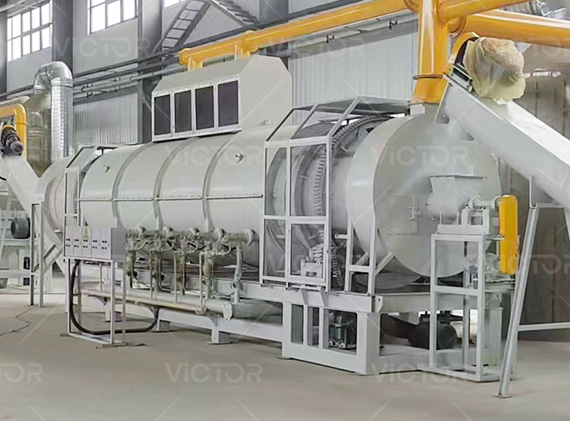 Biomass Pyrolysis Furnace
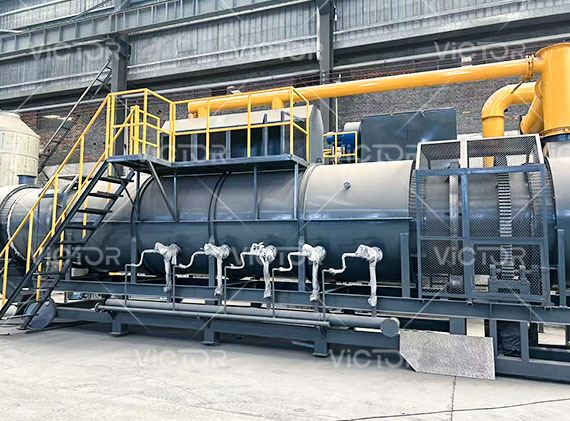 Lithium Battery Recycling Pyrolysis Furnace
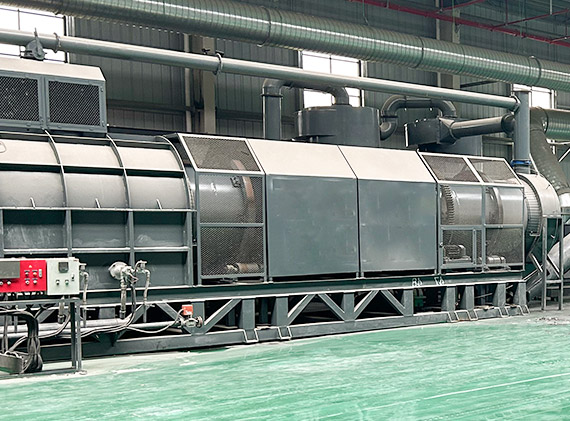 Solar PV Panel Recycling Pyrolysis Furnace
 PCB Recycling Pyrolysis Furnace
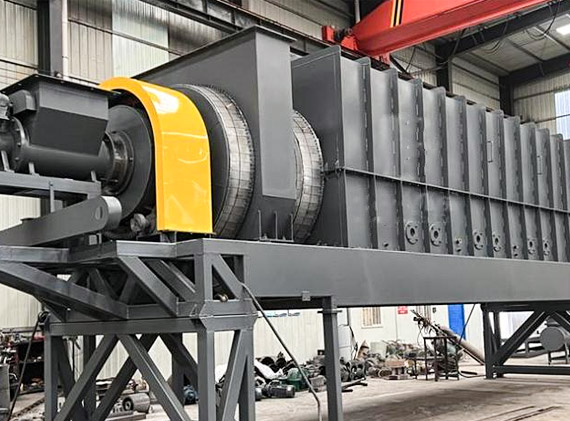 Carbonization Paint Removing Furnace
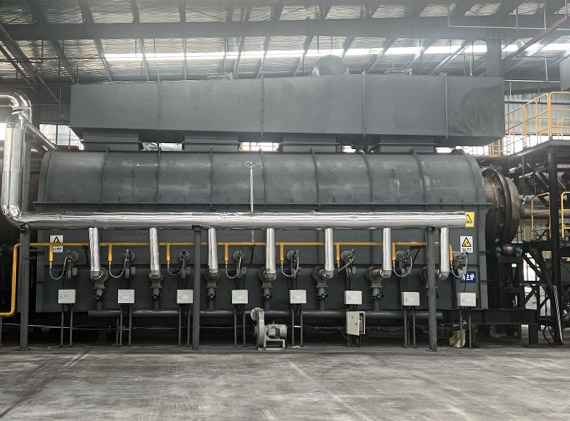 Capacitor Continuity Pyrolysis Furnace
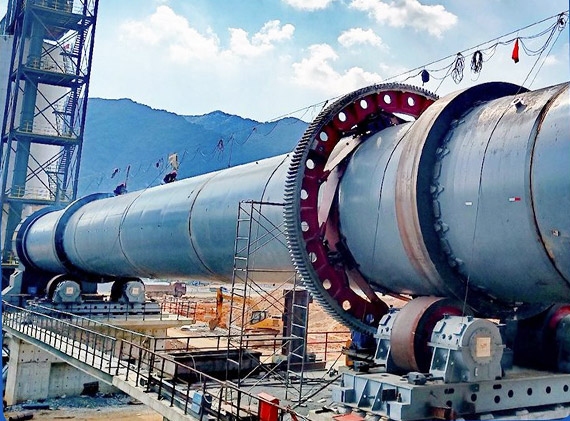 Rotary Kiln
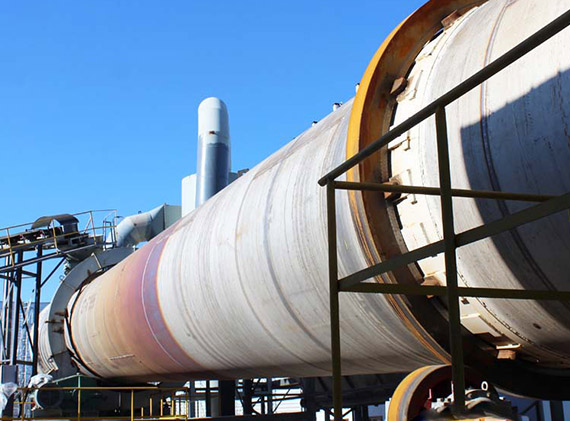 Waste Incineration Rotary Kiln
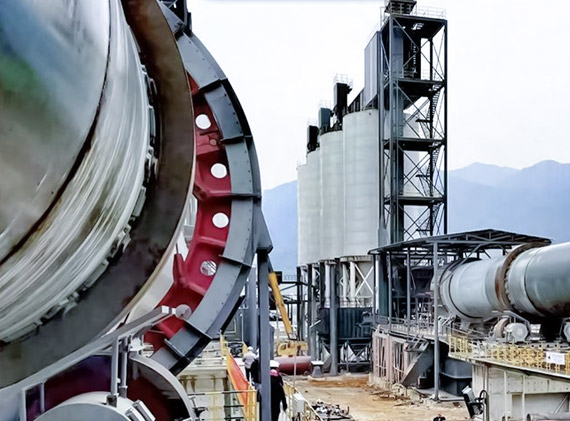 Metallurgical Rotary Kiln
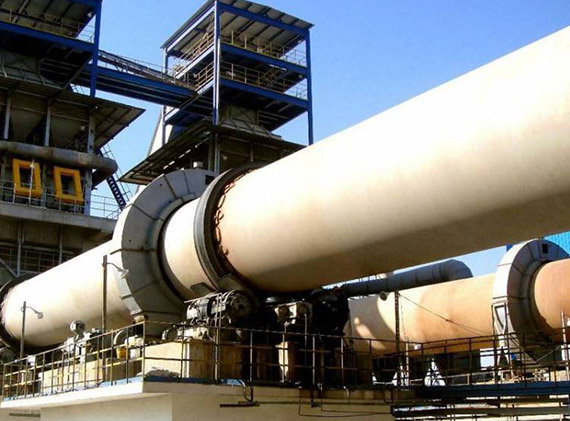 Cement Lime Rotary Kiln
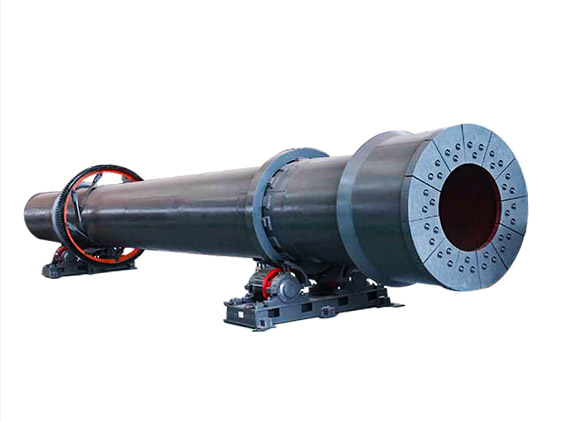 Rotary Drum Dryer Furnace
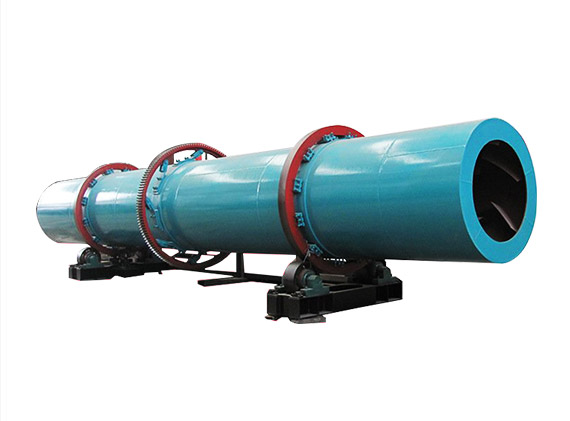 Drum Drying Dryer Furnace
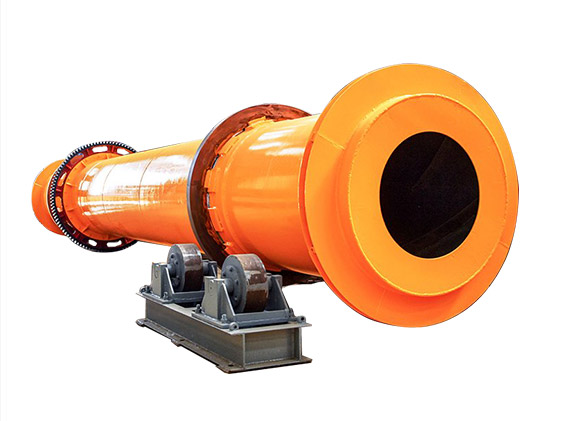 Industrial Dryer Furnace
 Lithium Battery Recycling Plant
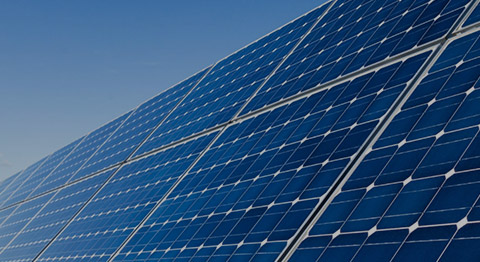 Solar Photovoltaic Panel Recycling Plant
 PCB Circuit Board Recycling Plant
 E Waste Recycling Plant
 Blog
Blog Company Blog
 Knowledge
 FAQ
FAQ