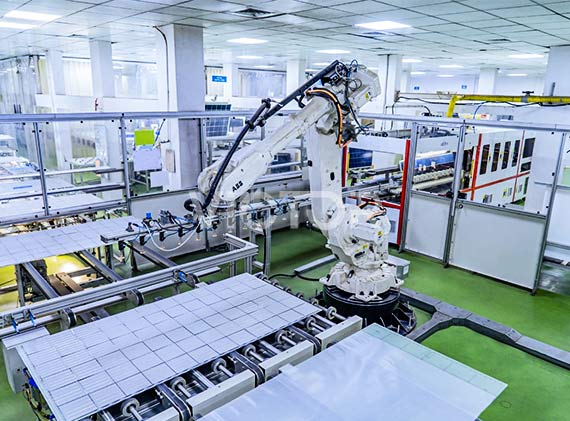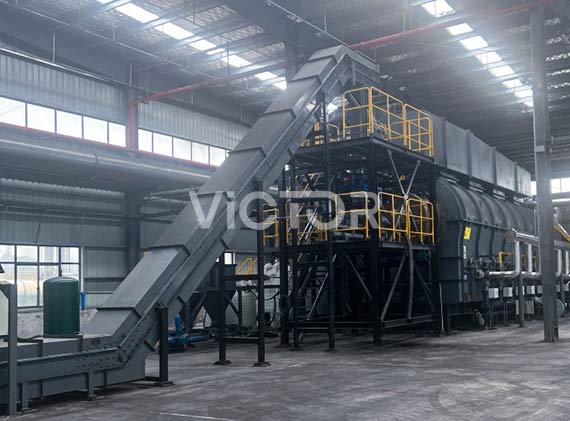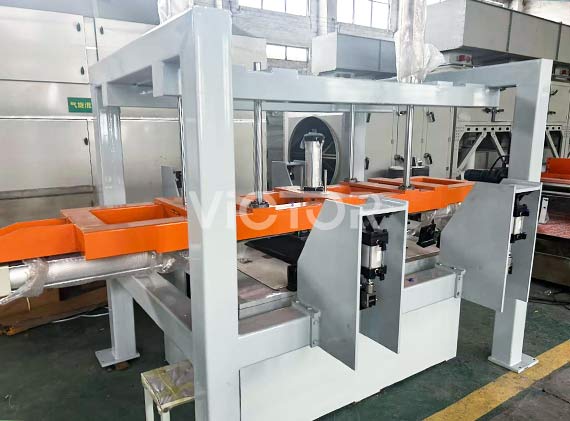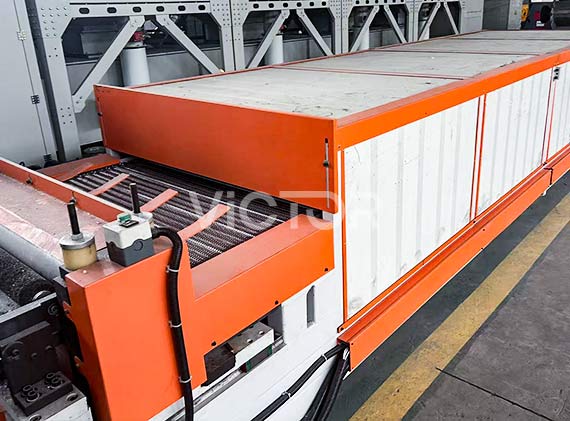



With the rapid expansion of the global photovoltaic industry, the retirement cycle for solar PV modules is gradually approaching. According to industry media statistics, each 250W polycrystalline silicon module has a lifespan of 25 years. This will generate over one million tonnes of photovoltaic panels awaiting recycling annually. Utilising solar panel recycling machine to dismantle and recover these solar components enables resource recovery and reuse. The discarded photovoltaic panels can be recycled and reused as resources. Failure to process these decommissioned modules not only wastes valuable resources such as silicon and silver but also releases heavy metal pollutants like lead and cadmium, posing threats to soil and groundwater environments. This approach reduces heavy metal pollution while preventing resource wastage.
The structural characteristics of solar photovoltaic panel assemblies determine their recycling value. Mainstream crystalline silicon modules comprise glass, silicon wafers, EVA backsheets, junction boxes, and aluminium frames. Glass can be directly recycled for new assembly production. Significant variations exist across different panel types. Novel modules like perovskite, featuring organic-inorganic composite structures, currently face immature recycling technologies that complicate material separation. Silicon wafers constitute approximately 30% of the entire solar panel. The silicon wafers represent the core recyclable value. The EVA film softens and bonds under high-temperature pyrolysis. The wafer surface is coated with a passivation layer. Direct physical crushing would cause crystal damage, necessitating specialised tools to separate cells along their inter-cell gaps.
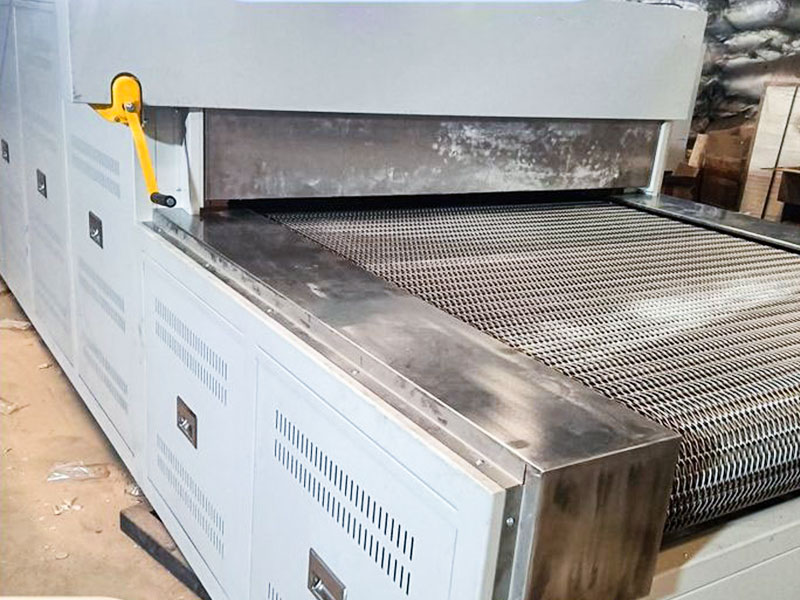
solar panel pyrolysis recycling machine
Solar panel recycling machinery typically employs physical crushing combined with dry sorting processes and high-temperature pyrolysis. Technological breakthroughs within the recycling supply chain are crucial. Current physical recycling techniques achieve over 90% material separation. However, high-purity silicon material purification processes still face numerous bottlenecks. For recovering high-purity wafers, the most ideal process involves high-temperature calcination pyrolysis. First, dismantling equipment removes the aluminium frames and junction boxes from solar panels. Subsequently, a high-temperature solar panel pyrolysis recycling machine is used for thermal decomposition. This thermally decomposes the EVA adhesive, completely breaking down the solder ribbons, wafers, and glass. Subsequent stages, including gravity separation and vibrating screen sorting, then isolate: glass, intact silicon wafers, solder ribbons, and other impurities.
As photovoltaic panel recycling technology undergoes accelerated iteration, future waste photovoltaic modules will achieve over 95% material recovery. This will propel the photovoltaic industry’s transition from energy production towards a circular economy, genuinely realising green and low-carbon development objectives. Should you wish to learn more about solar photovoltaic panel recycling machinery, please do not hesitate to contact us.
The URL for this article is: https://www.victorsmachine.com/faq/recycling-silicon-from-solar-panels/ Please credit the source when reposting. Thank you.
We know how to get energy from waste. Let’s build better future for everyone, together !
Victor Machinery is a manufacturer of machinery and equipment. The main products are: shredder, crusher, carbonization furnace equipment, mining equipment, recycling machinery, etc.
Our ever-evolving offering for mining and construction covers crushing, screening, breaking, demolition, and service solutions – designed to increase productivity and boost your bottom line.
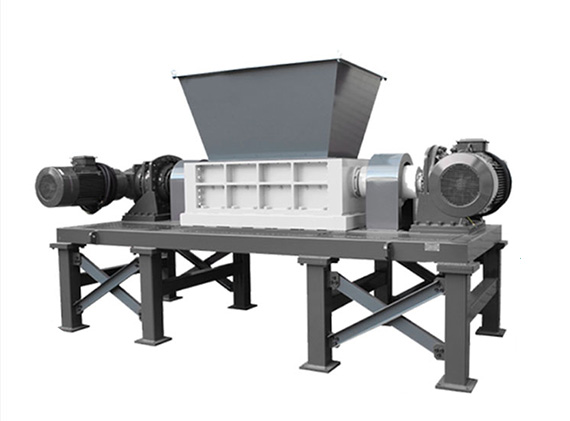 Double Shaft Shredder Machine
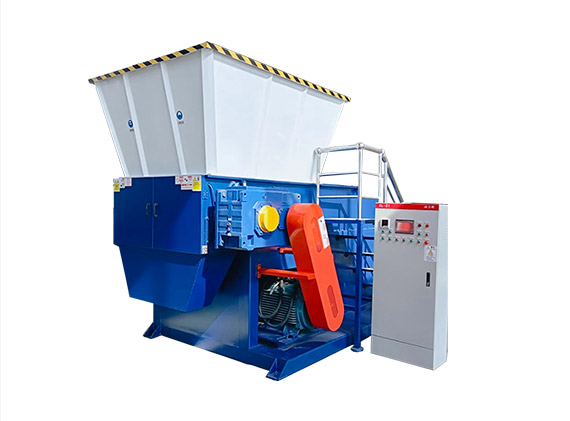 Single Shaft Shredder Machine
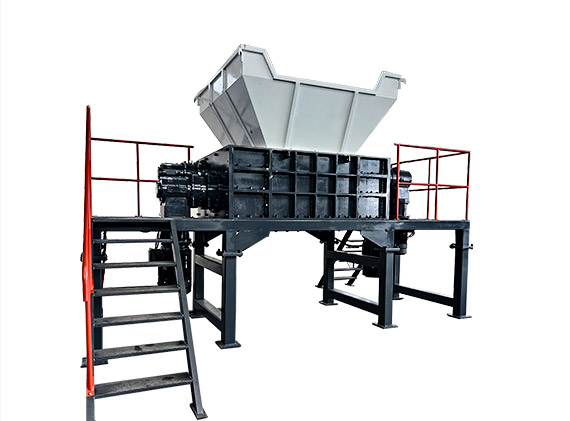 Four Shaft Shredder Machine
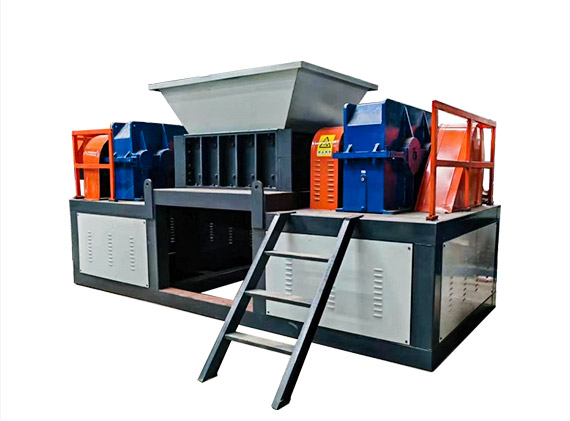 Tyre Shredder Machine
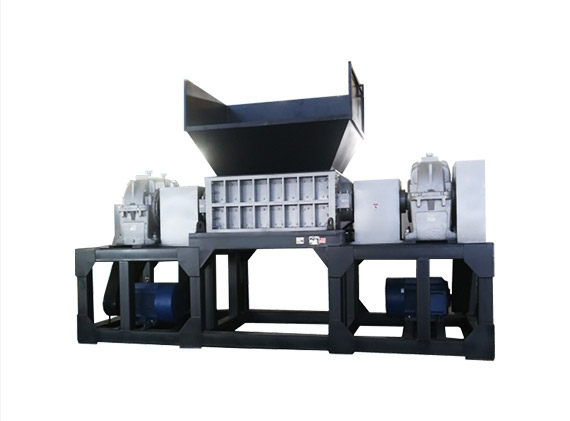 Metal Shredder Machine
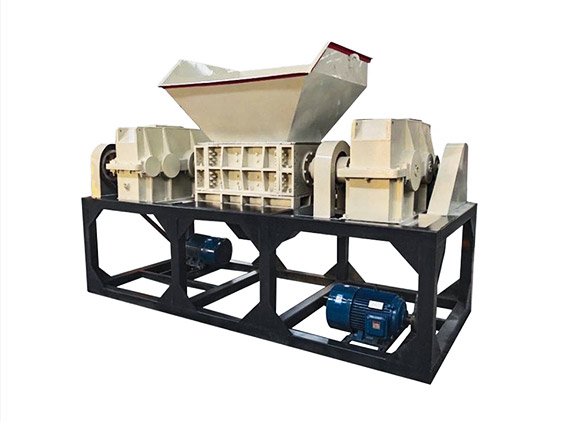 Wood Shredder Machine
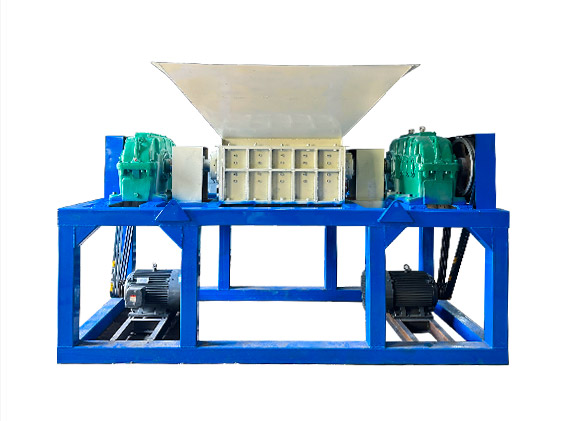 Plastic Shredder Machine
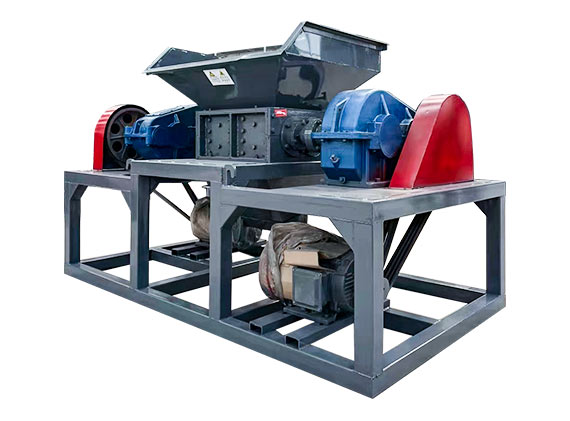 UBC Aluminum Can Shredder Machine
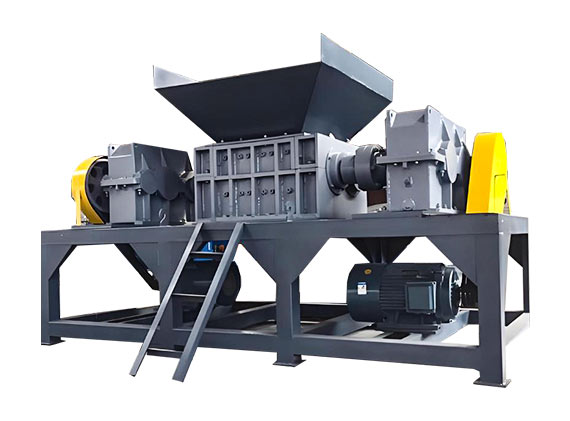 Lithium-ion Battery Shredder Machine
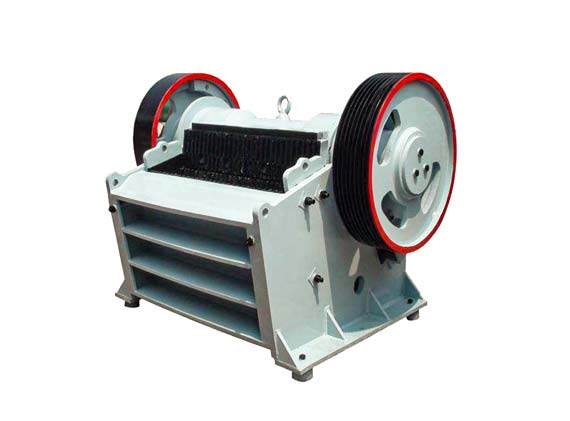 Mini Small Jaw Crusher
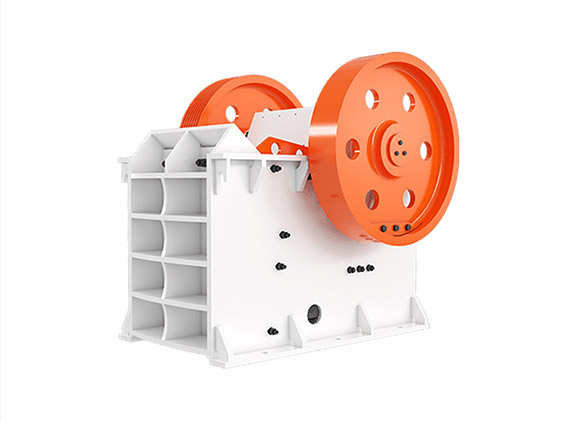 Jaw Crusher
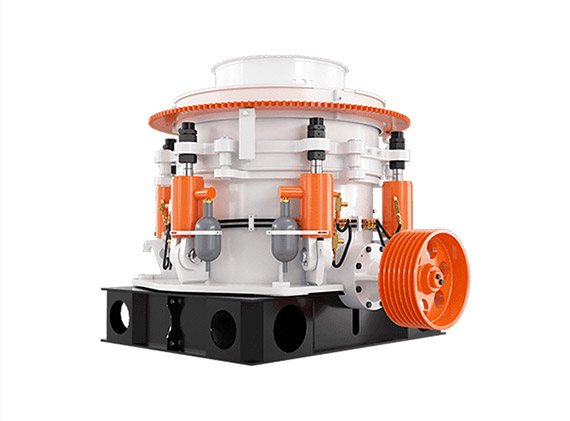 Cone Crusher
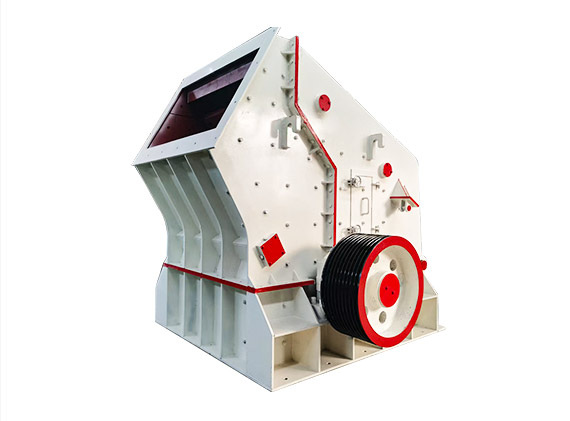 Impact Crusher
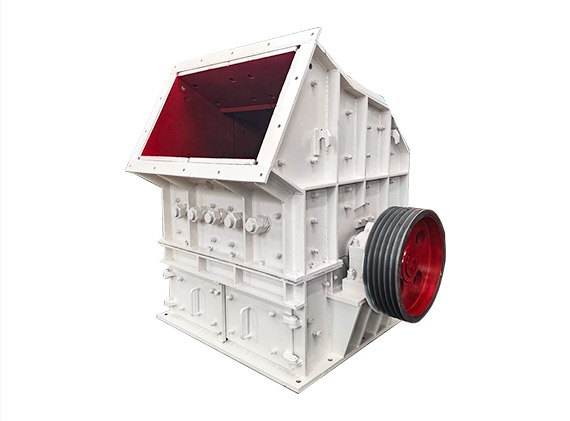 Hammer Crusher
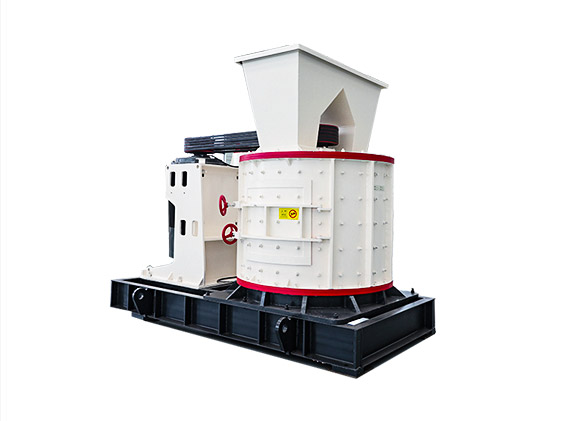 Impact Mill Crusher
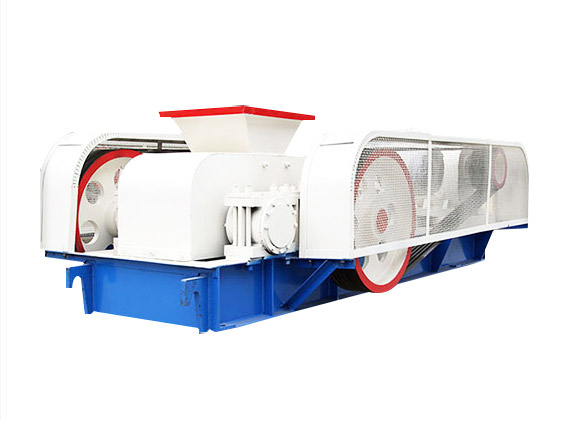 Roll Crusher
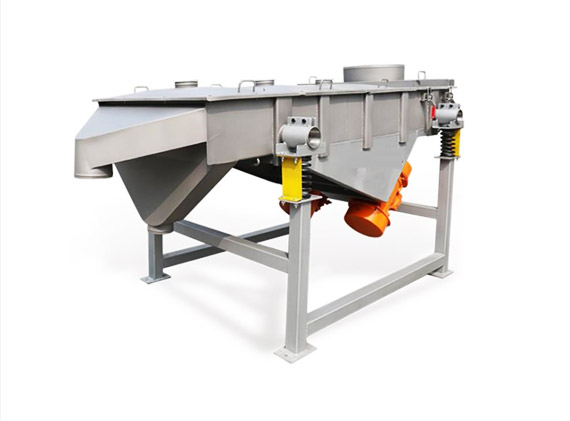 Linear Vibrating Screen Machine
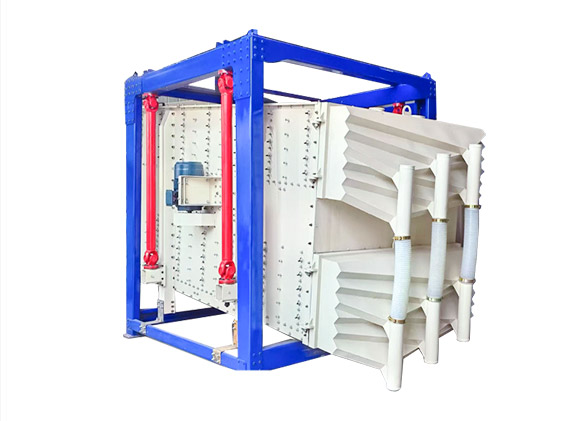 Swing Screen Machine
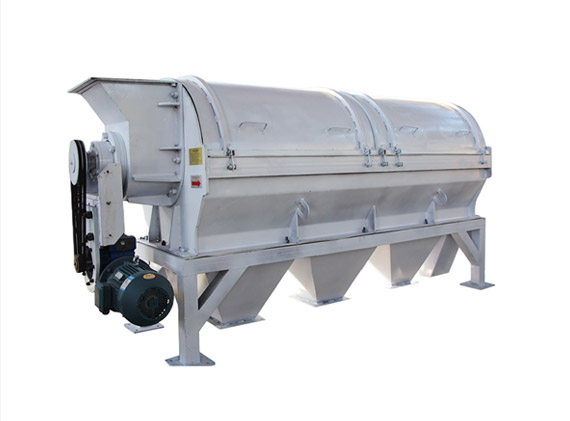 Tumbler Screen Machine
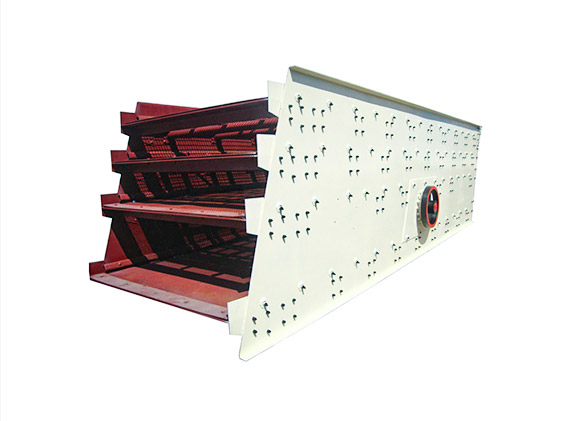 Circular Vibrating Screen
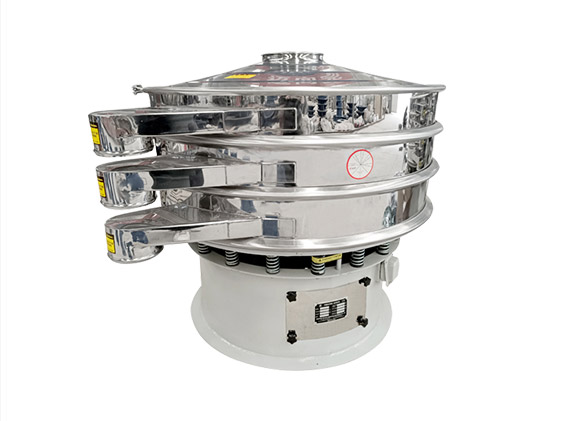 Cylindrical Rotary Vibrating Screen
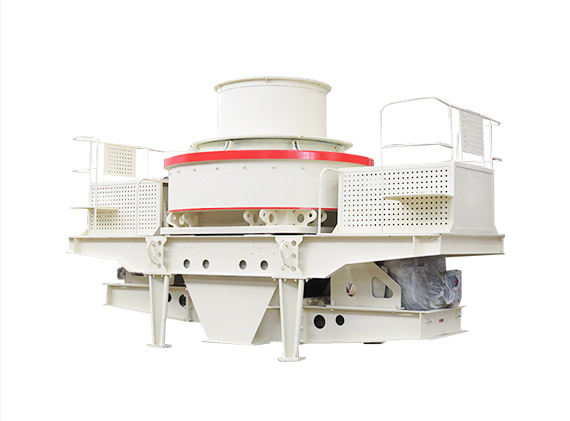 Sand Making Machine
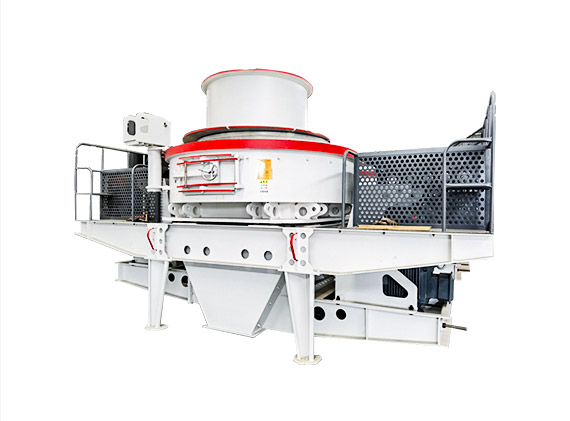 VSI Sand Making Machine
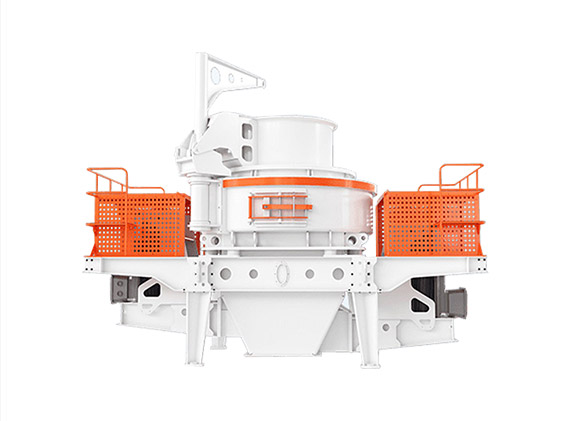 Impact Sand Making Machine
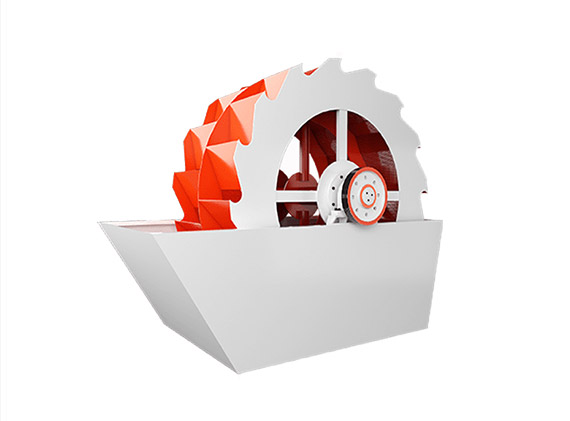 Sand Washing Machine
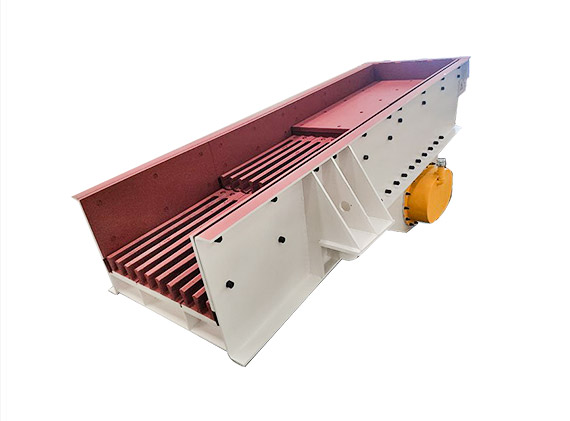 Vibrating Feeder
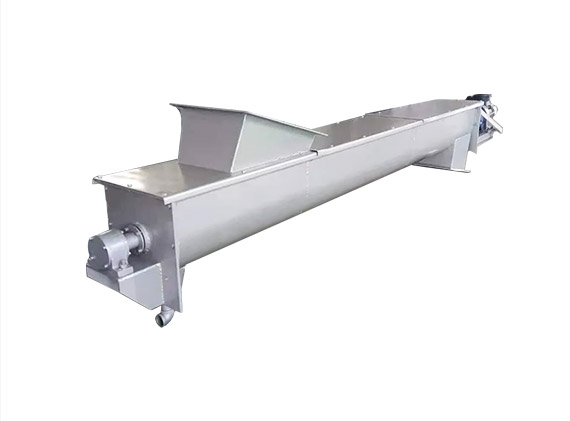 U-Shape Screw Reamer
 Belt Conveyor
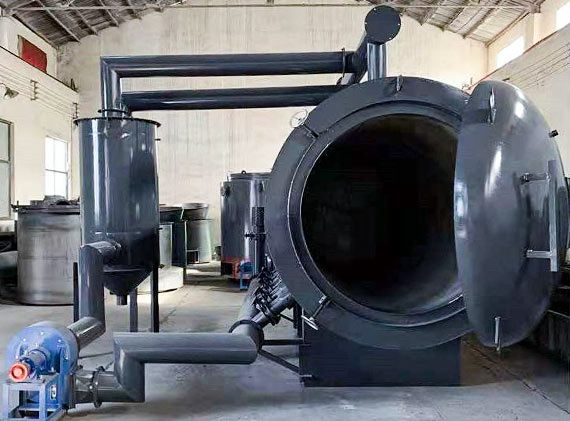 Horizontal Carbonization Furnace
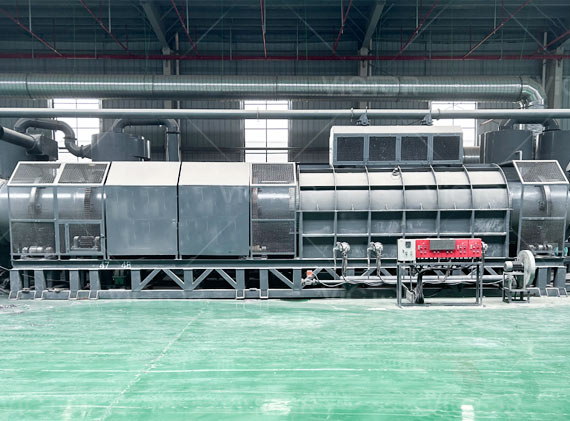 Wood Charcoal Carbonization Furnace
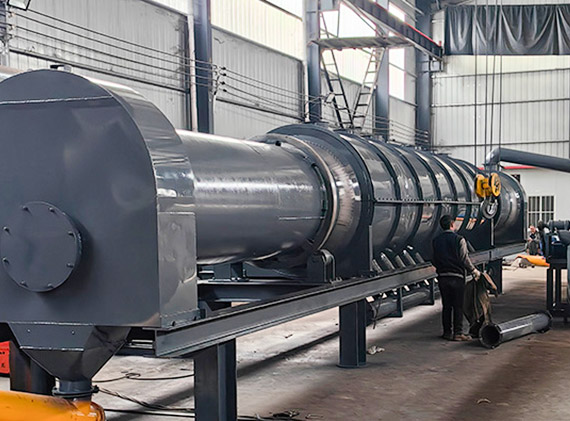 Waste Carbonization Furnace
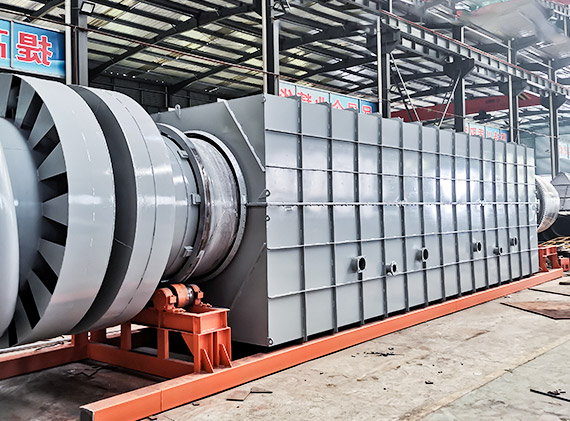 Sludge Continuous Carbonization Furnace
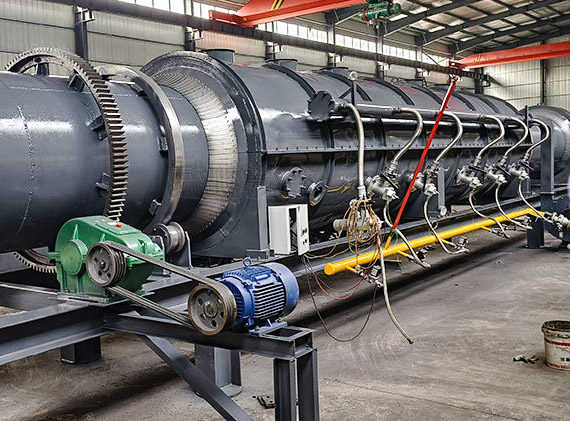 Biomass Carbonization Furnace
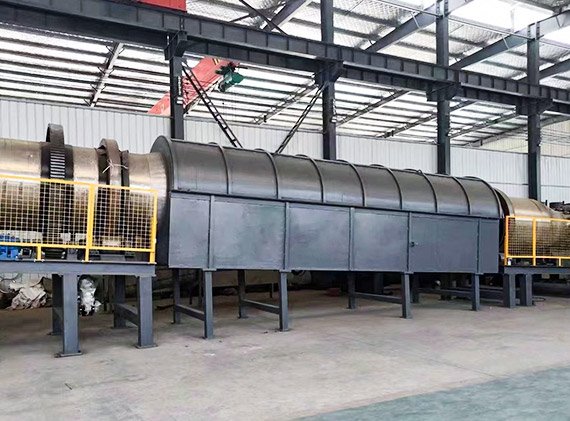 Coconut Shell Carbonization Furnace
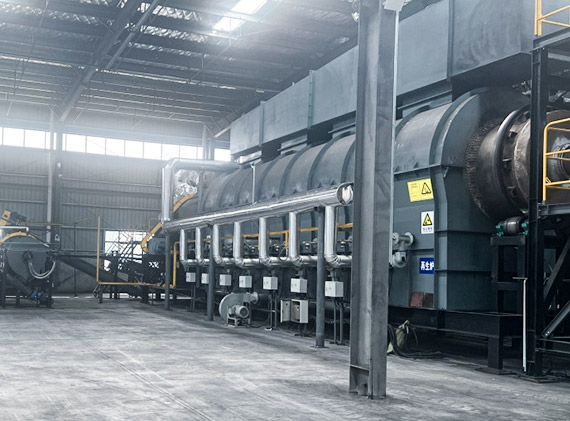 Continuous Carbonization Furnace
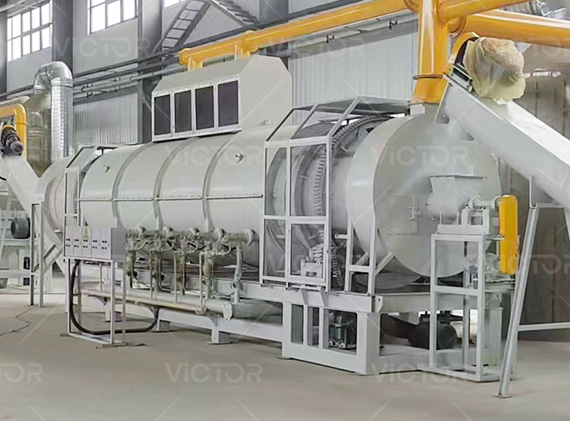 Biomass Pyrolysis Furnace
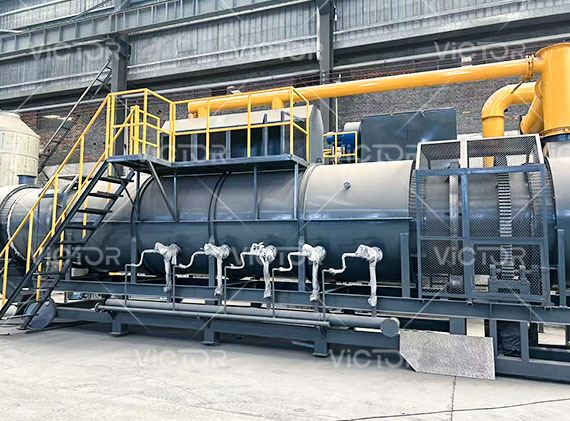 Lithium Battery Recycling Pyrolysis Furnace
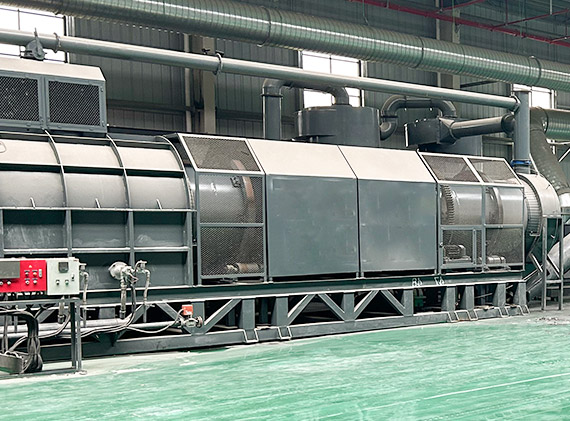 Solar PV Panel Recycling Pyrolysis Furnace
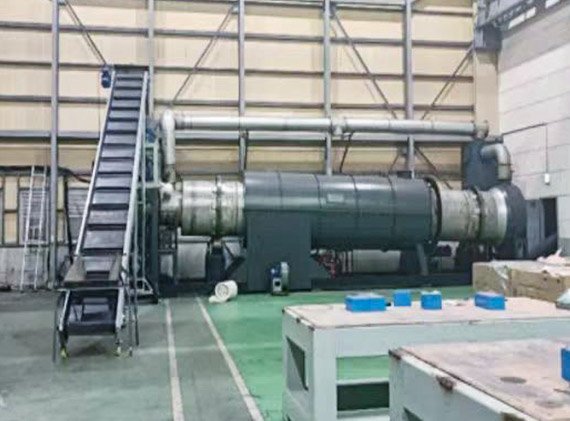 PCB Recycling Pyrolysis Furnace
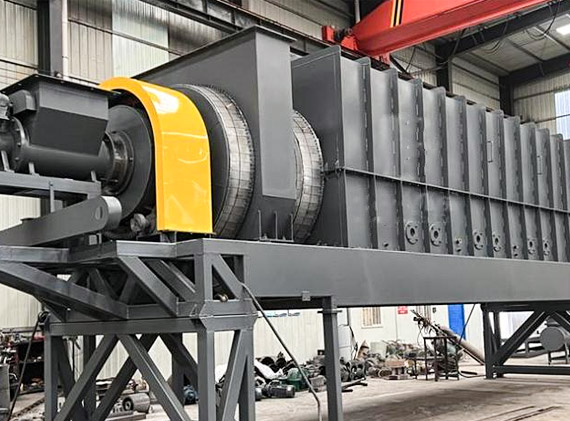 Carbonization Paint Removing Furnace
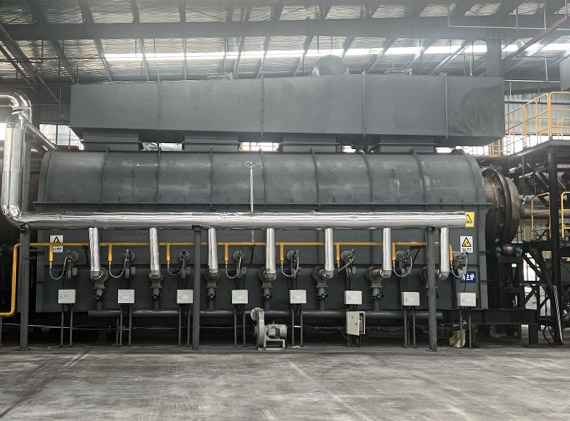 Capacitor Continuity Pyrolysis Furnace
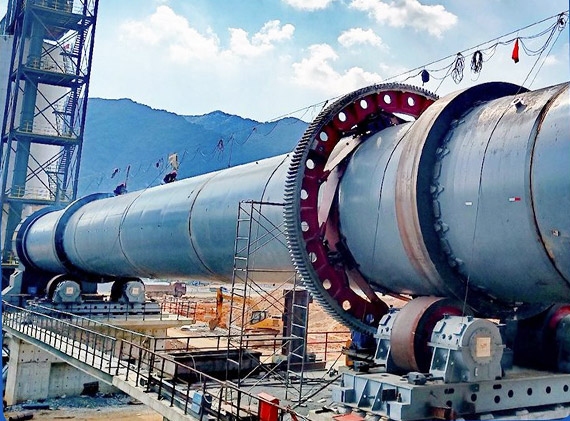 Rotary Kiln
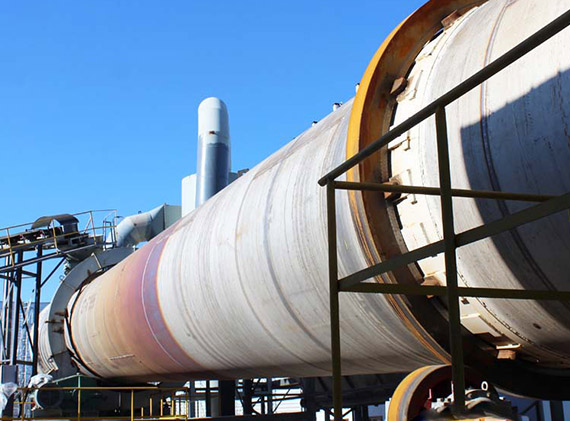 Waste Incineration Rotary Kiln
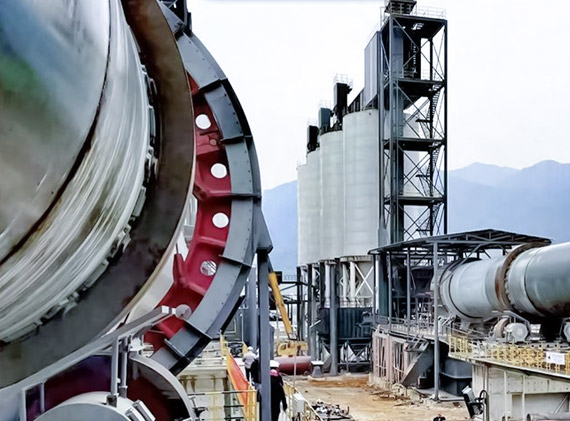 Metallurgical Rotary Kiln
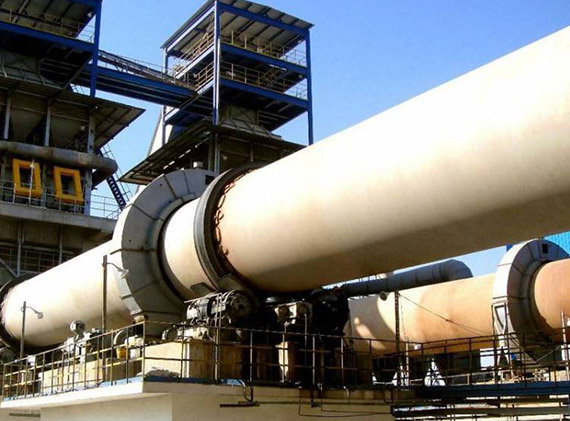 Cement Lime Rotary Kiln
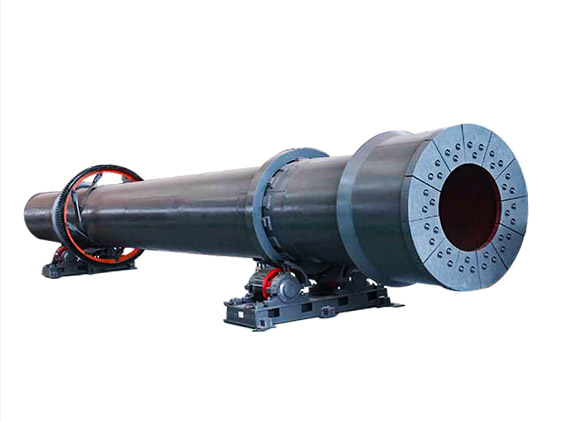 Rotary Drum Dryer Furnace
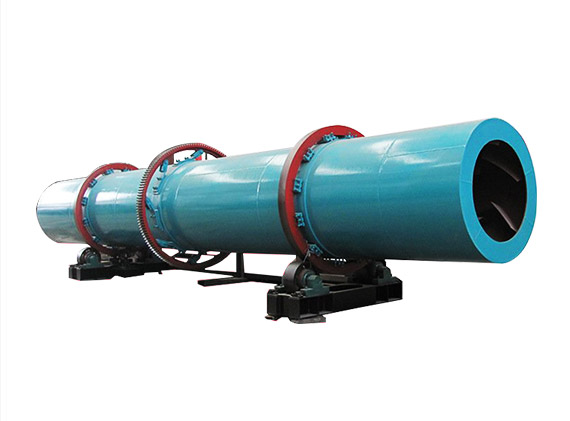 Drum Drying Dryer Furnace
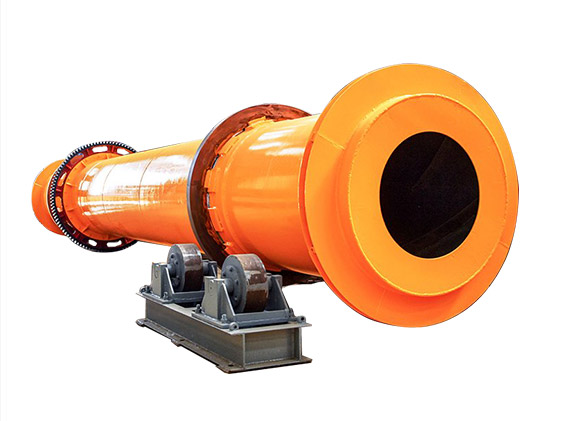 Industrial Dryer Furnace
 Lithium Battery Recycling Plant
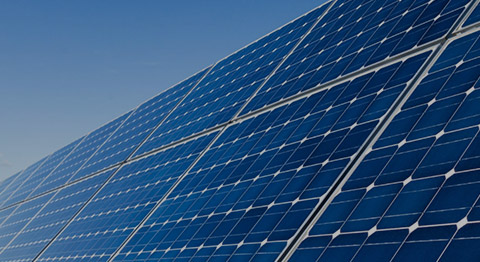 Solar Photovoltaic Panel Recycling Plant
 PCB Circuit Board Recycling Plant
 E Waste Recycling Plant
 Blog
Blog Company Blog
 Knowledge
 FAQ
FAQ