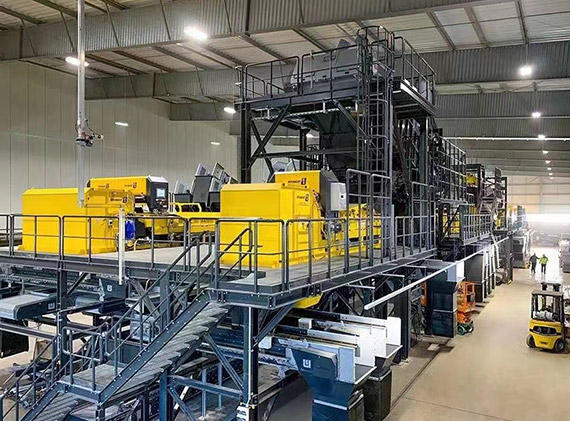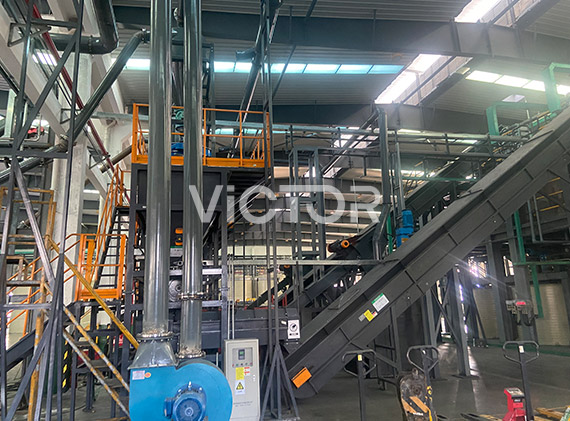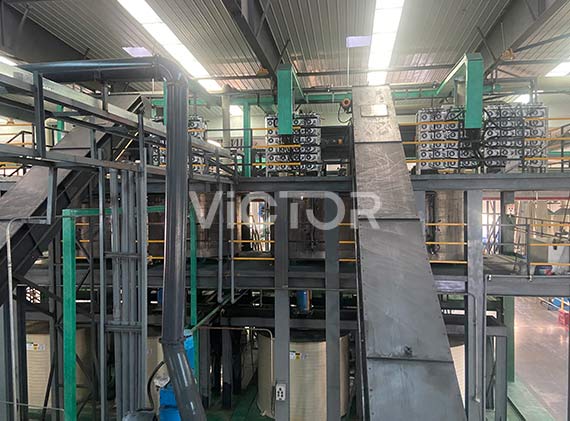



By 2026, the global volume of end-of-life power batteries is set to exceed 3 million tonnes. This represents an increase of over 36% compared to 2025. The lithium-ion battery recycling industry is poised for explosive growth. Driven by the ‘Dual Carbon’ policy, the lithium-ion battery resource recovery sector is entering a phase of rapid, large-scale development. A large number of market players are expanding their production capacity, with many companies establishing lithium-ion battery recycling plants. For newcomers looking to enter the lithium-ion battery recycling sector, there are undoubtedly many questions. Today, VICTOR MACHINERY will provide a detailed guide to the process of establishing a lithium-ion battery recycling plant.
The following requirements must be met to establish a used lithium-ion battery recycling plant:
Lithium-ion battery recycling falls under the category of solid waste management. In certain countries and regions, it is classified as hazardous waste management. Therefore, compliance is the most fundamental requirement. You must first consult your local environmental protection authorities to ascertain the necessary licences and certifications. Failure to do so constitutes illegal operation.
The scope of business must include: the recycling, processing, discharging, resource recovery, and dismantling of used lithium-ion batteries, particularly those from electric vehicles. This is a fundamental qualification requirement.
First, consult the local environmental protection department. Then, ascertain the relevant documents required. It is essential to provide detailed treatment plans for pollutants such as wastewater, exhaust gases and solid waste. Subsequently, submit the ‘Environmental Impact Assessment Report’ to the local environmental protection department. The environmental protection authorities will assess compliance and feasibility. The report will directly influence the successful approval of the environmental assessment.
This licence must be approved by the local ecological and environmental protection authorities. They will rigorously examine whether your lithium battery recycling plant’s premises, recycling machinery, technical staff, environmental treatment equipment and fire safety facilities meet professional standards. Therefore, please communicate thoroughly with the relevant authorities in advance to clarify the required conditions and documentation, thereby improving the efficiency of the approval process.
Once all the necessary licences and certifications have been obtained, the most crucial step is to secure a stable and sufficient supply of waste lithium-ion batteries. A reliable, long-term supply of waste lithium-ion batteries is one of the key prerequisites for this industry. Without a source of waste lithium-ion batteries, it will be impossible to implement any subsequent plans. The collection channels will directly impact future economic returns. We therefore recommend proactively seeking out and developing diverse collection channels:
A complete lithium-ion battery recycling production line primarily comprises pre-treatment, deep discharge, multi-stage crushing and sorting, environmental treatment, and a PLC-based intelligent control system. Currently, dry mechanical crushing, intelligent sorting and environmentally friendly processes have become the mainstream trend. Most enterprises have achieved a 98% recovery rate for waste lithium-ion batteries, facilitating the efficient operation of projects with an annual production capacity of 10,000 tonnes.
The current mainstream technological trend in the industry is the physical recycling route involving dry crushing and multi-stage sorting. Compared to traditional wet processing methods, this approach consumes less energy and faces lower environmental pressure, making it suitable for the vast majority of large-scale recycling projects.
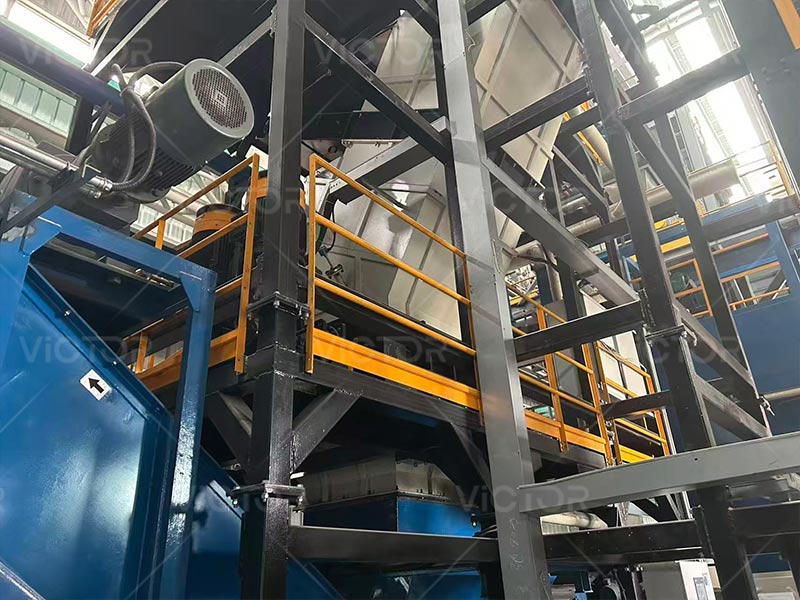
Lithium Battery Recycling Plant Setup
The above outlines all the steps involved in establishing a lithium-ion battery recycling plant. If you have any further questions regarding lithium-ion battery recycling, please contact us. We provide comprehensive lithium-ion battery recycling machine to help you clarify your approach to setting up a recycling facility.
The URL for this article is: https://www.victorsmachine.com/faq/lithium-battery-recycling-plant-setup/ Please credit the source when reposting. Thank you.
We know how to get energy from waste. Let’s build better future for everyone, together !
Victor Machinery is a manufacturer of machinery and equipment. The main products are: shredder, crusher, carbonization furnace equipment, mining equipment, recycling machinery, etc.
Our ever-evolving offering for mining and construction covers crushing, screening, breaking, demolition, and service solutions – designed to increase productivity and boost your bottom line.
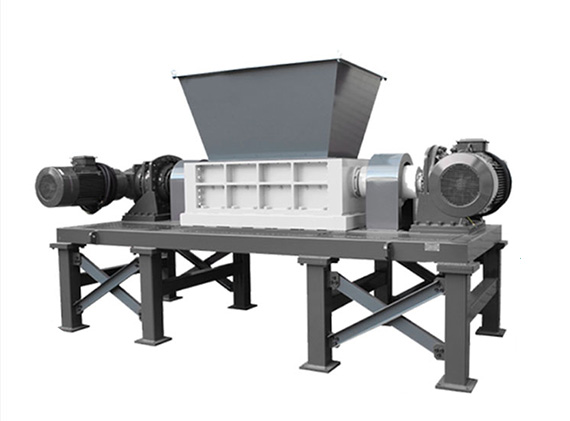 Double Shaft Shredder Machine
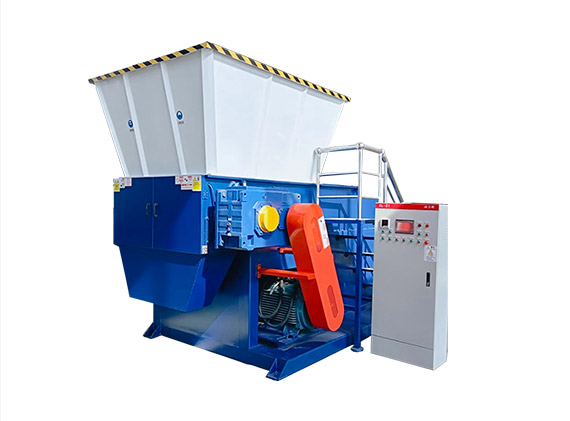 Single Shaft Shredder Machine
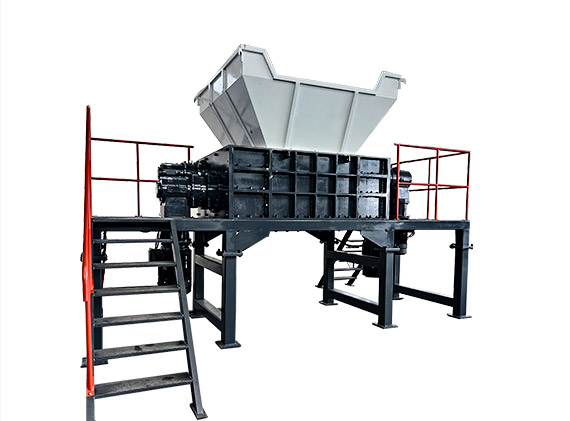 Four Shaft Shredder Machine
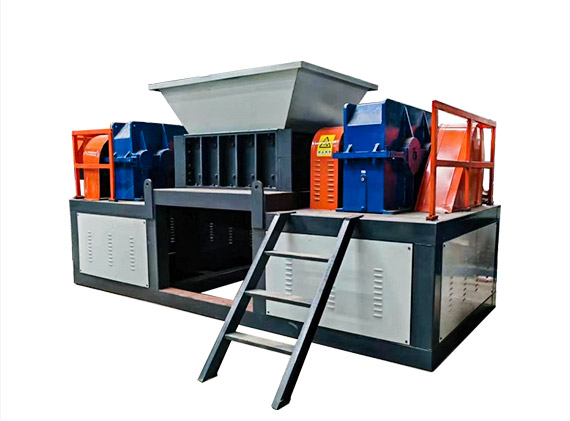 Tyre Shredder Machine
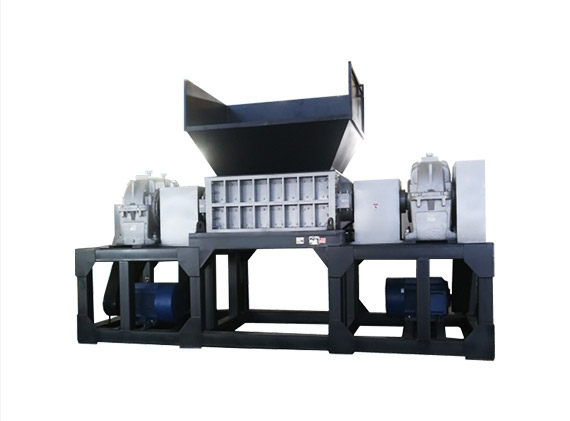 Metal Shredder Machine
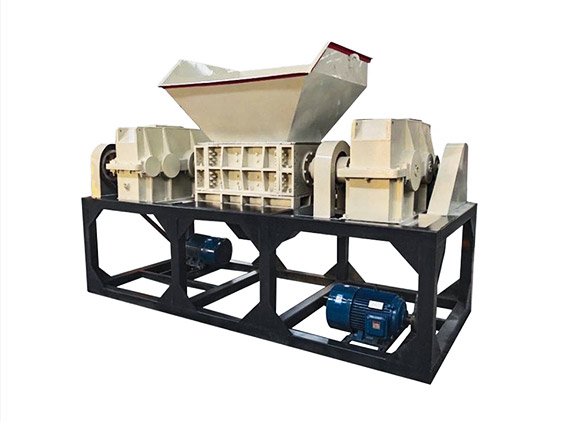 Wood Shredder Machine
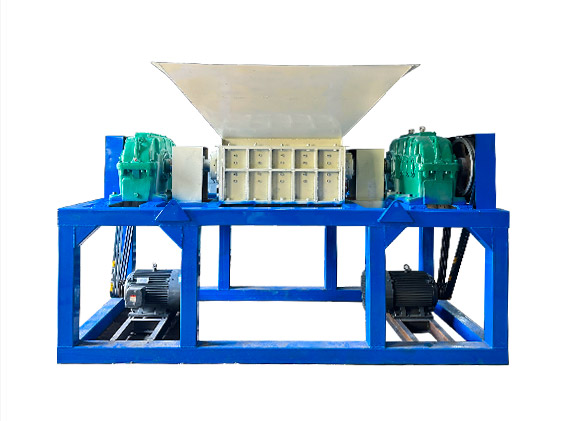 Plastic Shredder Machine
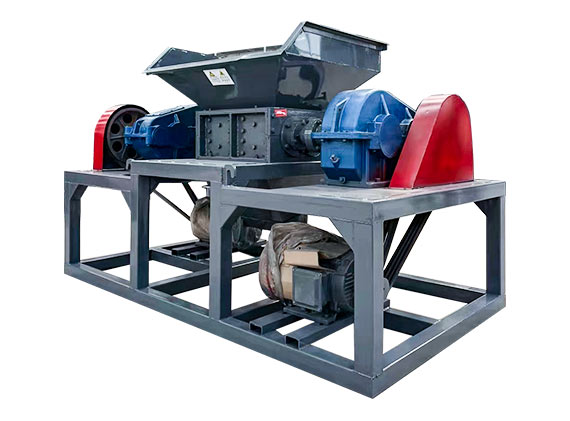 UBC Aluminum Can Shredder Machine
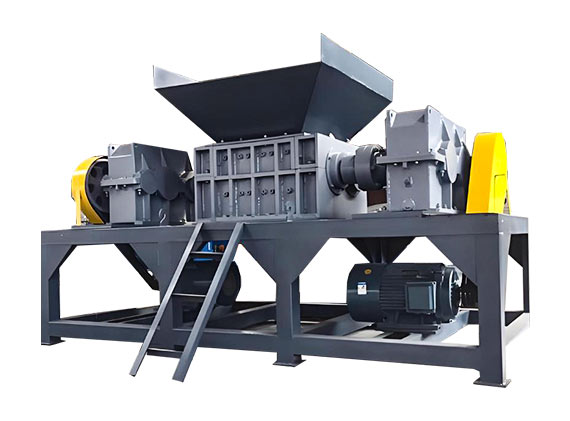 Lithium-ion Battery Shredder Machine
 Mini Small Jaw Crusher
 Jaw Crusher
 Cone Crusher
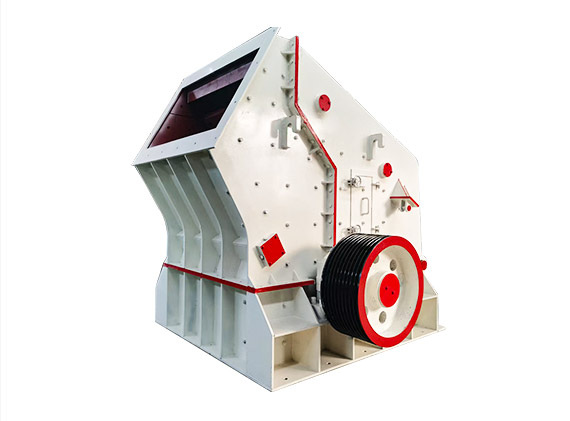 Impact Crusher
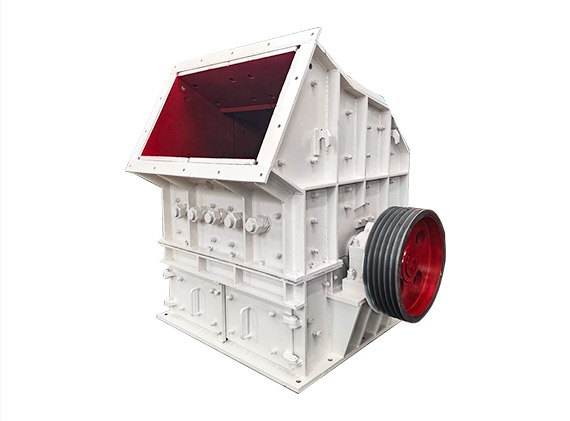 Hammer Crusher
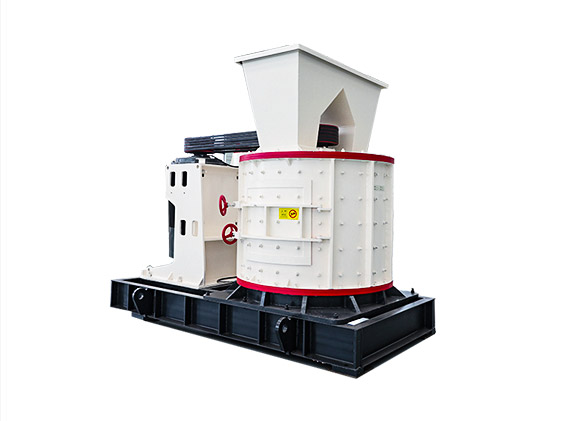 Impact Mill Crusher
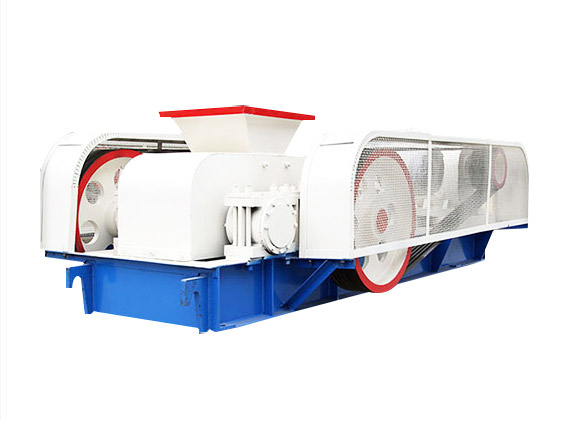 Roll Crusher
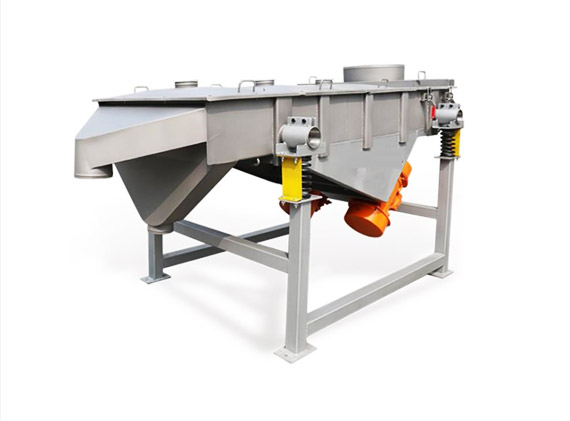 Linear Vibrating Screen Machine
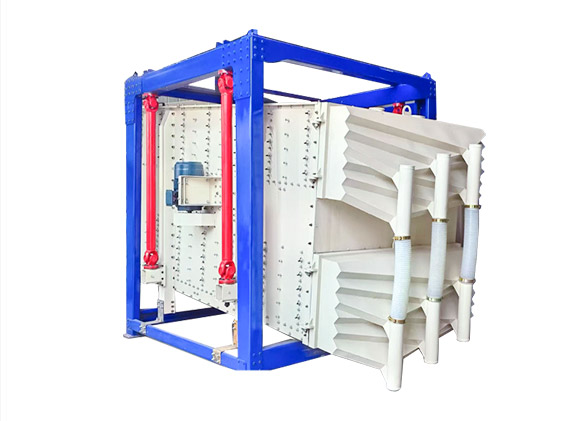 Swing Screen Machine
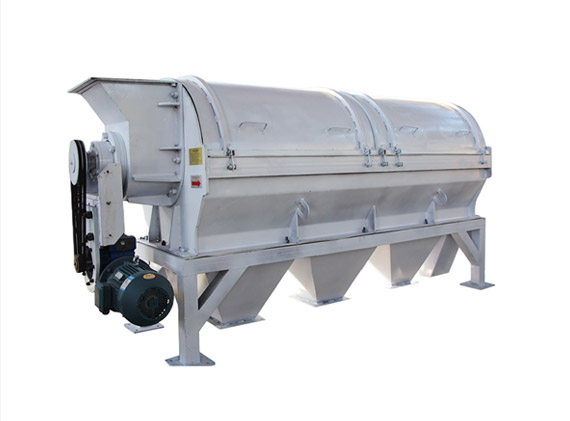 Tumbler Screen Machine
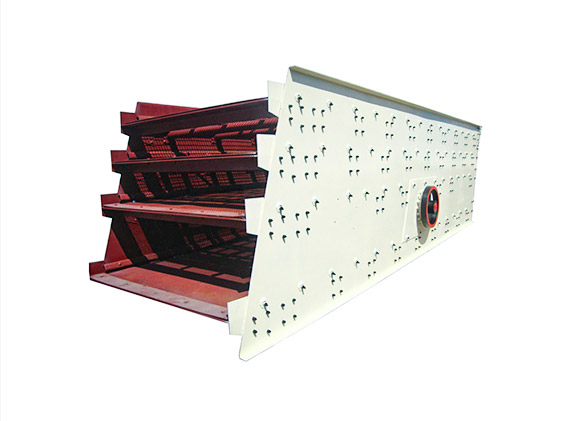 Circular Vibrating Screen
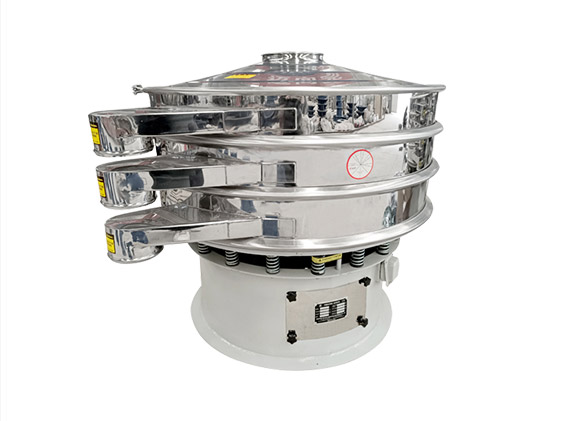 Cylindrical Rotary Vibrating Screen
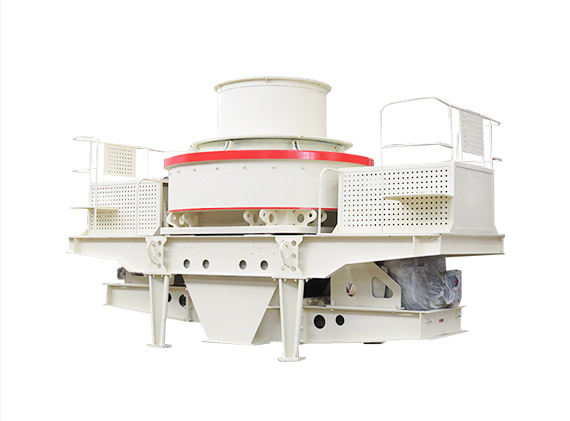 Sand Making Machine
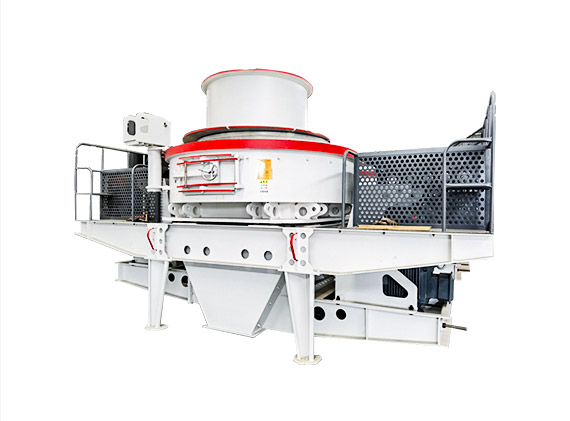 VSI Sand Making Machine
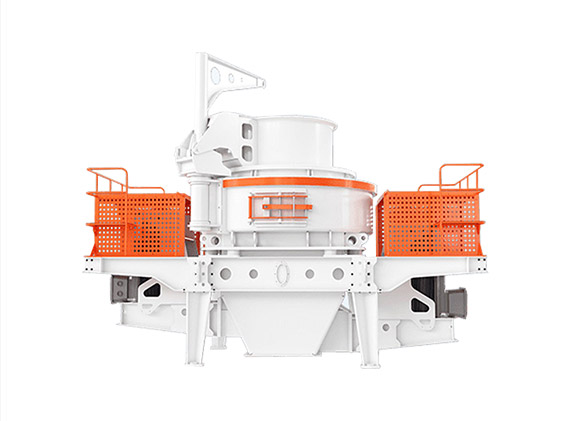 Impact Sand Making Machine
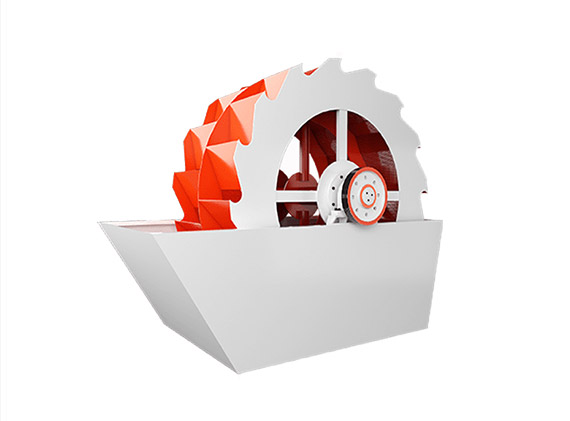 Sand Washing Machine
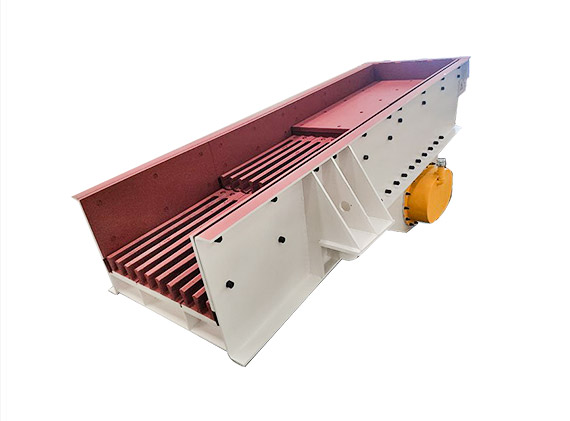 Vibrating Feeder
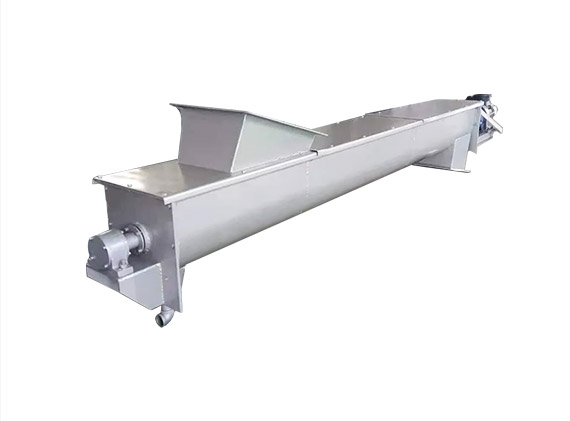 U-Shape Screw Reamer
 Belt Conveyor
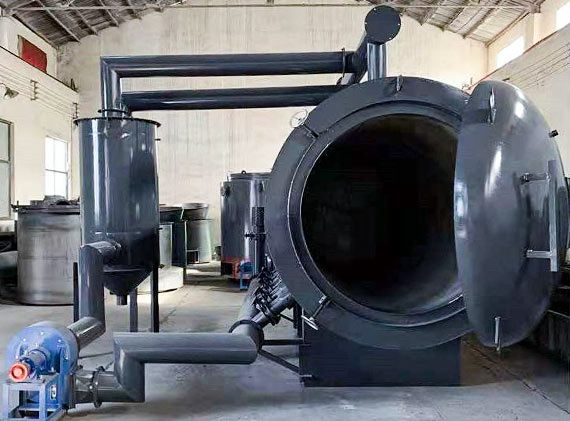 Horizontal Carbonization Furnace
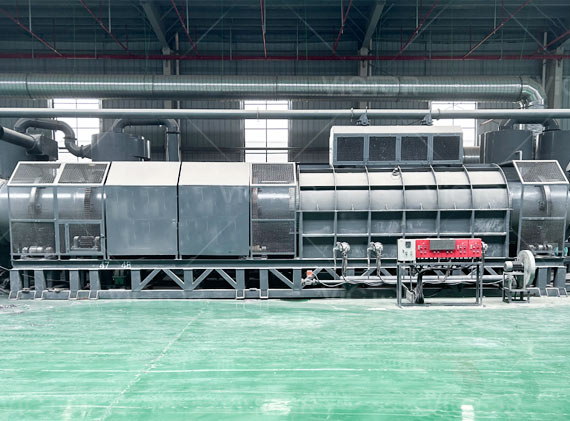 Wood Charcoal Carbonization Furnace
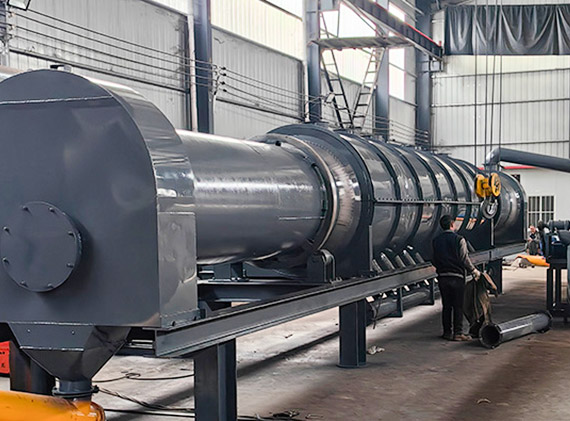 Waste Carbonization Furnace
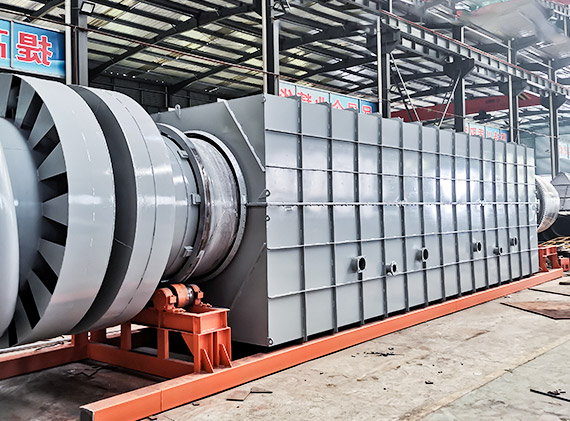 Sludge Continuous Carbonization Furnace
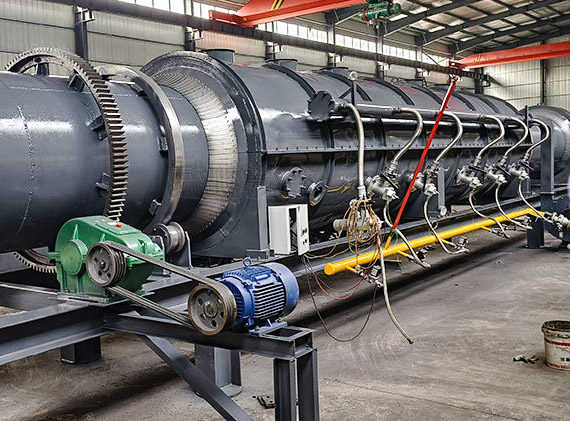 Biomass Carbonization Furnace
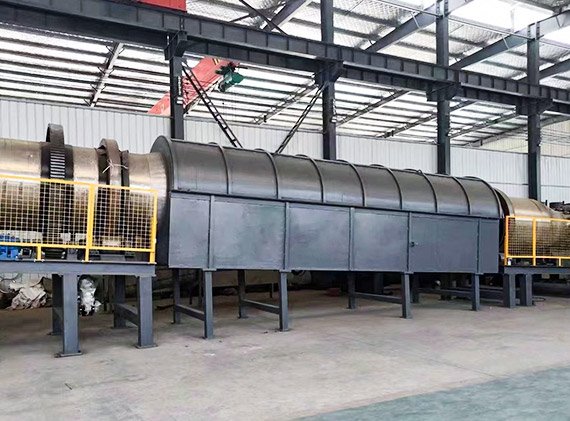 Coconut Shell Carbonization Furnace
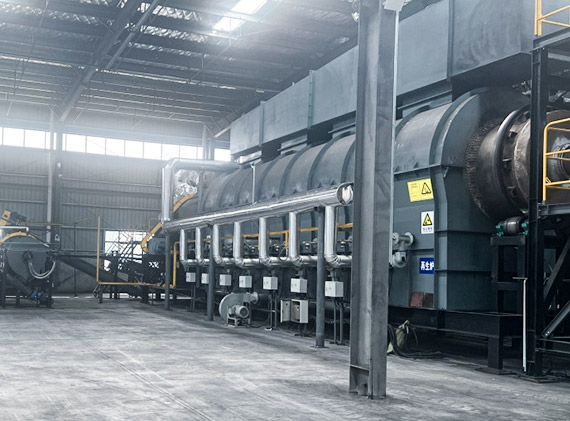 Continuous Carbonization Furnace
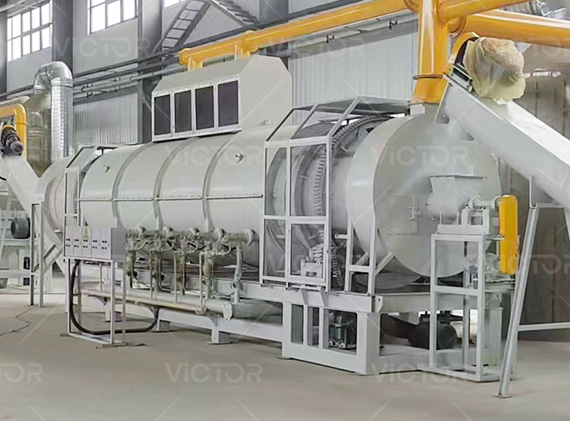 Biomass Pyrolysis Furnace
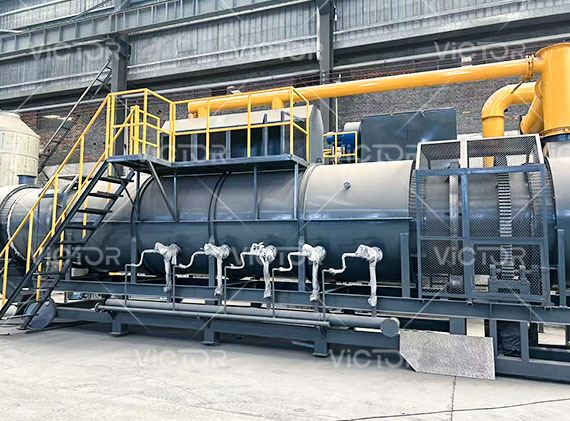 Lithium Battery Recycling Pyrolysis Furnace
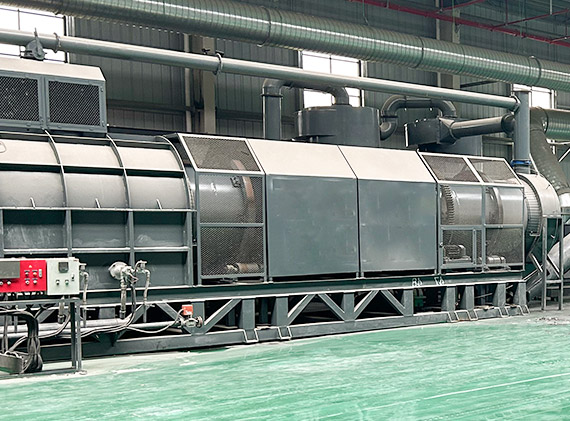 Solar PV Panel Recycling Pyrolysis Furnace
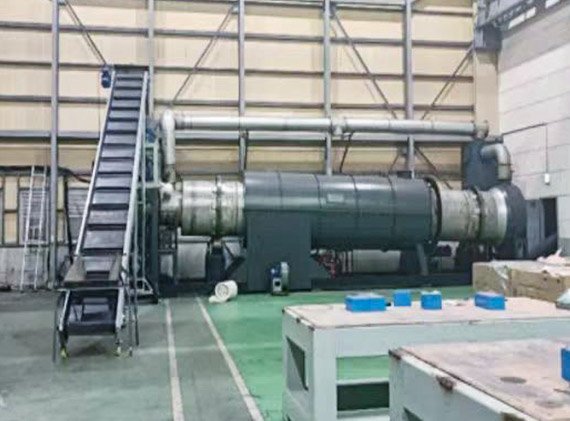 PCB Recycling Pyrolysis Furnace
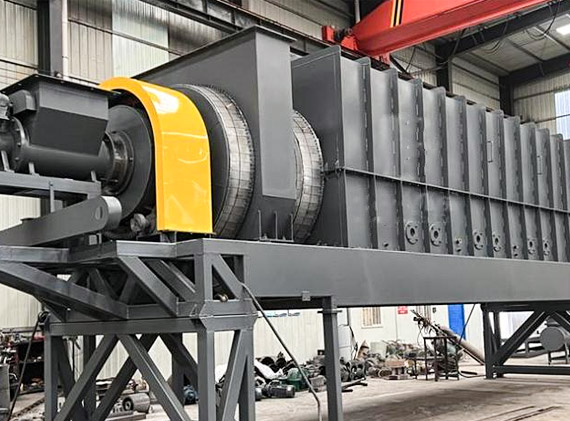 Carbonization Paint Removing Furnace
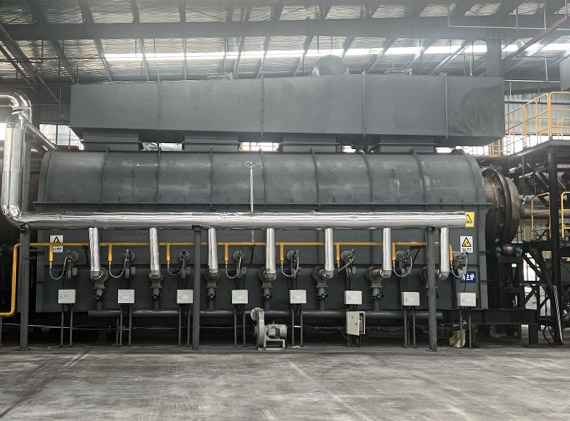 Capacitor Continuity Pyrolysis Furnace
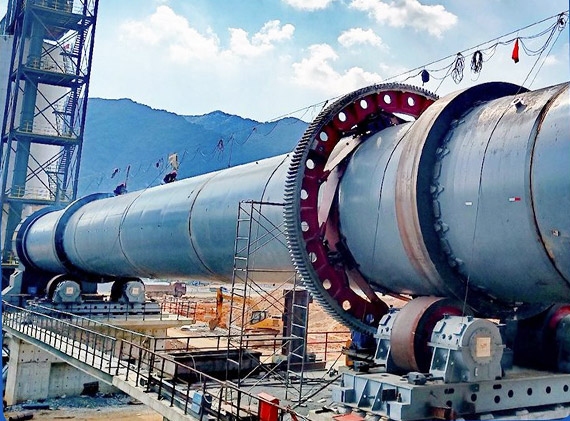 Rotary Kiln
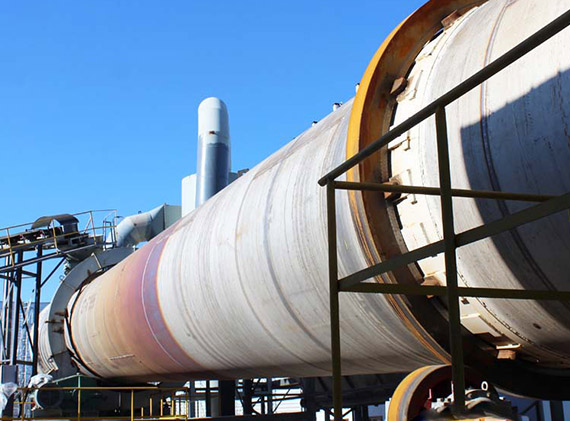 Waste Incineration Rotary Kiln
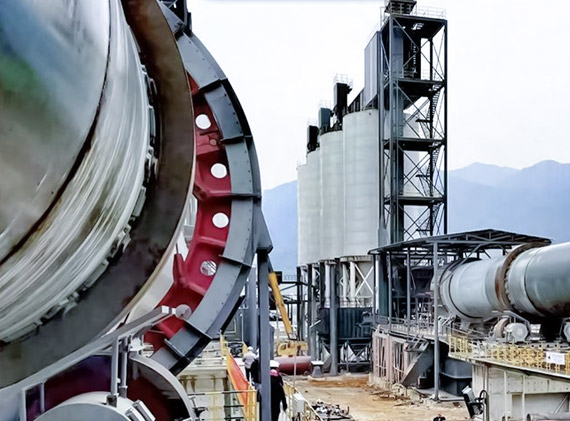 Metallurgical Rotary Kiln
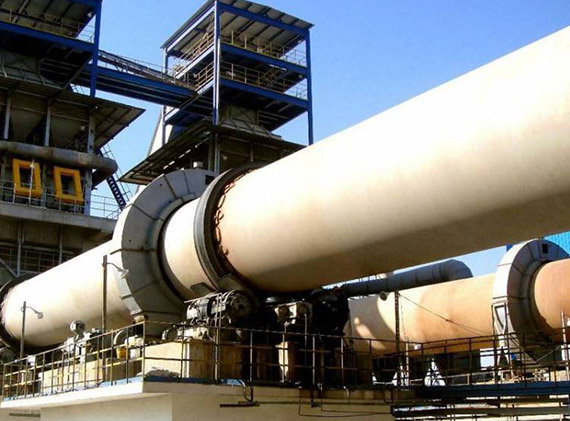 Cement Lime Rotary Kiln
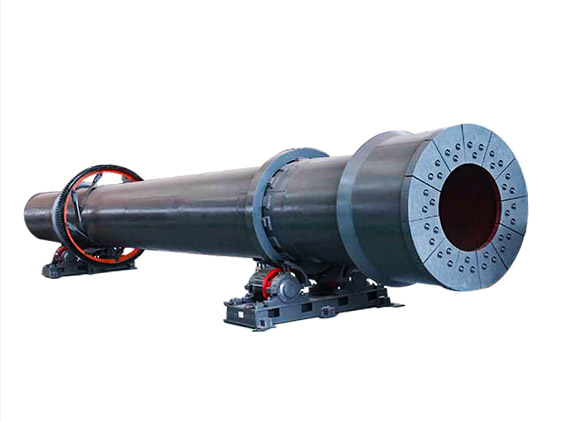 Rotary Drum Dryer Furnace
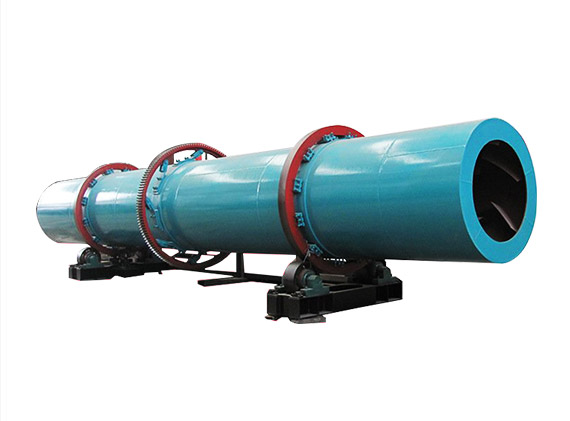 Drum Drying Dryer Furnace
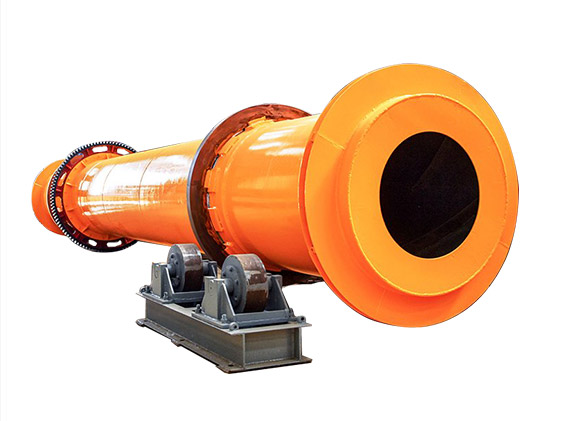 Industrial Dryer Furnace
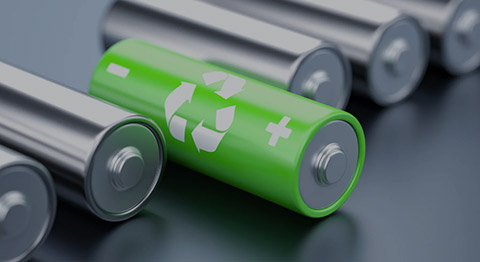 Lithium Battery Recycling Plant
 Solar Photovoltaic Panel Recycling Plant
 PCB Circuit Board Recycling Plant
 E Waste Recycling Plant
 Blog
Blog Company Blog
 Knowledge
 FAQ
FAQ