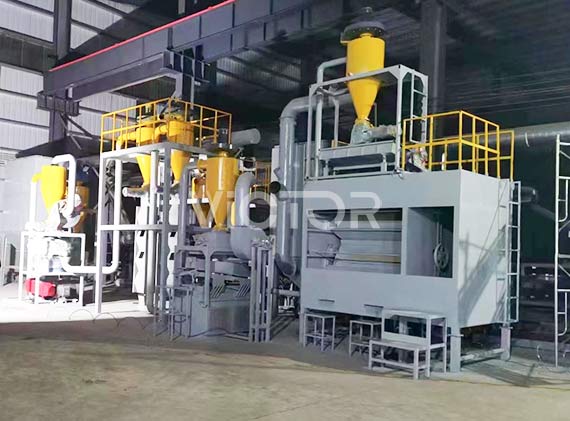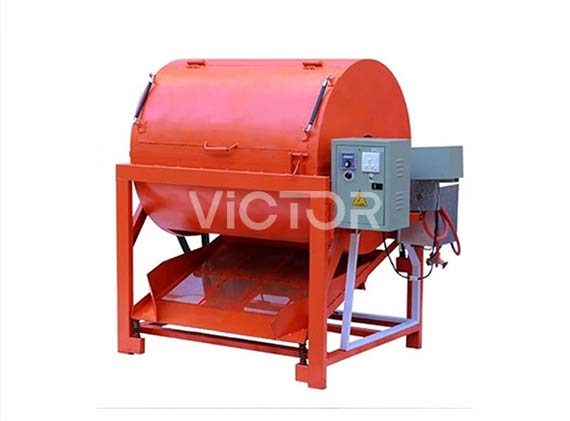



With the dramatic increase in electronic waste, the recycling and processing of waste printed circuit boards (PCBs) has become a critical issue in global resource circulation. Waste PCBs contain approximately 30% plastic fibres, 30% inert oxides, and 40% metals, with copper accounting for as much as 20%. PCBs also contain trace amounts of gold. The recycling value of these ‘urban mines’ coexists with ecological and environmental risks. This has driven PCB recycling technology towards efficient separation, deep purification, and resource recovery. PCB recycling machines are engineered for processing waste circuit boards, copper-clad laminates, and electronic component offcuts. They efficiently separate valuable materials such as copper, fibres, gold, silver, aluminium, resin, and glass fibres, achieving dual objectives: resource recovery and environmentally sound, non-hazardous treatment.
The circuit board recycling machine employs an integrated ‘crushing-grading-sorting-dust removal’ design. Its core system comprises a two-stage crushing system, a flexible precision separation system, and an environmentally friendly dust removal system. The crushing stage typically involves shredding waste circuit boards into 3-5cm granular material via a shredder. This is then further pulverised to powder below 2mm using a high-speed crusher. The entire process employs physical-mechanical methods, effectively preventing excessive oxidation of metallic components. The grading unit relies primarily on high-frequency vibrating screens to achieve precise separation of particles by size. Gravity separation then utilises the density differences between metallic and non-metallic materials. Adjustable airflow directs lightweight non-metallic particles to designated collection areas. A second stage of classic separation leverages direct differences in material conductivity. Within a high-voltage electrostatic field, metallic particles become charged and are electrostatically adsorbed, while non-metallic particles continue free-falling. This dual-stage separation achieves a metal recovery rate exceeding 96%. The entire system incorporates pulse-jet dust collectors for efficient capture of dust generated during crushing and separation. Exhaust gases undergo further treatment to meet emission standards, preventing secondary environmental pollution.
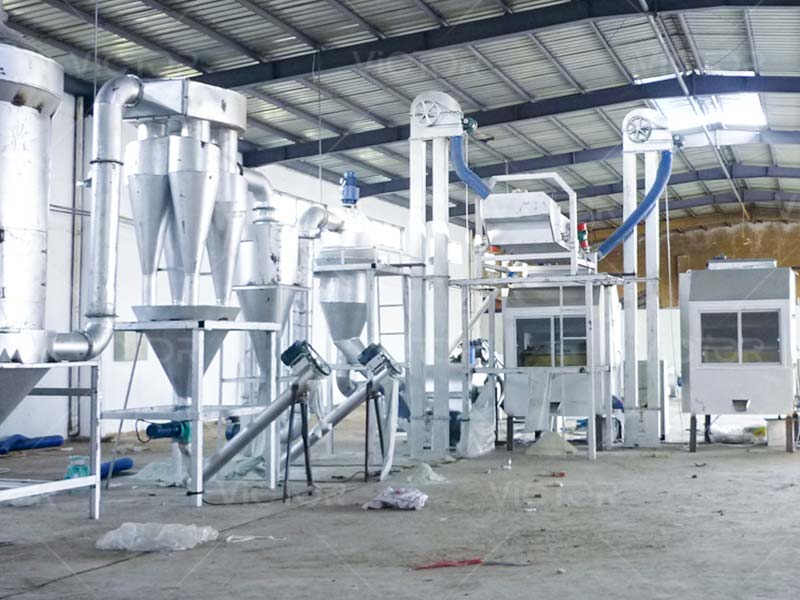
Circuit Board Recycling Machine
Operating at temperatures between 800 and 1200 degrees Celsius, this process achieves a 25% higher metal recovery rate than conventional incineration methods. Dioxin emissions are reduced to 99.99%. Typically employing rotary kiln smelting followed by copper electrolytic refining, Copper purity from roasting can reach 99.99%. Simultaneously, metals such as lead and tin are recovered. Note: Non-metallic residues containing 40-50% silica are produced during high-temperature pyrometallurgical processes. These residues serve as high-quality raw materials for building insulation.
This process employs high-temperature pyrolysis technology. A PCB pyrolysis recycling furnace is utilised for high-temperature pyrolysis. PCB circuit boards undergo thermal decomposition under high-temperature, oxygen-free conditions. Resin, glass fibre, and metals are separated. The pyrolysed fragments are then processed through a high-speed hammer crusher to prevent material agglomeration. The crushed material undergoes gravity separation and vibratory screening, yielding pure copper flakes, resin substrates, and carbon powder. During high-temperature pyrolysis, an integrated RTO regenerative thermal oxidiser system enhances VOCs treatment efficiency to 99%, ensuring compliant exhaust emissions.
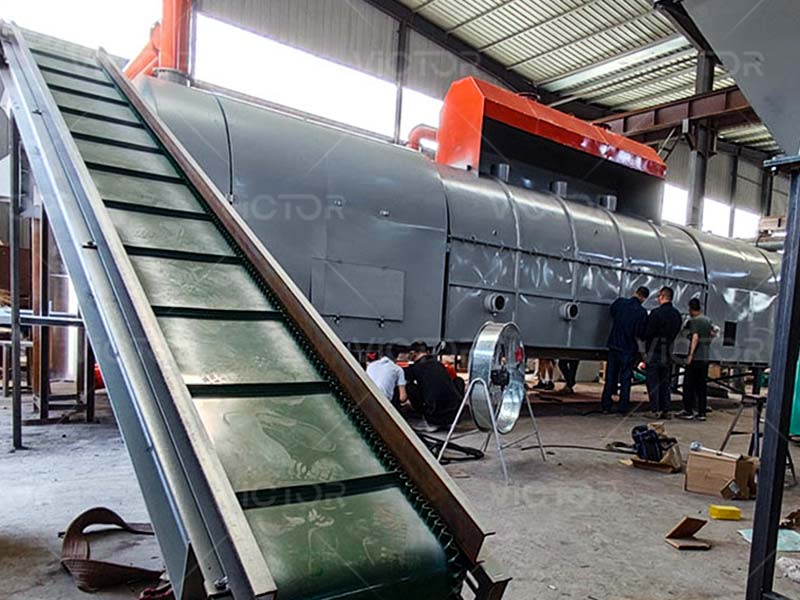
PCB pyrolysis recycling furnace
This novel hydrometallurgical extraction method employs a flowing sulphate system. At pH=8.5 and ambient temperature, it achieves gold leaching rates exceeding 90% within 72 hours. Significant advances have been made in the more environmentally sound microbial leaching technology. Ferri-sulphate-oxidising bacteria (Ferri-sulphate-oxidising bacteria) demonstrate enhanced copper leaching efficiency after 15 days of cultivation at 30°C, yielding copper extraction rates up to 85%. For precious metals like palladium and platinum, a hydrochloric acid-hydrogen peroxide mixture reacts for 4 hours in an 80°C water bath. After 15 days of cultivation, copper leaching rates reach 85%. For rare precious metals like palladium and platinum, a hydrochloric acid-hydrogen peroxide mixture reacts at 80°C for 4 hours, achieving extraction rates exceeding 90%. While chemical leaching processes yield high precious metal recovery rates, they entail higher costs and necessitate wastewater purification expenses.
In summary, amongst these technological processes, circuit board recycling equipment and PCB pyrolysis furnaces enjoy the widest application. They demonstrate reliable full-process operation and strong usability, representing the current advanced level of technology in the resource recovery sector. They provide comprehensive solutions for electronic waste recycling. Through continuous technological advancement, the circuit board recycling industry is progressively becoming a vital force underpinning sustainable development.
The URL for this article is: https://www.victorsmachine.com/faq/how-can-pcb-be-recycled/ Please credit the source when reposting. Thank you.
We know how to get energy from waste. Let’s build better future for everyone, together !
Victor Machinery is a manufacturer of machinery and equipment. The main products are: shredder, crusher, carbonization furnace equipment, mining equipment, recycling machinery, etc.
Our ever-evolving offering for mining and construction covers crushing, screening, breaking, demolition, and service solutions – designed to increase productivity and boost your bottom line.
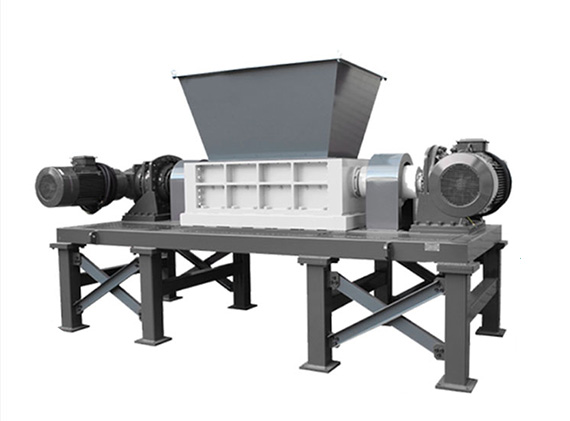 Double Shaft Shredder Machine
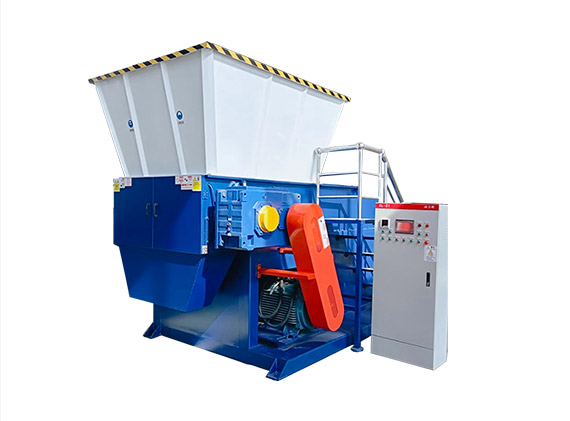 Single Shaft Shredder Machine
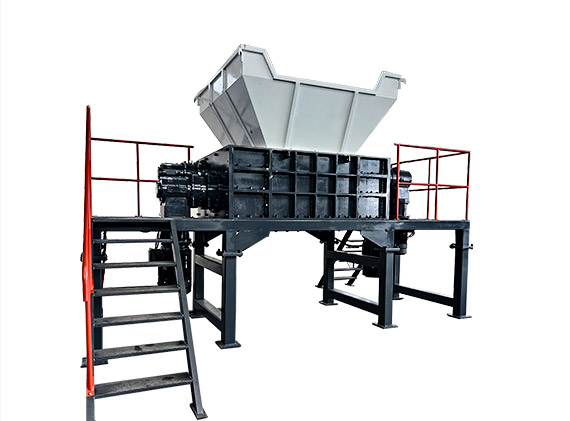 Four Shaft Shredder Machine
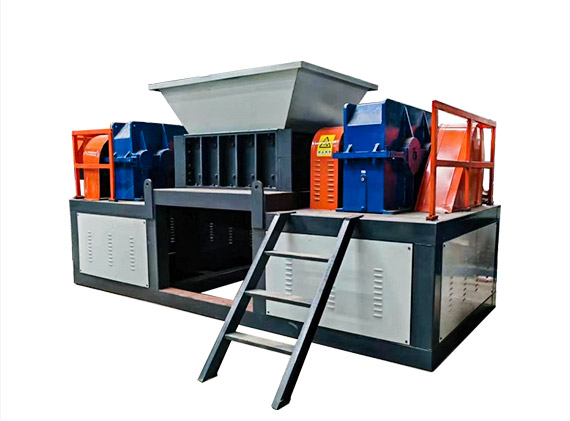 Tyre Shredder Machine
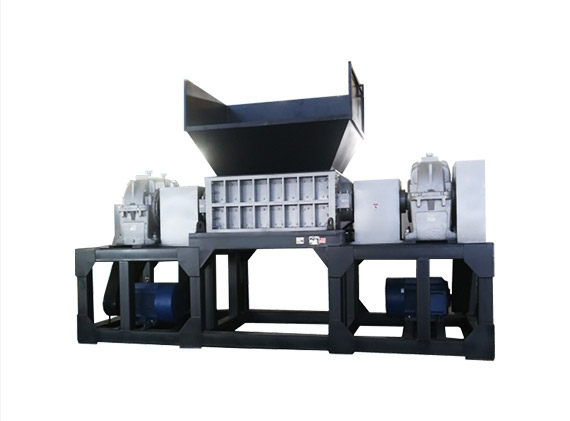 Metal Shredder Machine
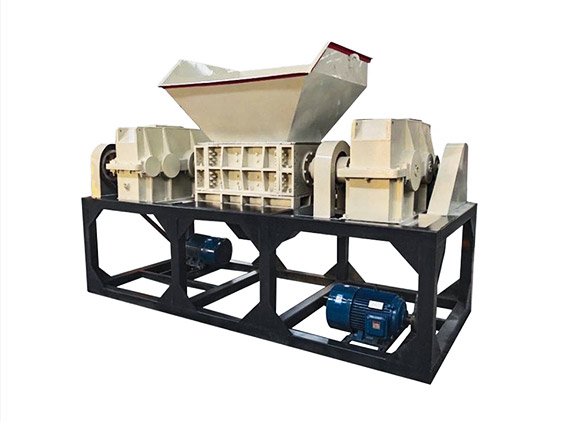 Wood Shredder Machine
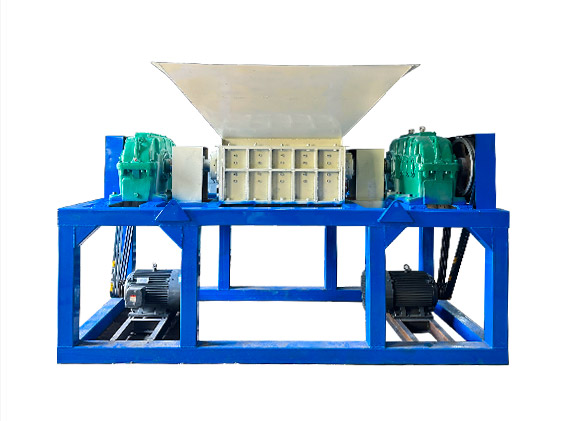 Plastic Shredder Machine
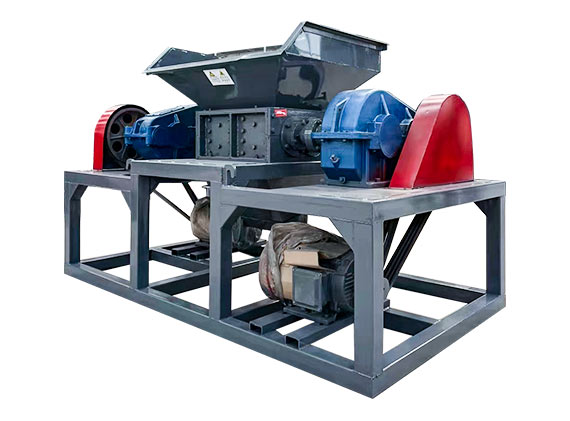 UBC Aluminum Can Shredder Machine
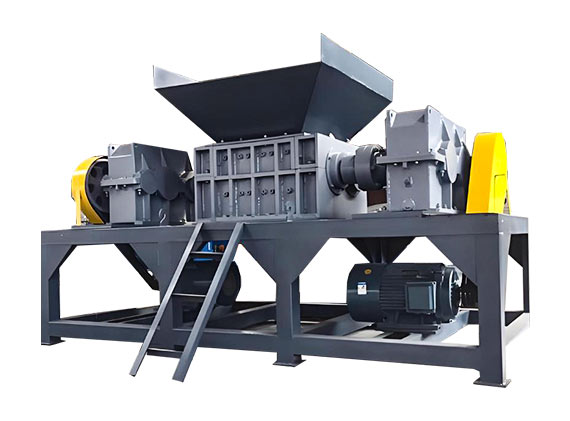 Lithium-ion Battery Shredder Machine
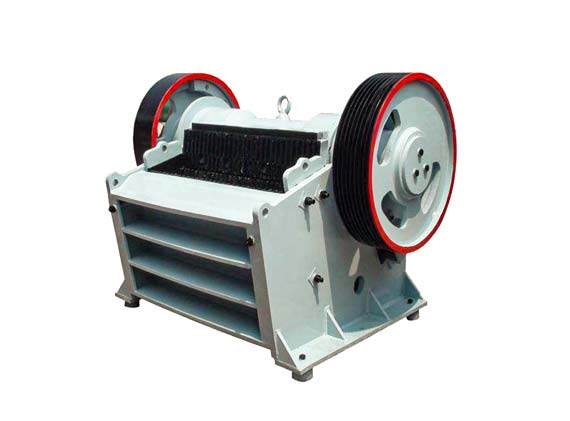 Mini Small Jaw Crusher
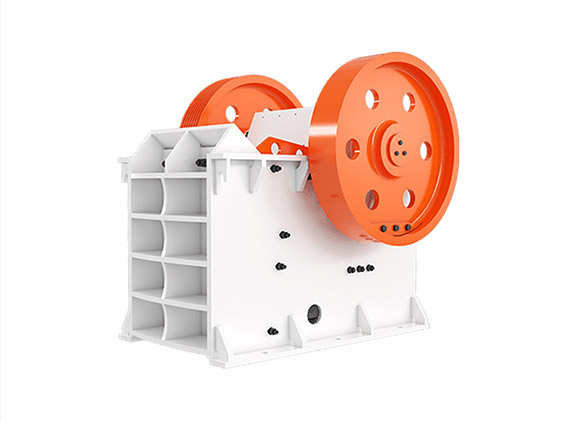 Jaw Crusher
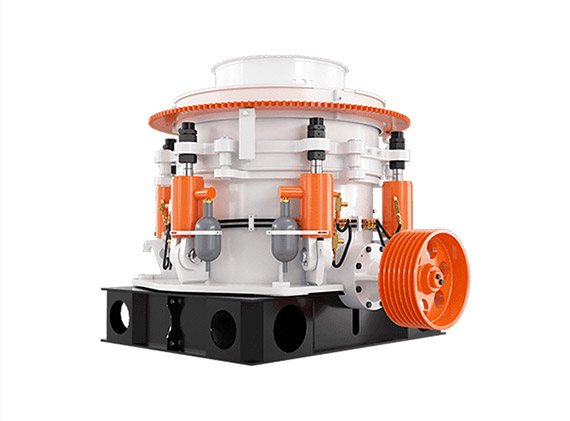 Cone Crusher
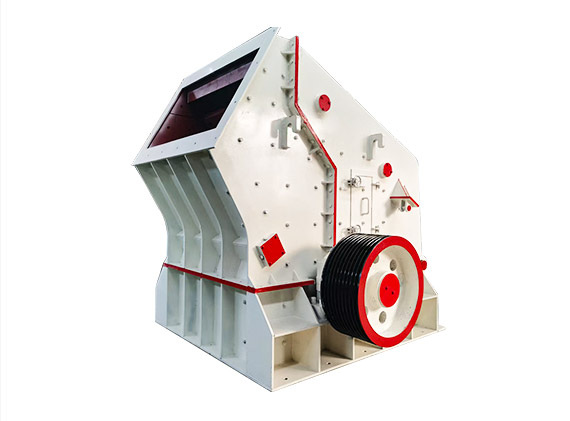 Impact Crusher
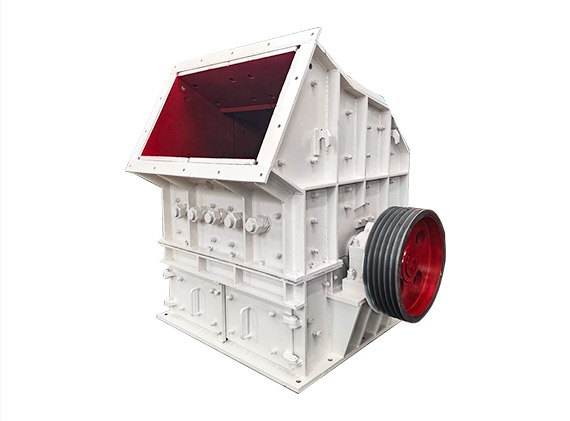 Hammer Crusher
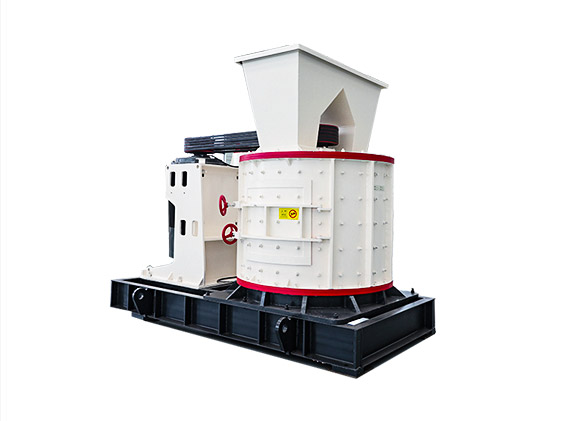 Impact Mill Crusher
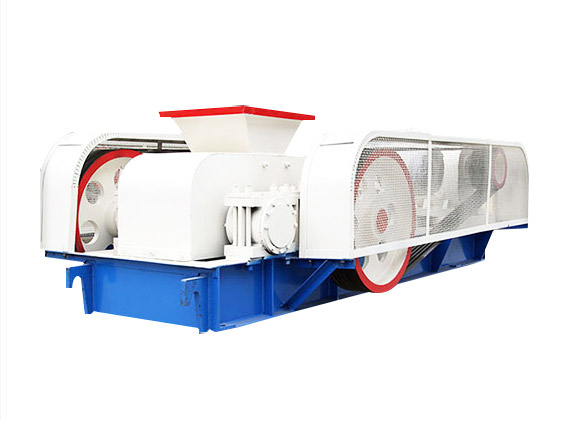 Roll Crusher
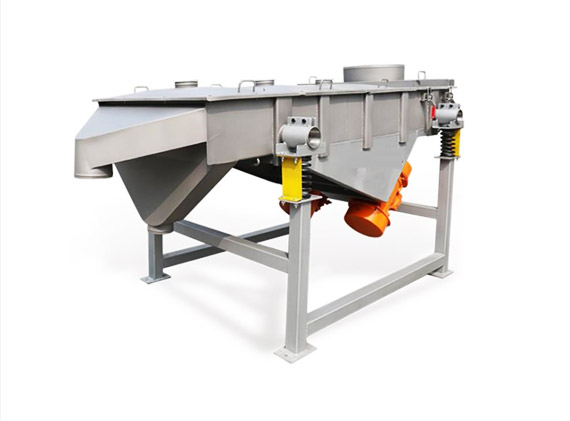 Linear Vibrating Screen Machine
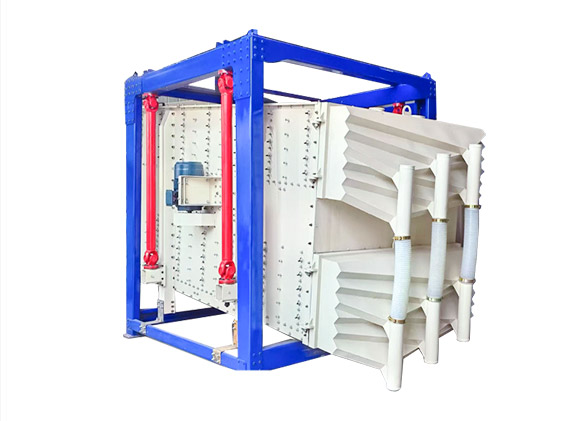 Swing Screen Machine
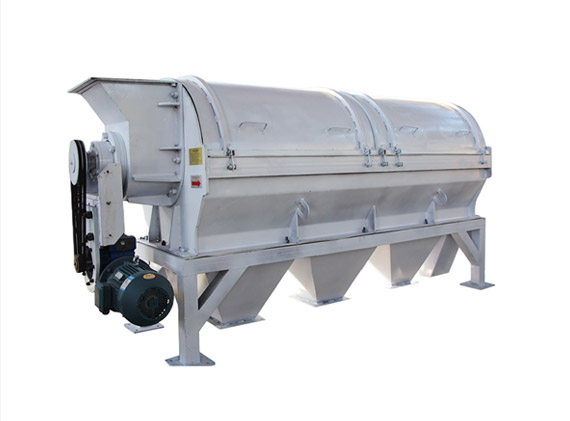 Tumbler Screen Machine
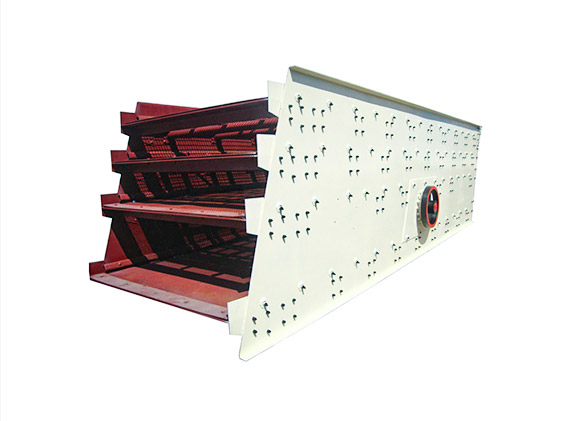 Circular Vibrating Screen
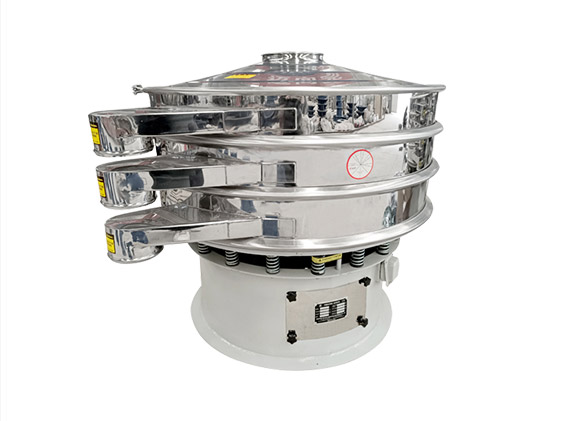 Cylindrical Rotary Vibrating Screen
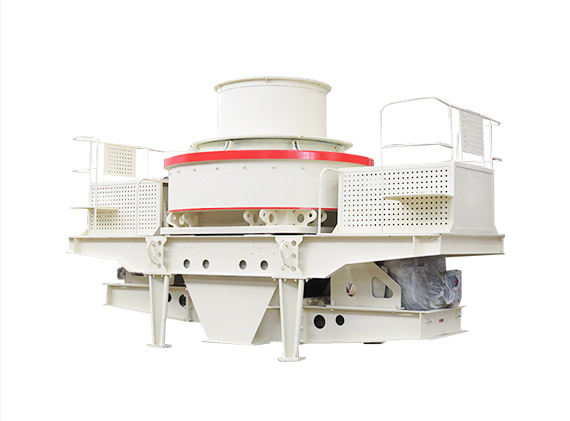 Sand Making Machine
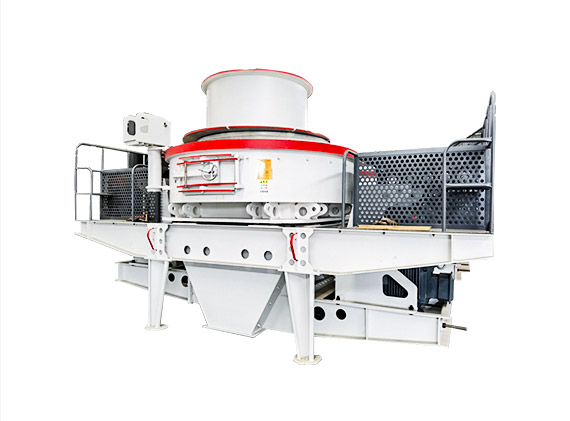 VSI Sand Making Machine
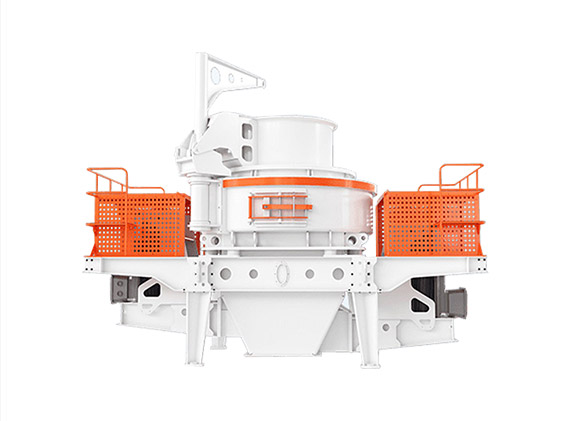 Impact Sand Making Machine
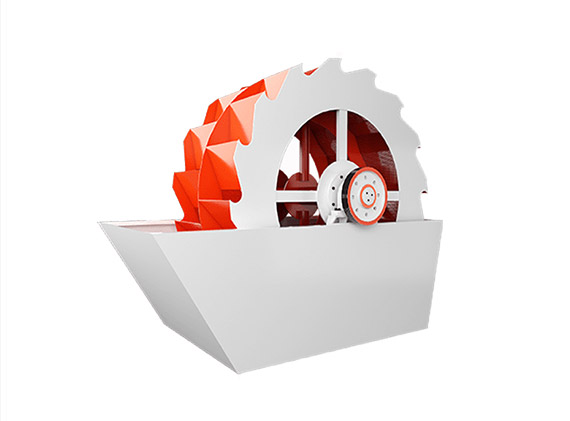 Sand Washing Machine
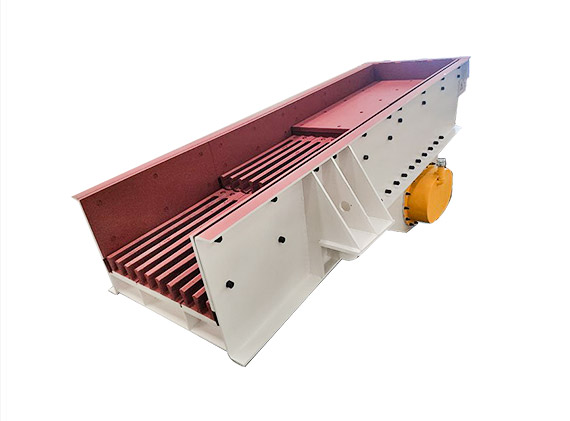 Vibrating Feeder
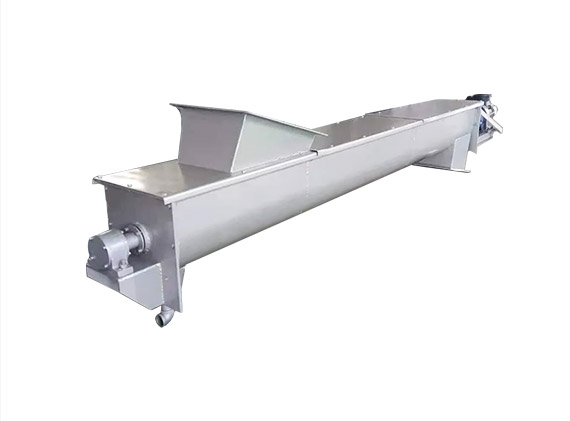 U-Shape Screw Reamer
 Belt Conveyor
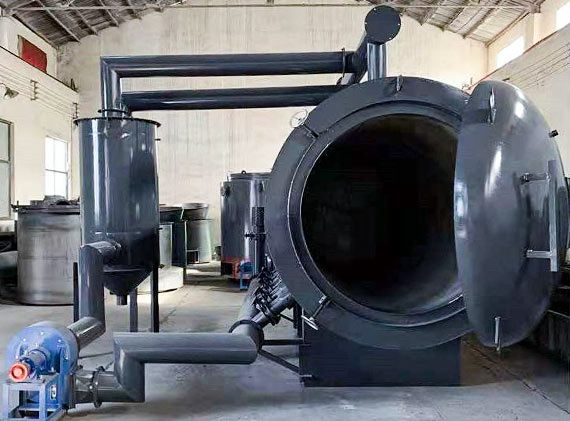 Horizontal Carbonization Furnace
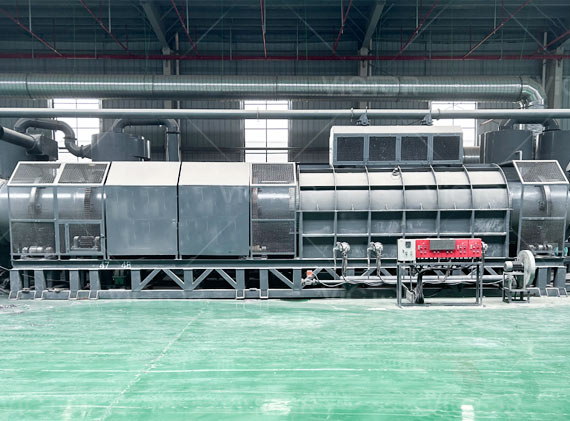 Wood Charcoal Carbonization Furnace
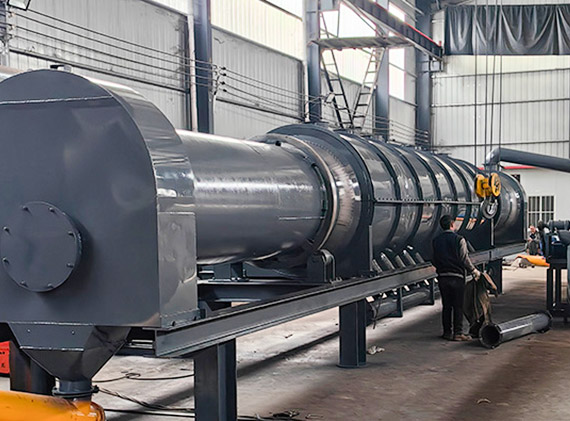 Waste Carbonization Furnace
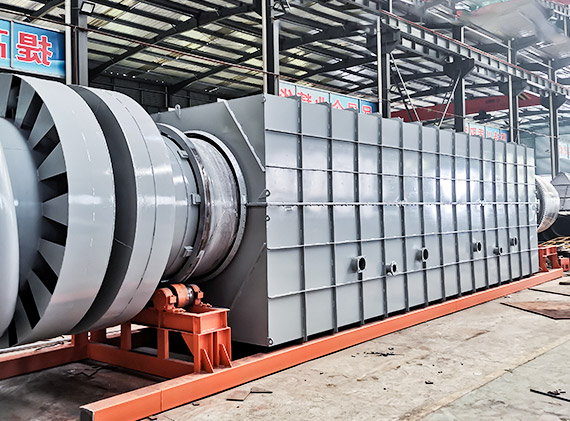 Sludge Continuous Carbonization Furnace
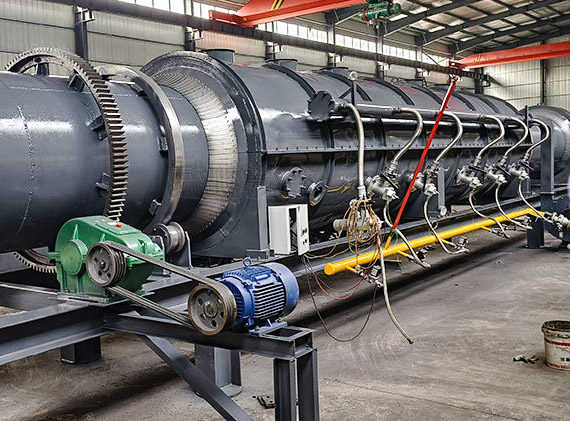 Biomass Carbonization Furnace
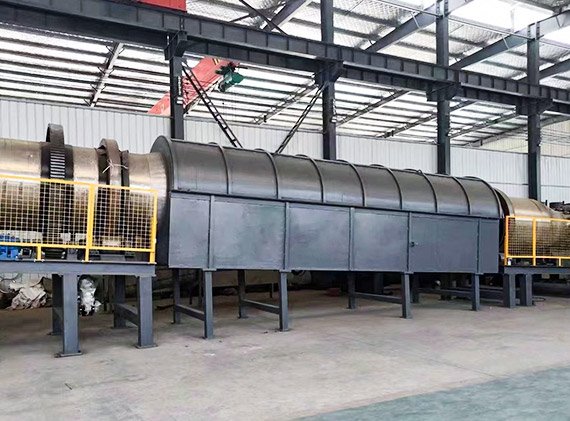 Coconut Shell Carbonization Furnace
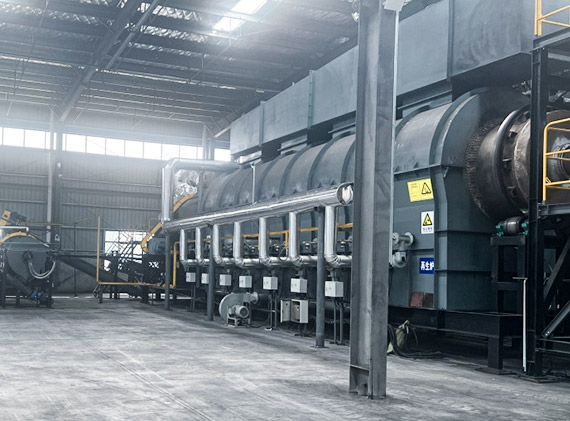 Continuous Carbonization Furnace
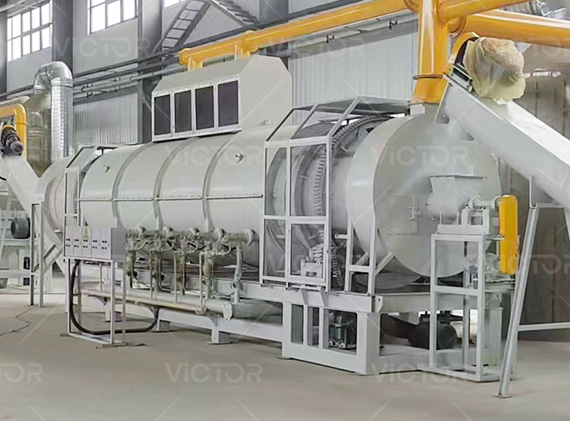 Biomass Pyrolysis Furnace
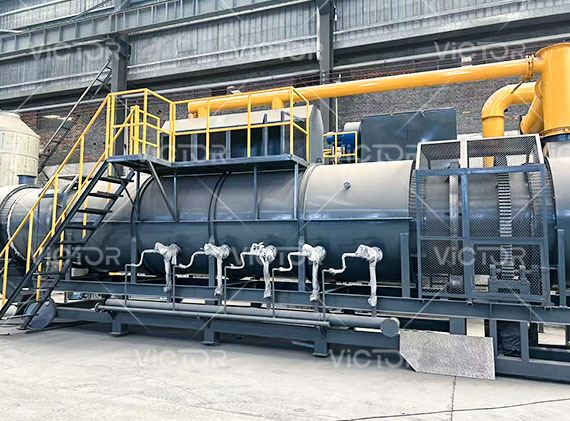 Lithium Battery Recycling Pyrolysis Furnace
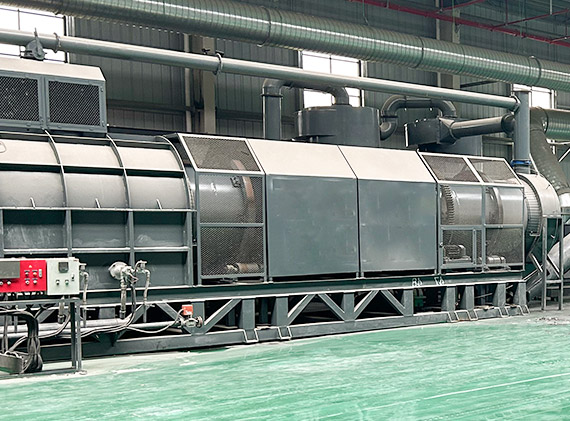 Solar PV Panel Recycling Pyrolysis Furnace
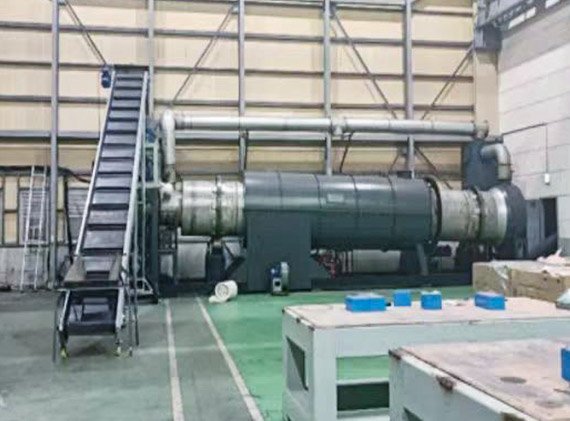 PCB Recycling Pyrolysis Furnace
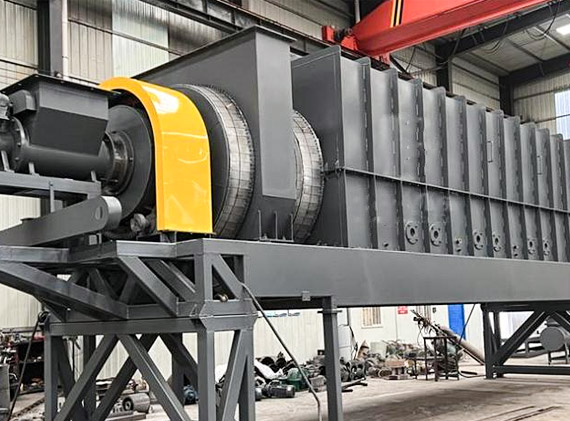 Carbonization Paint Removing Furnace
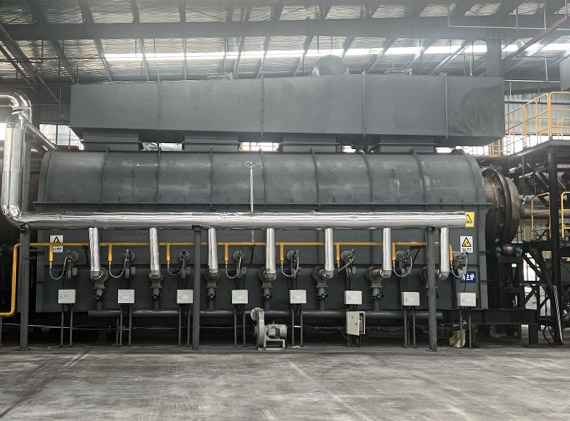 Capacitor Continuity Pyrolysis Furnace
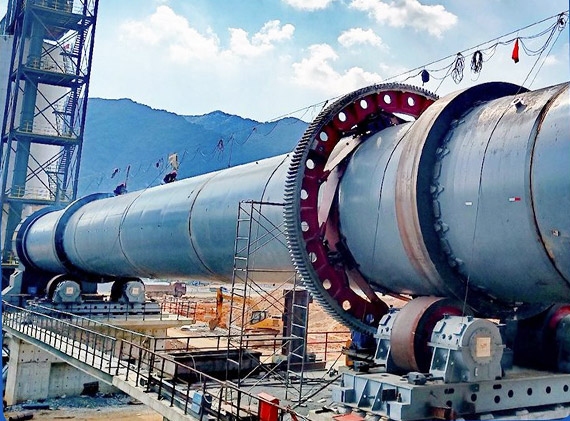 Rotary Kiln
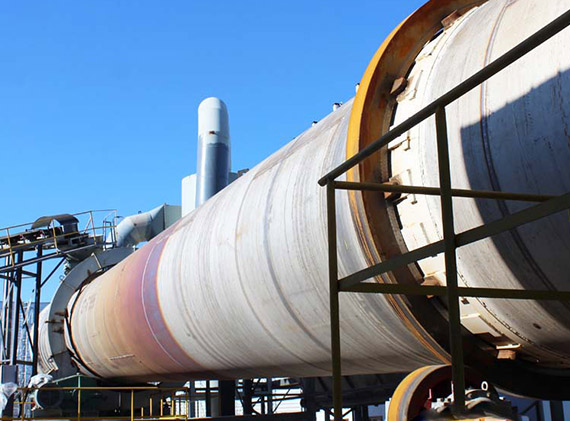 Waste Incineration Rotary Kiln
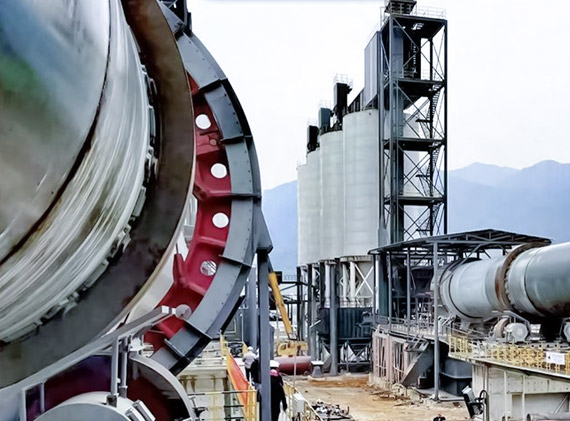 Metallurgical Rotary Kiln
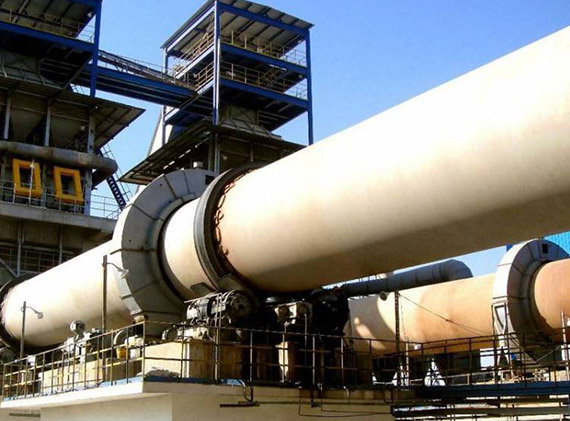 Cement Lime Rotary Kiln
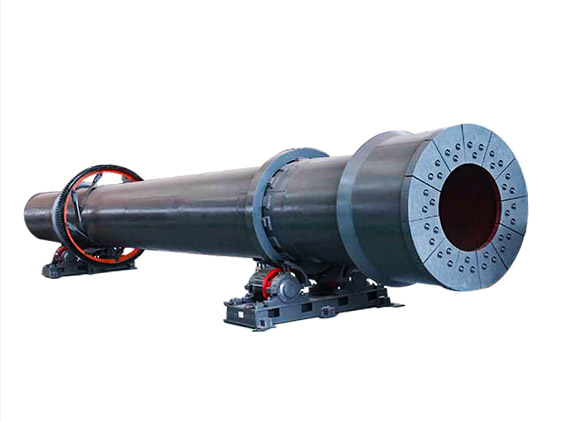 Rotary Drum Dryer Furnace
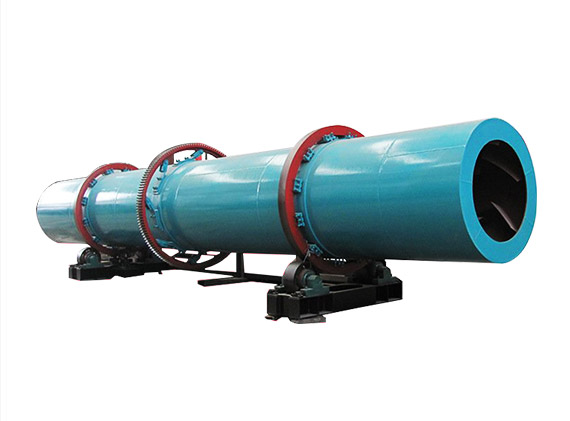 Drum Drying Dryer Furnace
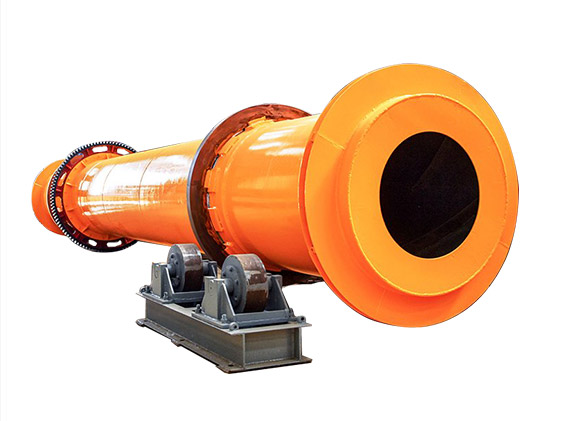 Industrial Dryer Furnace
 Lithium Battery Recycling Plant
 Solar Photovoltaic Panel Recycling Plant
 PCB Circuit Board Recycling Plant
 E Waste Recycling Plant
 Blog
Blog Company Blog
 Knowledge
 FAQ
FAQ