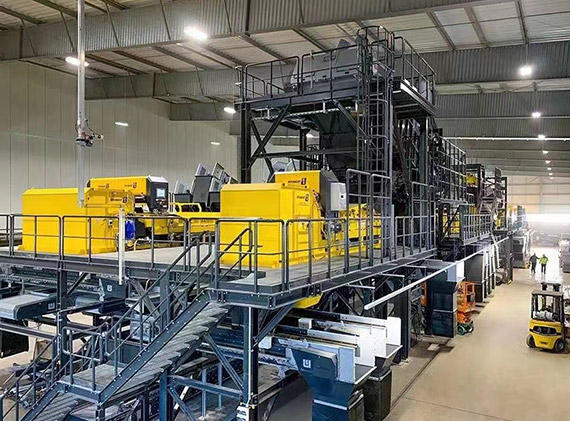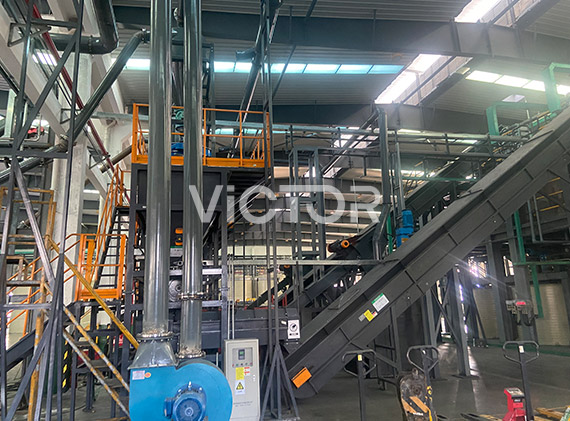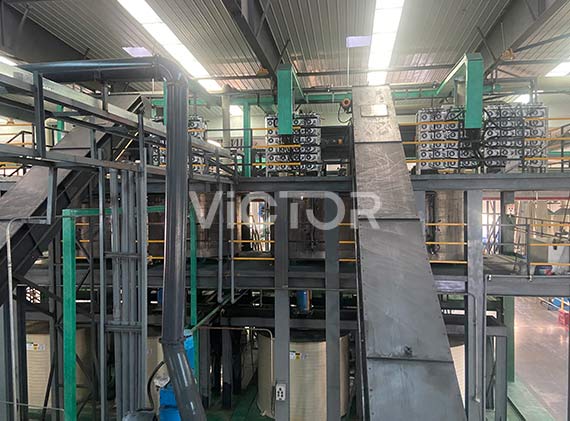



With the explosive growth of the new energy vehicle industry and energy storage sector, demand for lithium batteries continues to soar. The issue of recycling and processing the earliest batches of waste lithium batteries is becoming increasingly critical. Improper disposal of these discarded batteries not only wastes precious metal resources such as lithium, cobalt, and nickel, but also risks environmental pollution through electrolyte leakage and heavy metal leaching. After collection, what steps are required to transform these waste batteries into valuable resources? Today, we explore the complete lithium battery recycling machine and full-process recycling workflow, detailing the green regeneration journey of end-of-life lithium batteries.

Lithium battery recycling machine
Recovered waste lithium batteries retain residual charge. Direct dismantling poses risks of short circuits or combustion. The safest discharge method involves immersing the batteries in brine for 2-3 days. The brine concentration must be maintained between 8% and 15%. The brine penetrates the battery interior, causing a short circuit between the positive and negative electrodes, thereby rapidly discharging the battery. This releases the residual charge, ensuring subsequent safe recycling operations. Additionally, other discharge methods are available on the market, such as needle discharge and resistive discharge.
If the lithium battery has an external casing, the casing must first be dismantled. For automotive battery packs, the casing must be excised first, followed by removal of internal wiring harnesses, busbars, etc. This disassembles the waste battery pack into individual lithium batteries, facilitating subsequent recycling processing. Discharged waste lithium batteries are conveyed via a conveyor to an oxygen-free shredder for coarse crushing. This reduces them to 2-3cm battery fragments, aiding further separation and processing.
The shredded material is conveyed by a screw feeder into a low-temperature drying furnace. The entire drying process is controlled at temperatures between 100-400°C. During this process, residual electrolyte and organic compounds within the batteries are fully volatilised, creating optimal drying conditions for subsequent sorting. The lithium battery recycling machine employs a dry, physical mechanical method. The drier the material, the more effective subsequent sorting becomes.
A hammer crusher employs high-speed impact to thoroughly disintegrate the material, preventing agglomeration. The crushed material is then conveyed into a fully sealed drum screen. Screening through a 120-mesh sieve yields approximately 60% Black Mass after the initial sorting stage.
The remaining mixed material undergoes air separation to extract lighter plastic separators. Multiple air separation units ensure pure plastic separator recovery. Residual mixtures are processed through a powerful magnetic separator to remove ferrous elements such as magnetic casings and iron shells.
The material is further processed using a blade crusher to reduce metallic components to less than 2mm. Subsequent screening occurs via a secondary drum screen, featuring a 12-mesh bottom screen. This stage achieves a black powder recovery rate exceeding 96%.
Remaining battery fragments undergo grinding in high-speed mills to produce uniform powder. A high-precision rotary vibrating screen performs final sorting, achieving 99% black powder recovery. This enhances metal resource extraction efficiency.
The copper-aluminium mixture then passes through an air-flow density separator. Leveraging material density differences and airflow direction, this effectively separates copper and aluminium particles. The denser copper settles and moves towards the upper end, while the less dense aluminium remains suspended and flows towards the lower end. This achieves highly efficient copper-aluminium separation.
Following all these steps, the Black Mass, plastic separators, iron, copper, and aluminium from waste lithium batteries can be efficiently separated and recovered. These recycled materials can directly enter downstream markets for use in producing new battery materials or other industrial products. This truly achieves a green cycle of resources-products-recycling. These reclaimed materials can directly enter downstream markets for use in manufacturing new battery components or other industrial products, thereby establishing a genuine green cycle of resource-product-regeneration.
Lithium battery recycling not only substantially reduces environmental burdens but has become a pivotal component in sustainable resource utilisation. It holds immense economic value and social benefits. Should you be interested in our lithium battery recycling equipment, please do not hesitate to contact us.
The URL for this article is: https://www.victorsmachine.com/faq/how-are-lithium-batteries-recyclable/ Please credit the source when reposting. Thank you.
We know how to get energy from waste. Let’s build better future for everyone, together !
Victor Machinery is a manufacturer of machinery and equipment. The main products are: shredder, crusher, carbonization furnace equipment, mining equipment, recycling machinery, etc.
Our ever-evolving offering for mining and construction covers crushing, screening, breaking, demolition, and service solutions – designed to increase productivity and boost your bottom line.
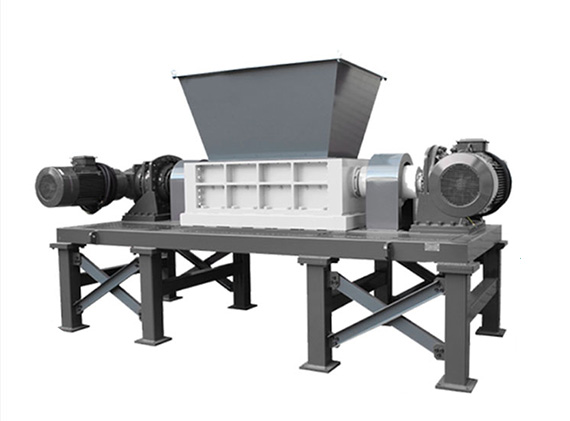 Double Shaft Shredder Machine
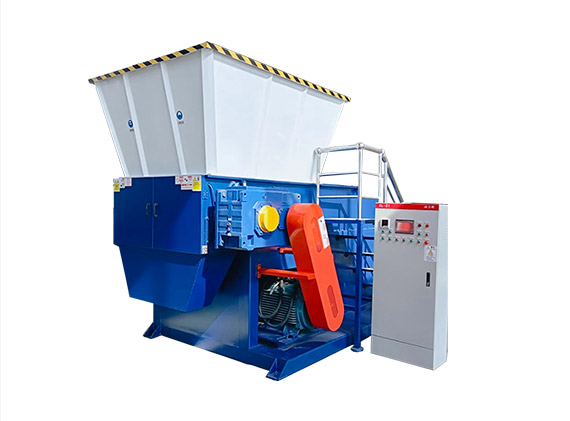 Single Shaft Shredder Machine
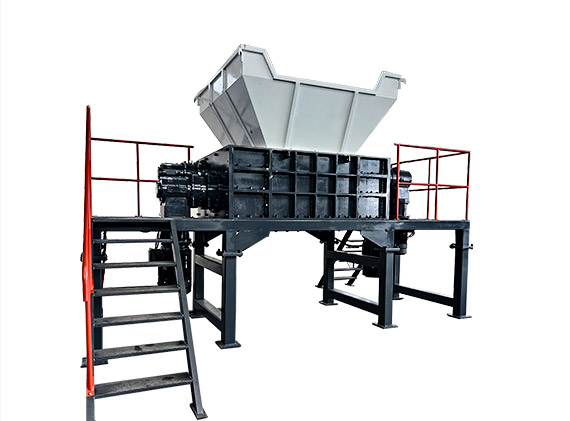 Four Shaft Shredder Machine
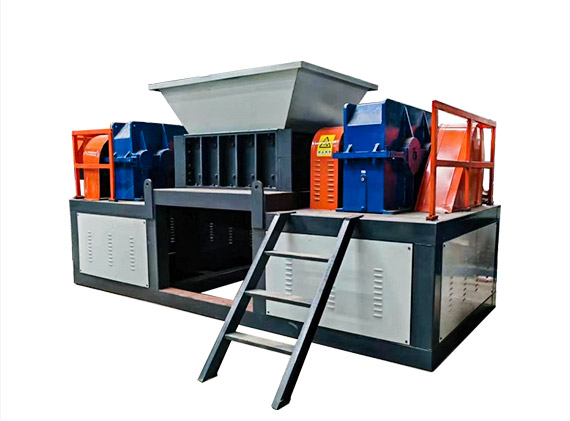 Tyre Shredder Machine
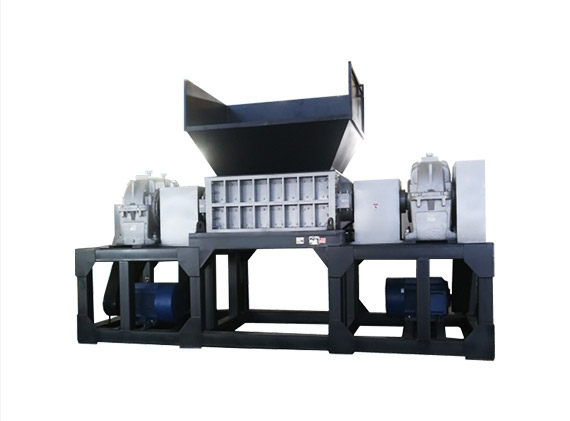 Metal Shredder Machine
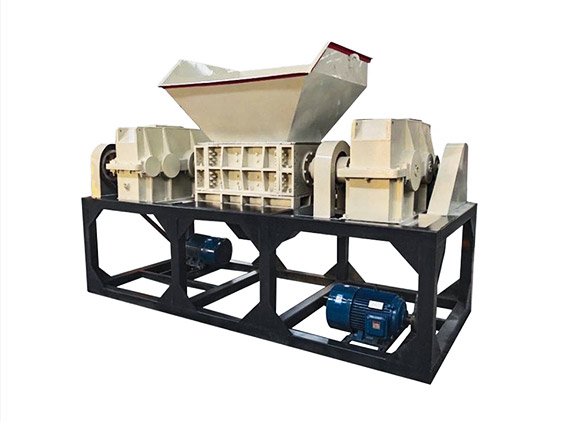 Wood Shredder Machine
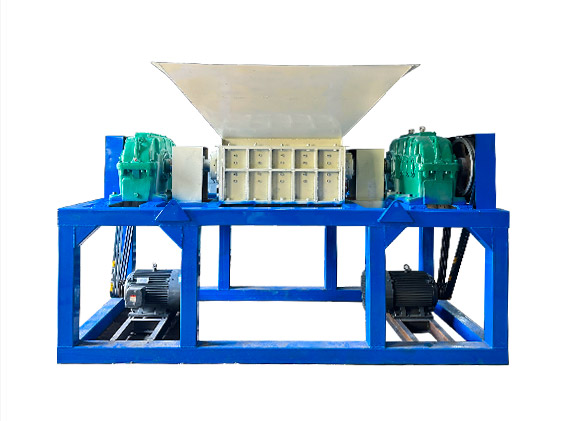 Plastic Shredder Machine
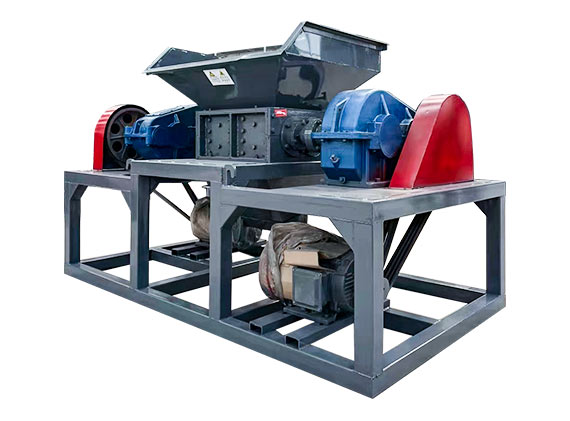 UBC Aluminum Can Shredder Machine
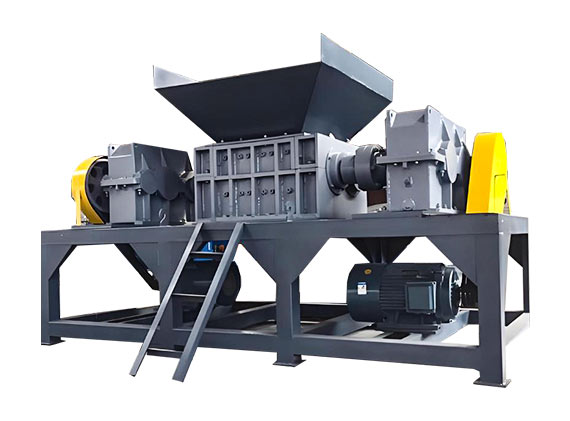 Lithium-ion Battery Shredder Machine
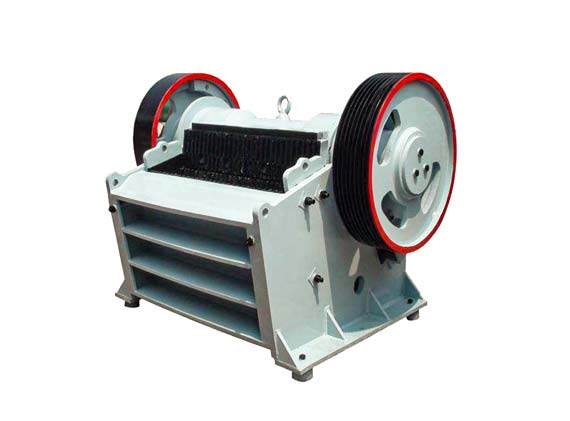 Mini Small Jaw Crusher
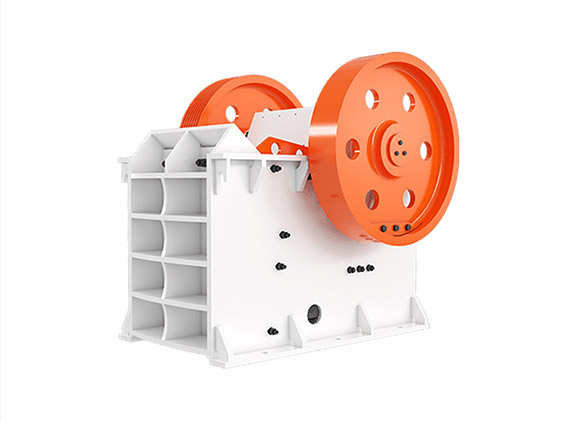 Jaw Crusher
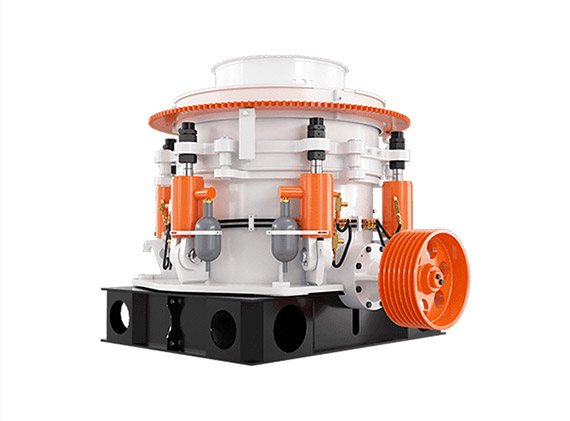 Cone Crusher
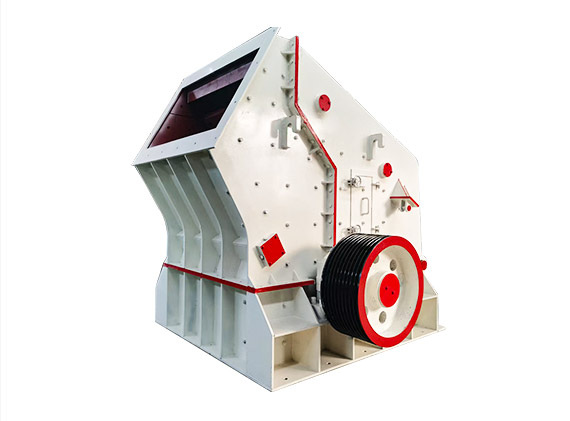 Impact Crusher
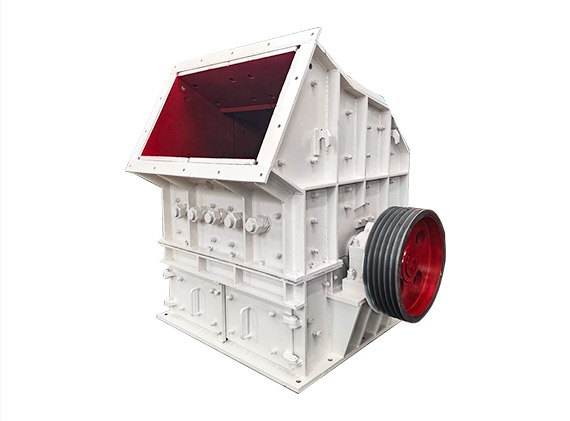 Hammer Crusher
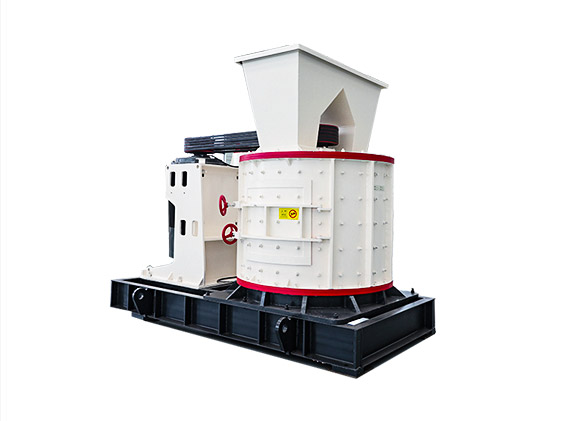 Impact Mill Crusher
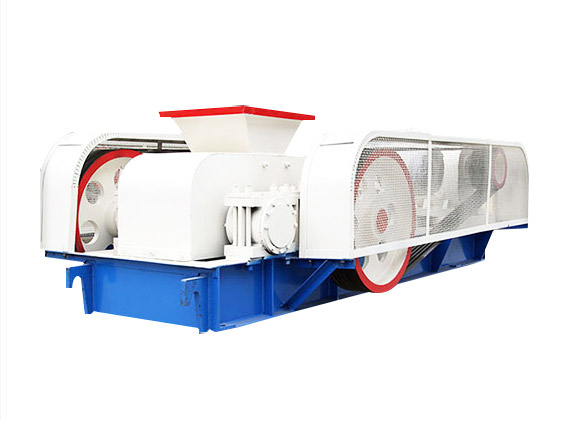 Roll Crusher
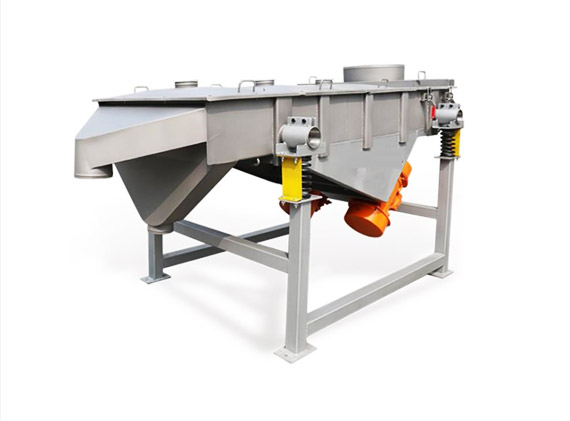 Linear Vibrating Screen Machine
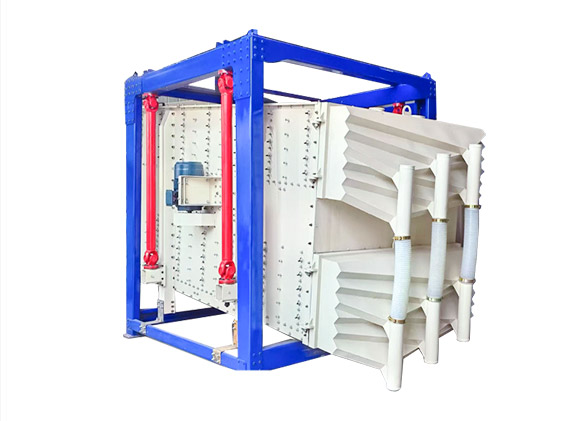 Swing Screen Machine
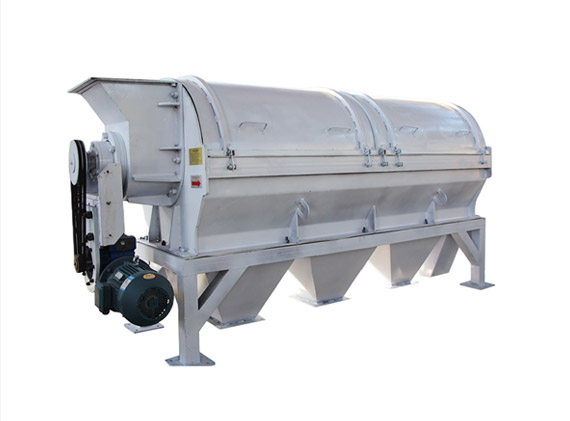 Tumbler Screen Machine
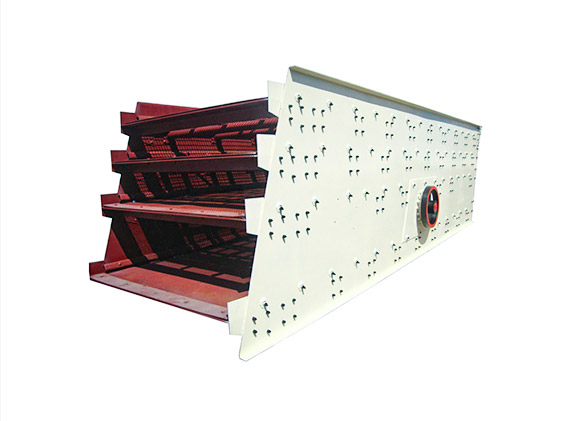 Circular Vibrating Screen
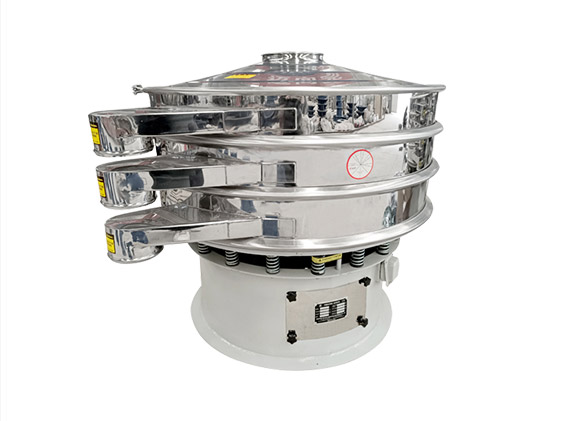 Cylindrical Rotary Vibrating Screen
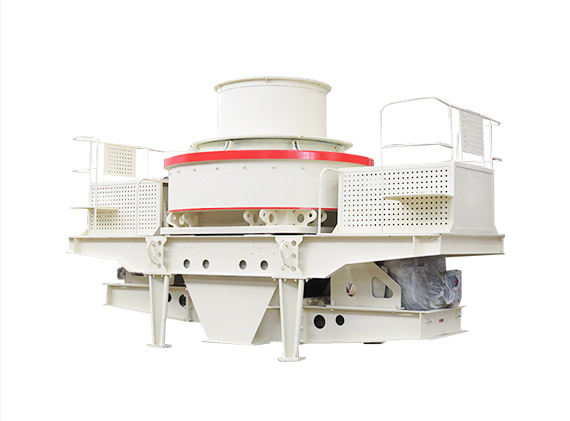 Sand Making Machine
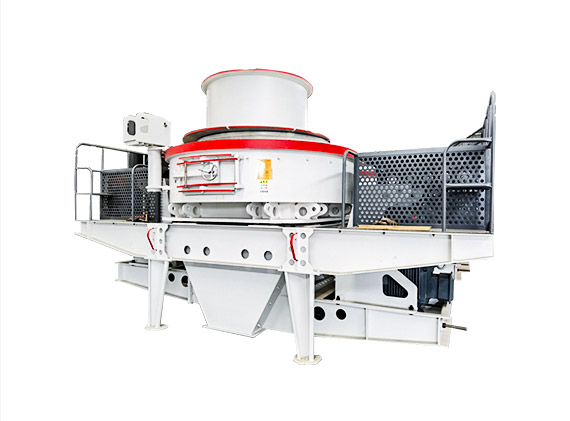 VSI Sand Making Machine
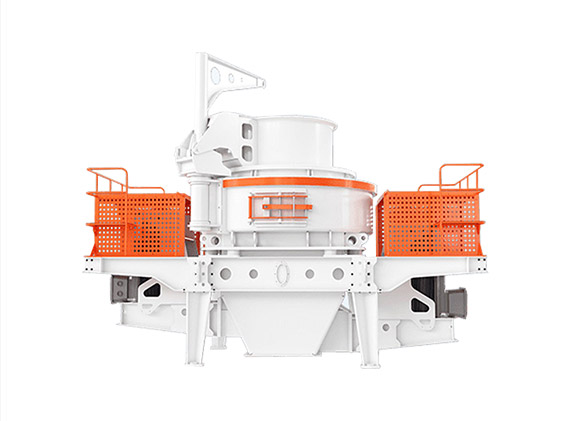 Impact Sand Making Machine
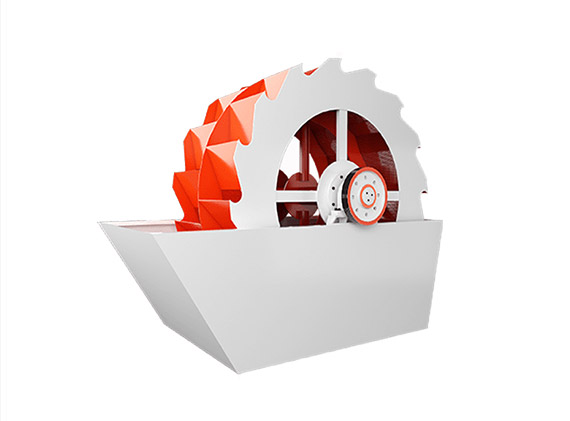 Sand Washing Machine
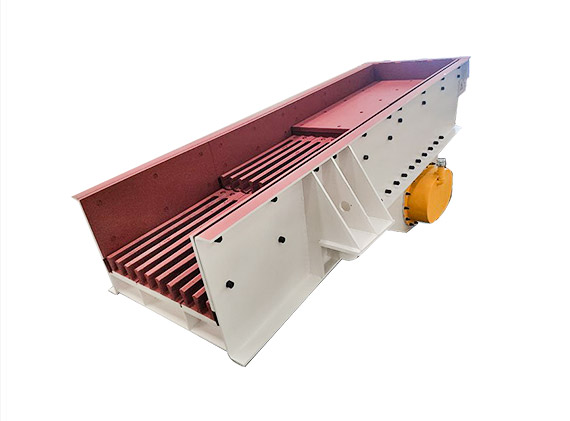 Vibrating Feeder
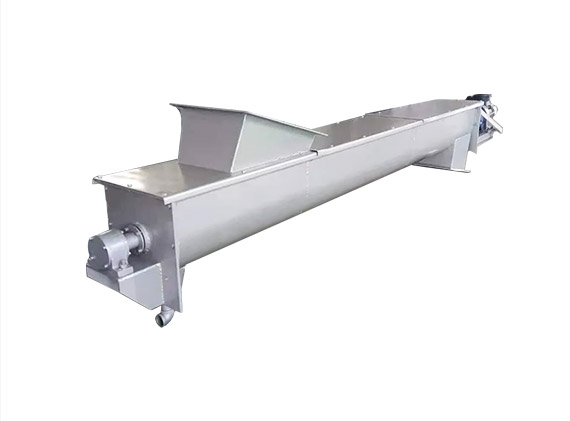 U-Shape Screw Reamer
 Belt Conveyor
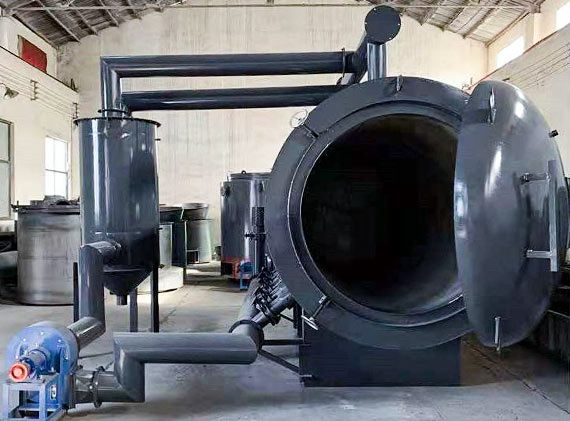 Horizontal Carbonization Furnace
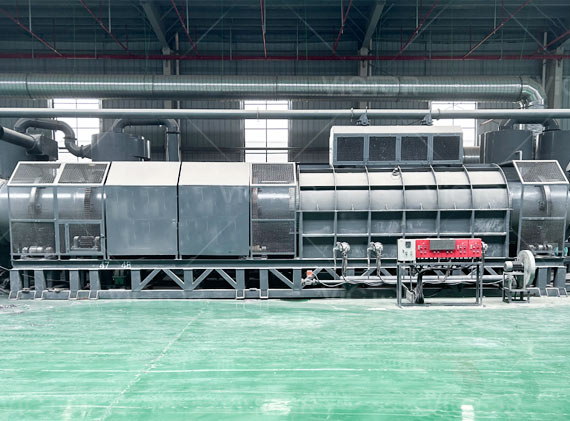 Wood Charcoal Carbonization Furnace
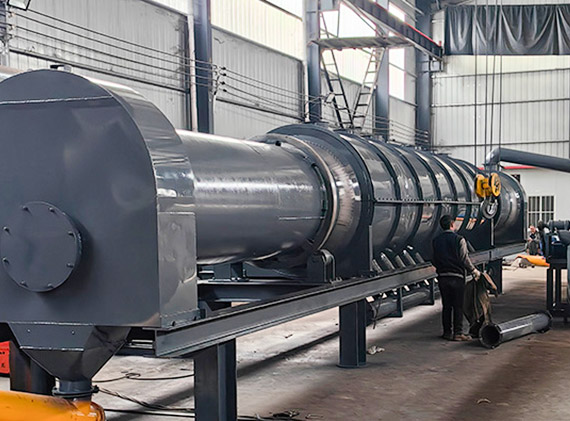 Waste Carbonization Furnace
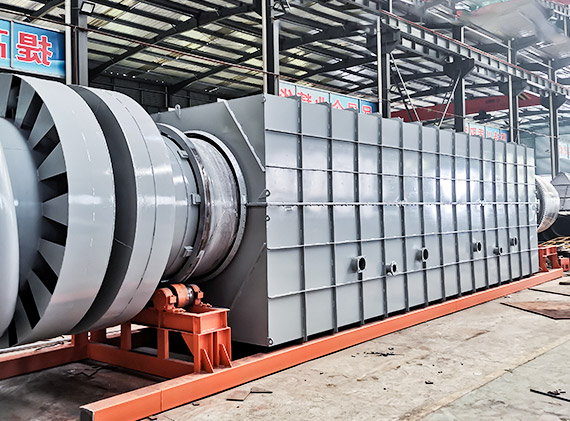 Sludge Continuous Carbonization Furnace
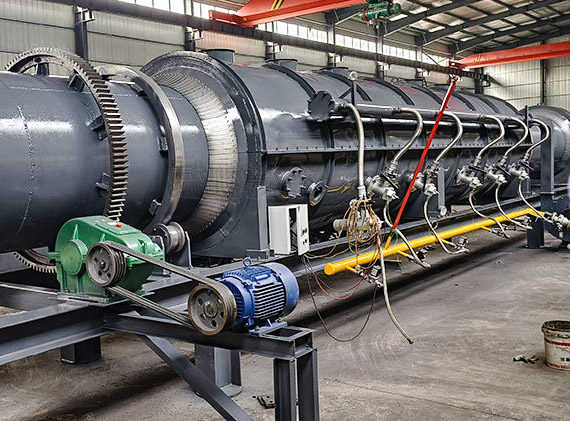 Biomass Carbonization Furnace
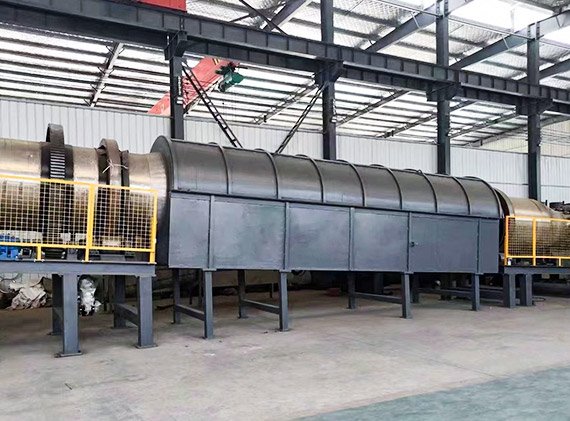 Coconut Shell Carbonization Furnace
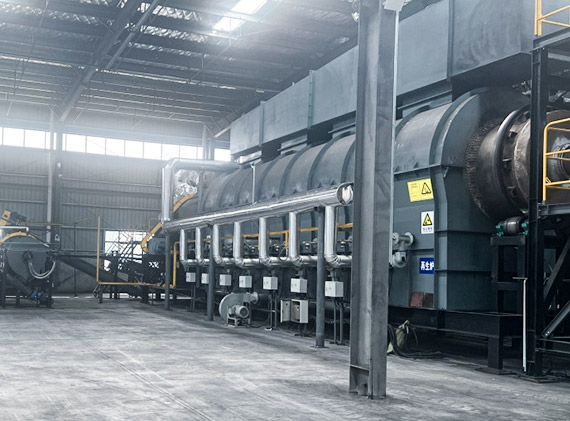 Continuous Carbonization Furnace
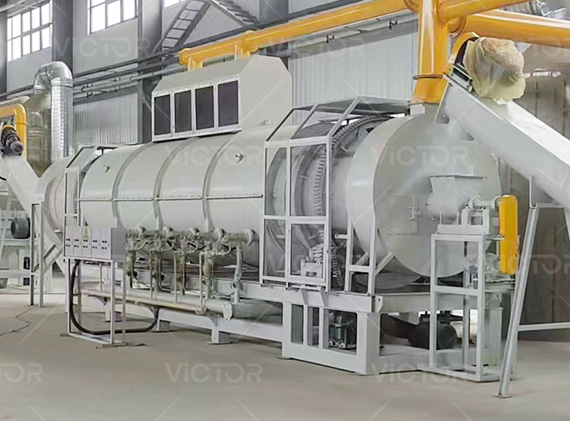 Biomass Pyrolysis Furnace
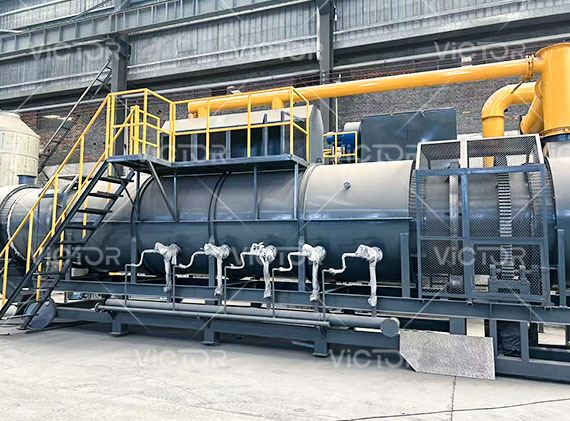 Lithium Battery Recycling Pyrolysis Furnace
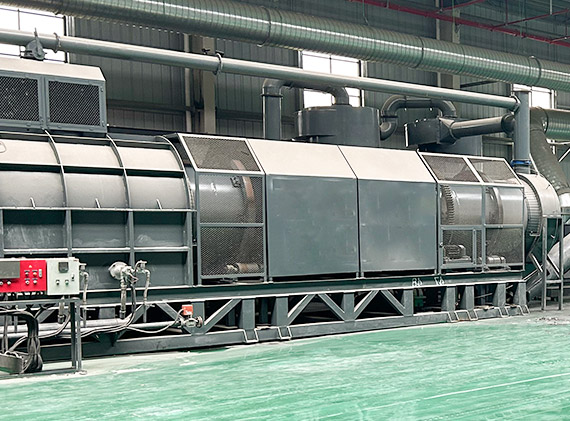 Solar PV Panel Recycling Pyrolysis Furnace
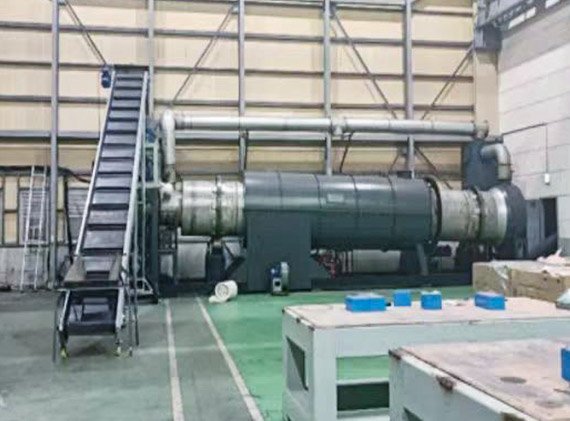 PCB Recycling Pyrolysis Furnace
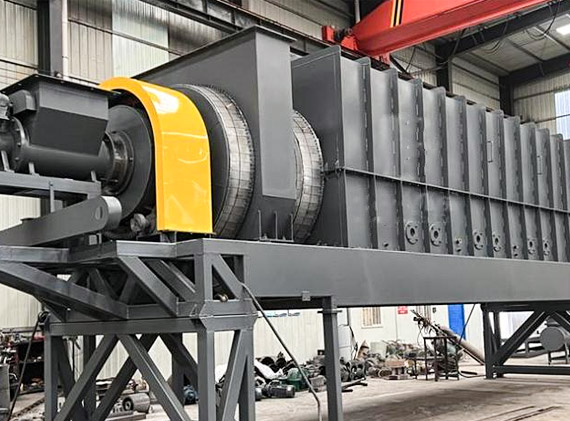 Carbonization Paint Removing Furnace
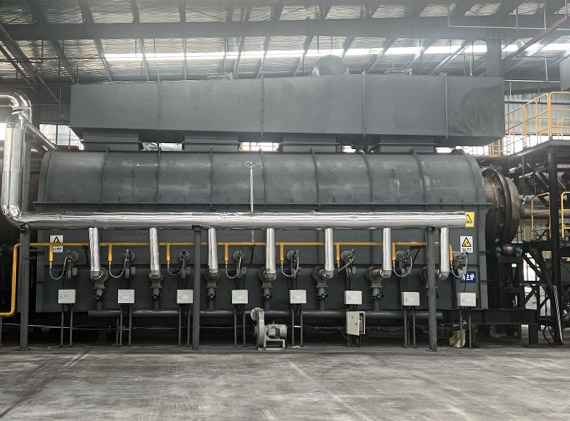 Capacitor Continuity Pyrolysis Furnace
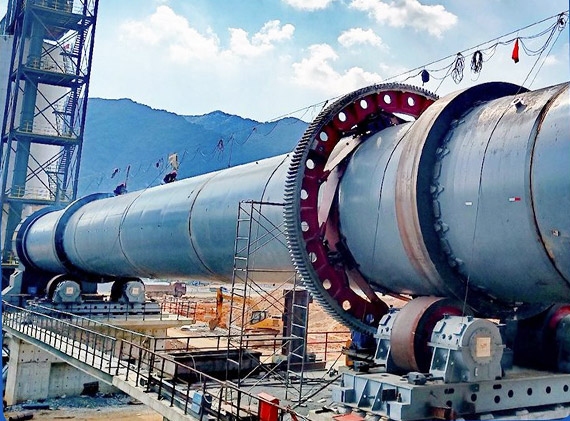 Rotary Kiln
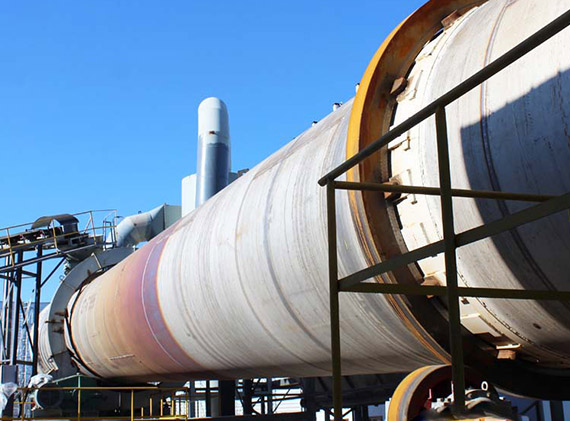 Waste Incineration Rotary Kiln
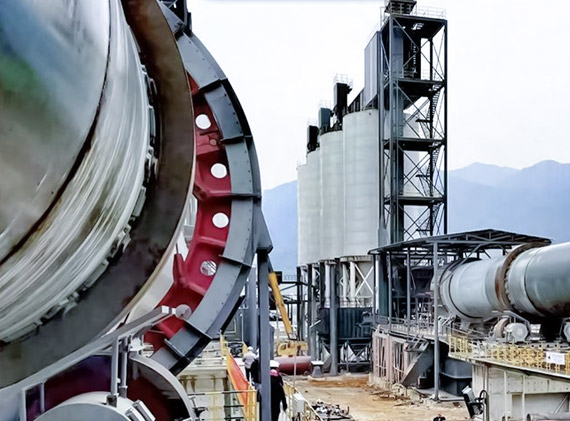 Metallurgical Rotary Kiln
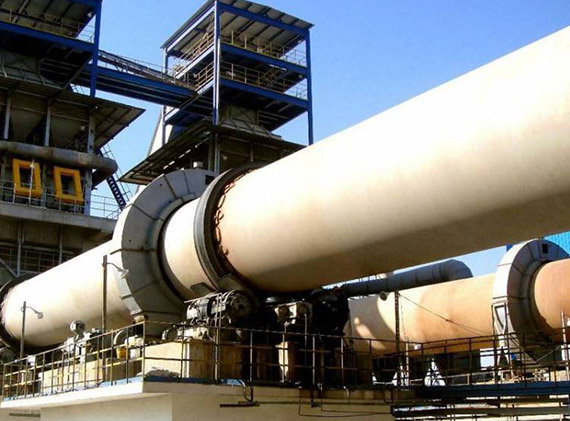 Cement Lime Rotary Kiln
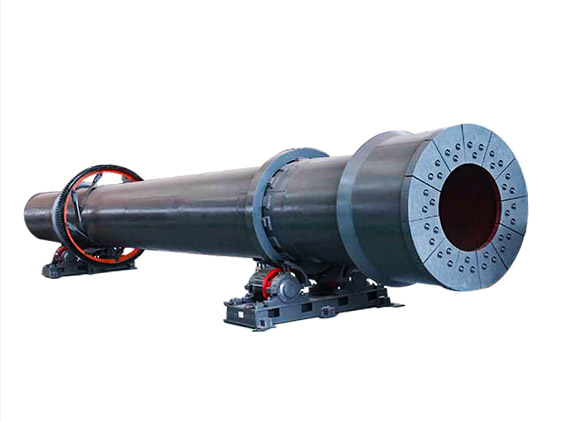 Rotary Drum Dryer Furnace
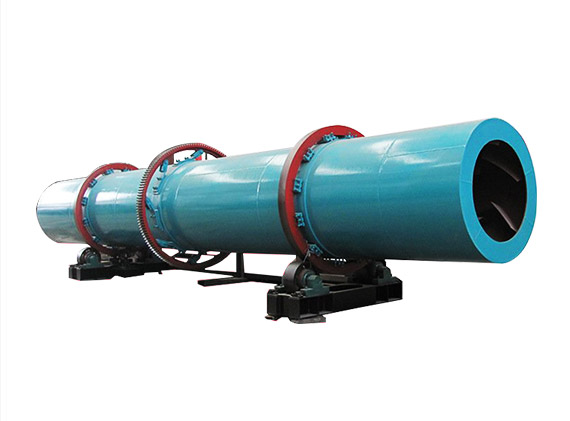 Drum Drying Dryer Furnace
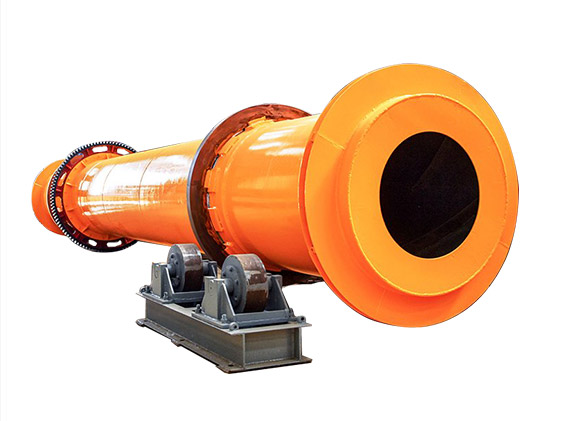 Industrial Dryer Furnace
 Lithium Battery Recycling Plant
 Solar Photovoltaic Panel Recycling Plant
 PCB Circuit Board Recycling Plant
 E Waste Recycling Plant
 Blog
Blog Company Blog
 Knowledge
 FAQ
FAQ