



The hammer crusher is a common type of crushing equipment. It is primarily used for crushing medium-hardness and brittle materials. The hammer crusher operates by employing high-speed rotating hammers to impact, crush, and collide with the material. Multiple sets of hammers are fixed to the main shaft rotor. The rotor is driven by an electric motor, causing the hammers to rotate at high speed. Material enters the crushing chamber, where it undergoes impact and collision from the hammers, thereby being reduced to the required granular size. Today we shall provide a detailed introduction to the structure of the hammer crusher.
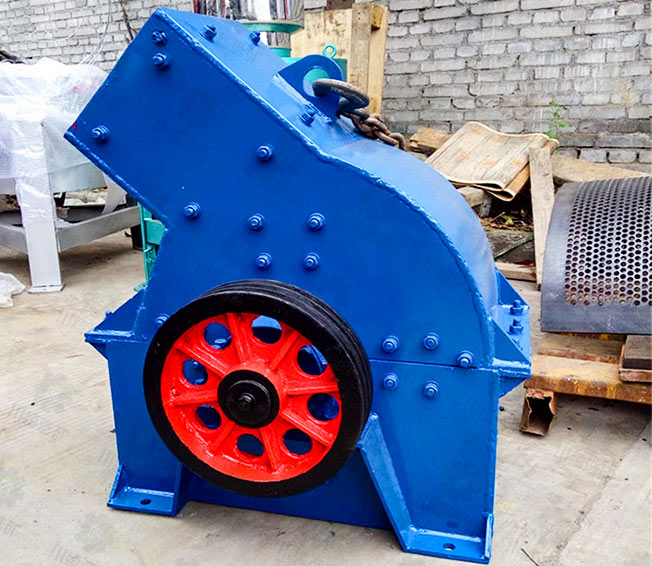
What Is The Structure Of A Hammer Crusher?
These constitute the primary components of the hammer crusher. The quality, shape, and material of the hammers directly influence the equipment’s production capacity and performance. As hammers are wear parts, Regular replacement is required. To facilitate maintenance and reduce hammer replacement time and labour intensity, modular hammer heads are now predominantly used.
The rotor comprises the main shaft, hammer discs, pins, and hammer heads. Hammer heads are suspended from the hammer discs via pins. The main shaft is supported on the crusher’s main body by adjustable rolling bearings. Driven by a high-speed motor, the rotor rotates at high velocity, propelling the hammer heads to crush the material.
During operation, material undergoes rapid impact from the hammer heads. The impact liner absorbs this impact and undergoes secondary crushing. Typically cast from high-manganese steel and subjected to strengthening treatments, the liner ensures superior wear resistance and impact resilience.
Comprising an arched screen frame and screen plate, it is positioned beneath the rotor. The screen plate primarily discharges material meeting specified particle size through its apertures while controlling output particle dimensions. The screen apertures progressively widen and incline downward to facilitate material discharge.
Primarily comprising an electric motor, flexible coupling, and main shaft. The motor directly drives the main shaft via the flexible coupling. The main shaft is mounted within bearing housings on both sides of the frame using spherical self-aligning ball bearings.
The hammer crusher’s housing and frame. Typically composed of a lower body, rear upper cover, left side wall, and right side wall. These components are connected by bolts. The frame interior is lined with high-manganese steel liners for housing protection and ease of replacement. The lower body is fabricated from welded carbon steel, incorporating bearing supports and the rotor assembly.
Hammer crushers impose specific requirements on raw material moisture content and viscosity. Excessive dampness or water content adversely affects crushing efficiency. Consequently, comprehensive factors must be considered when selecting hammer crushers to ensure production requirements are met.
The URL for this article is: https://www.victorsmachine.com/company-blog/what-is-the-structure-of-a-hammer-crusher/ Please credit the source when reposting. Thank you.
We know how to get energy from waste. Let’s build better future for everyone, together !
Victor Machinery is a manufacturer of machinery and equipment. The main products are: shredder, crusher, carbonization furnace equipment, mining equipment, recycling machinery, etc.
Our ever-evolving offering for mining and construction covers crushing, screening, breaking, demolition, and service solutions – designed to increase productivity and boost your bottom line.
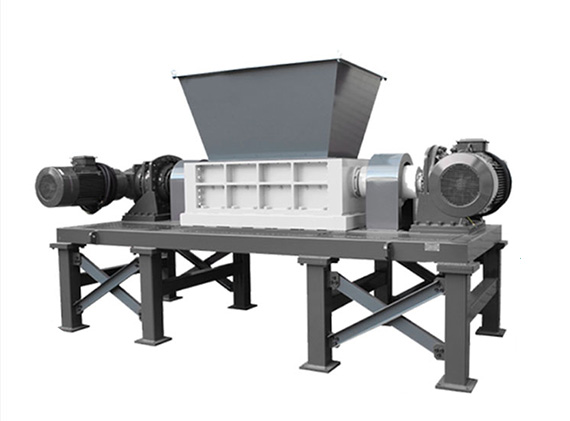 Double Shaft Shredder Machine
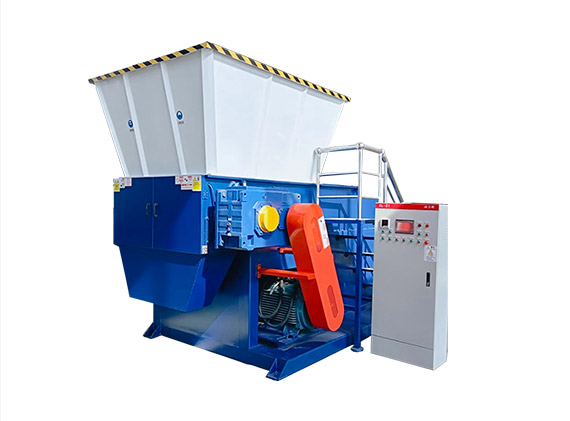 Single Shaft Shredder Machine
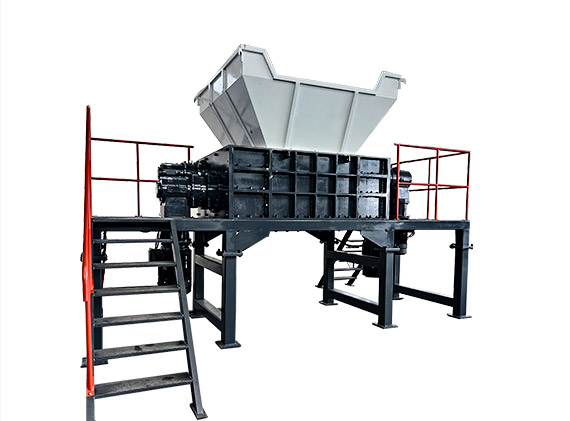 Four Shaft Shredder Machine
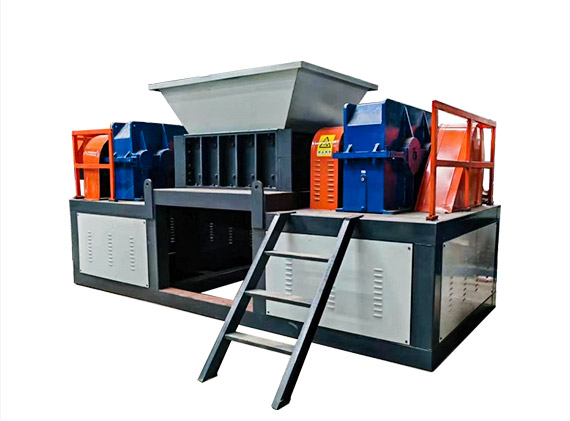 Tyre Shredder Machine
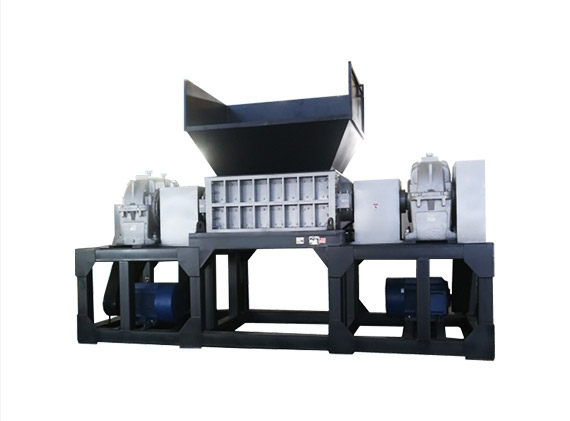 Metal Shredder Machine
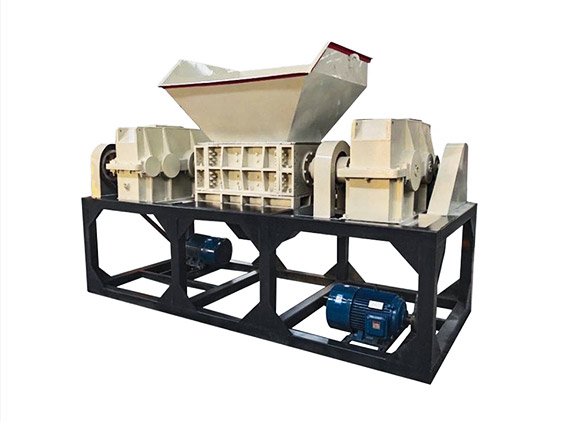 Wood Shredder Machine
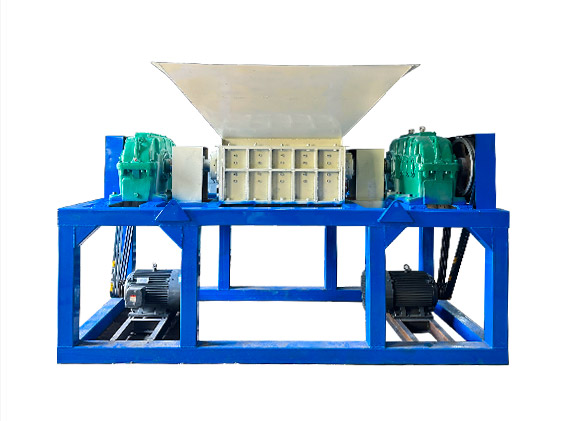 Plastic Shredder Machine
 UBC Aluminum Can Shredder Machine
 Lithium-ion Battery Shredder Machine
 Mini Small Jaw Crusher
 Jaw Crusher
 Cone Crusher
 Impact Crusher
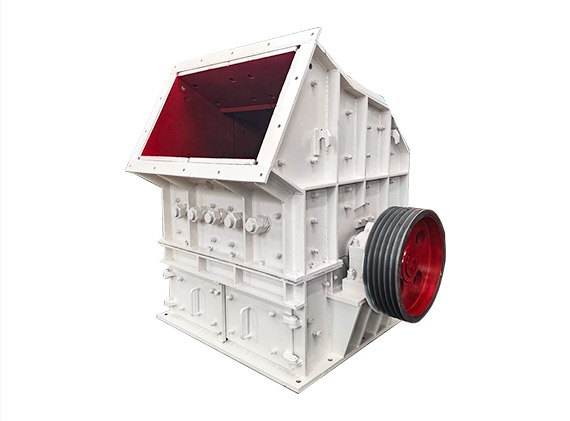 Hammer Crusher
 Impact Mill Crusher
 Roll Crusher
 Linear Vibrating Screen Machine
 Swing Screen Machine
 Tumbler Screen Machine
 Circular Vibrating Screen
 Cylindrical Rotary Vibrating Screen
 Sand Making Machine
 VSI Sand Making Machine
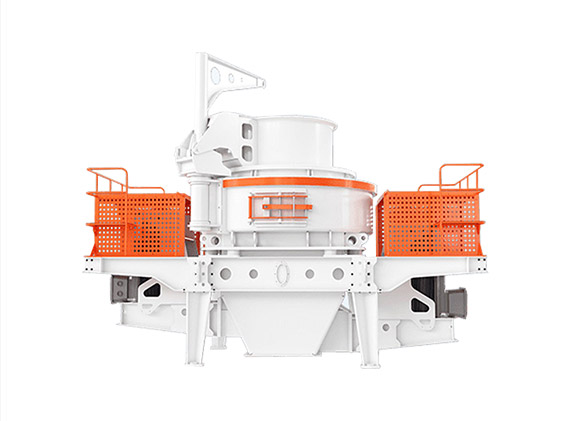 Impact Sand Making Machine
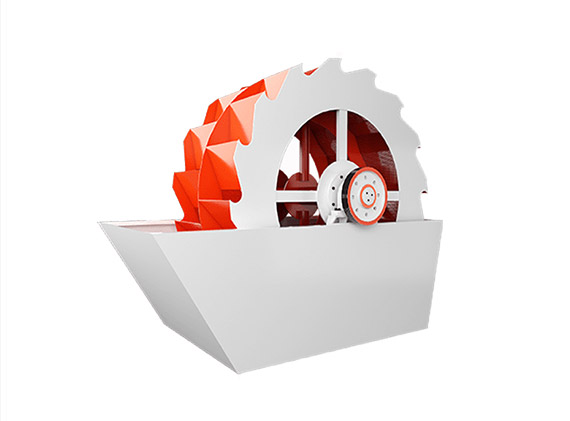 Sand Washing Machine
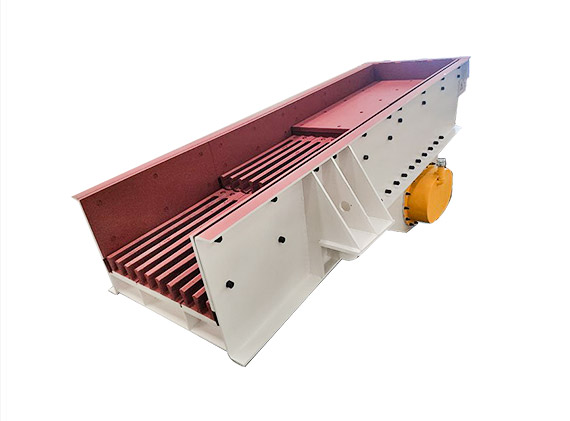 Vibrating Feeder
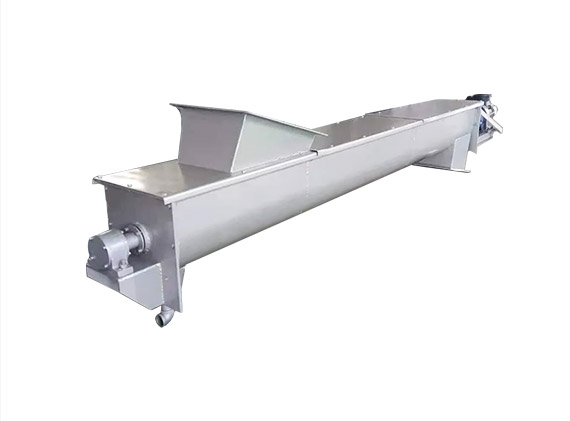 U-Shape Screw Reamer
 Belt Conveyor
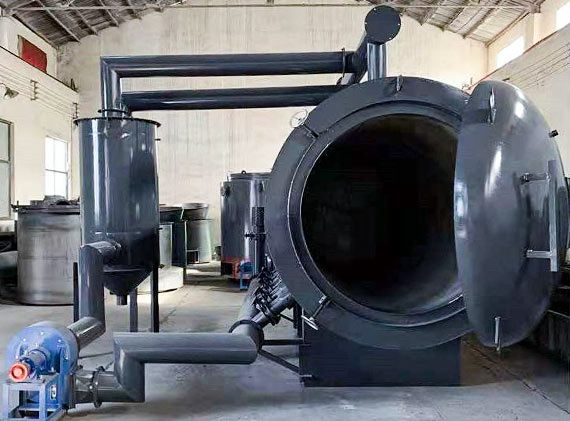 Horizontal Carbonization Furnace
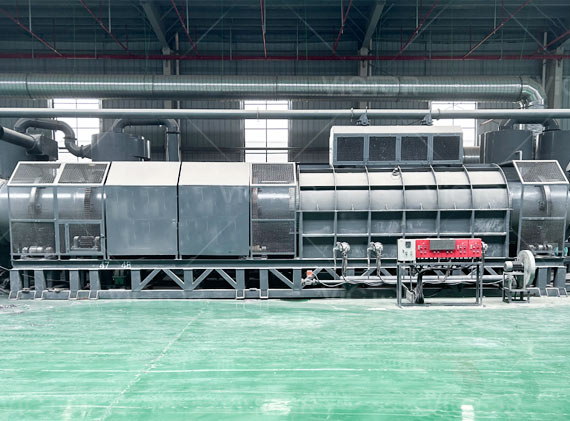 Wood Charcoal Carbonization Furnace
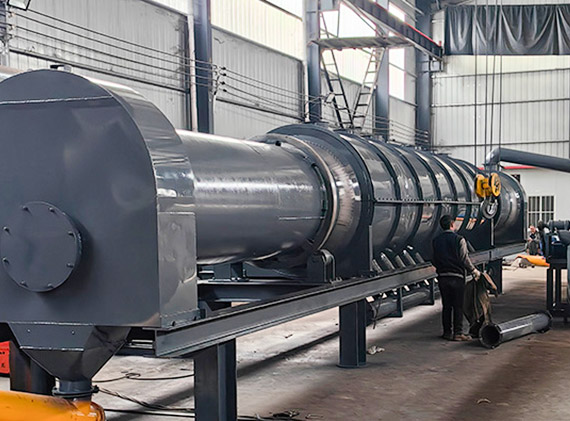 Waste Carbonization Furnace
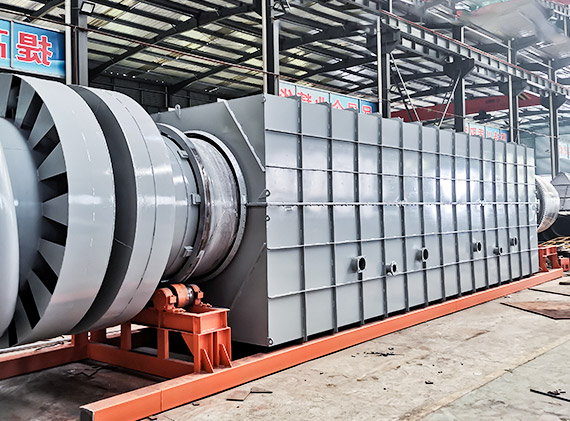 Sludge Continuous Carbonization Furnace
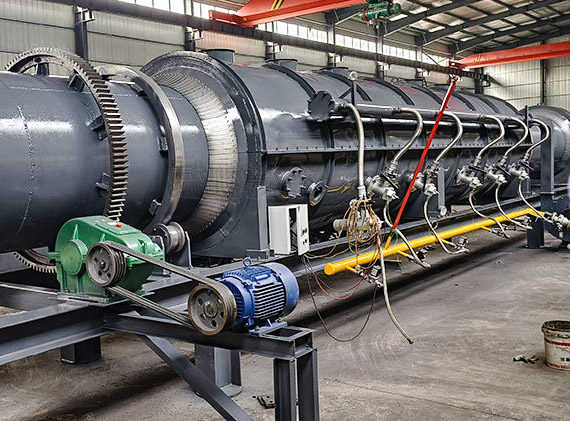 Biomass Carbonization Furnace
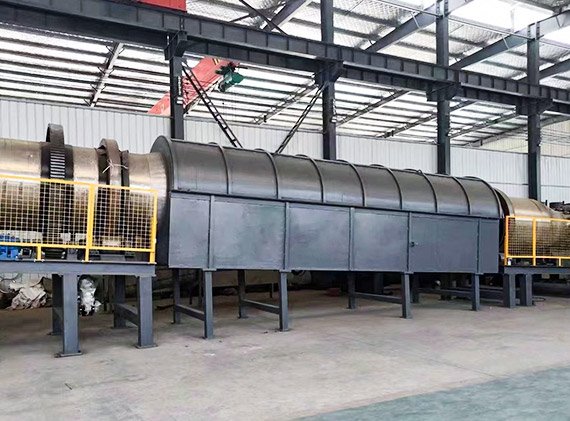 Coconut Shell Carbonization Furnace
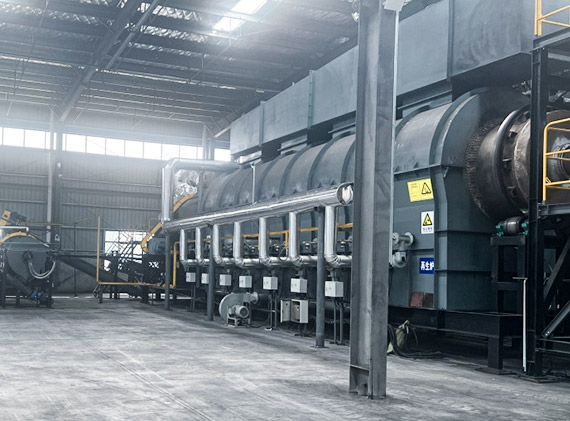 Continuous Carbonization Furnace
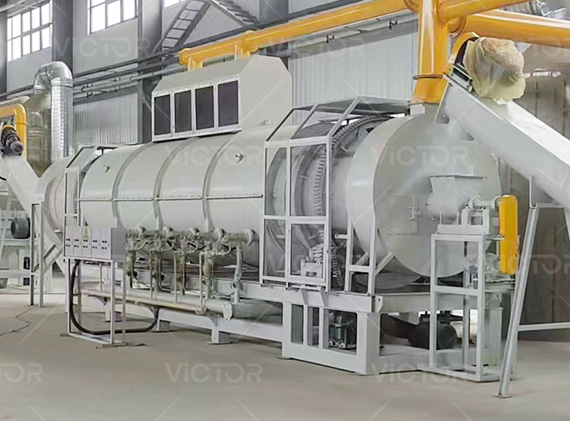 Biomass Pyrolysis Furnace
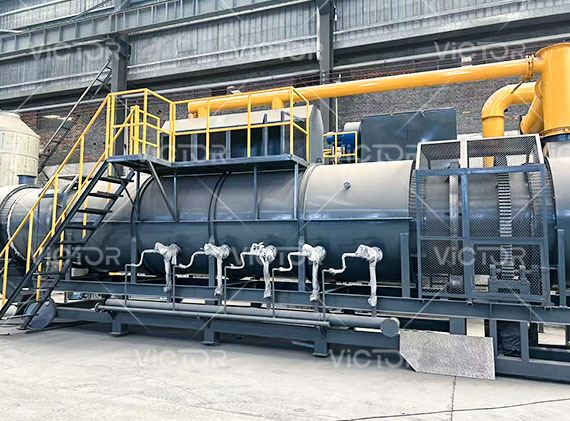 Lithium Battery Recycling Pyrolysis Furnace
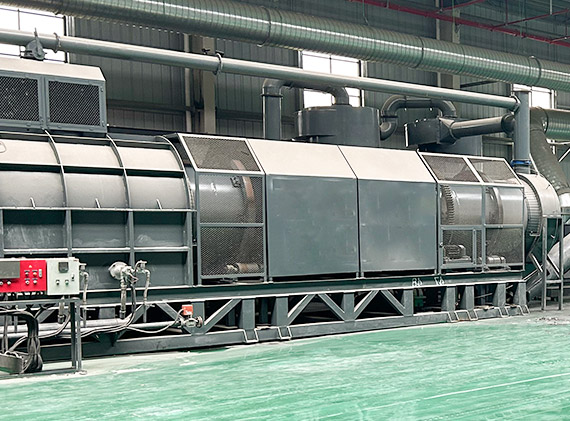 Solar PV Panel Recycling Pyrolysis Furnace
 PCB Recycling Pyrolysis Furnace
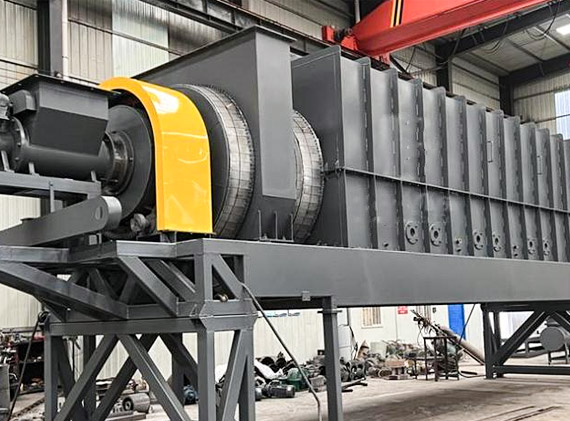 Carbonization Paint Removing Furnace
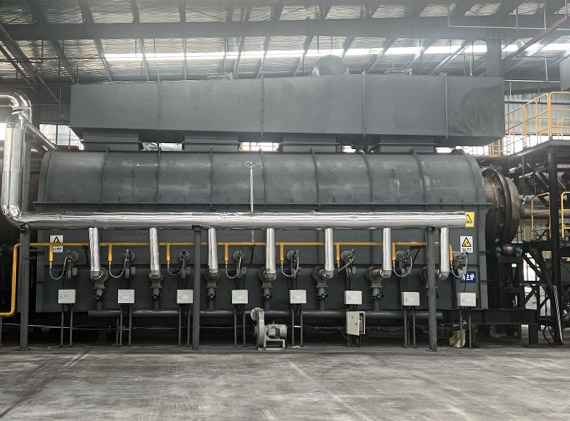 Capacitor Continuity Pyrolysis Furnace
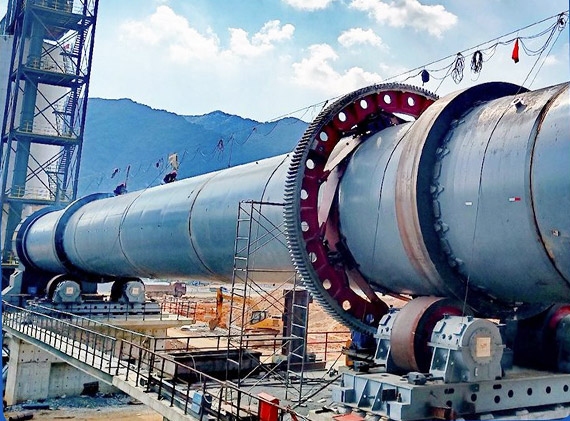 Rotary Kiln
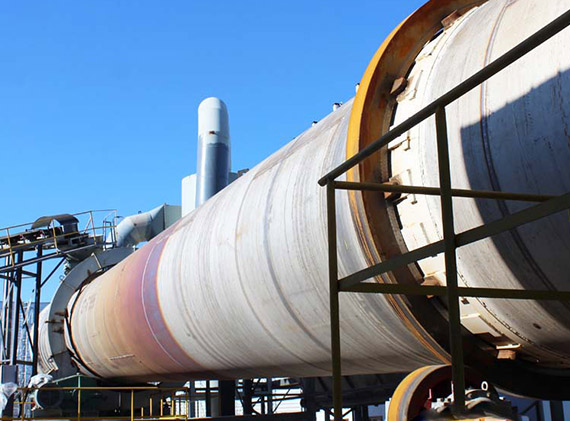 Waste Incineration Rotary Kiln
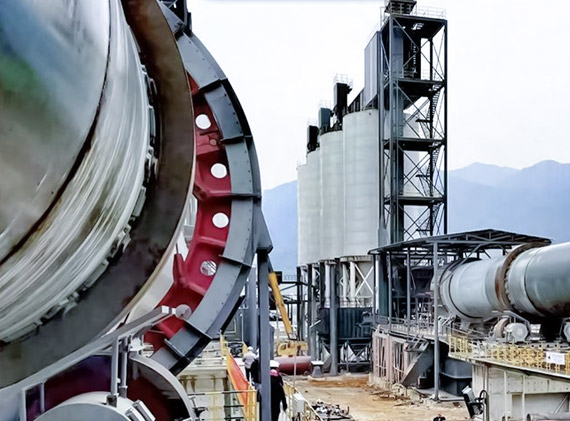 Metallurgical Rotary Kiln
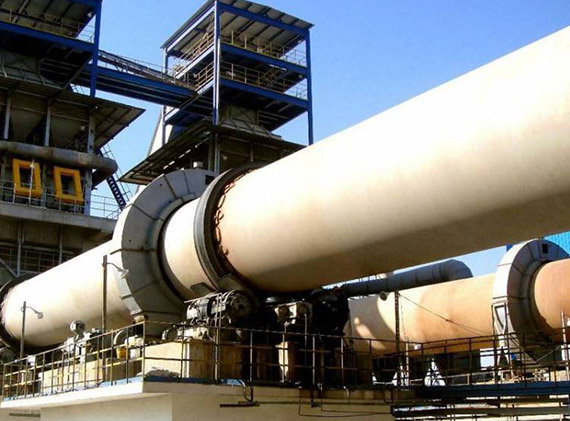 Cement Lime Rotary Kiln
 Rotary Drum Dryer Furnace
 Drum Drying Dryer Furnace
 Industrial Dryer Furnace
 Lithium Battery Recycling Plant
 Solar Photovoltaic Panel Recycling Plant
 PCB Circuit Board Recycling Plant
 E Waste Recycling Plant
 Blog
Blog Company Blog
 Knowledge
 FAQ
FAQ