



Biomass carbonization technology involves the pyrolytic carbonization of biomass feedstocks under oxygen-deficient or anaerobic conditions to produce biochar. This process effectively utilises agricultural and forestry residues alongside other biomass resources. Biochar possesses extensive applications, including soil remediation, environmental pollution restoration, wastewater and exhaust gas purification, and carbon sequestration. With the global pursuit of sustainable development and carbon neutrality objectives, the research and application of biomass carbonization technology are gaining increasing prominence. This process necessitates the use of biomass carbonization furnaces.
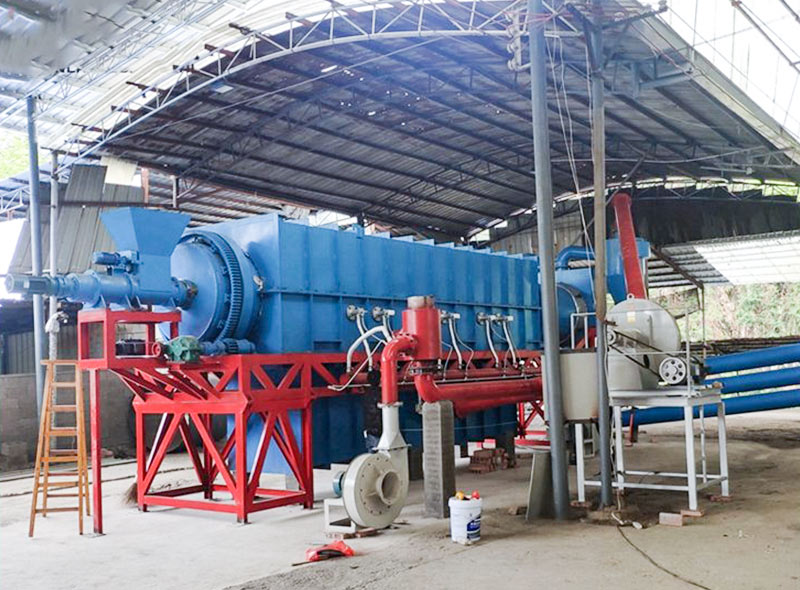
Biomass Carbonization Furnace
Biomass carbonization technology involves heating biomass under oxygen-depleted conditions to decompose it, thereby producing biomass charcoal and other by-products. Under oxygen-depleted and anaerobic conditions, heating induces thorough pyrolysis reactions within the biomass. This method enables the simultaneous production of biomass charcoal alongside combustible gases and liquid products, facilitating efficient utilisation of biomass resources.
The pyrolysis process comprises three stages: drying, pyrolysis, and carbonization. Biomass charcoal constitutes the primary solid product, while liquids and gases are by-products.
Should you wish to learn more about biomass carbonization technology, we invite you to follow our website. As manufacturers of biomass carbonization furnaces, we welcome your enquiries.
The URL for this article is: https://www.victorsmachine.com/company-blog/what-is-biomass-carbonization/ Please credit the source when reposting. Thank you.
We know how to get energy from waste. Let’s build better future for everyone, together !
Victor Machinery is a manufacturer of machinery and equipment. The main products are: shredder, crusher, carbonization furnace equipment, mining equipment, recycling machinery, etc.
Our ever-evolving offering for mining and construction covers crushing, screening, breaking, demolition, and service solutions – designed to increase productivity and boost your bottom line.
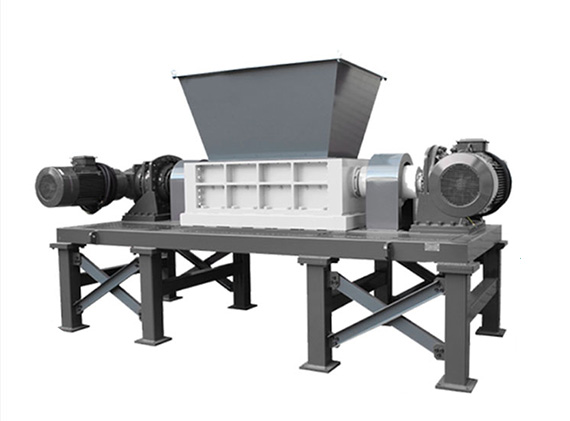 Double Shaft Shredder Machine
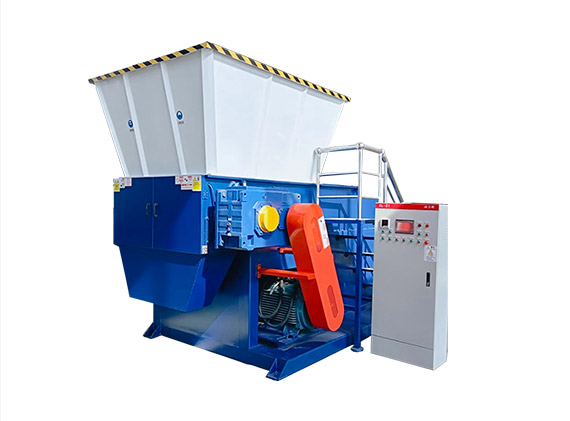 Single Shaft Shredder Machine
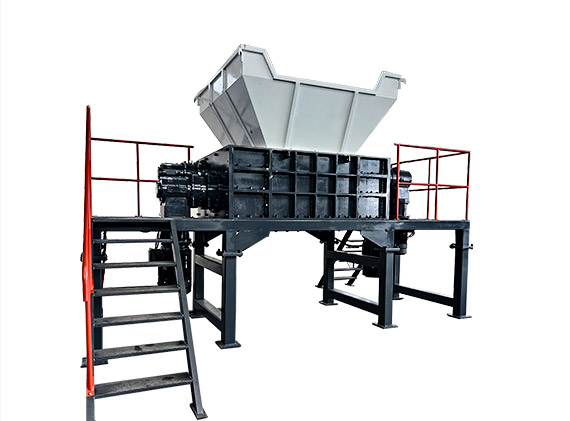 Four Shaft Shredder Machine
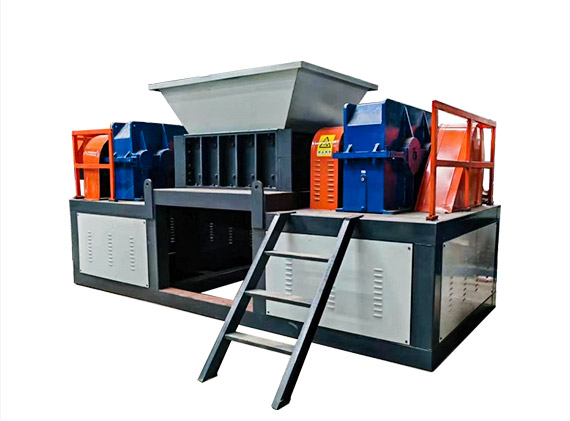 Tyre Shredder Machine
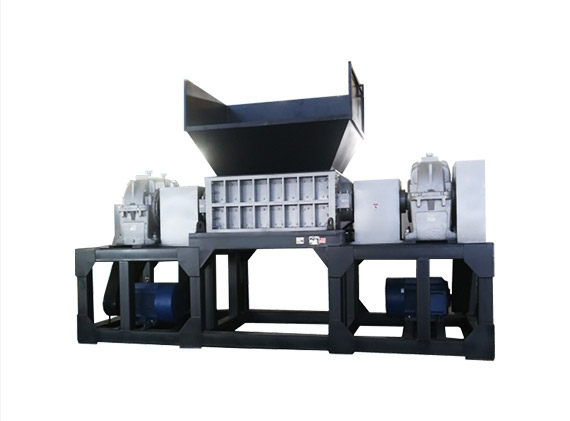 Metal Shredder Machine
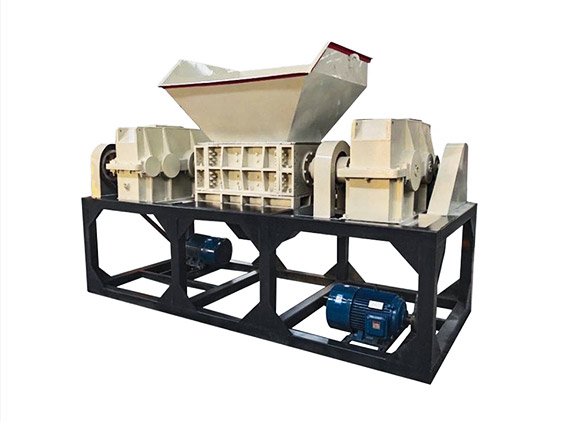 Wood Shredder Machine
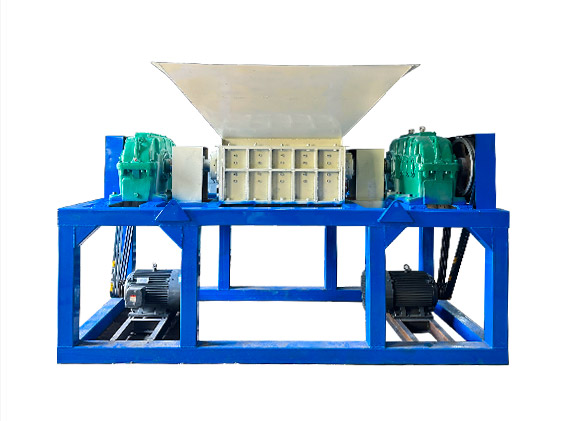 Plastic Shredder Machine
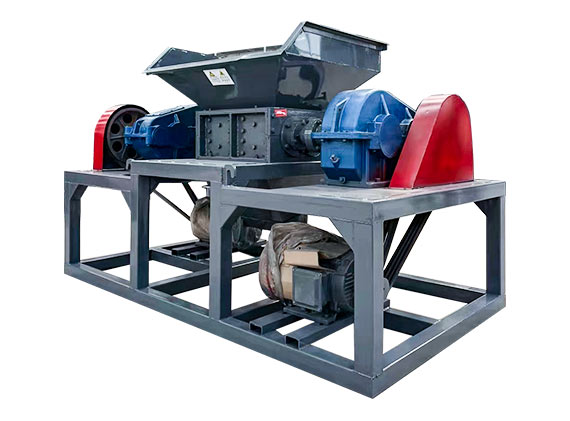 UBC Aluminum Can Shredder Machine
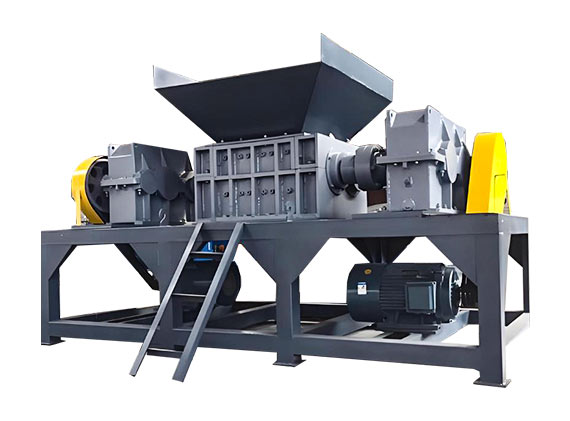 Lithium-ion Battery Shredder Machine
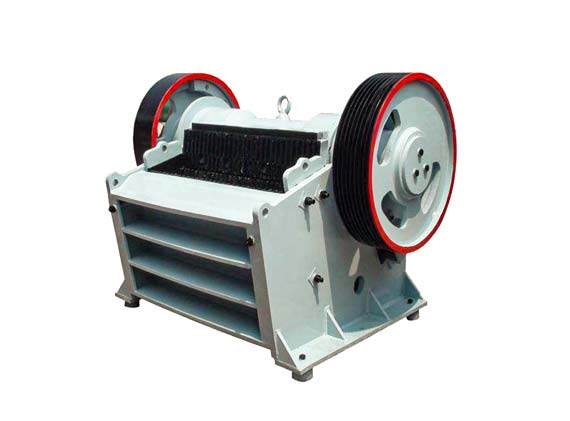 Mini Small Jaw Crusher
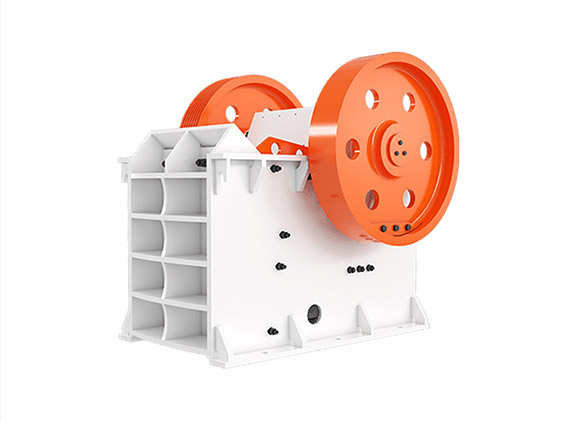 Jaw Crusher
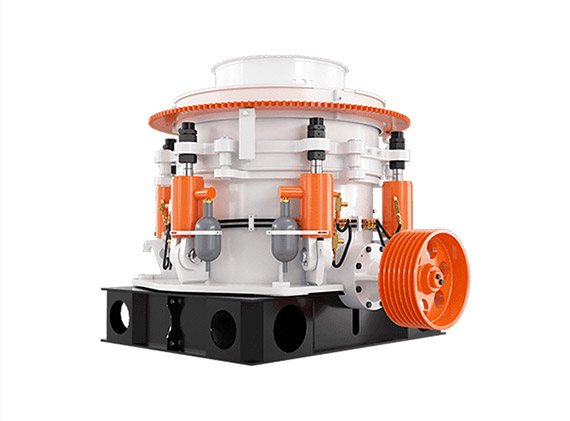 Cone Crusher
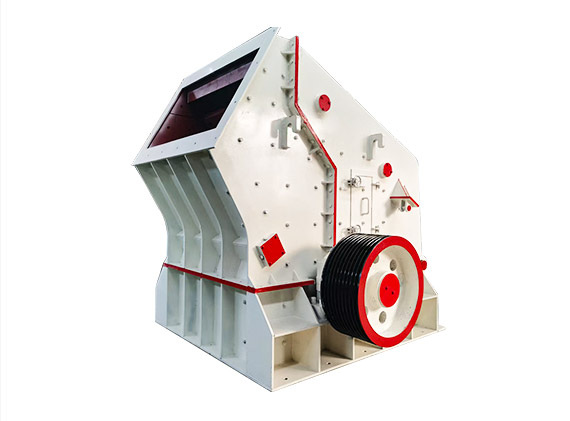 Impact Crusher
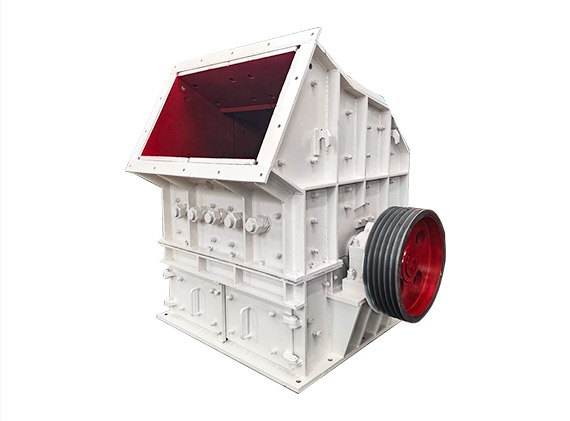 Hammer Crusher
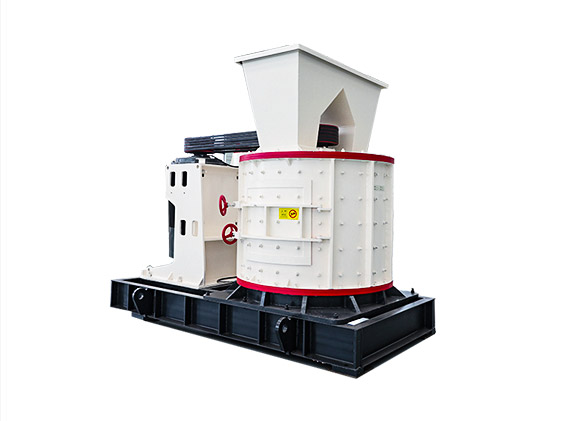 Impact Mill Crusher
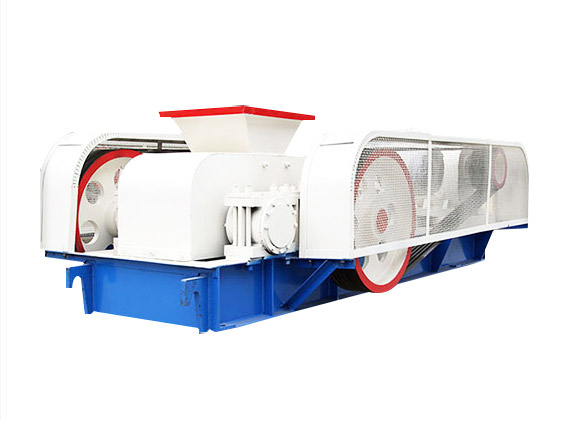 Roll Crusher
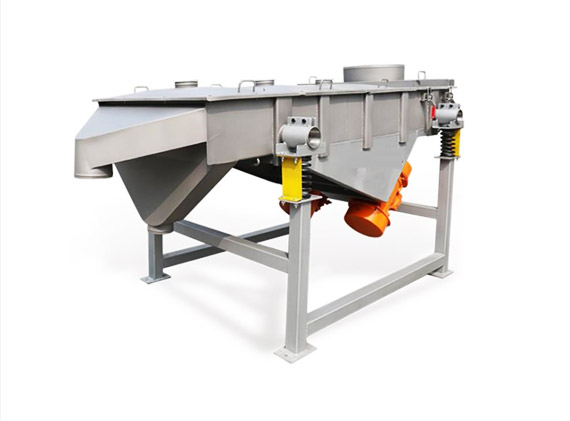 Linear Vibrating Screen Machine
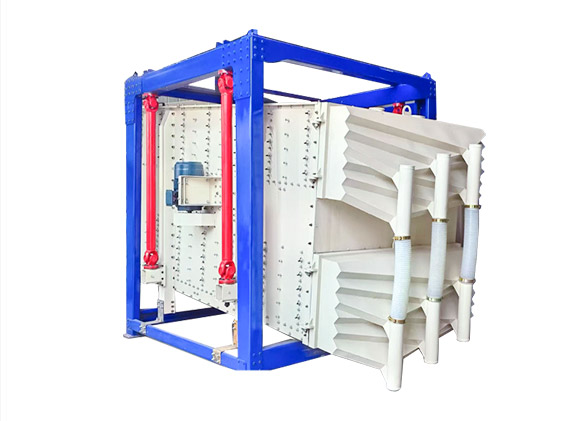 Swing Screen Machine
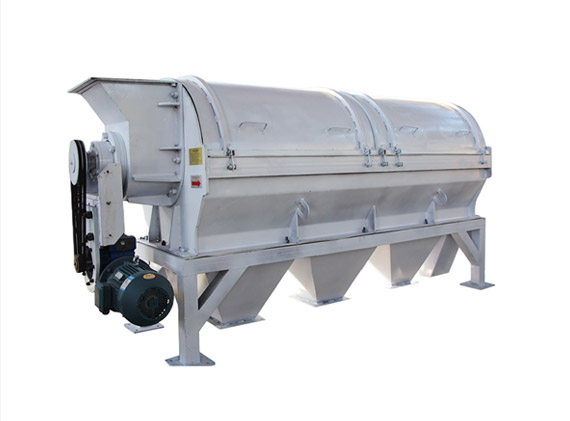 Tumbler Screen Machine
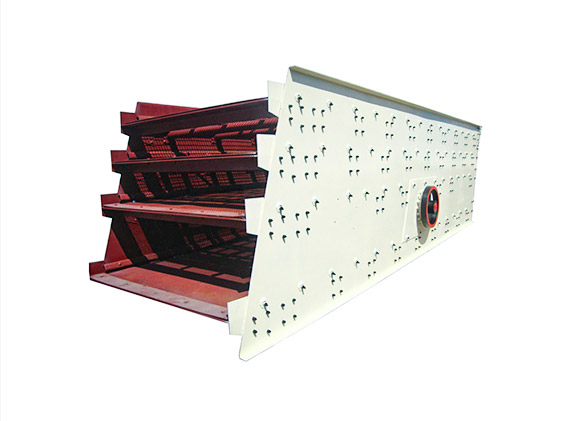 Circular Vibrating Screen
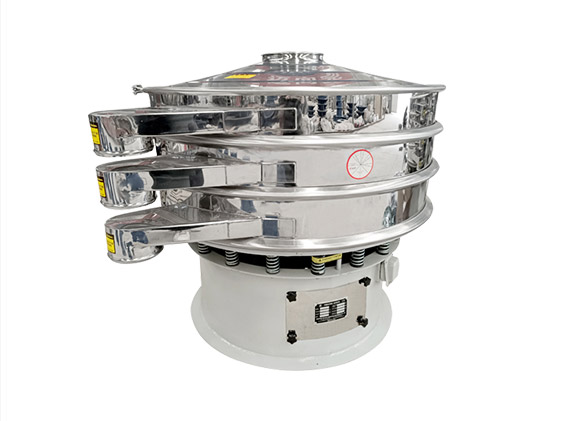 Cylindrical Rotary Vibrating Screen
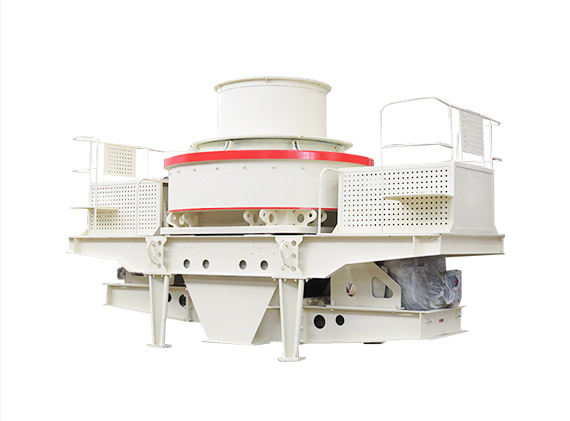 Sand Making Machine
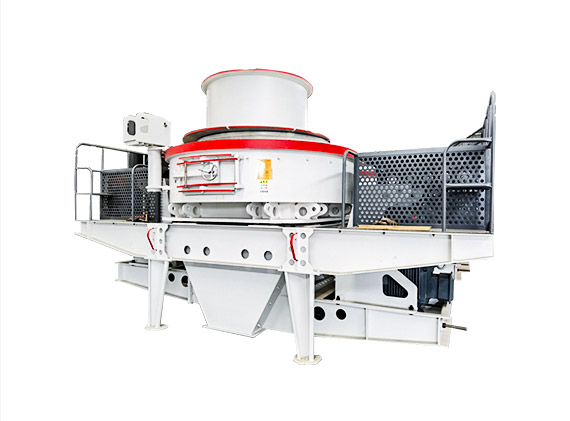 VSI Sand Making Machine
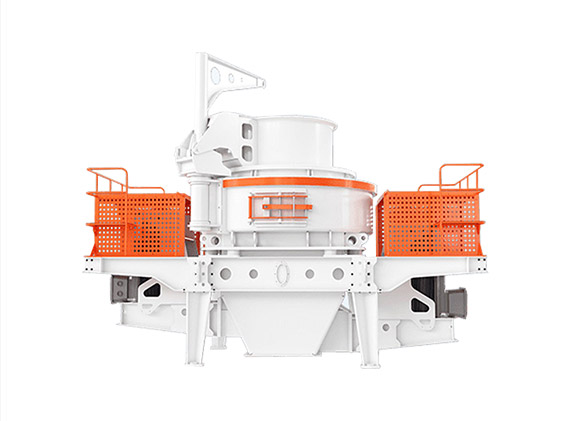 Impact Sand Making Machine
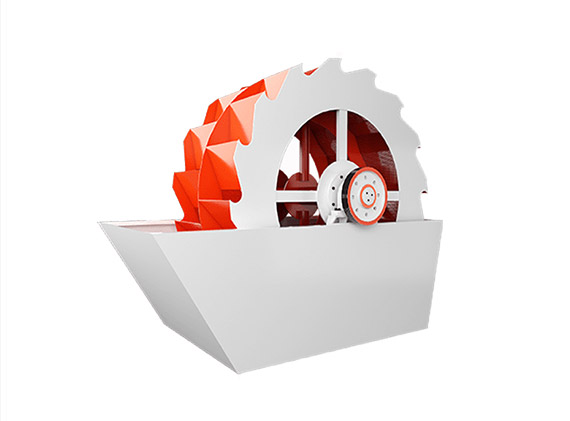 Sand Washing Machine
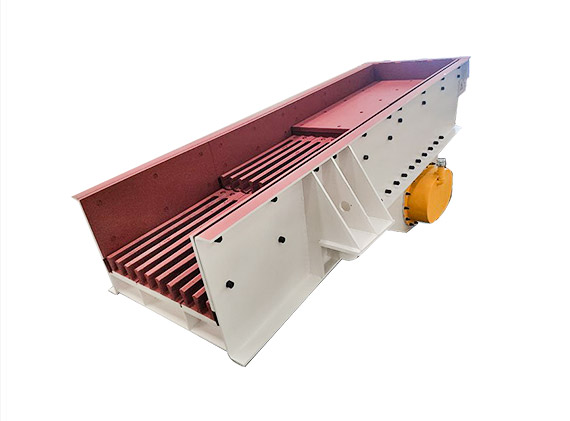 Vibrating Feeder
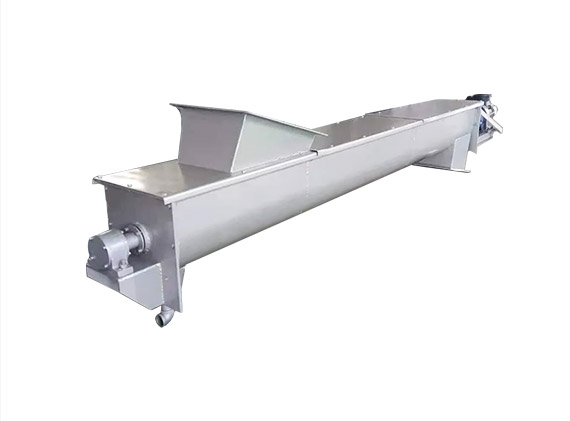 U-Shape Screw Reamer
 Belt Conveyor
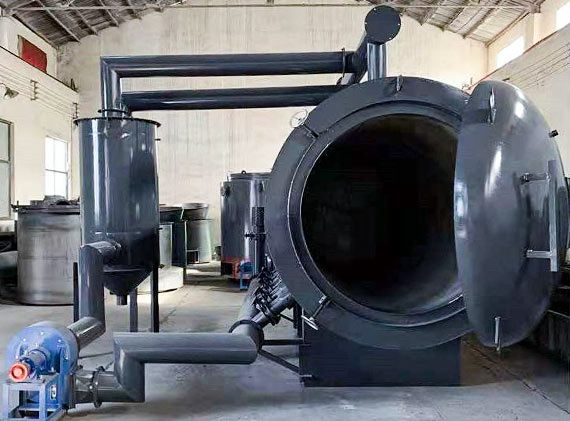 Horizontal Carbonization Furnace
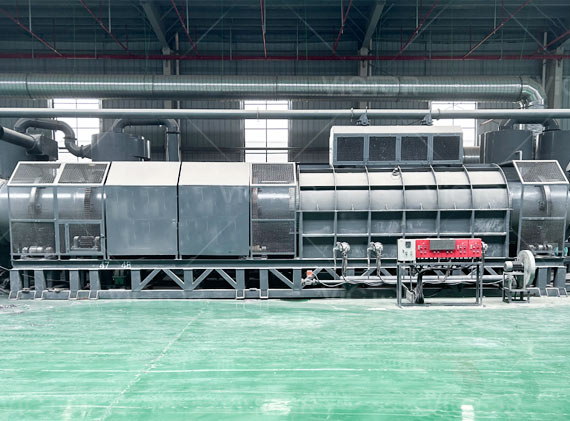 Wood Charcoal Carbonization Furnace
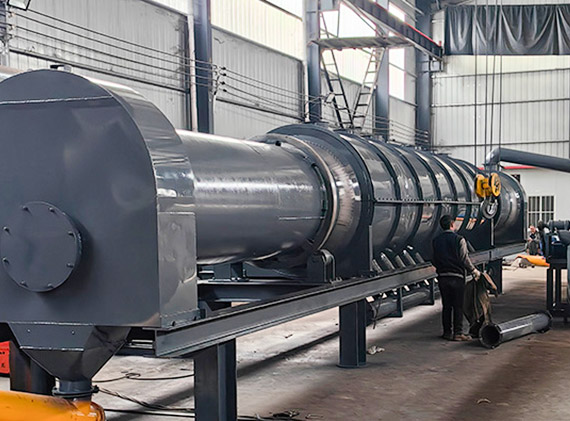 Waste Carbonization Furnace
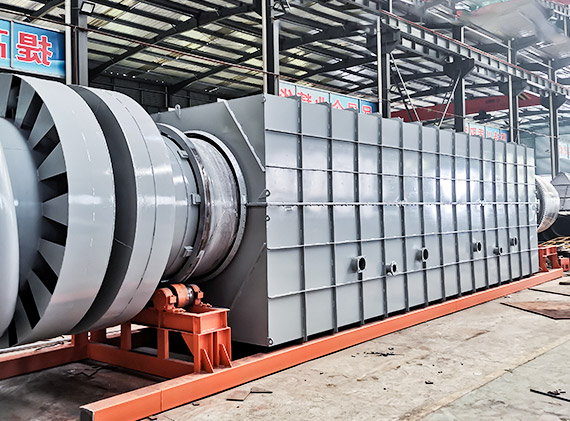 Sludge Continuous Carbonization Furnace
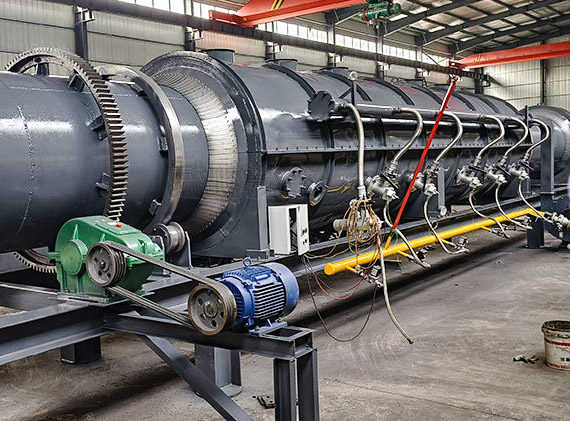 Biomass Carbonization Furnace
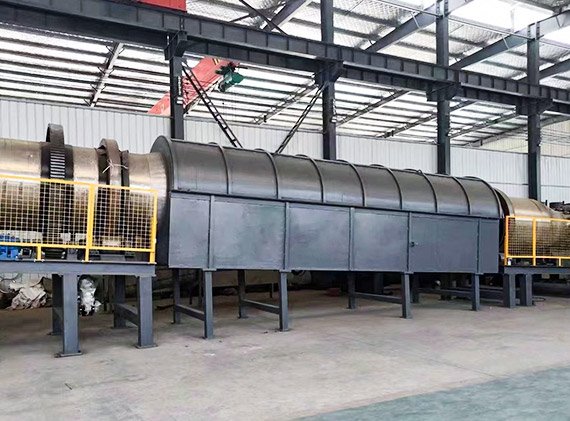 Coconut Shell Carbonization Furnace
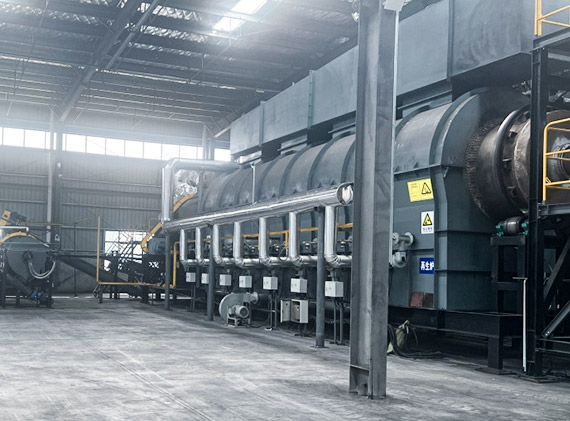 Continuous Carbonization Furnace
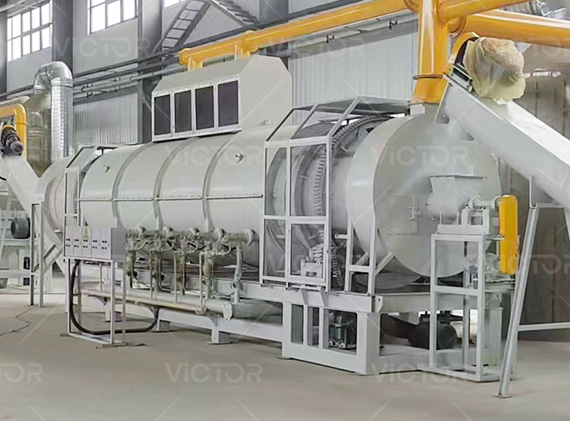 Biomass Pyrolysis Furnace
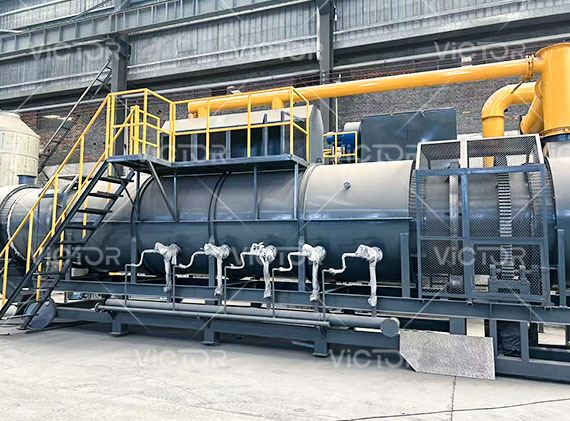 Lithium Battery Recycling Pyrolysis Furnace
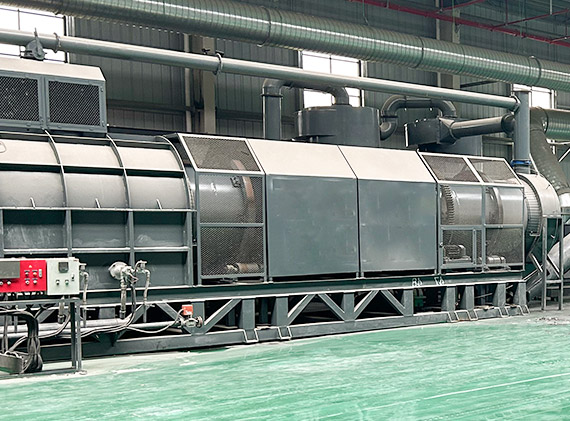 Solar PV Panel Recycling Pyrolysis Furnace
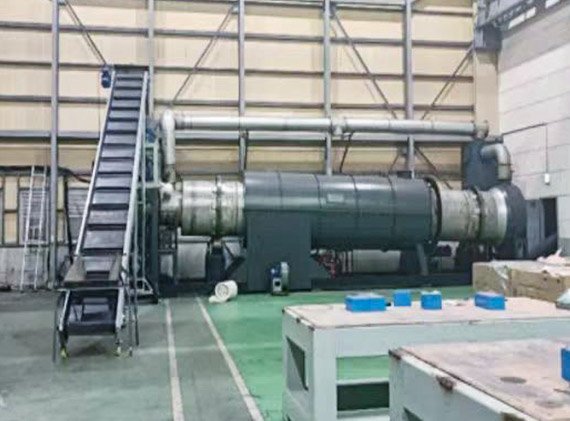 PCB Recycling Pyrolysis Furnace
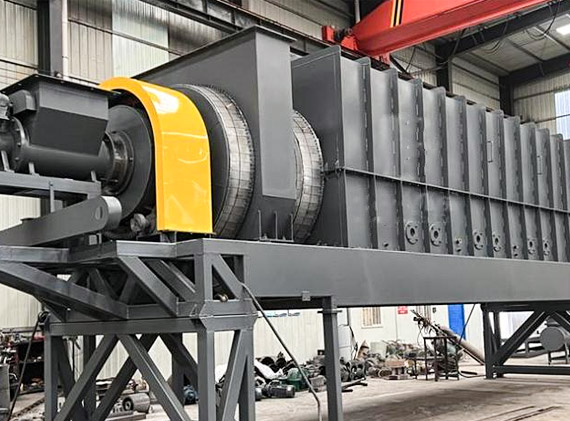 Carbonization Paint Removing Furnace
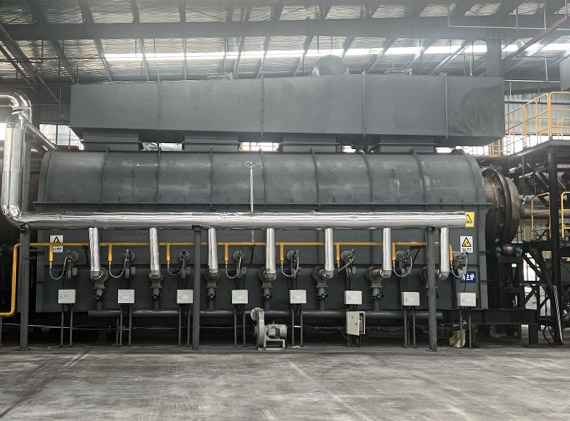 Capacitor Continuity Pyrolysis Furnace
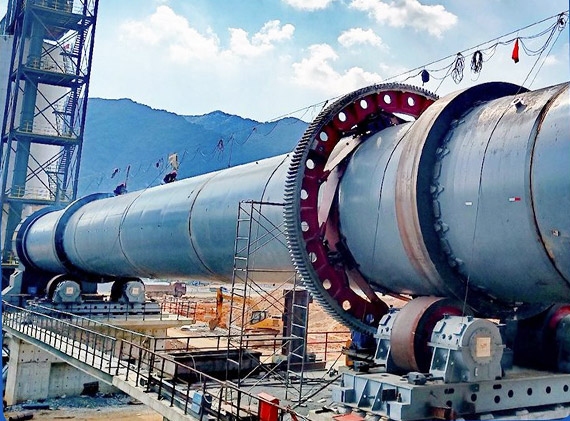 Rotary Kiln
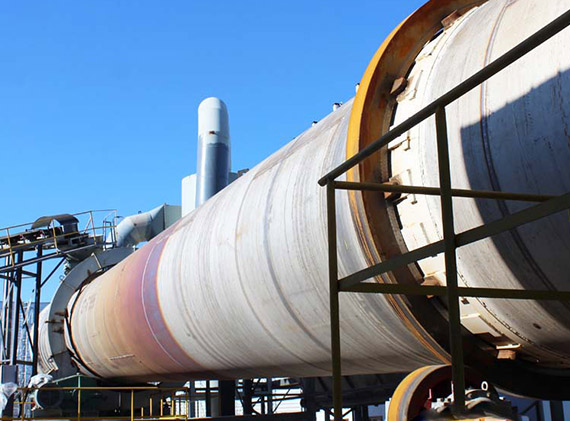 Waste Incineration Rotary Kiln
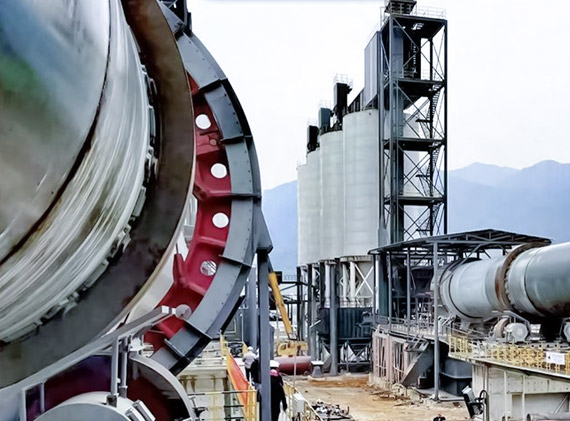 Metallurgical Rotary Kiln
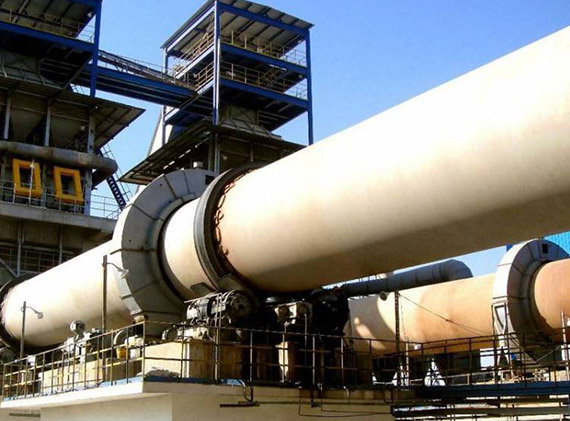 Cement Lime Rotary Kiln
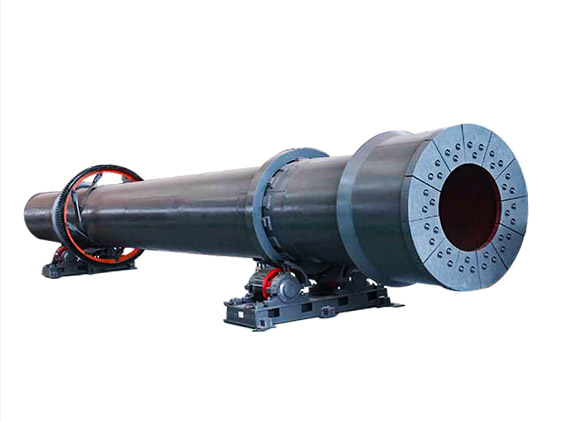 Rotary Drum Dryer Furnace
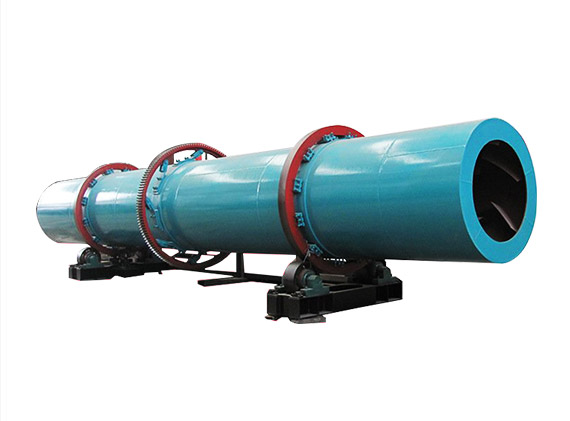 Drum Drying Dryer Furnace
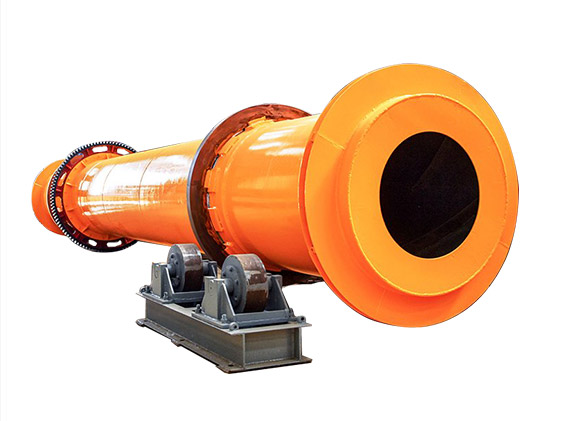 Industrial Dryer Furnace
 Lithium Battery Recycling Plant
 Solar Photovoltaic Panel Recycling Plant
 PCB Circuit Board Recycling Plant
 E Waste Recycling Plant
 Blog
Blog Company Blog
 Knowledge
 FAQ
FAQ