



Jaw crushers are primarily suited for crushing various ores and rocks of medium hardness or below. They find extensive application across industries including mining, metallurgy, building materials, railways, highways, water conservancy, and chemical engineering. When operating jaw crushers, it is imperative to adhere to relevant operational safety procedures. Regular maintenance and servicing of the equipment must be conducted, including the timely replacement of wear parts. This ensures the machinery operates normally, stably, and efficiently. Any malfunctions must be promptly diagnosed and rectified. This article details common issues with jaw crushers and their solutions.
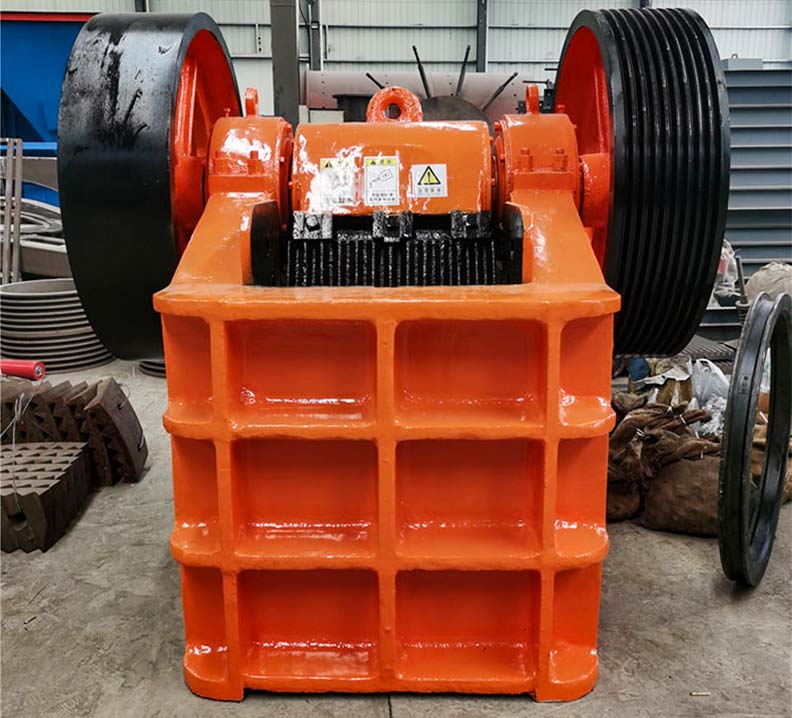
What Are Common Problems With Jaw Crushers?
Cause: Severe wear on the lower crushing jaw plate enlarges the discharge opening. Typically, the lower jaw plate wears nearly three times faster than the upper plate.
Solution: If the jaw plates are symmetrical, rotate them 180° for continued use. If wear exceeds 30% of the original thickness, replace the jaw plates. Replacement of new tooth plates is required. Concurrently, the discharge opening must be adjusted. If wedge stones are used for adjustment, the opening should be reduced to the required size.
Cause: This may result from excessive feeding or uneven material supply, causing blockage at the feed opening. Another scenario involves oversized material, which can readily cause blockage at the feed opening.
Solution: Control feed rates to prevent excessive single-batch loading. Adjust feeding methods; jaw crushers may be fitted with vibrating feeders to ensure uniform material supply. Pre-crush or screen oversized material to optimise crusher throughput. For high-hardness materials, consider replacing jaw plates and hammers with more wear-resistant alternatives.
Causes: Loosening of crushing chamber liners or gears. Loosening or fracture of fixing bolts.
Solutions: Immediately halt operation for maintenance. Tap the sidewall fixing wedges with a hammer to assess tightness. Tighten loose bolts; replace fractured bolts with Grade 8.8 high-strength bolts (e.g., M20 bolts).
Causes: Loosening of jaw plate fixing bolts. This results in overall loosening of the jaw plates. Severe damage to the jaw plates prevents normal crushing operations.
Solutions: Regularly inspect the jaw plate fixing bolts of the jaw crusher. Tighten them to the specified torque. Tighten immediately if any looseness is detected. Simultaneously, periodically check the wear condition of the jaw plates. Replace them promptly if severe wear is observed. When replacing jaw plates, ensure selection of plates conforming to the specified dimensions and material grade. Follow the equipment manufacturer’s requirements for replacement.
Causes: Exceeding the jaw crusher’s rated power capacity or processing excessively hard materials may cause elbow plate fractures. Material defects during manufacturing or poor welding quality can also lead to fractures. Prolonged use and wear may reduce the elbow plate’s strength, ultimately resulting in breakage.
Solutions: Strictly adhere to the jaw crusher’s rated power requirements, never exceeding its design-specified power range. Select an appropriate crusher model and specification based on material hardness to ensure proper processing. For high-hardness materials, consider pre-treatment measures to reduce impact force on the crusher. Conduct regular inspections and maintenance to check jaw plates for damage or wear, repairing or replacing them promptly. Avoid excessive or improper usage to minimise damage to the elbow plate.
Causes: Insufficient tension in tie rod springs or spring breakage. Wear on support pads. Support pad thickness reduced by over 2mm.
Solutions: Adjust spring compression; replace broken springs. Replace support pads when thickness exceeds limit, along with the thrust plate. This is critical for ensuring transmission stability in common equipment troubleshooting.
Causes: Insufficient lubrication or degraded oil quality (darkened, contaminated). Over-tight bearing assembly or excessively tight drive belt.
Solutions: For oil deficiency, replenish with Grade 45 anti-wear hydraulic oil to two-thirds of the oil gauge level. Replace oil entirely if degraded. Adjust assembly clearance if over-tight. For excessively tight belts, loosen the motor foot screws and adjust the belt tension. This is crucial in preventing component burnout during common troubleshooting for jaw crushers.
Causes: Blockage at the feed inlet causing chamber overload. Excessively loose drive V-belt causing slippage. Low voltage at the worksite. Bearing damage. Motor burnout or power cable breakage.
Solutions: First, clear obstructions from the discharge opening to ensure unimpeded material flow. Subsequently, inspect the tension and wear of the V-belt, making appropriate adjustments or replacing it promptly. Verify voltage stability or low voltage levels; rectify any deficiencies. Ageing power cables may cause voltage drops, necessitating replacement. A burnt-out motor requires repair or replacement.
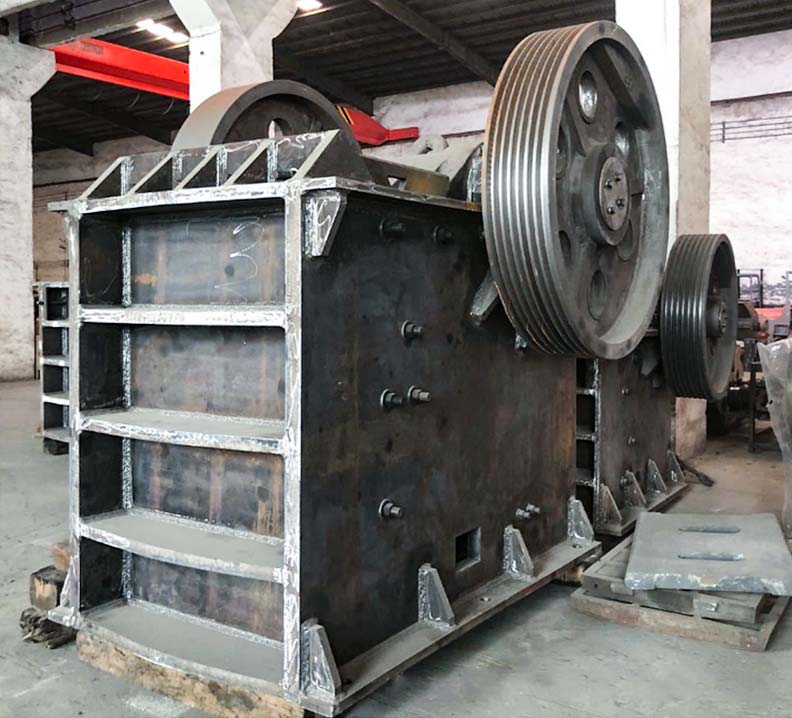
Jaw Crusher
For further maintenance guidance on jaw crushers, please contact us. Common issues with jaw crushers are straightforward to address. Regular inspections and maintenance significantly reduce malfunctions, ensuring efficient and stable production line operation.
The URL for this article is: https://www.victorsmachine.com/company-blog/what-are-common-problems-with-jaw-crushers/ Please credit the source when reposting. Thank you.
We know how to get energy from waste. Let’s build better future for everyone, together !
Victor Machinery is a manufacturer of machinery and equipment. The main products are: shredder, crusher, carbonization furnace equipment, mining equipment, recycling machinery, etc.
Our ever-evolving offering for mining and construction covers crushing, screening, breaking, demolition, and service solutions – designed to increase productivity and boost your bottom line.
 Double Shaft Shredder Machine
 Single Shaft Shredder Machine
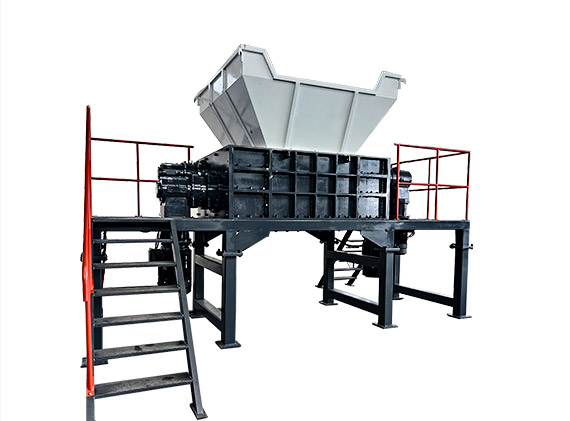 Four Shaft Shredder Machine
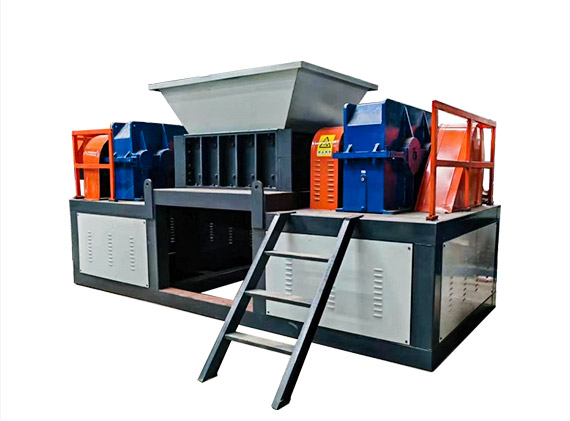 Tyre Shredder Machine
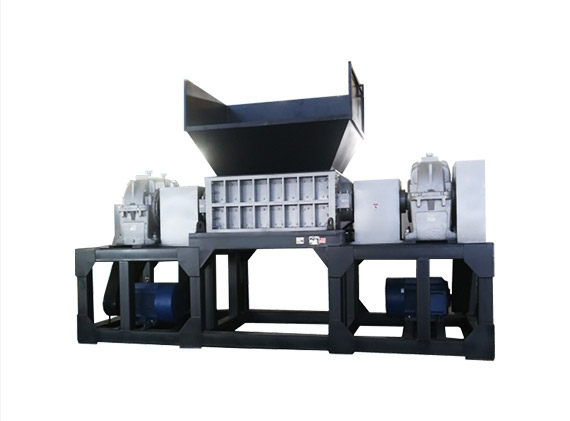 Metal Shredder Machine
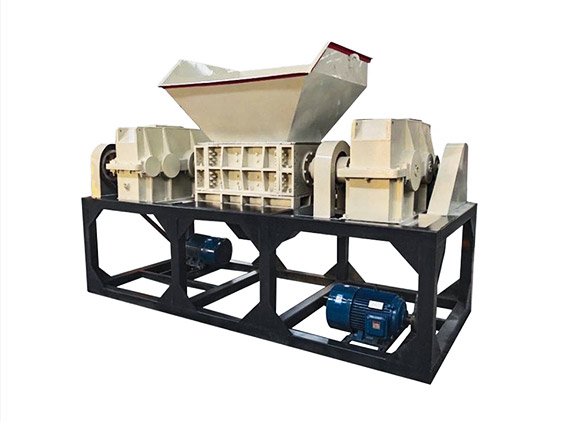 Wood Shredder Machine
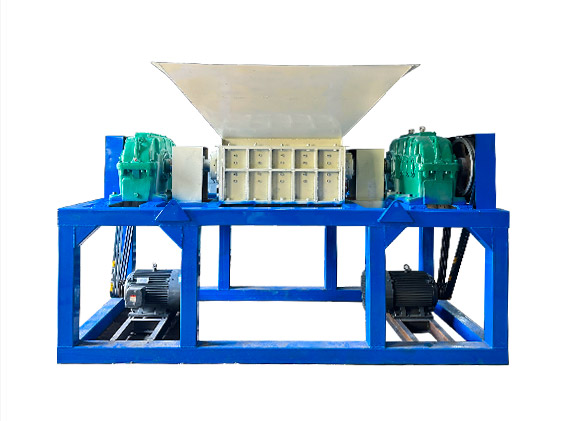 Plastic Shredder Machine
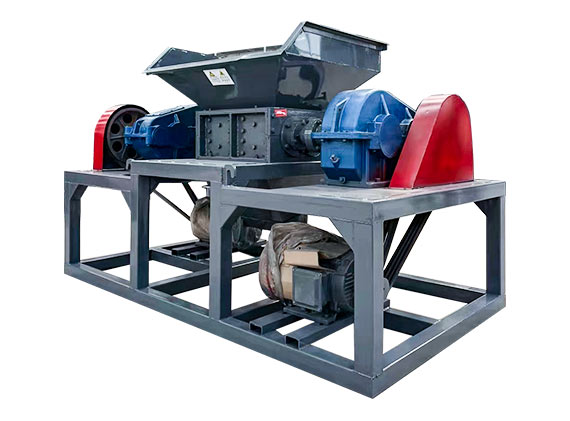 UBC Aluminum Can Shredder Machine
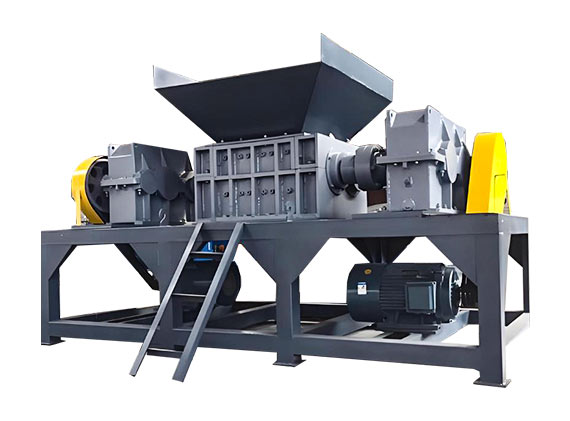 Lithium-ion Battery Shredder Machine
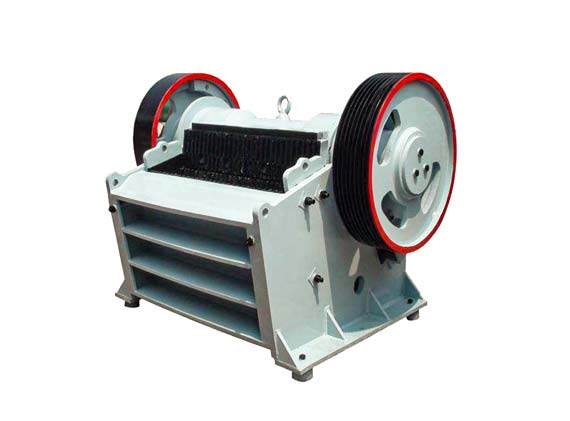 Mini Small Jaw Crusher
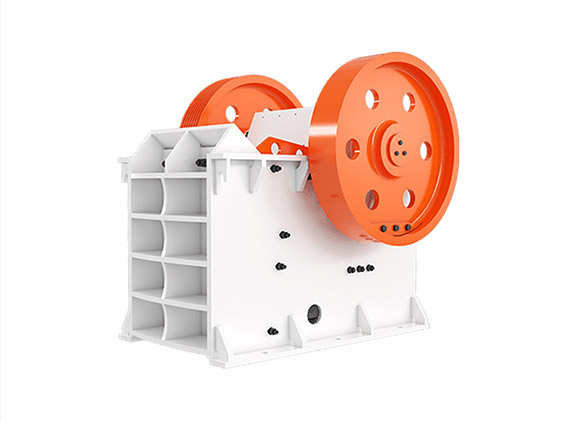 Jaw Crusher
 Cone Crusher
 Impact Crusher
 Hammer Crusher
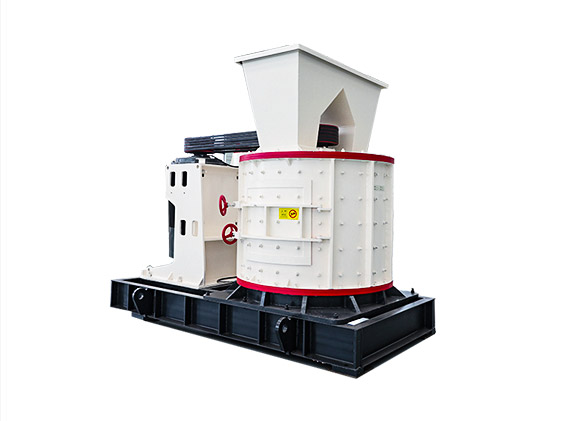 Impact Mill Crusher
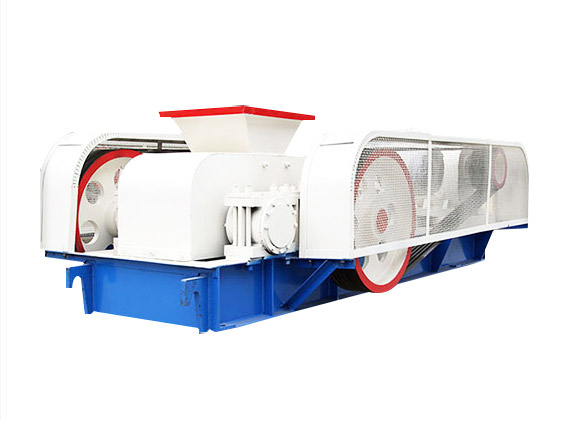 Roll Crusher
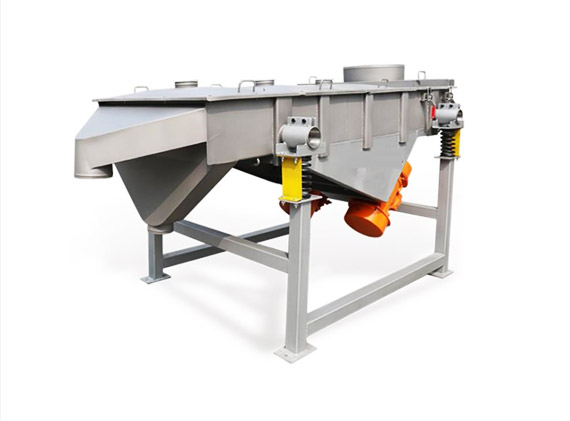 Linear Vibrating Screen Machine
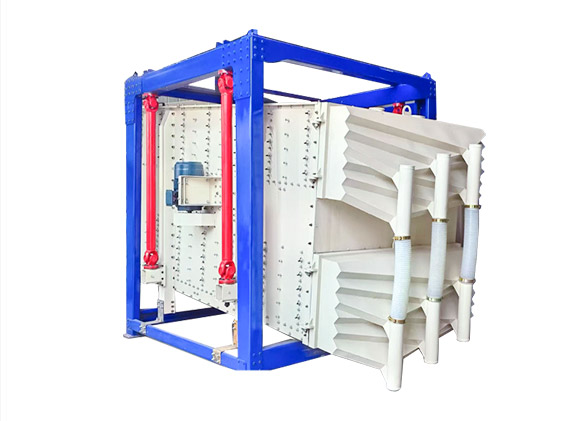 Swing Screen Machine
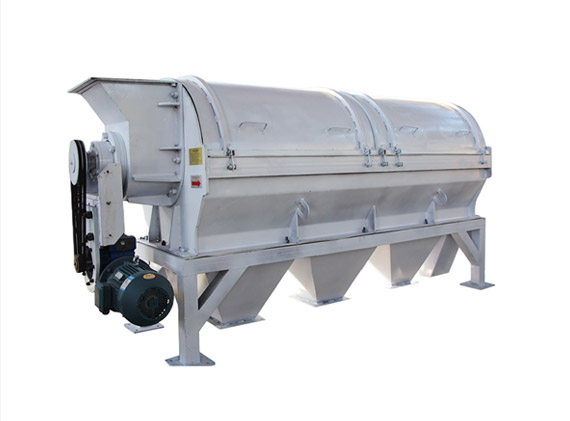 Tumbler Screen Machine
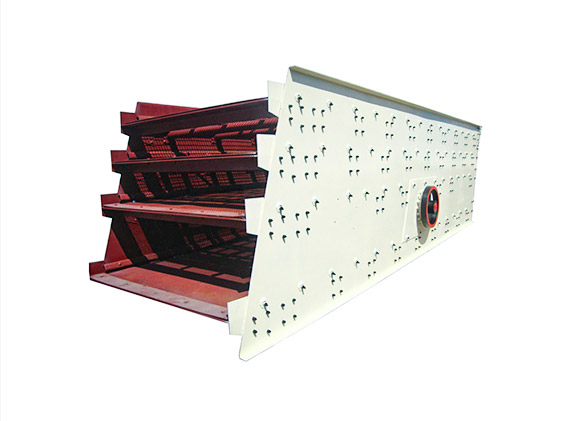 Circular Vibrating Screen
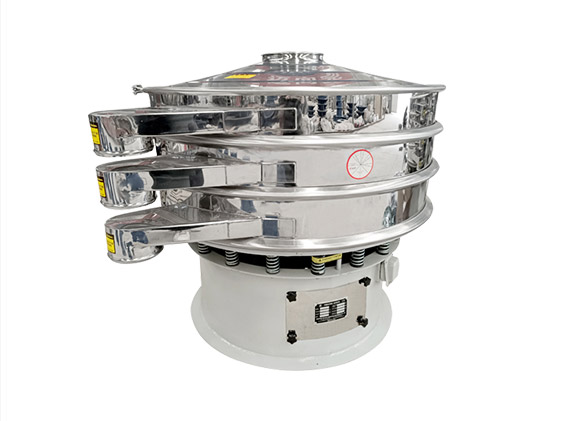 Cylindrical Rotary Vibrating Screen
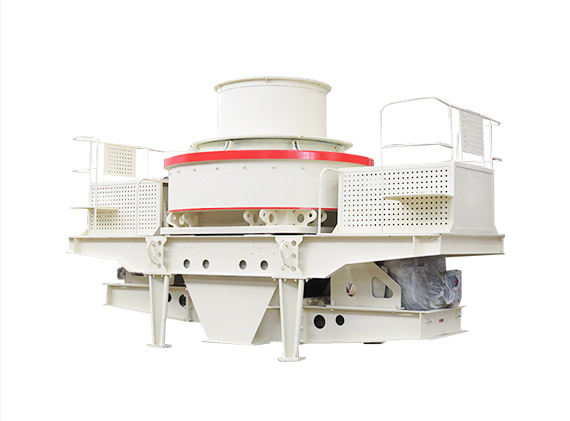 Sand Making Machine
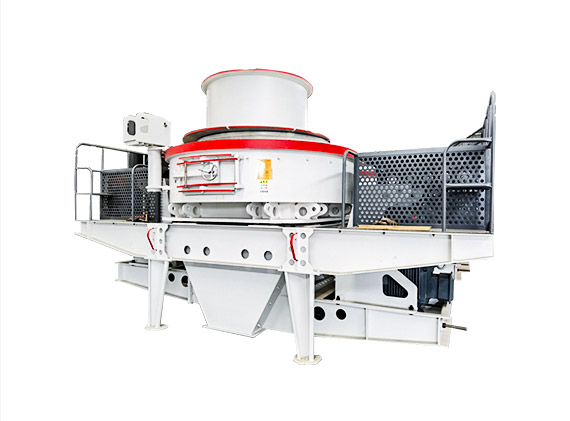 VSI Sand Making Machine
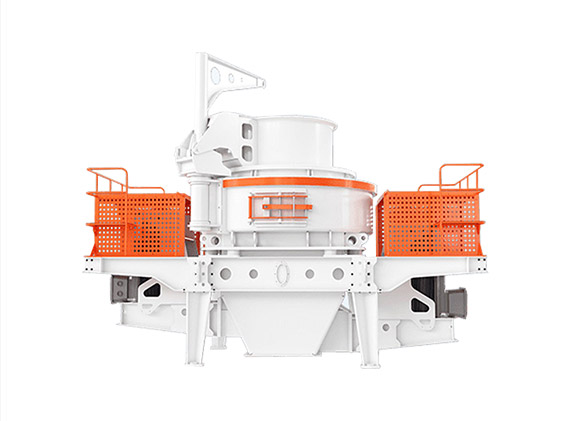 Impact Sand Making Machine
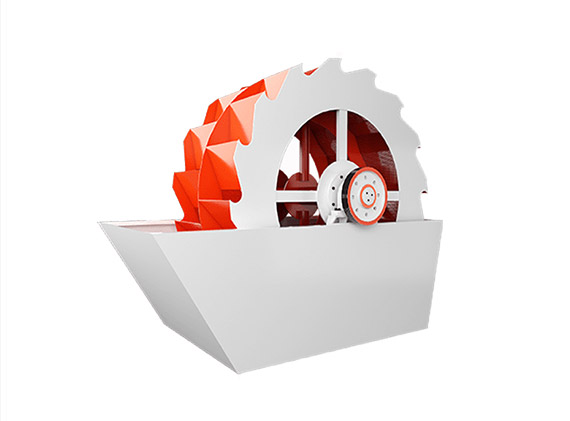 Sand Washing Machine
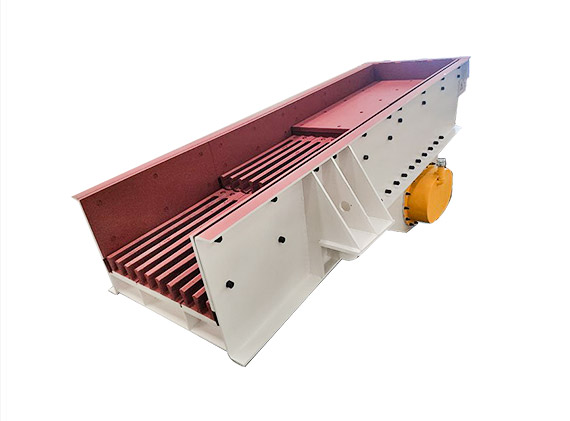 Vibrating Feeder
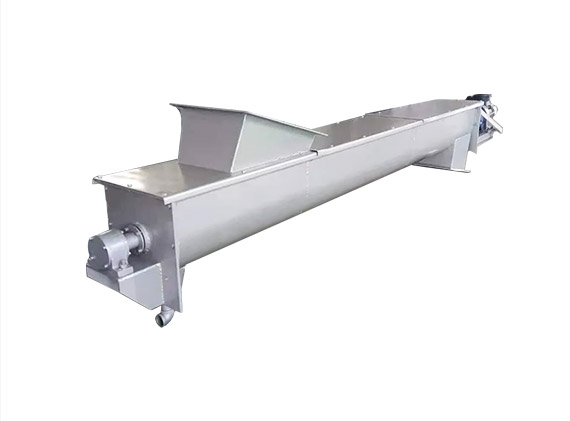 U-Shape Screw Reamer
 Belt Conveyor
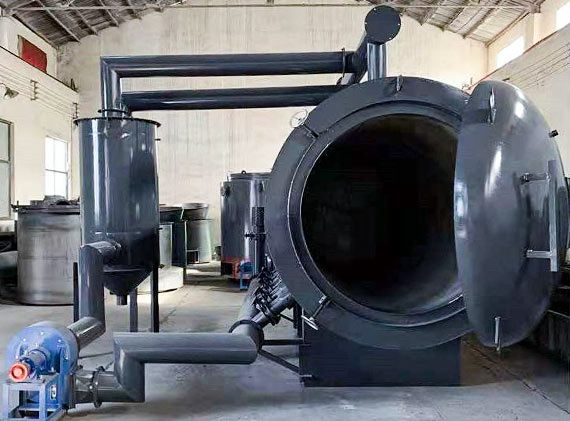 Horizontal Carbonization Furnace
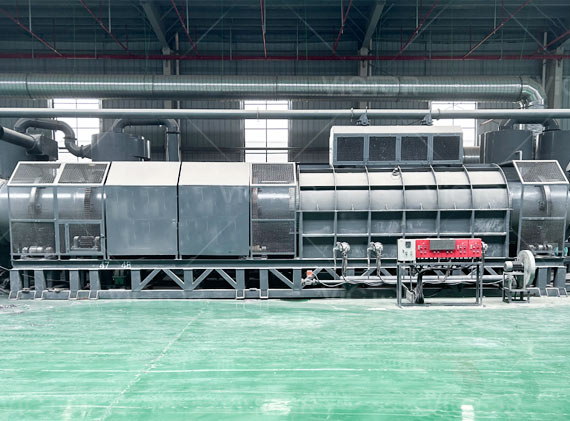 Wood Charcoal Carbonization Furnace
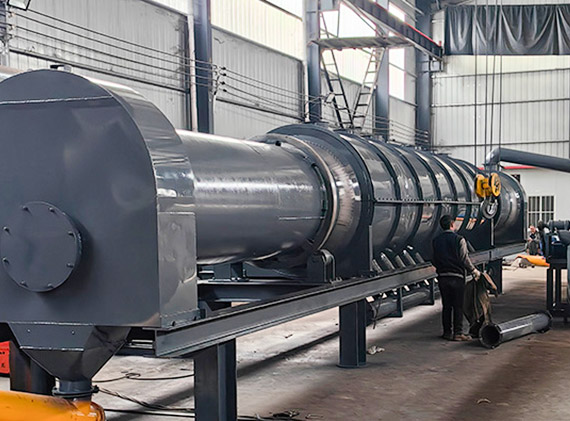 Waste Carbonization Furnace
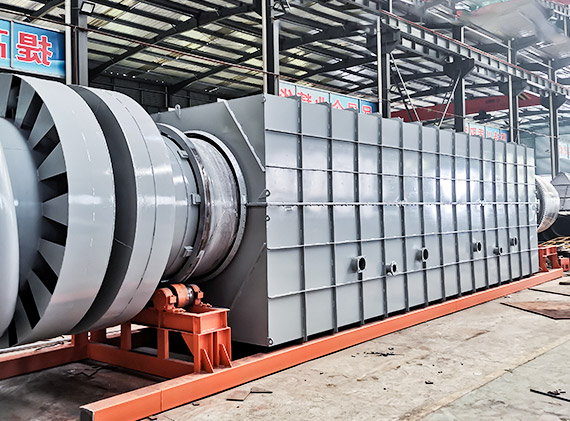 Sludge Continuous Carbonization Furnace
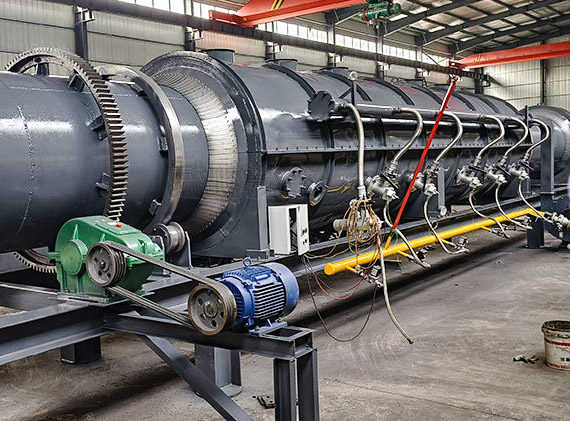 Biomass Carbonization Furnace
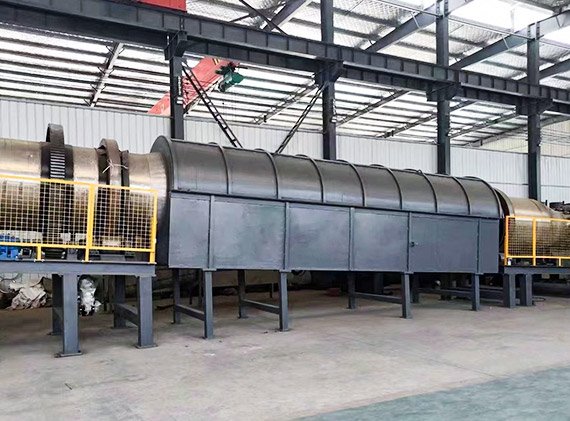 Coconut Shell Carbonization Furnace
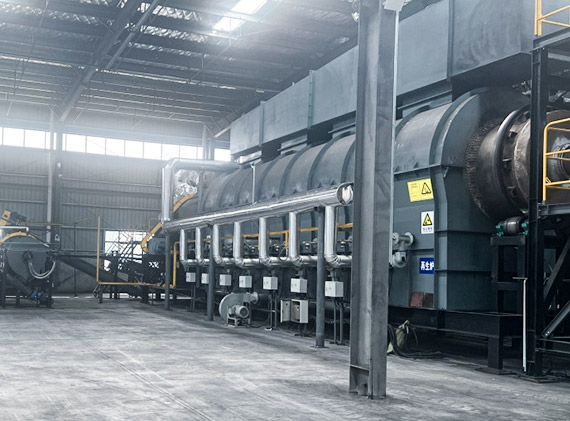 Continuous Carbonization Furnace
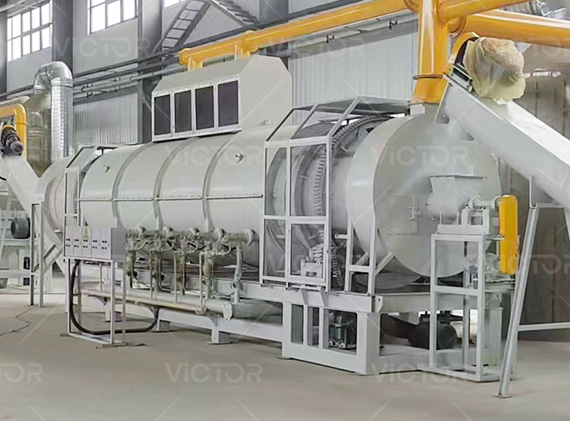 Biomass Pyrolysis Furnace
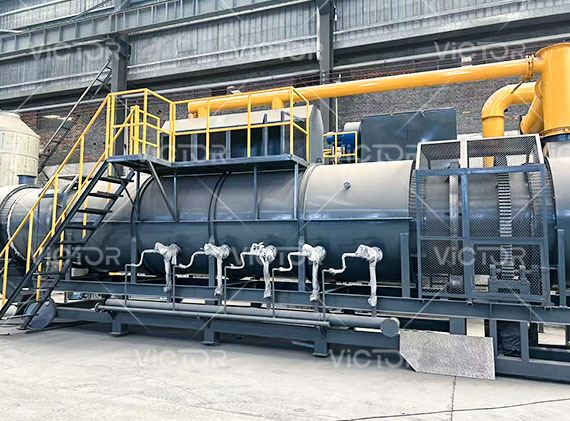 Lithium Battery Recycling Pyrolysis Furnace
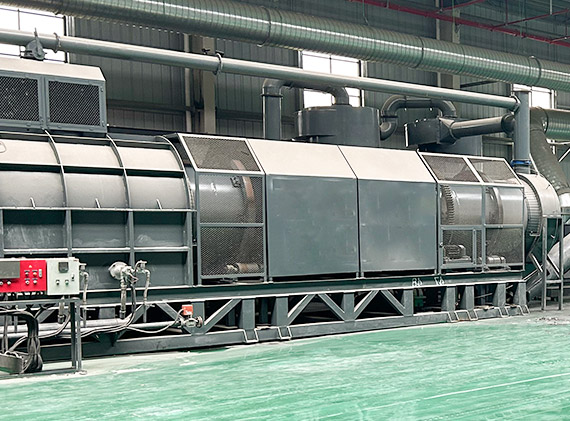 Solar PV Panel Recycling Pyrolysis Furnace
 PCB Recycling Pyrolysis Furnace
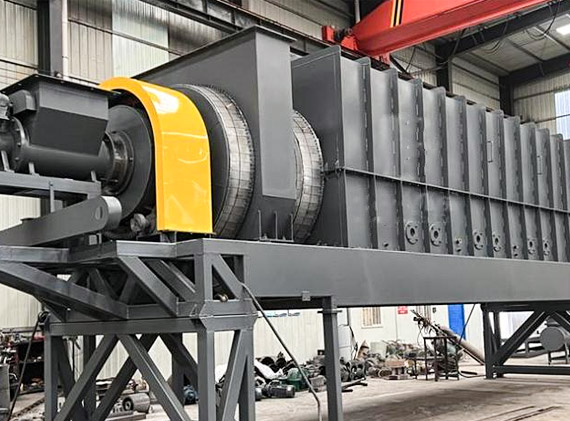 Carbonization Paint Removing Furnace
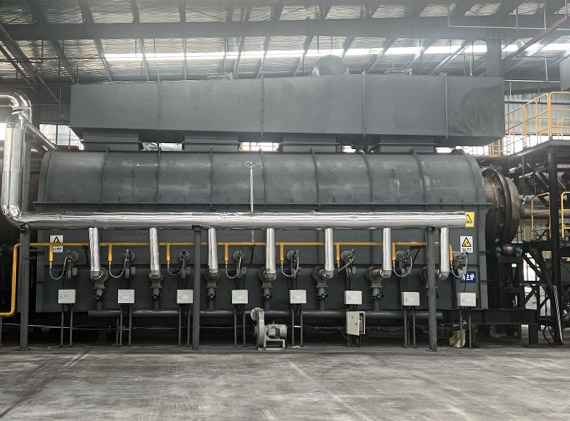 Capacitor Continuity Pyrolysis Furnace
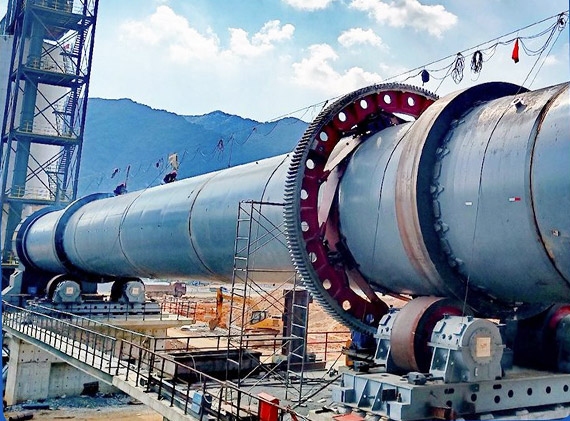 Rotary Kiln
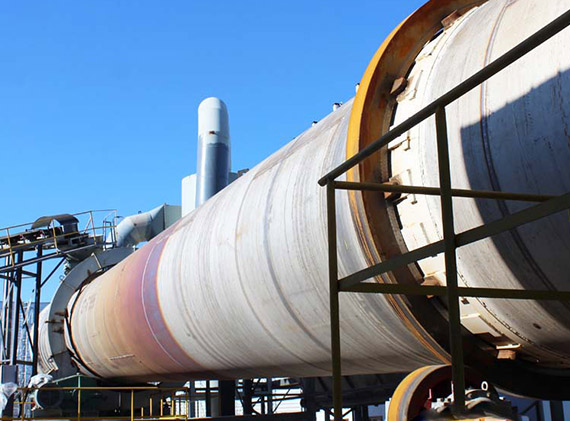 Waste Incineration Rotary Kiln
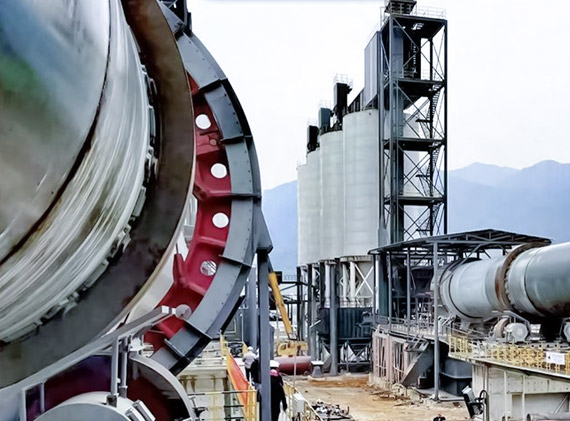 Metallurgical Rotary Kiln
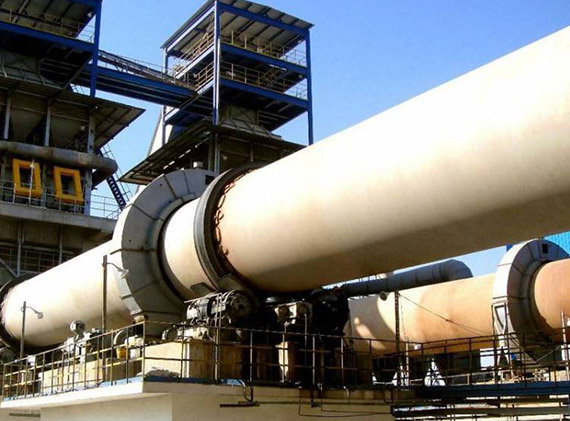 Cement Lime Rotary Kiln
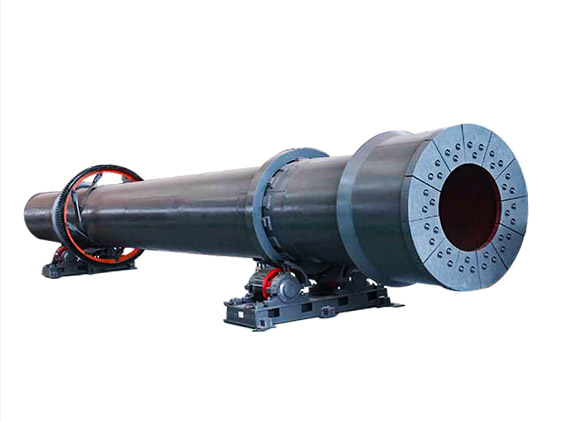 Rotary Drum Dryer Furnace
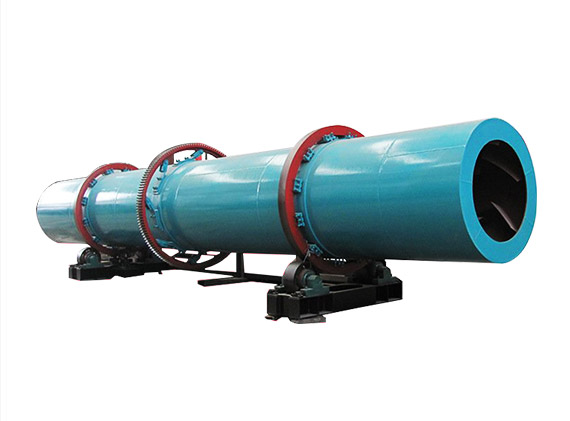 Drum Drying Dryer Furnace
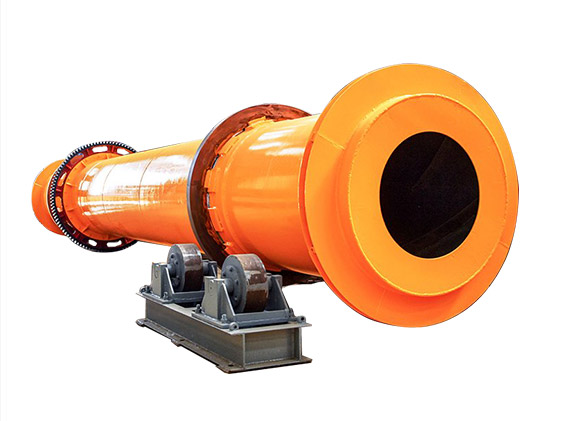 Industrial Dryer Furnace
 Lithium Battery Recycling Plant
 Solar Photovoltaic Panel Recycling Plant
 PCB Circuit Board Recycling Plant
 E Waste Recycling Plant
 Blog
Blog Company Blog
 Knowledge
 FAQ
FAQ