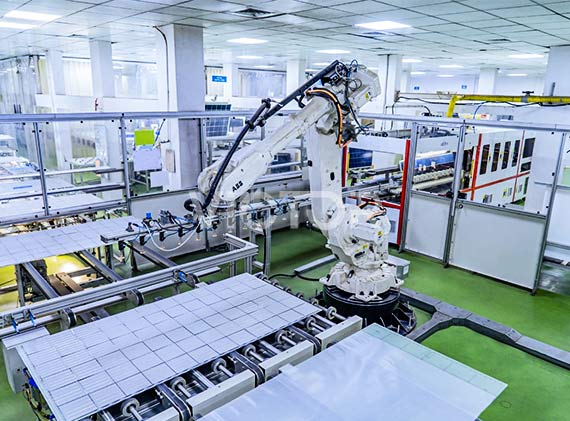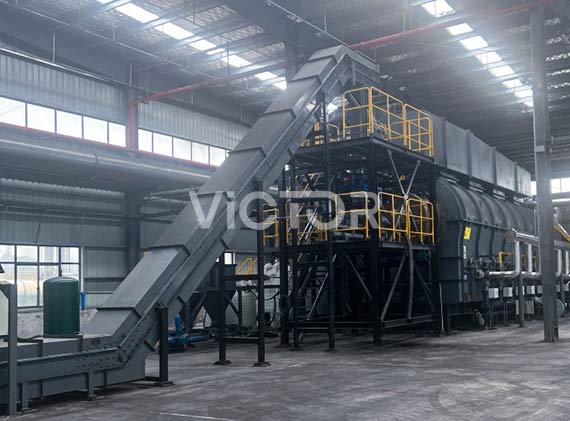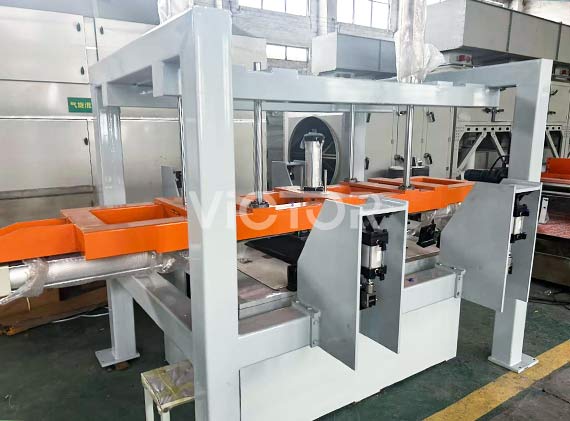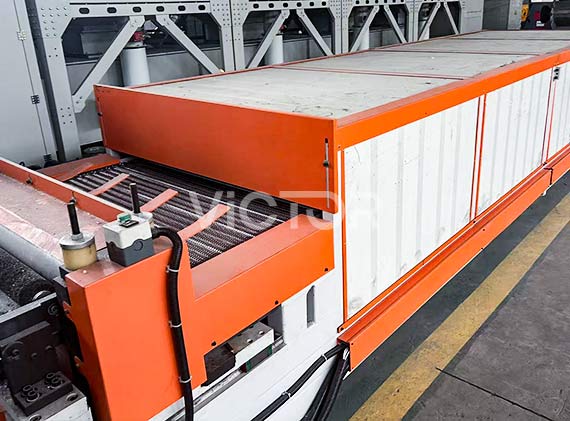



With the rapid development of the global solar photovoltaic panel industry, the first generation of photovoltaic panels now faces challenges such as end-of-life recycling. Solar photovoltaic panels contain high proportions of glass, silicon wafers, EVA adhesive, and aluminium, alongside rare metals like cadmium and gallium. The recycling of photovoltaic modules has become increasingly urgent. Within the PV panel recycling process, efficiently recovering glass and silicon wafers has become a primary objective. Consequently, the solar PV panel pyrolysis furnace production line is pivotal to addressing this challenge. These materials can be effectively recovered, promoting resource circulation, reducing the demand for new resource extraction, and alleviating environmental pressure.
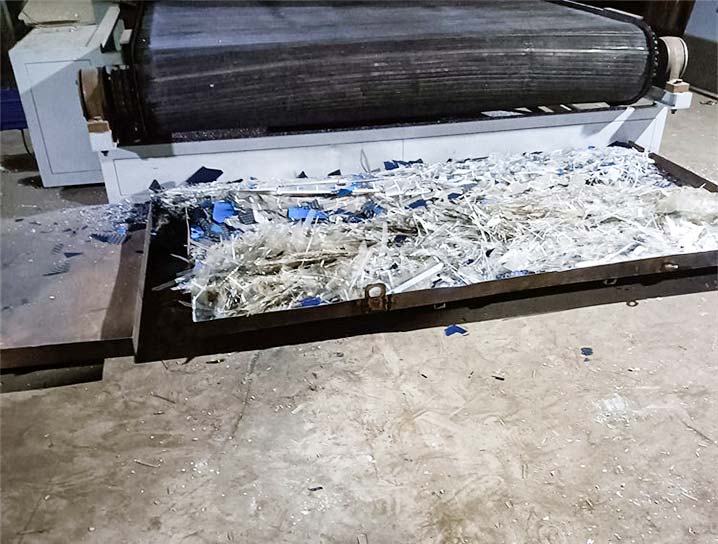
Solar PV Panel Pyrolysis Recycling Line
The aluminium frames of PV panels are dismantled mechanically using specialised PV panel aluminium frame removal equipment.
Cable harnesses, junction boxes, and similar components are dismantled. This is essential as cables entering the pyrolysis process directly would generate harmful gases.
Dust and sand particles may reduce heat transfer efficiency. These must be thoroughly cleaned away to ensure consistency throughout the pyrolysis process.
Appropriate pre-treatment can increase glass recovery rates by 10-200%. It also reduces contamination within the photovoltaic panel pyrolysis furnace, thereby improving temperature uniformity.
As EVA, sealants, and organic layers combust, the adhesive bond between glass layers weakens. Subsequent separation employs gravity sorting, magnetic separation, and manual screening.
Following direct pyrolysis of adhesives, glass and silicon wafers naturally separate.
Through multiple stages of fine screening, copper wires, solder strips, and other components are separated from the mixture.
Removes minute metal fragments, EVA, residual impurities, and other contaminants.
Should you wish to learn more about solar PV panel pyrolysis recycling machine, we invite you to follow our website. We offer customised design services for photovoltaic panel recycling technology tailored to your specific requirements.
The URL for this article is: https://www.victorsmachine.com/company-blog/solar-pv-panel-pyrolysis-recycling-line/ Please credit the source when reposting. Thank you.
We know how to get energy from waste. Let’s build better future for everyone, together !
Victor Machinery is a manufacturer of machinery and equipment. The main products are: shredder, crusher, carbonization furnace equipment, mining equipment, recycling machinery, etc.
Our ever-evolving offering for mining and construction covers crushing, screening, breaking, demolition, and service solutions – designed to increase productivity and boost your bottom line.
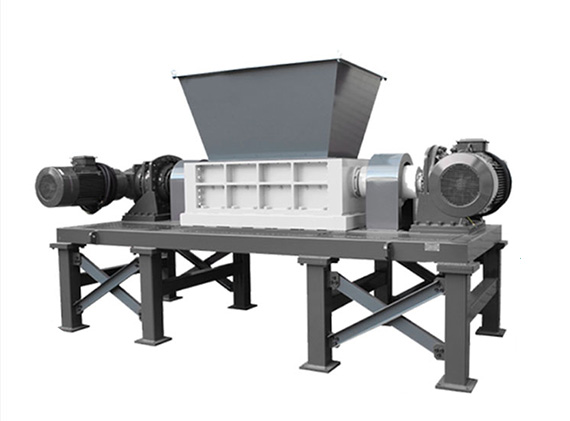 Double Shaft Shredder Machine
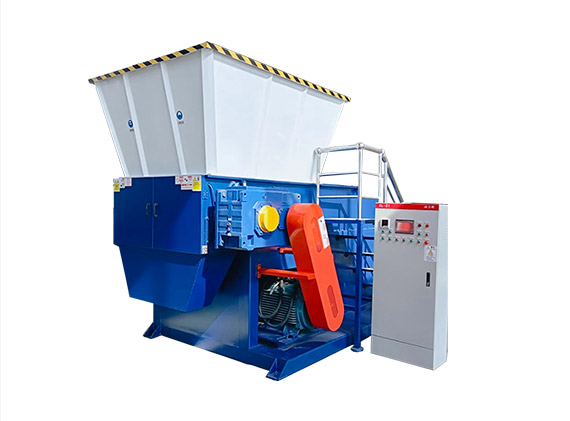 Single Shaft Shredder Machine
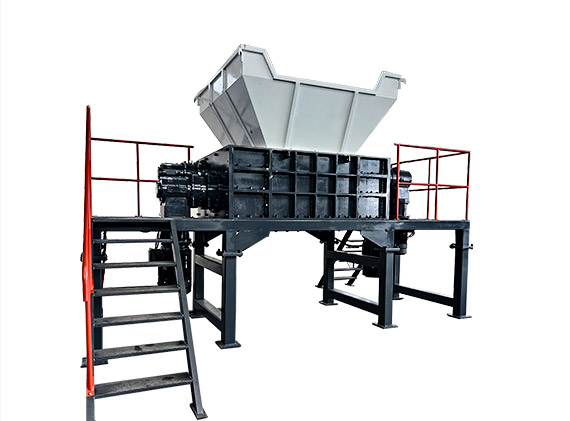 Four Shaft Shredder Machine
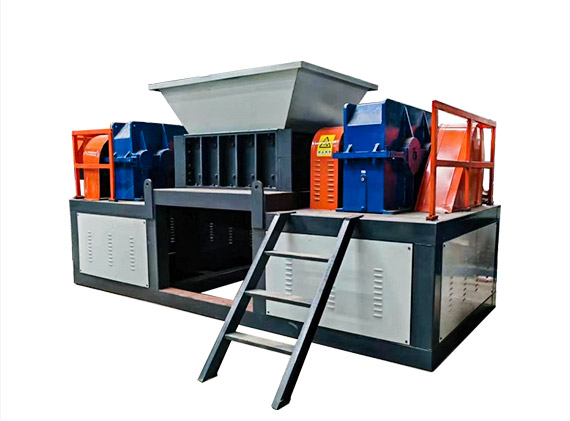 Tyre Shredder Machine
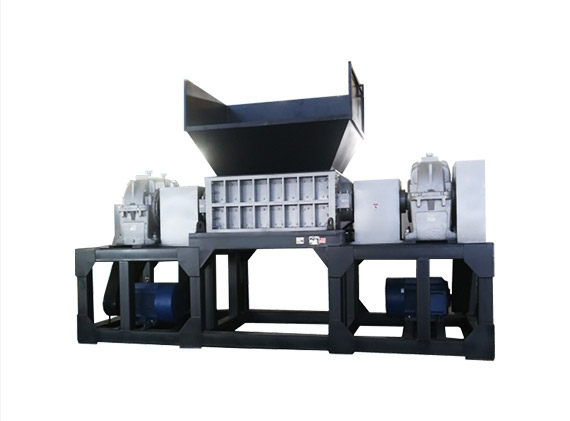 Metal Shredder Machine
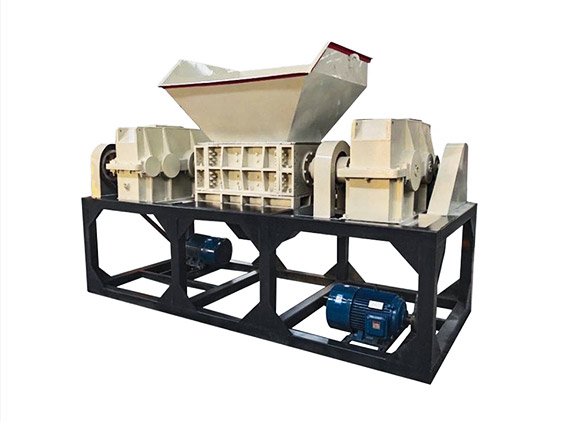 Wood Shredder Machine
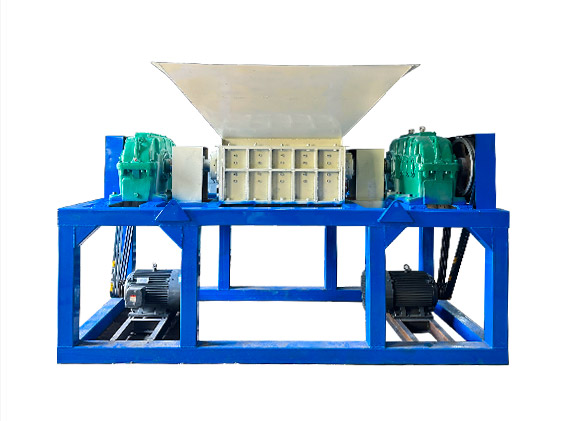 Plastic Shredder Machine
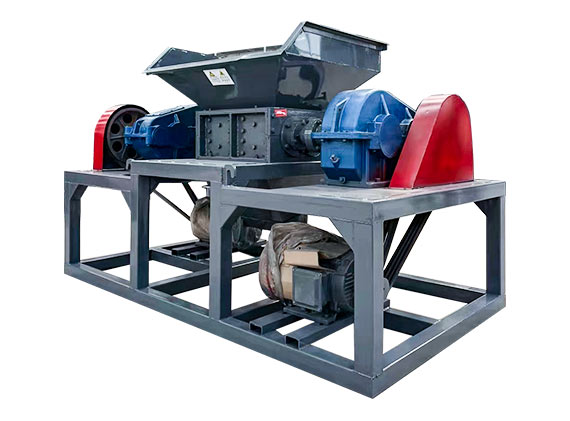 UBC Aluminum Can Shredder Machine
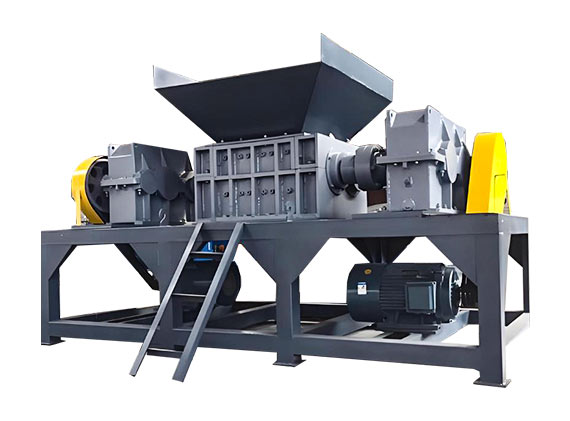 Lithium-ion Battery Shredder Machine
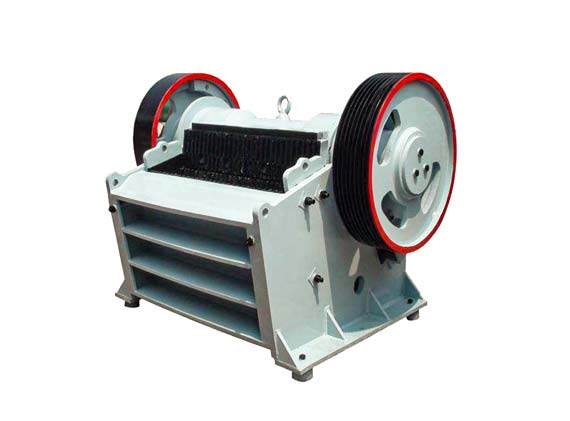 Mini Small Jaw Crusher
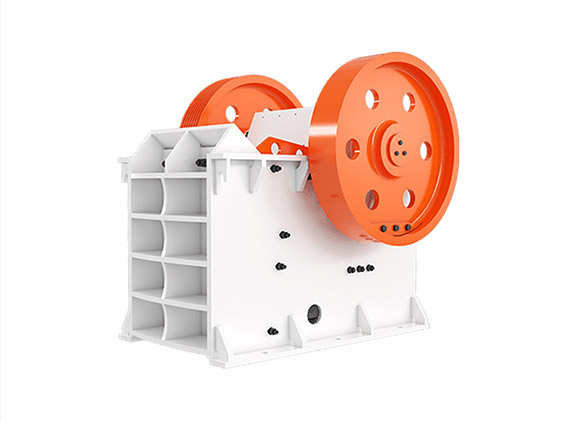 Jaw Crusher
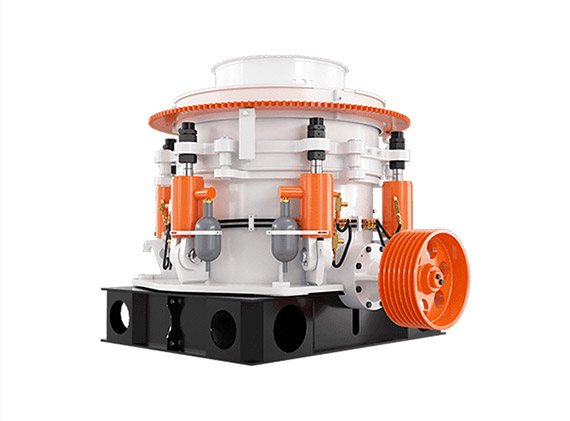 Cone Crusher
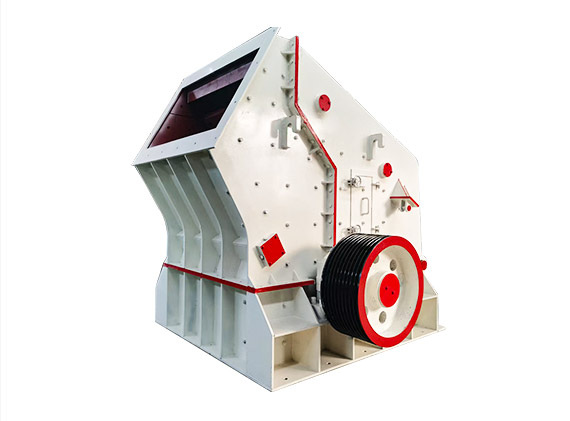 Impact Crusher
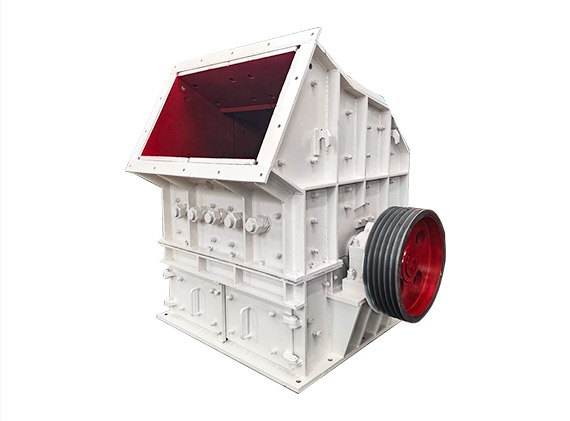 Hammer Crusher
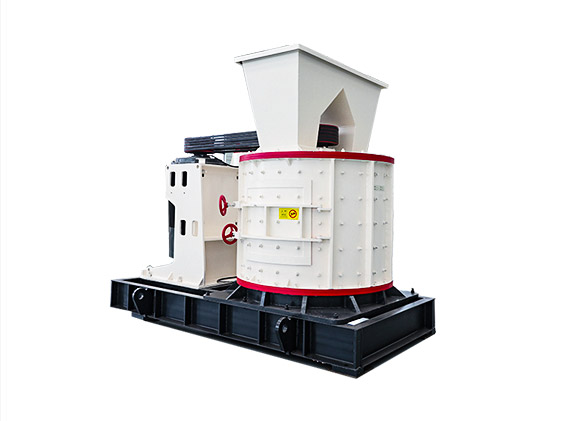 Impact Mill Crusher
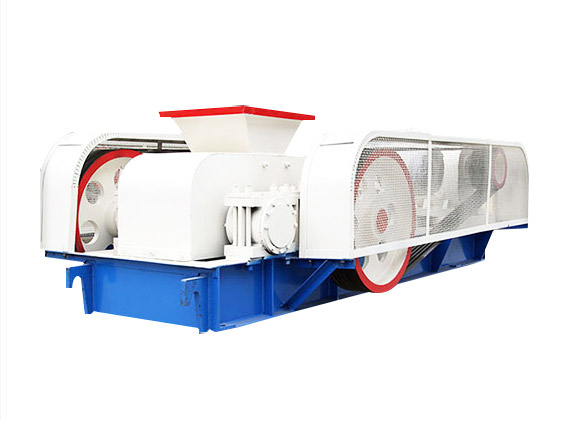 Roll Crusher
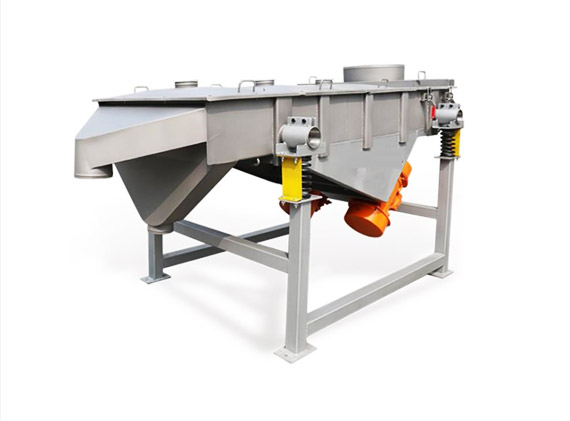 Linear Vibrating Screen Machine
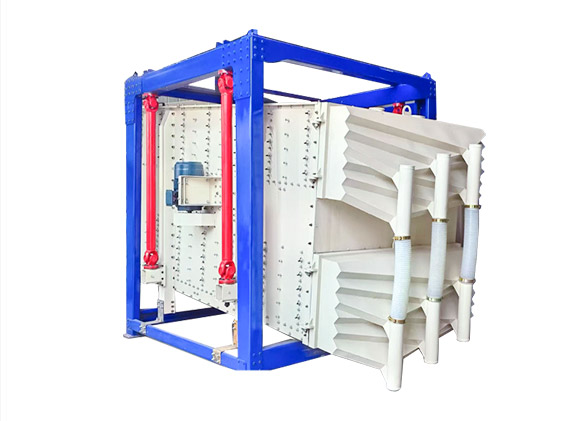 Swing Screen Machine
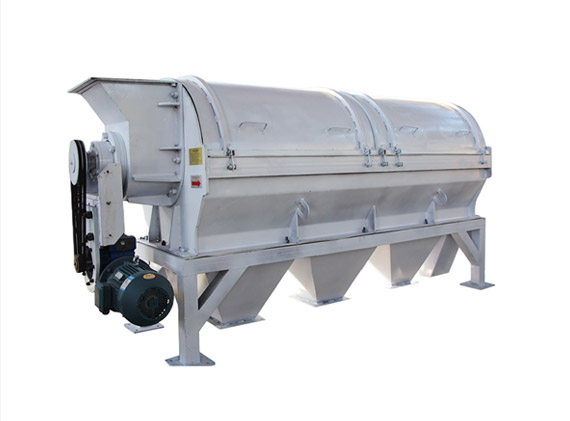 Tumbler Screen Machine
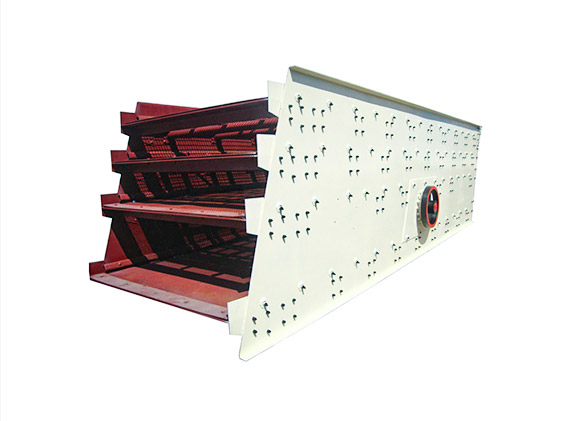 Circular Vibrating Screen
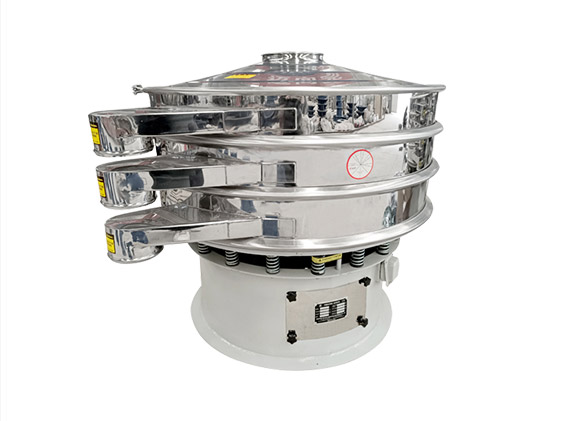 Cylindrical Rotary Vibrating Screen
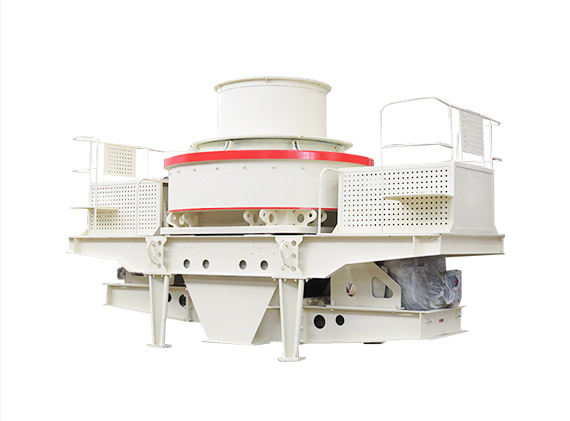 Sand Making Machine
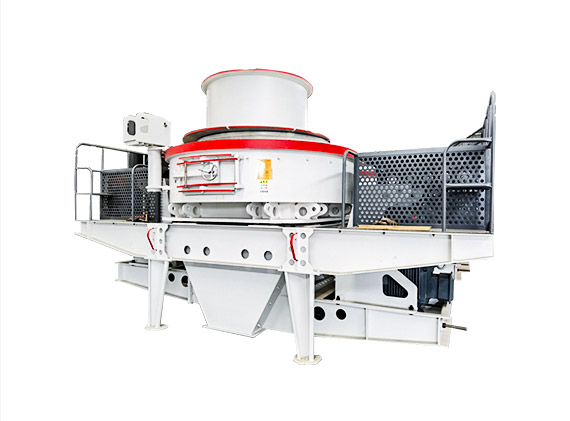 VSI Sand Making Machine
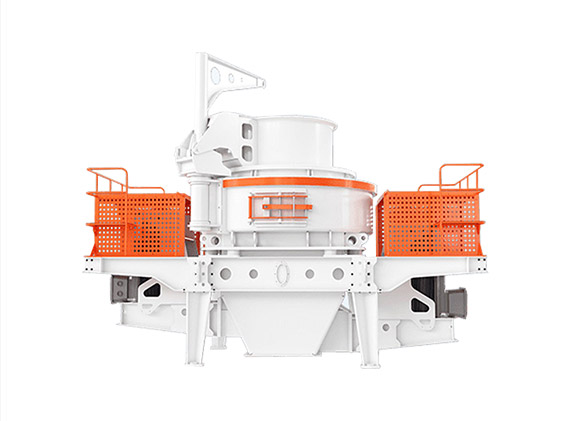 Impact Sand Making Machine
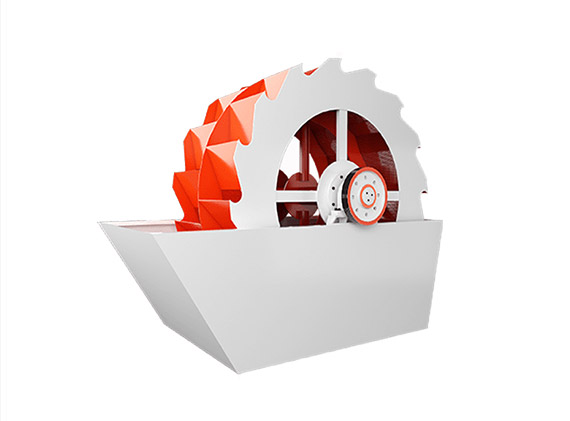 Sand Washing Machine
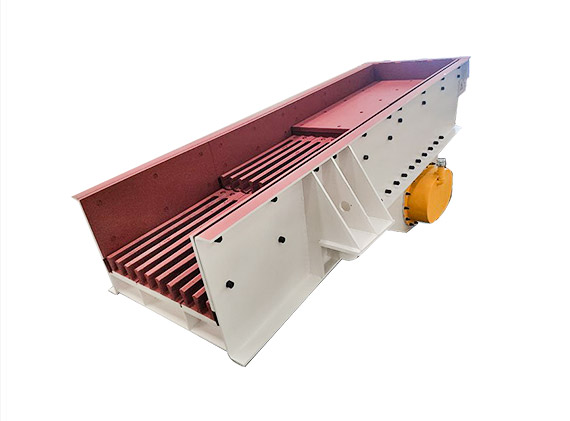 Vibrating Feeder
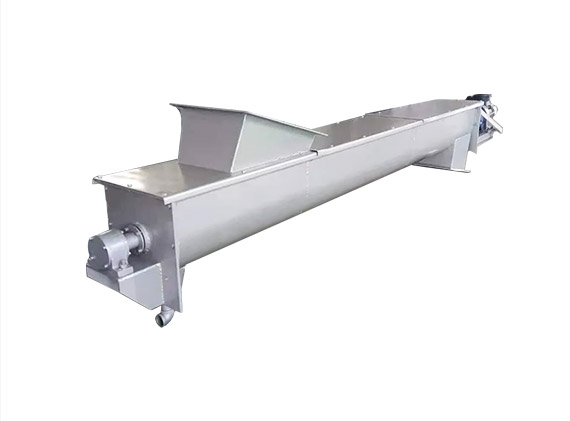 U-Shape Screw Reamer
 Belt Conveyor
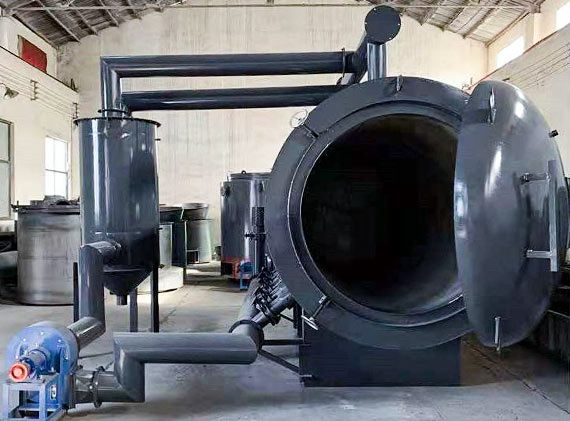 Horizontal Carbonization Furnace
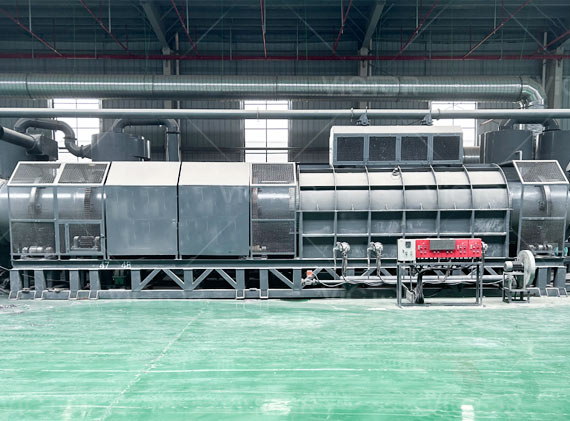 Wood Charcoal Carbonization Furnace
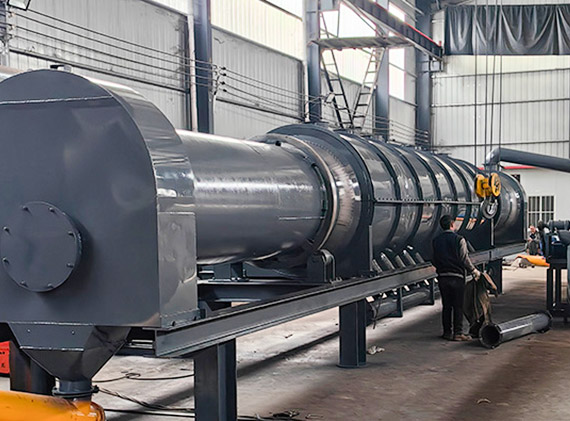 Waste Carbonization Furnace
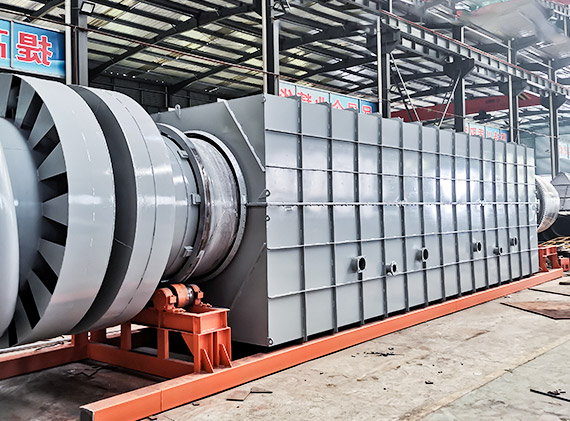 Sludge Continuous Carbonization Furnace
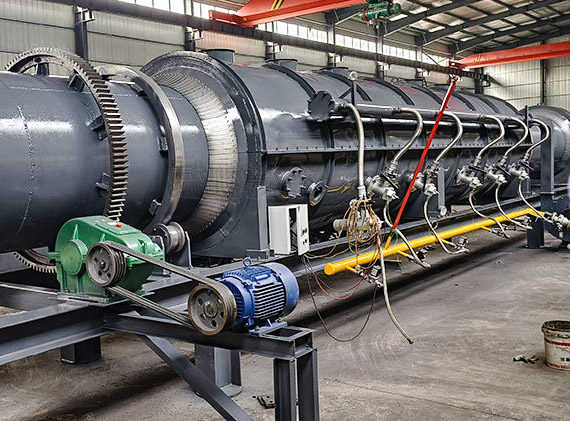 Biomass Carbonization Furnace
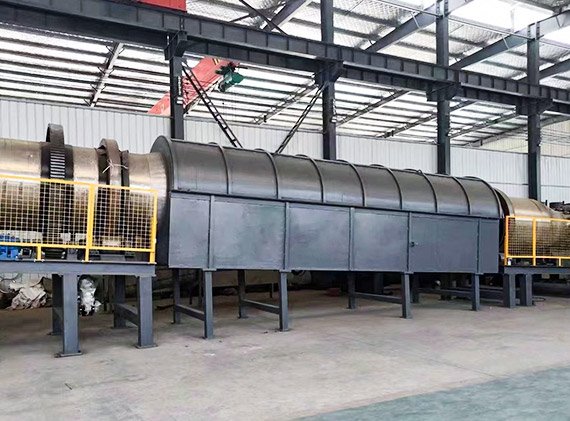 Coconut Shell Carbonization Furnace
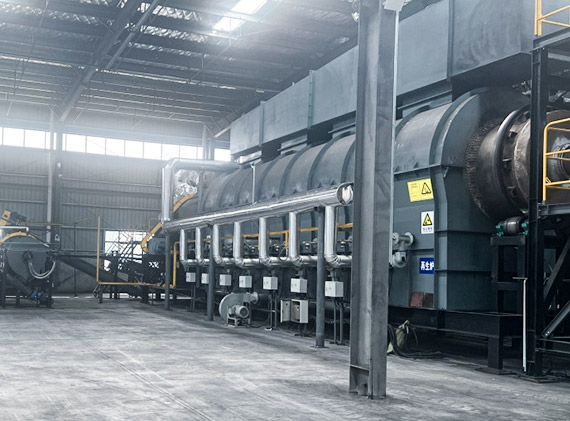 Continuous Carbonization Furnace
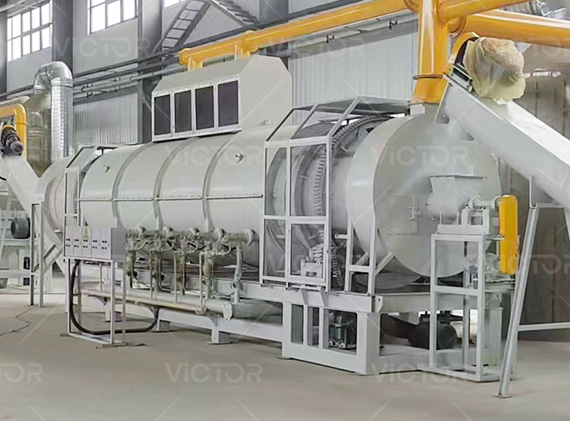 Biomass Pyrolysis Furnace
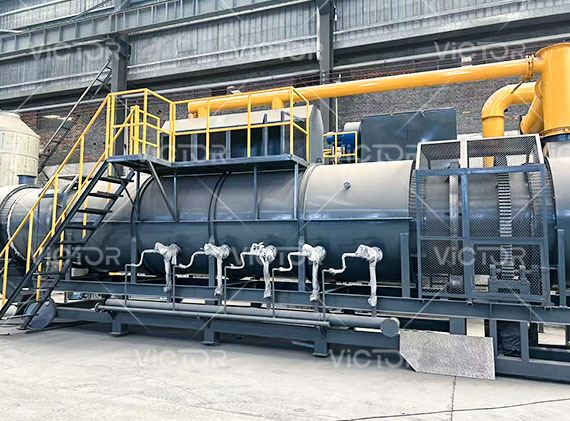 Lithium Battery Recycling Pyrolysis Furnace
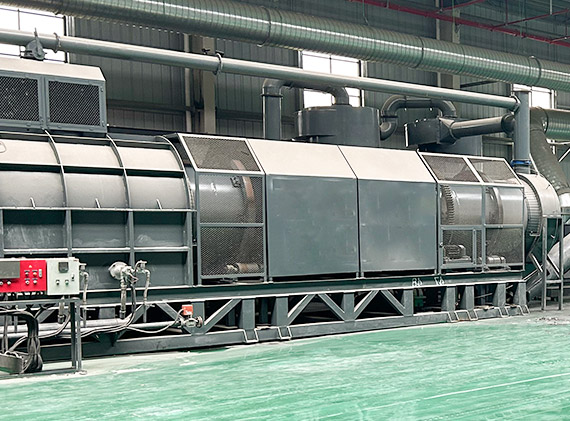 Solar PV Panel Recycling Pyrolysis Furnace
 PCB Recycling Pyrolysis Furnace
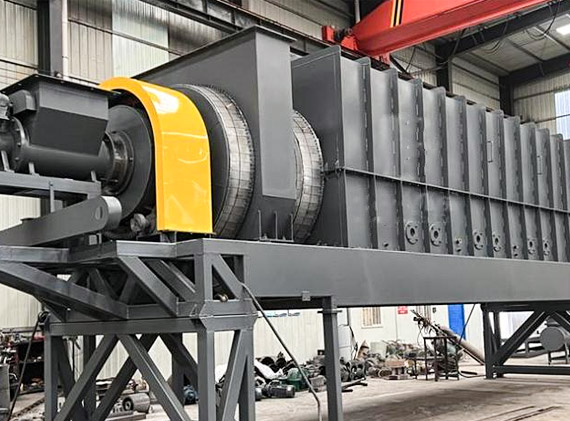 Carbonization Paint Removing Furnace
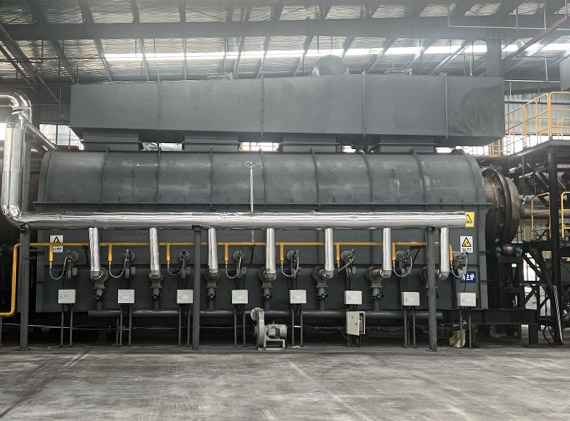 Capacitor Continuity Pyrolysis Furnace
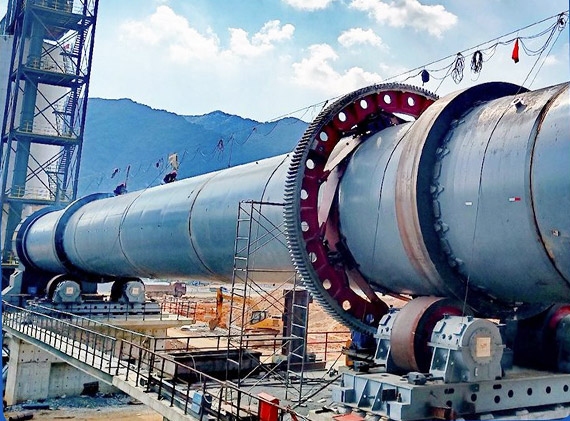 Rotary Kiln
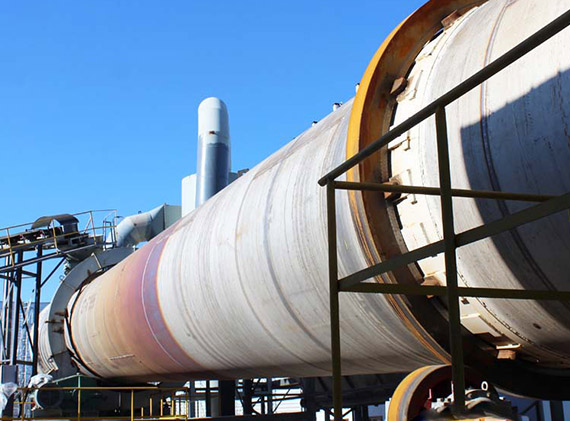 Waste Incineration Rotary Kiln
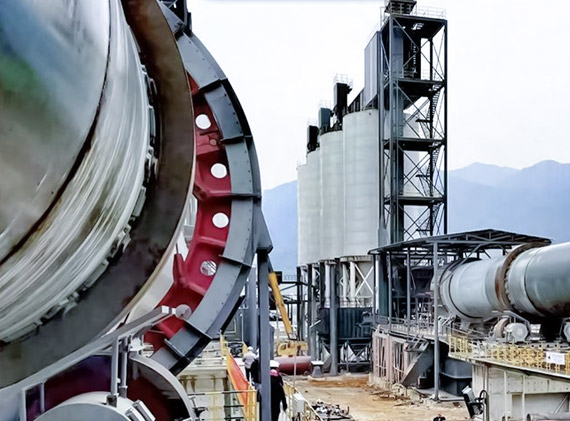 Metallurgical Rotary Kiln
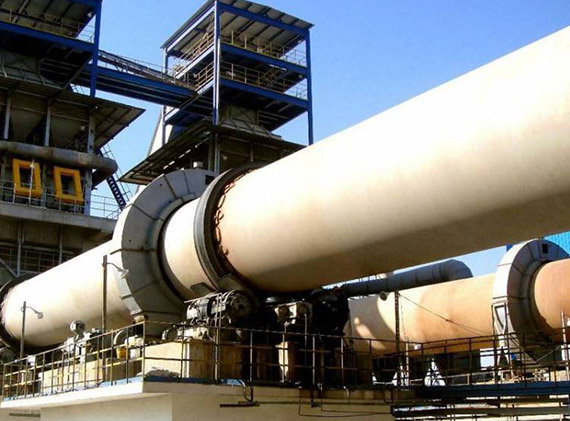 Cement Lime Rotary Kiln
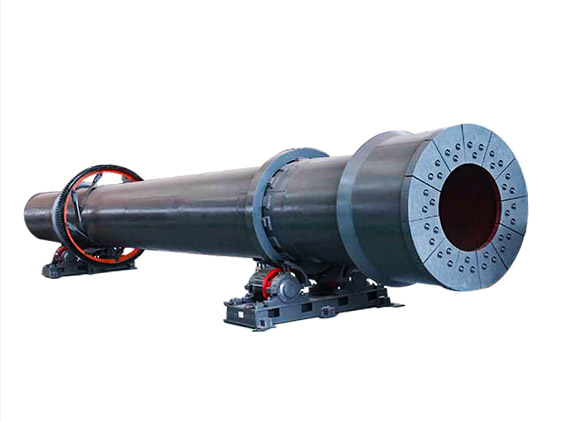 Rotary Drum Dryer Furnace
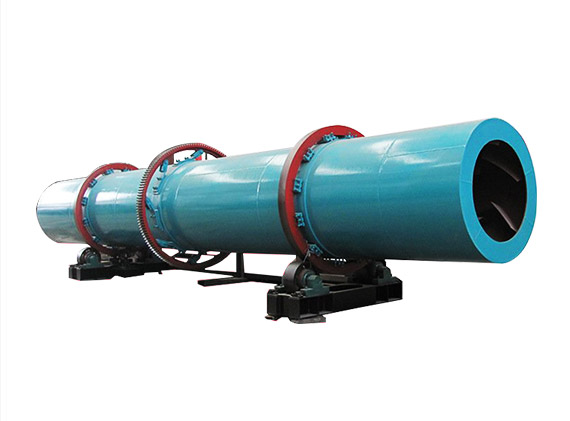 Drum Drying Dryer Furnace
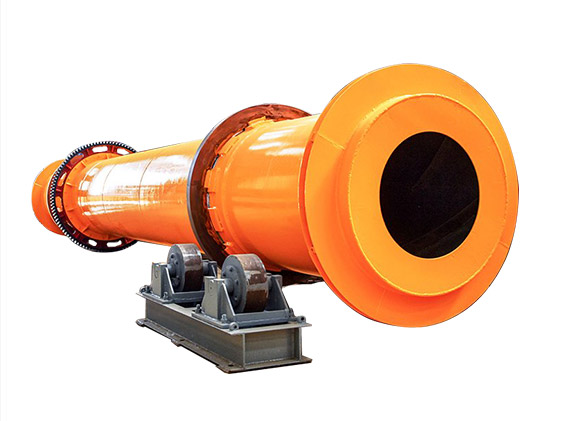 Industrial Dryer Furnace
 Lithium Battery Recycling Plant
 Solar Photovoltaic Panel Recycling Plant
 PCB Circuit Board Recycling Plant
 E Waste Recycling Plant
 Blog
Blog Company Blog
 Knowledge
 FAQ
FAQ