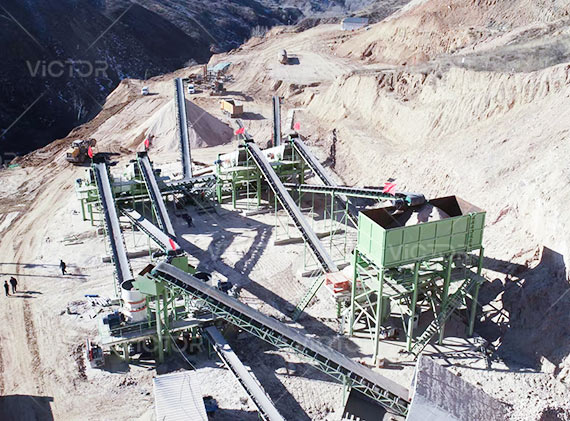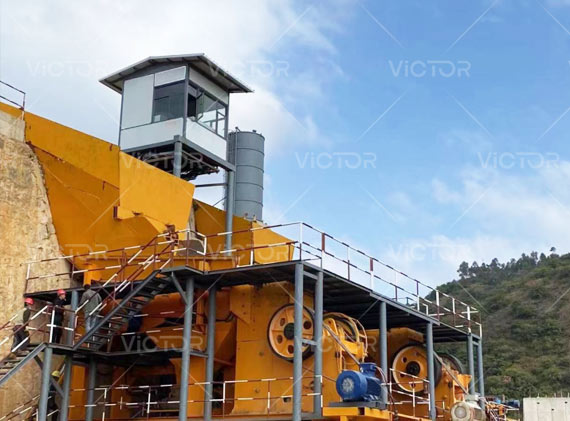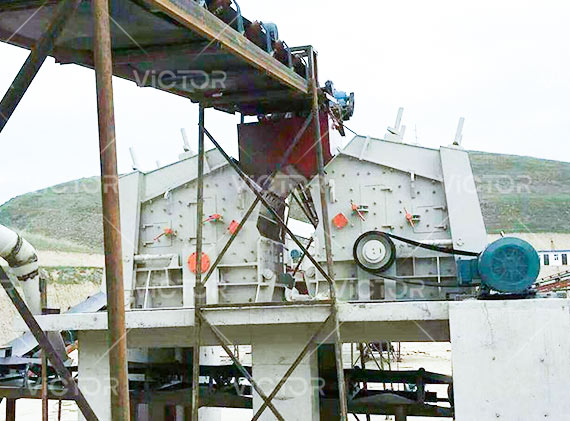



In mining crushing operations, the cone crusher serves as vital equipment for processing medium-hardness, medium-brittleness materials. It finds extensive application in the crushing processes of both metallic and non-metallic ores. Widely employed across metallurgy, construction, railways, and chemical industries, the cone crusher is the preferred choice for breaking high-hardness ores—such as granite, iron ore, and copper ore—in numerous mineral processing lines. Thus, it delivers stable throughput and high crushing efficiency when processing such materials. Today we shall detail the working principle of the cone crusher, aiding a clearer understanding of this equipment’s advantages and suitable applications. This provides valuable reference for designing crushing processes.
This series comprises core components including the crushing cone, adjustment mechanism, adjustment sleeve, transmission system, eccentric sleeve, and frame. It is complemented by auxiliary systems such as electrical and lubrication systems. Based on user requirements, the cone crusher series can be categorised into primary, secondary, and tertiary crushing types, catering to diverse scenarios and materials. Its flexible crushing chamber configurations accommodate standard, medium, and short-head applications for different crushing tasks.
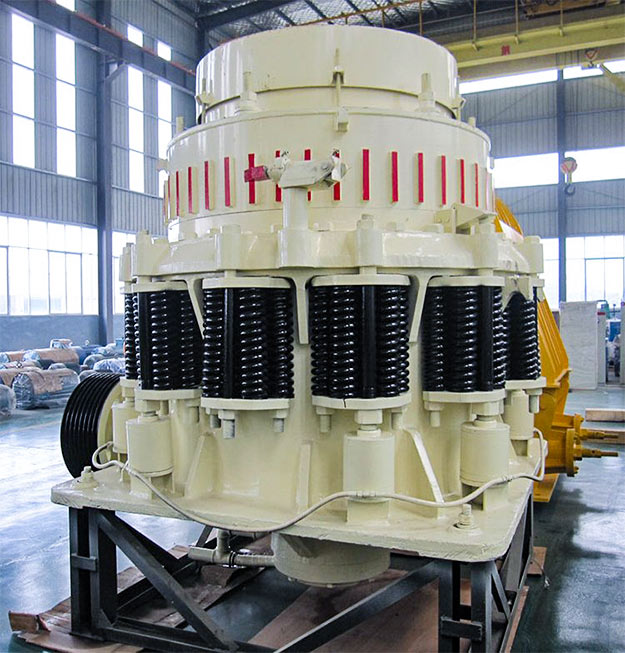
Cone Crusher Working Principle
Primarily employed for secondary crushing of ore. Processes material following primary crushing (accomplished by jaw crushers), reducing it to a suitable fine-crushing size. The standard cone crusher features a deep crushing chamber and a large discharge opening. It offers high processing capacity and handles ore of relatively large feed size.
Often termed the ‘short-head cone crusher’. Primarily employed for tertiary crushing of ore. Reduces medium-crushed ore to a size suitable for direct feeding into grinding equipment. The short-head crusher features a shallow crushing chamber and a smaller discharge opening, delivering high crushing precision. It is well-suited for processing ore of smaller particle size.
Positioned between medium and fine crushing, this machine suits applications requiring intermediate particle sizes. For instance, it effectively handles certain scrap metal ores where crushing below 5mm is unnecessary, achieving 15-25mm output. This avoids the increased energy consumption associated with employing a short-head cone crusher for such tasks.
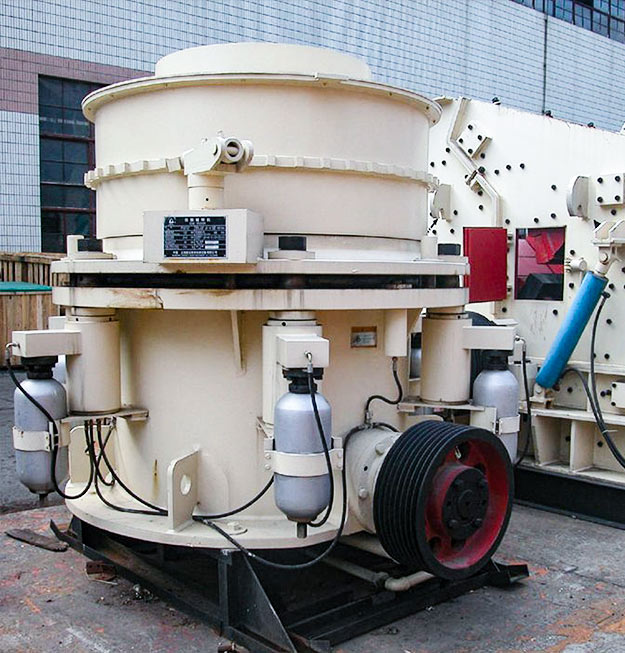
Types of Cone Crushers
In summary, cone crushers offer advantages including stable output, high efficiency, and continuous crushing capability. Their applications primarily encompass medium and fine crushing stages across mineral processing, quarrying, and aggregate production sectors. When selecting equipment, one must consider material characteristics and production requirements to choose the appropriate crusher type, ensuring efficient and stable operation throughout the crushing process.
The URL for this article is: https://www.victorsmachine.com/company-blog/cone-crusher-working-principle/ Please credit the source when reposting. Thank you.
We know how to get energy from waste. Let’s build better future for everyone, together !
Victor Machinery is a manufacturer of machinery and equipment. The main products are: shredder, crusher, carbonization furnace equipment, mining equipment, recycling machinery, etc.
Our ever-evolving offering for mining and construction covers crushing, screening, breaking, demolition, and service solutions – designed to increase productivity and boost your bottom line.
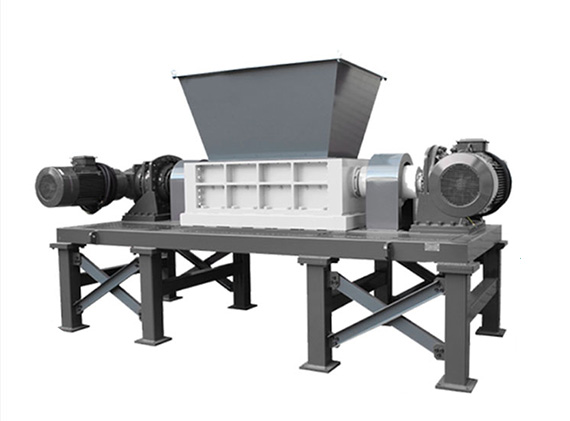 Double Shaft Shredder Machine
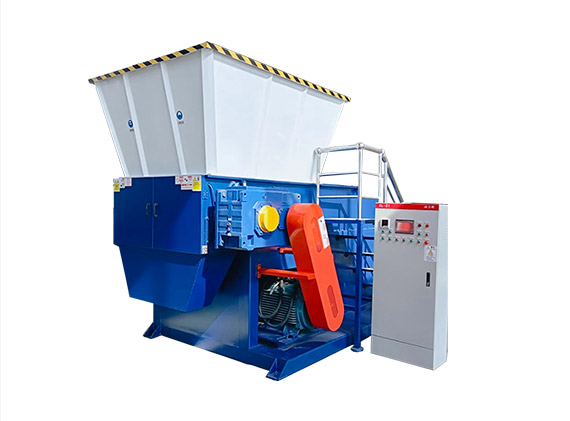 Single Shaft Shredder Machine
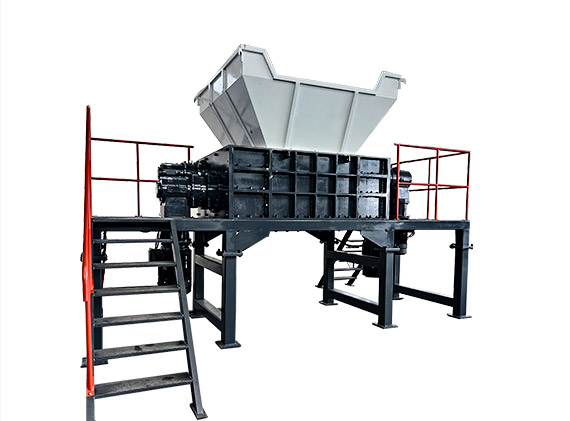 Four Shaft Shredder Machine
 Tyre Shredder Machine
 Metal Shredder Machine
 Wood Shredder Machine
 Plastic Shredder Machine
 UBC Aluminum Can Shredder Machine
 Lithium-ion Battery Shredder Machine
 Mini Small Jaw Crusher
 Jaw Crusher
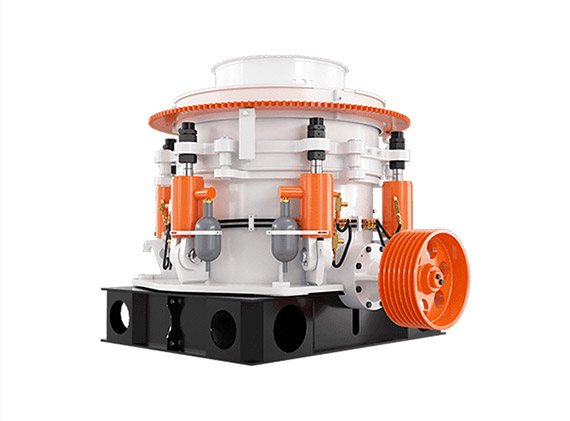 Cone Crusher
 Impact Crusher
 Hammer Crusher
 Impact Mill Crusher
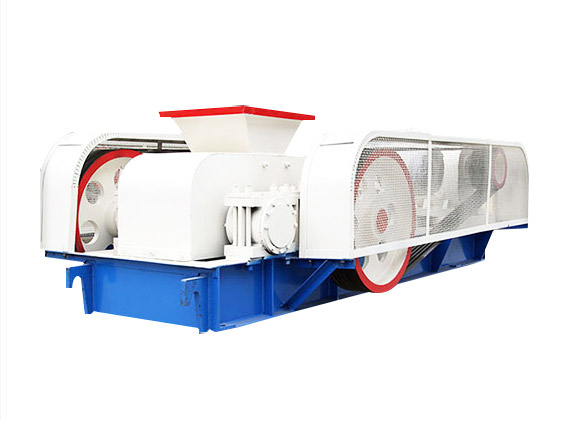 Roll Crusher
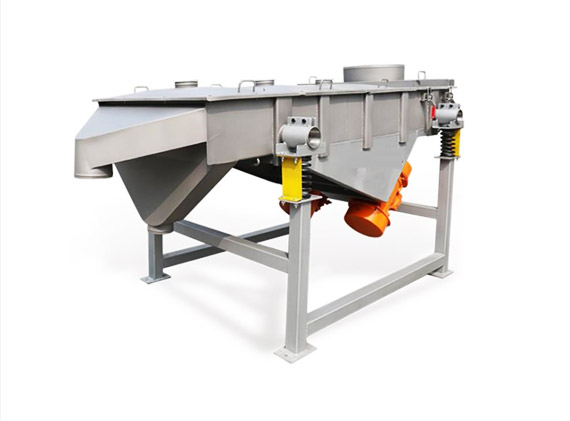 Linear Vibrating Screen Machine
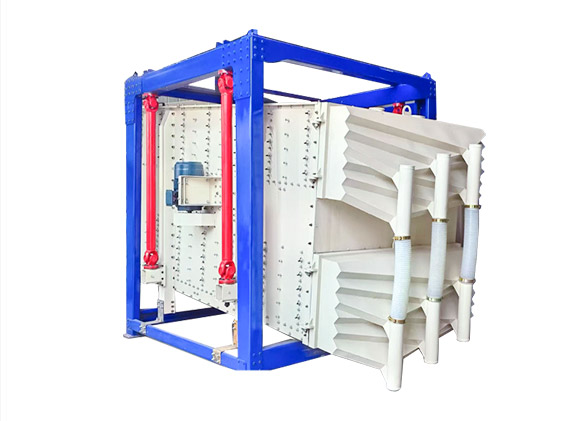 Swing Screen Machine
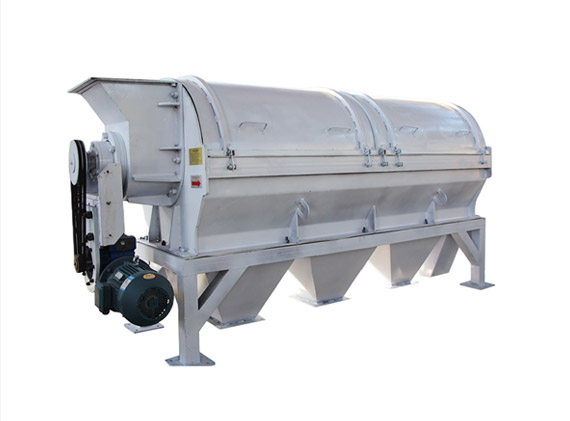 Tumbler Screen Machine
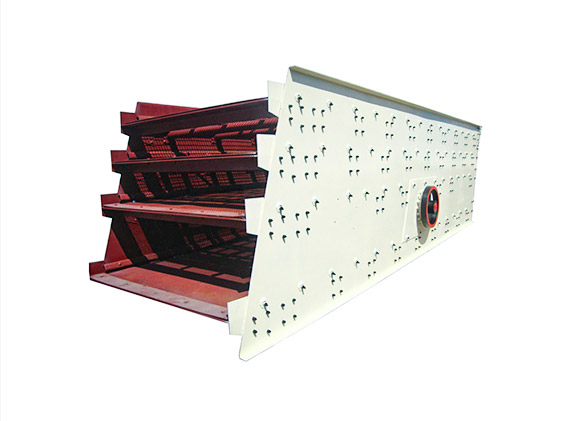 Circular Vibrating Screen
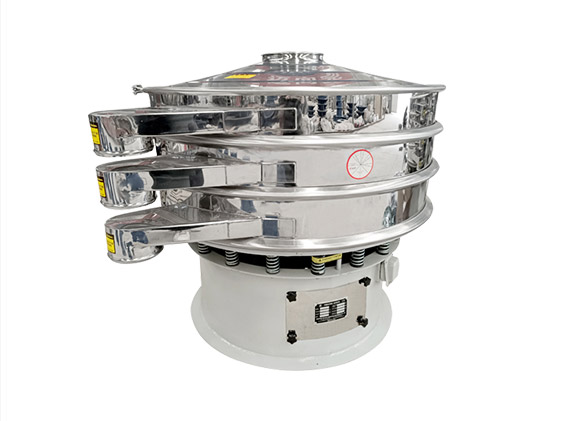 Cylindrical Rotary Vibrating Screen
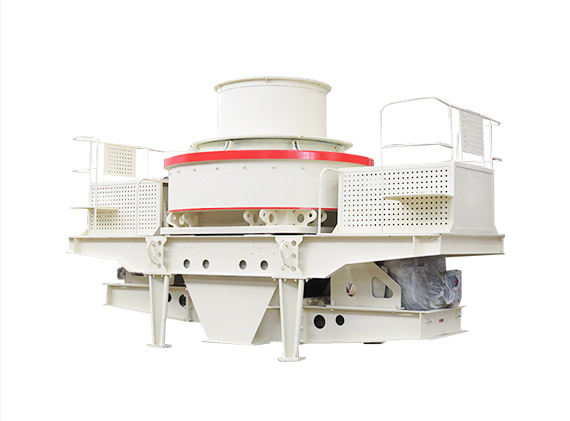 Sand Making Machine
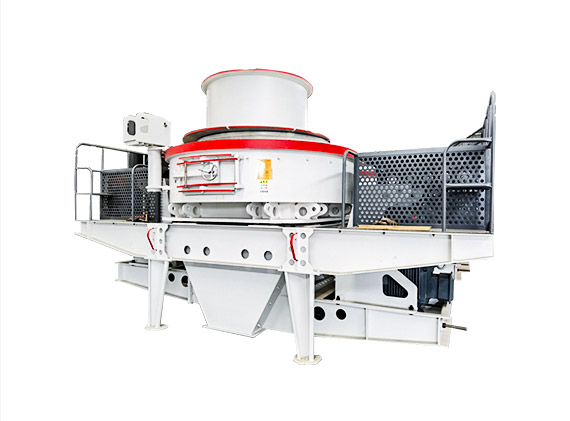 VSI Sand Making Machine
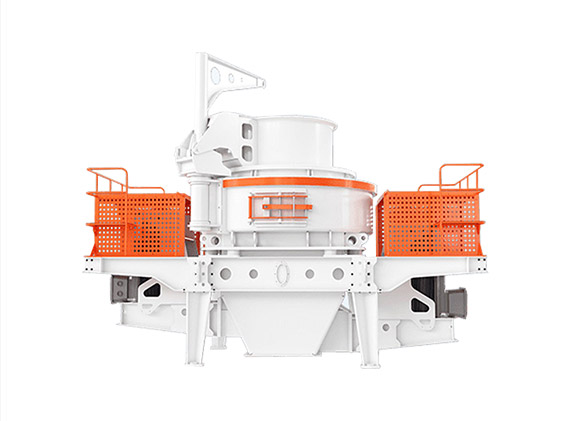 Impact Sand Making Machine
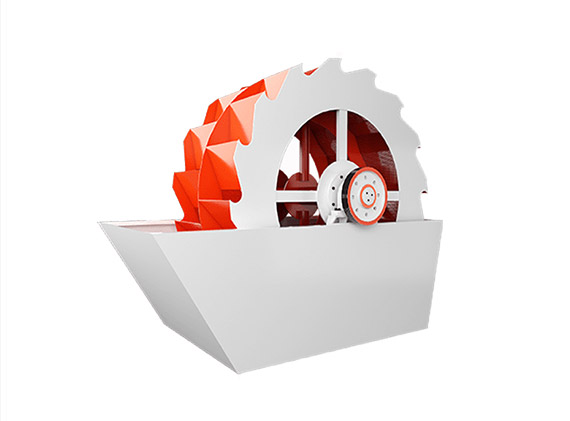 Sand Washing Machine
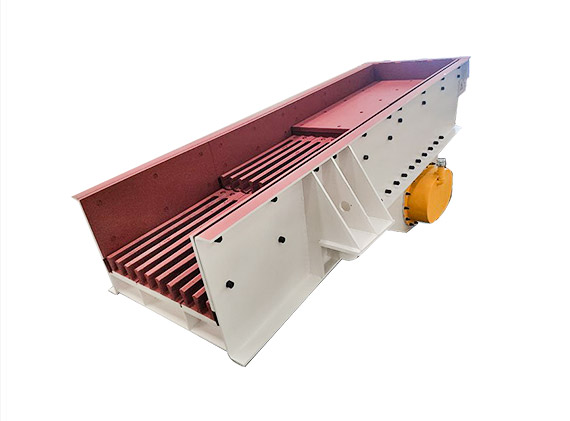 Vibrating Feeder
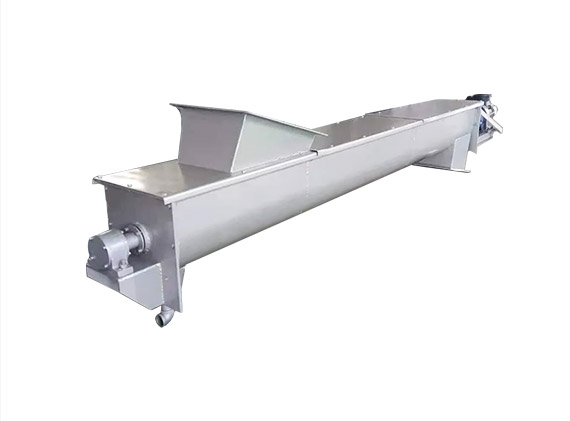 U-Shape Screw Reamer
 Belt Conveyor
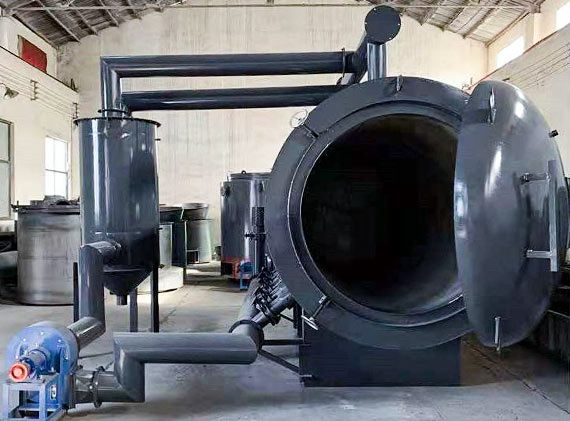 Horizontal Carbonization Furnace
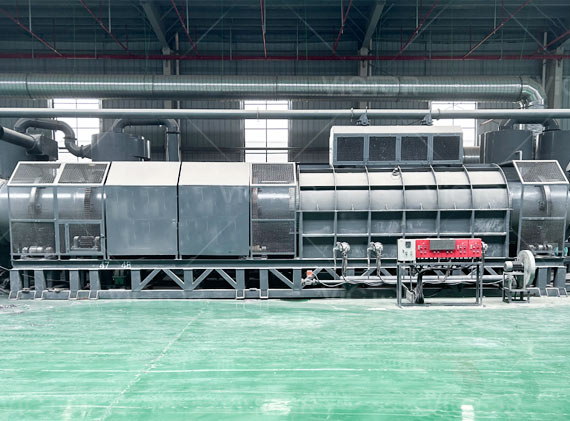 Wood Charcoal Carbonization Furnace
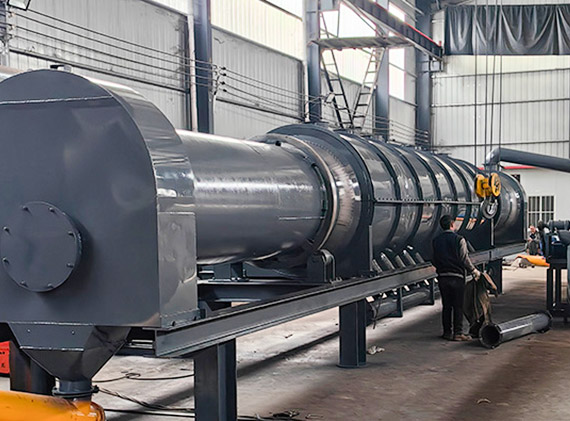 Waste Carbonization Furnace
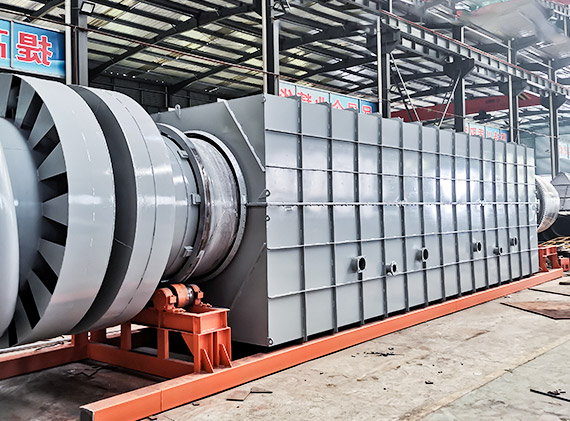 Sludge Continuous Carbonization Furnace
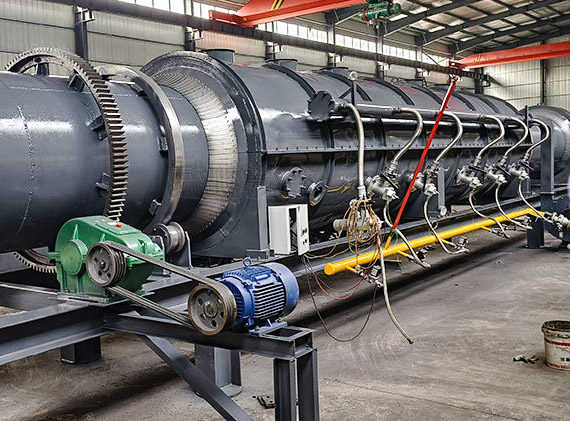 Biomass Carbonization Furnace
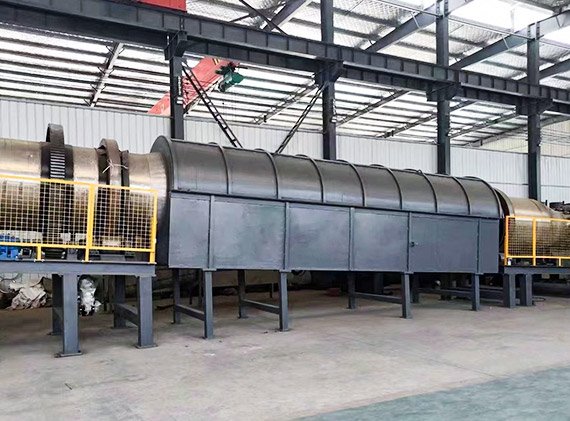 Coconut Shell Carbonization Furnace
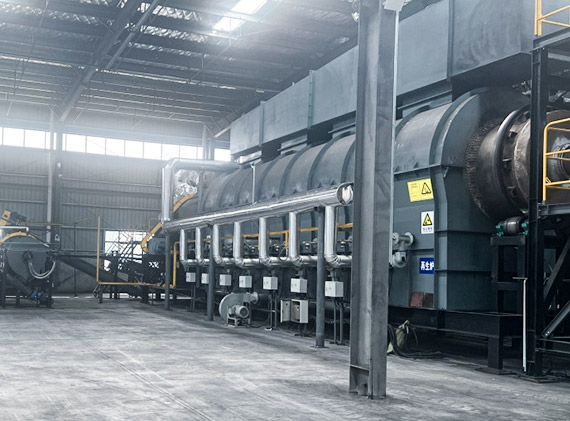 Continuous Carbonization Furnace
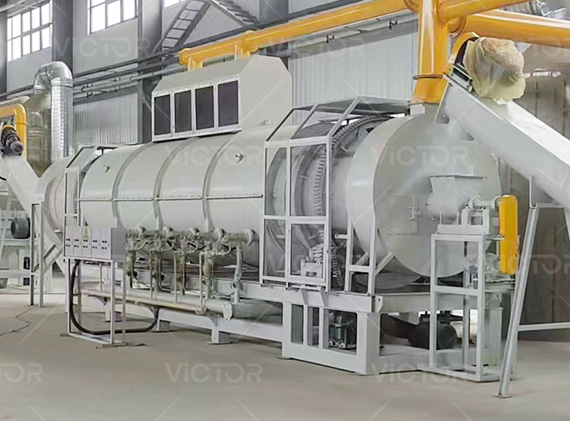 Biomass Pyrolysis Furnace
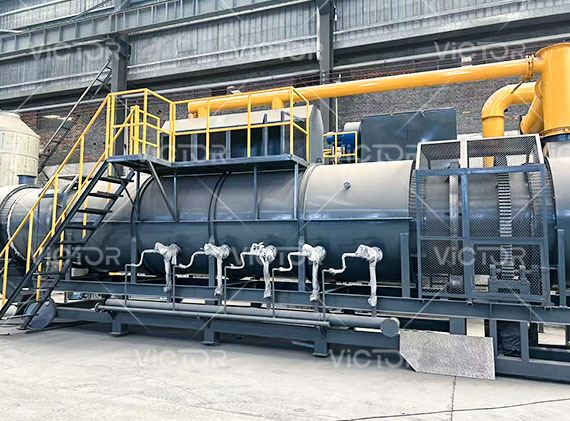 Lithium Battery Recycling Pyrolysis Furnace
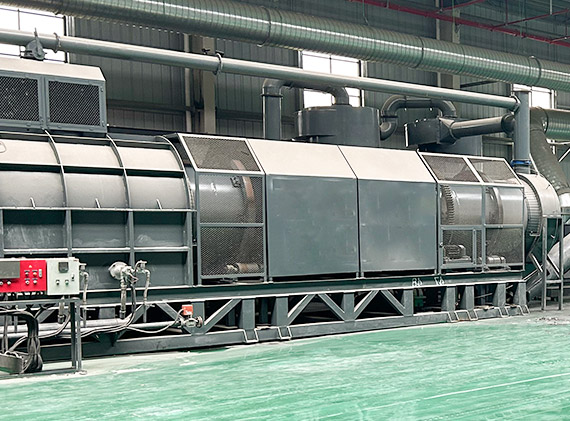 Solar PV Panel Recycling Pyrolysis Furnace
 PCB Recycling Pyrolysis Furnace
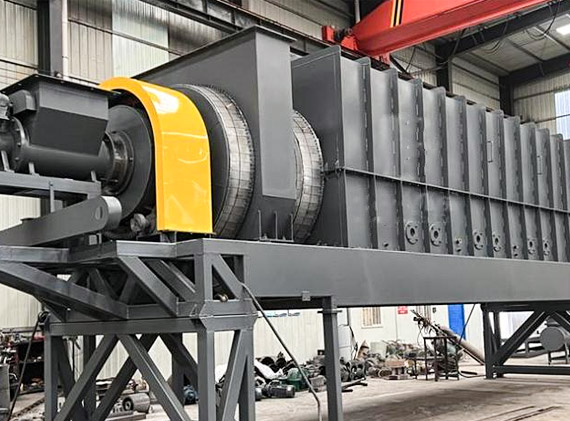 Carbonization Paint Removing Furnace
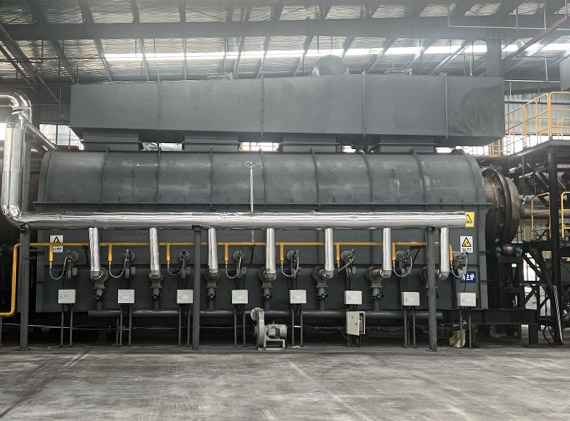 Capacitor Continuity Pyrolysis Furnace
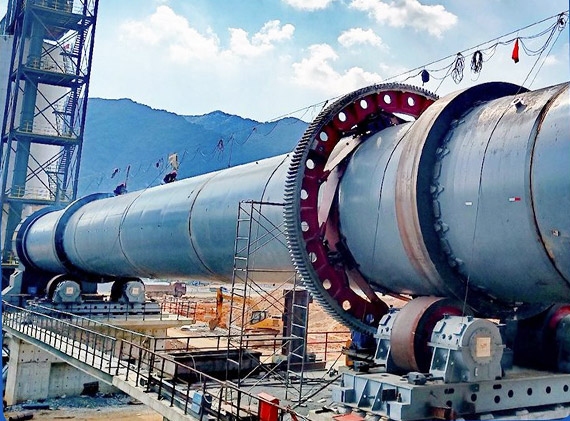 Rotary Kiln
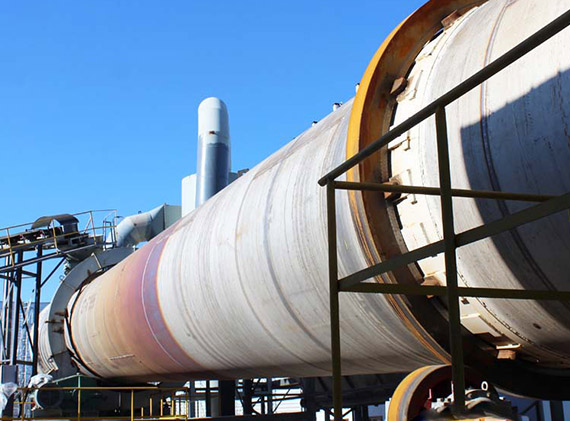 Waste Incineration Rotary Kiln
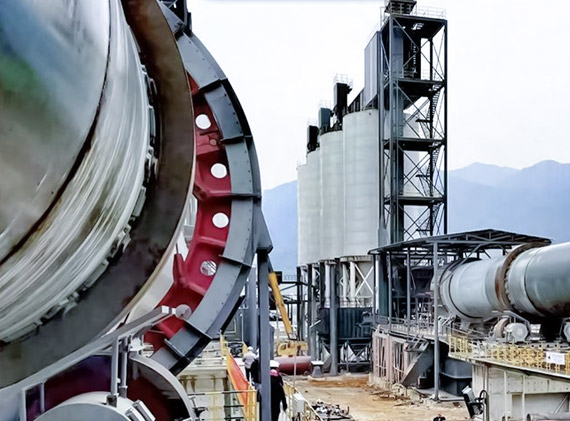 Metallurgical Rotary Kiln
 Cement Lime Rotary Kiln
 Rotary Drum Dryer Furnace
 Drum Drying Dryer Furnace
 Industrial Dryer Furnace
 Lithium Battery Recycling Plant
 Solar Photovoltaic Panel Recycling Plant
 PCB Circuit Board Recycling Plant
 E Waste Recycling Plant
 Blog
Blog Company Blog
 Knowledge
 FAQ
FAQ