



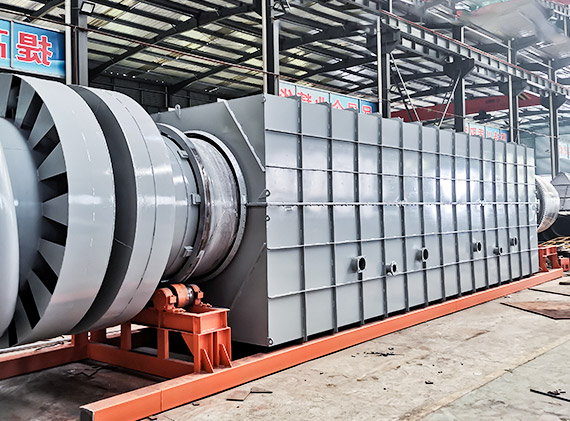
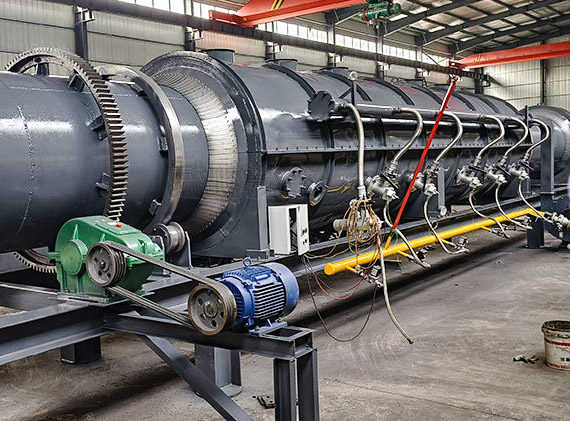
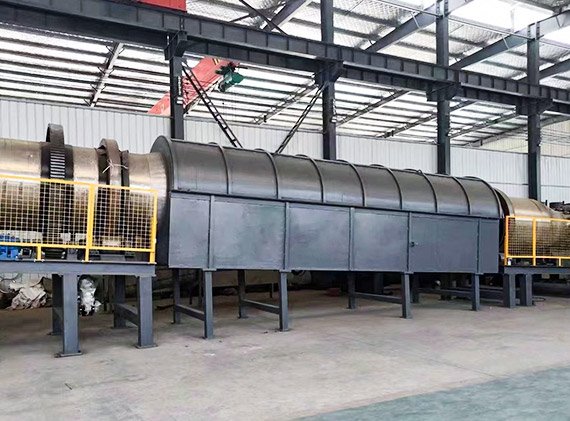
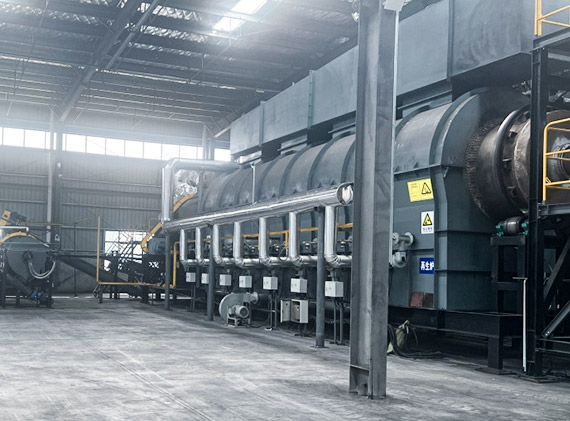
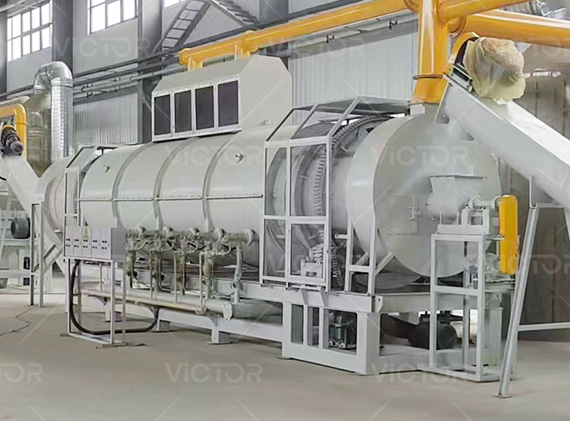
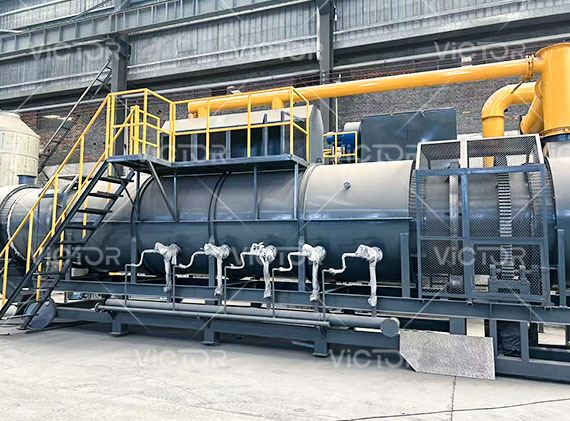
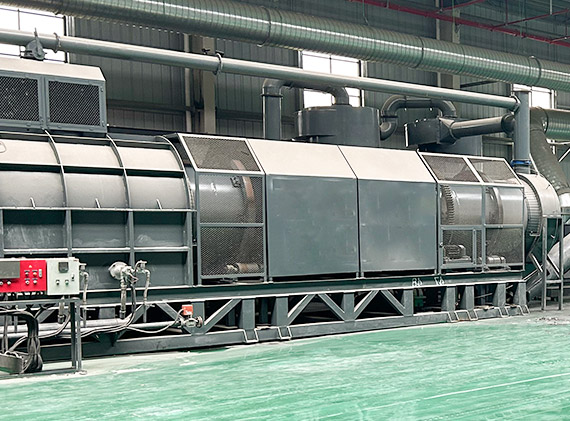
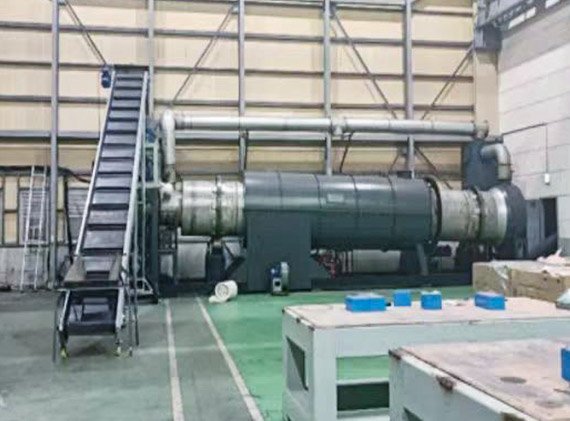
The UBC aluminum cans paint removing machine is specialised equipment for the pre-treatment of used beverage cans (UBC). This facility employs a proprietary technique to process the paint layers on discarded beverage cans. Through high-temperature carbonisation, the paint coating on UBC aluminium cans is decomposed and removed, yielding a clean metal substrate without compromising the aluminium’s structural integrity. The treated can surfaces achieve a high degree of cleanliness, enabling direct smelting. This process significantly reduces environmental pollution from waste beverage cans while simultaneously recovering high-purity aluminium and copper materials. It facilitates the circular reuse of resources. The carbonization paint removing furnace holds considerable significance in resource recovery and environmental protection.
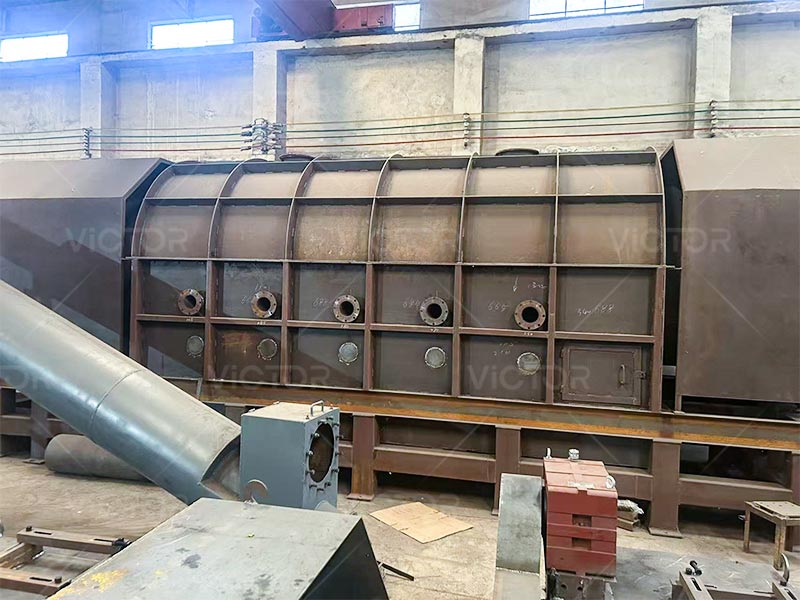
UBC Aluminum Cans Paint Removing Machine
The core principle of the UBC aluminum cans paint removing machine involves utilising high-temperature conditions to induce pyrolysis reactions in the paint layer. The paint coating on aluminium cans primarily consists of organic resins, pigments, and additives. Under elevated temperatures (400–600°C), organic compounds decompose into gases and small molecular substances. The metal substrate remains relatively stable. During carbonisation, the paint layer is completely removed. The metal surface achieves a highly clean state, suitable for direct subsequent smelting or reuse. Compared to traditional chemical recycling methods, which require substantial quantities of strong acids and organic solvents, producing significant wastewater and waste residue while causing corrosion to the metal substrate, the high-temperature carbonisation process eliminates the need for chemical agents. Paint removal is achieved solely through thermal energy, offering superior environmental performance and enhanced metal recovery rates.
Furthermore, our facility incorporates advanced technology with an integrated waste heat recovery module. This utilises high-temperature exhaust gases to preheat feedstock, thereby reducing energy consumption.
Waste beverage cans are first shredded into 5-10cm fragments using a metal shredder. Residual liquids are removed, followed by magnetic separation to segregate iron and aluminium cans.
Shredded fragments are conveyed to the UBC aluminum cans paint removing machine. Under oxygen-depleted conditions, they are heated to approximately 500°C. Carbonisation duration: 20-30 minutes. The paint layer on aluminium cans fully decomposes into gases such as O₂ and H₂. An extremely thin oxide film forms on the metal surface.
Carbonised aluminium flakes are cooled via a cooling machine. Further purification of aluminium is achieved through an eddy current separator. The final products are clean aluminium and iron ingots, suitable for direct use in casting new ingots or smelting.
Currently, UBC aluminum cans paint removing machine achieve over 98% aluminium can recovery rates. With the global promotion of circular economy policies, can de-painting and carbonisation technology is entering a period of rapid development. Annual processing of recycled aluminium cans exceeds one million tonnes.
We know how to get energy from waste. Let’s build better future for everyone, together !
Victor Machinery is a manufacturer of machinery and equipment. The main products are: shredder, crusher, carbonization furnace equipment, mining equipment, recycling machinery, etc.
Our ever-evolving offering for mining and construction covers crushing, screening, breaking, demolition, and service solutions – designed to increase productivity and boost your bottom line.
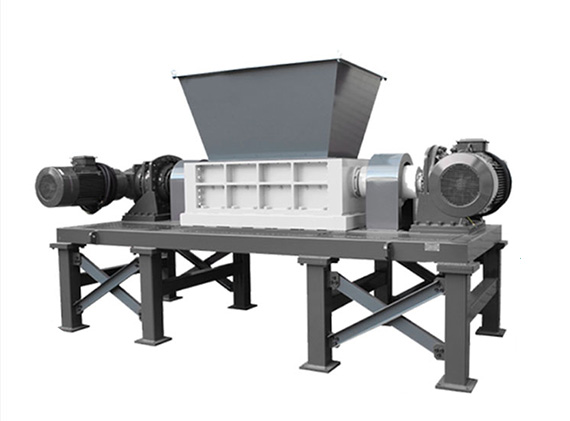 Double Shaft Shredder Machine
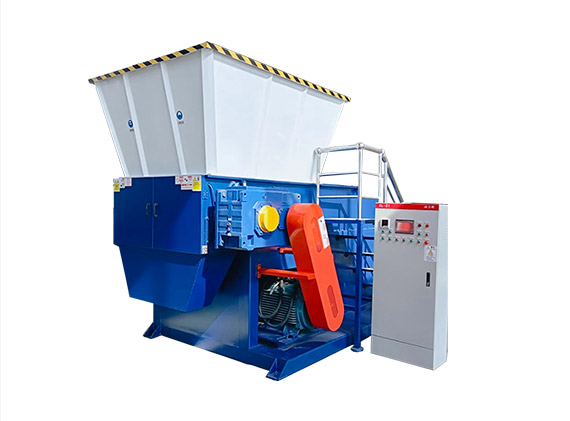 Single Shaft Shredder Machine
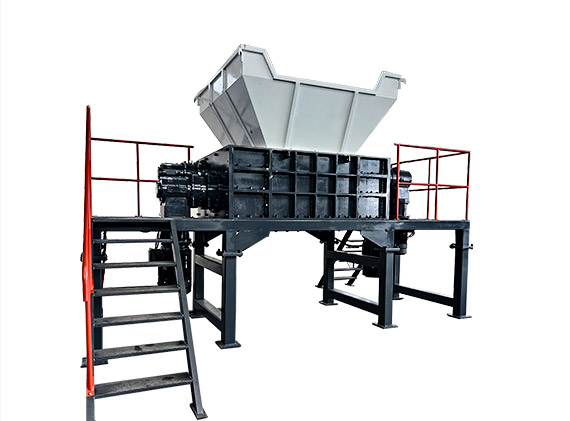 Four Shaft Shredder Machine
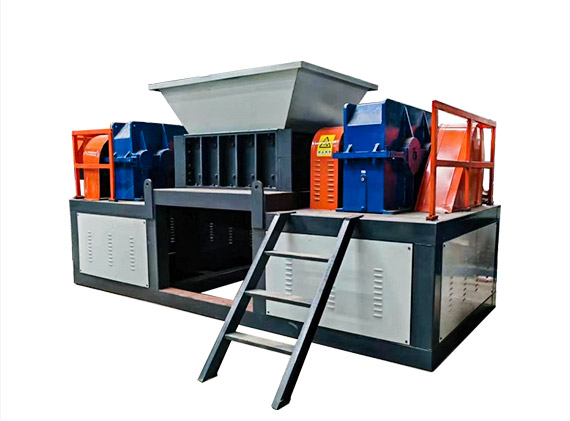 Tyre Shredder Machine
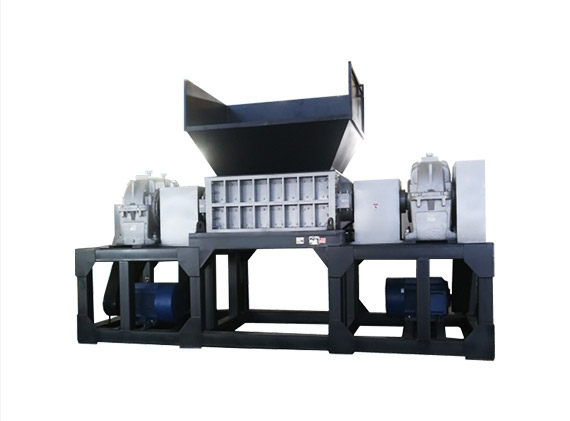 Metal Shredder Machine
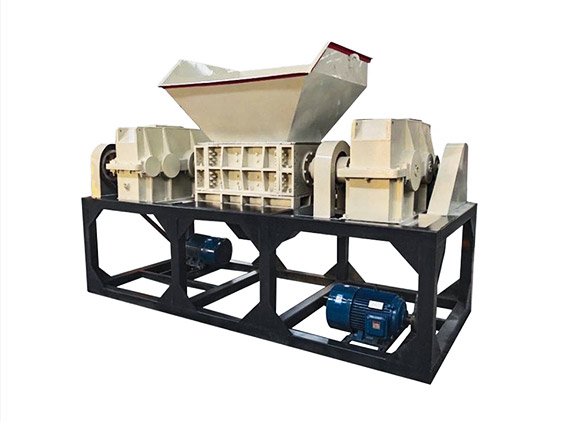 Wood Shredder Machine
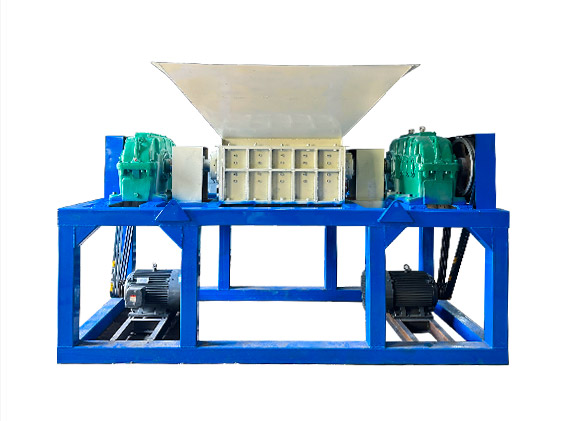 Plastic Shredder Machine
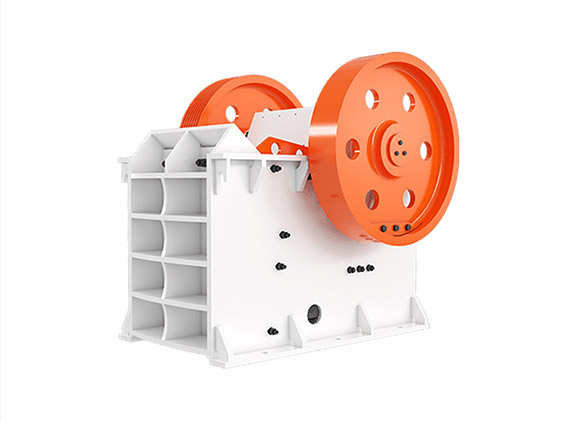 Jaw Crusher
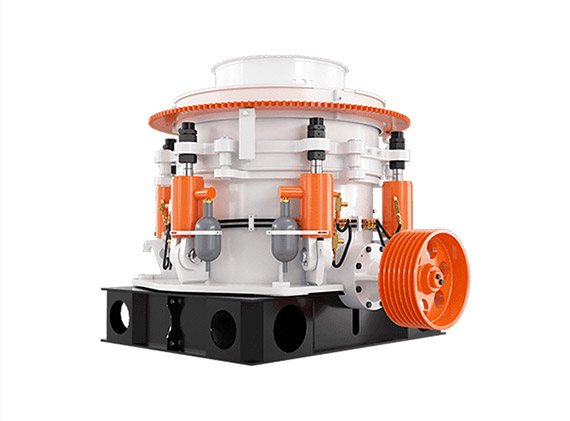 Cone Crusher
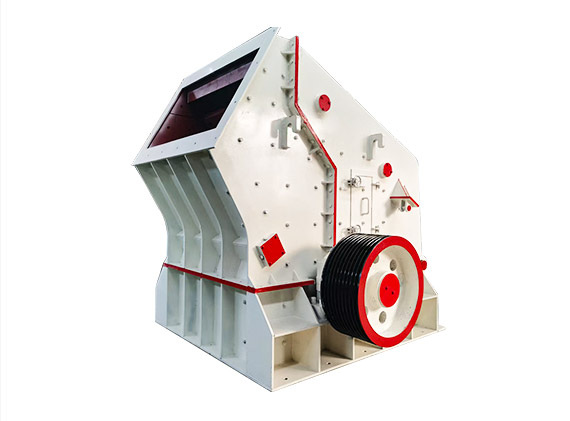 Impact Crusher
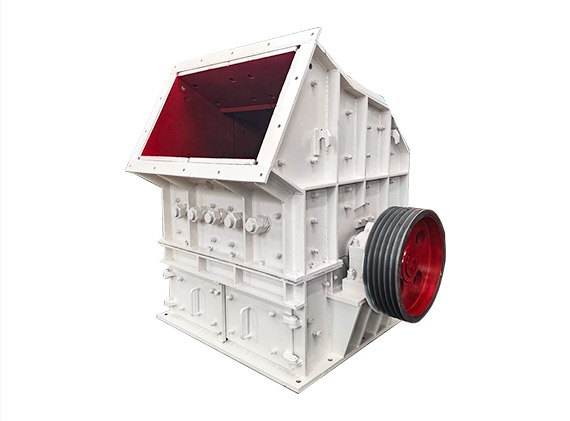 Hammer Crusher
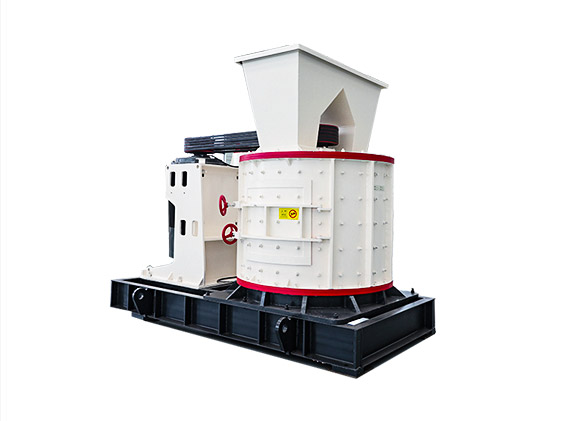 Impact Mill Crusher
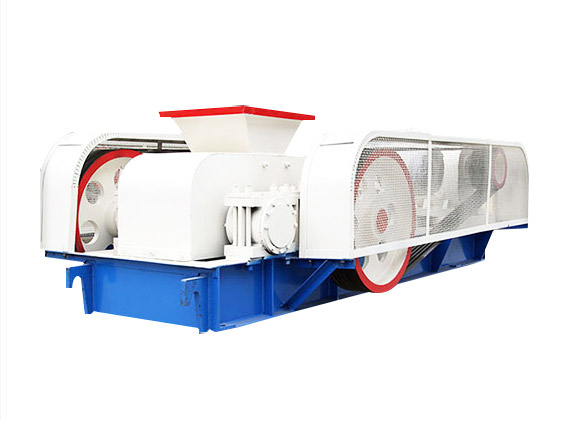 Roll Crusher
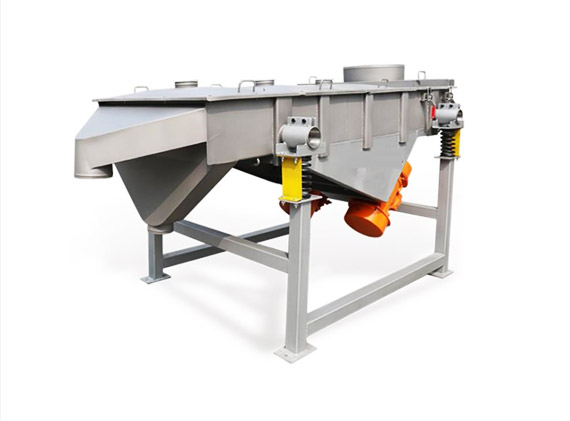 Linear Vibrating Screen Machine
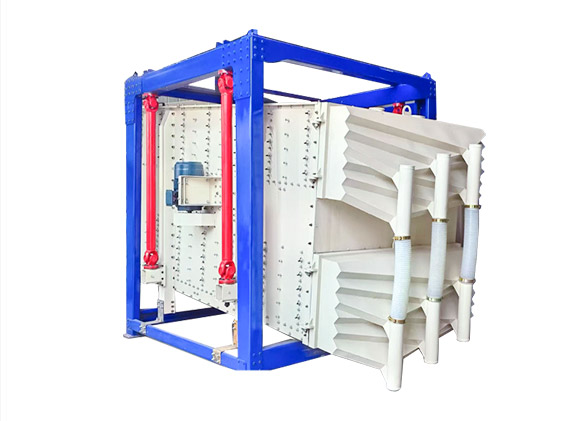 Swing Screen Machine
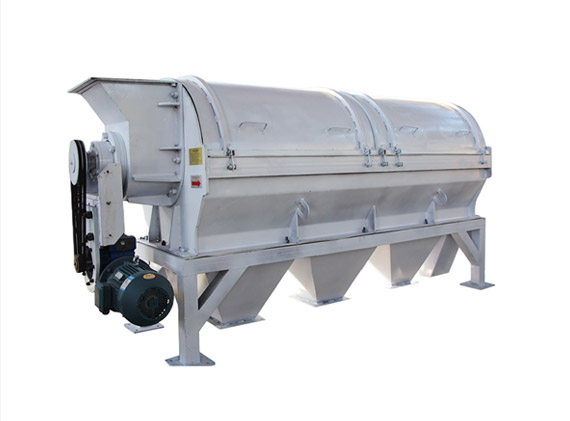 Tumbler Screen Machine
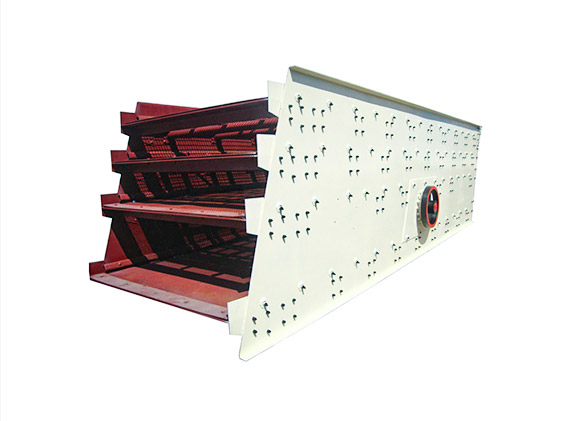 Circular Vibrating Screen
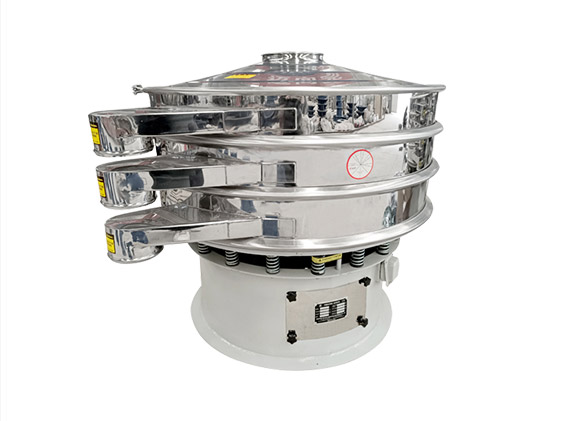 Cylindrical Rotary Vibrating Screen
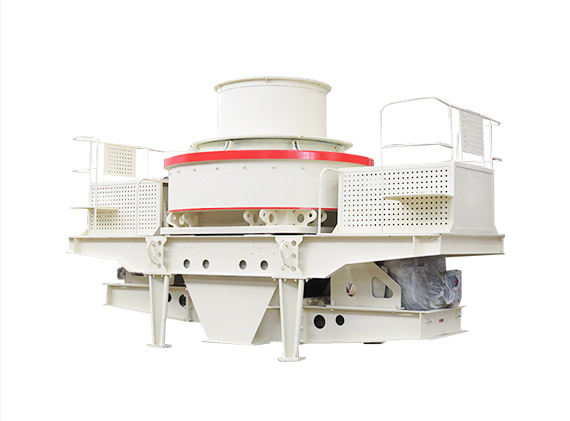 Sand Making Machine
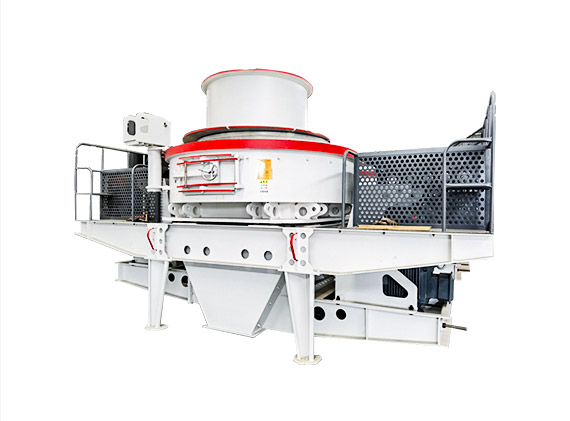 VSI Sand Making Machine
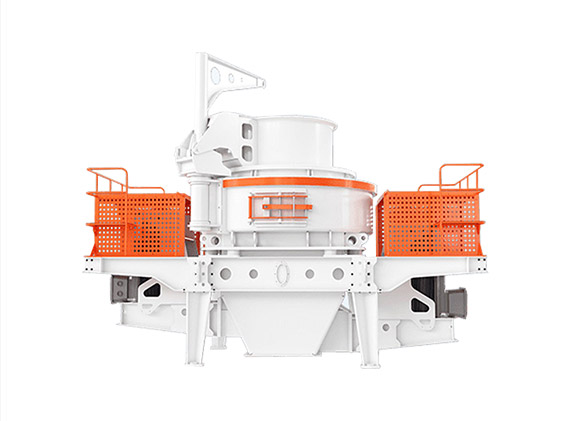 Impact Sand Making Machine
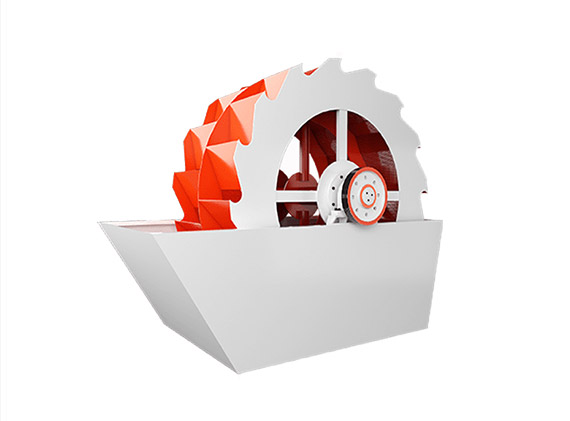 Sand Washing Machine
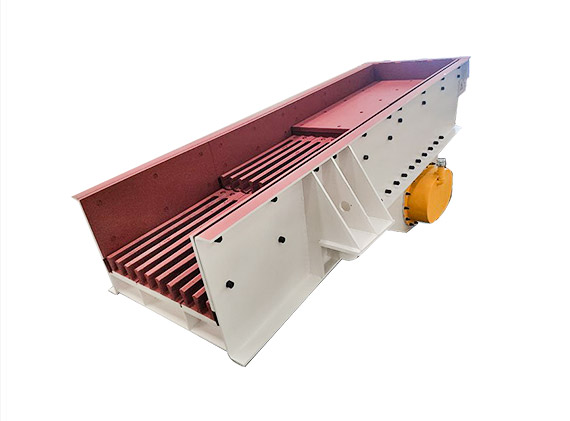 Vibrating Feeder
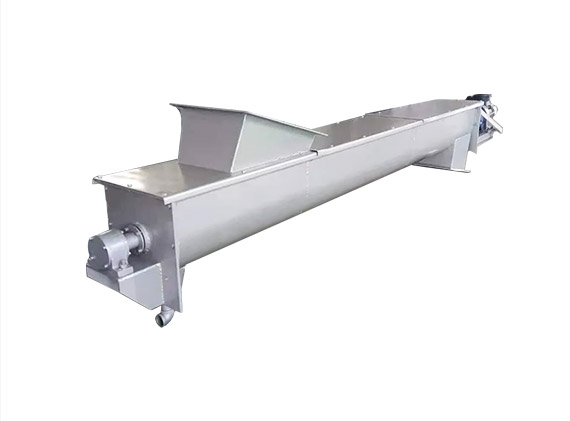 U-Shape Screw Reamer
 Belt Conveyor
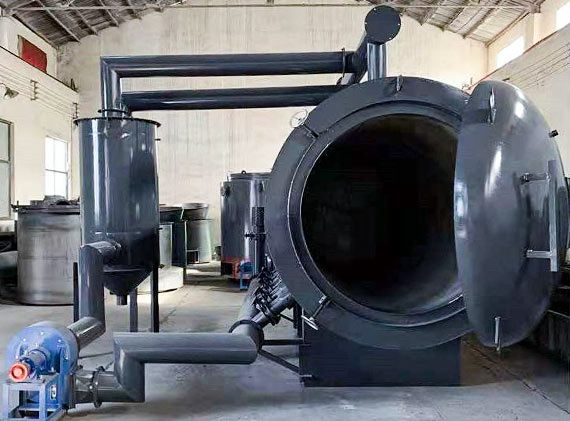 Horizontal Carbonization Furnace
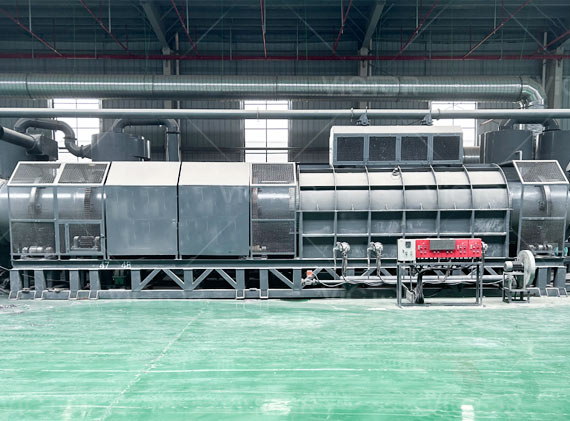 Wood Charcoal Carbonization Furnace
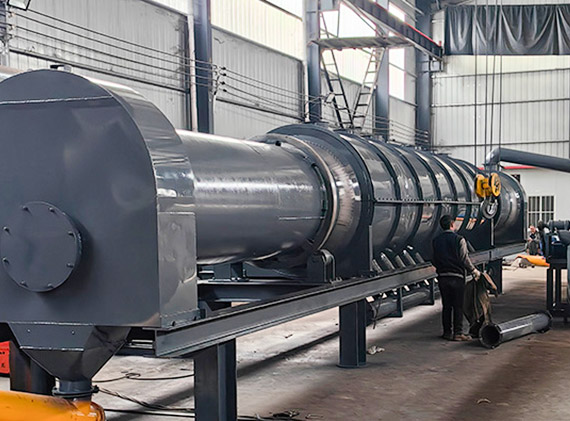 Waste Carbonization Furnace
 Sludge Continuous Carbonization Furnace
 Biomass Carbonization Furnace
 Coconut Shell Carbonization Furnace
 Continuous Carbonization Furnace
 Biomass Pyrolysis Furnace
 Lithium Battery Recycling Pyrolysis Furnace
 Solar PV Panel Recycling Pyrolysis Furnace
 PCB Recycling Pyrolysis Furnace
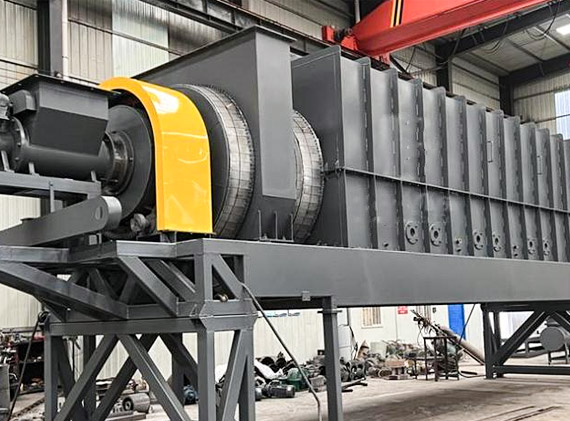 Carbonization Paint Removing Furnace
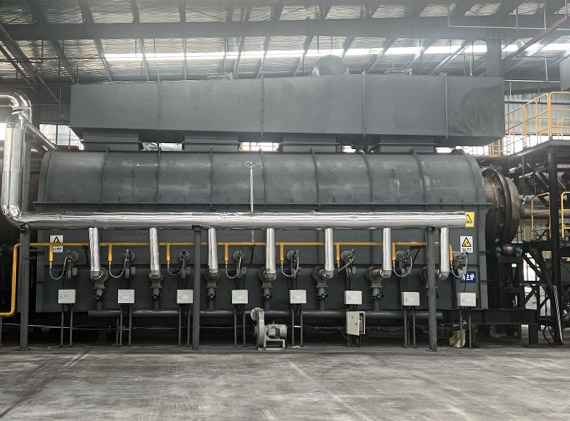 Capacitor Continuity Pyrolysis Furnace
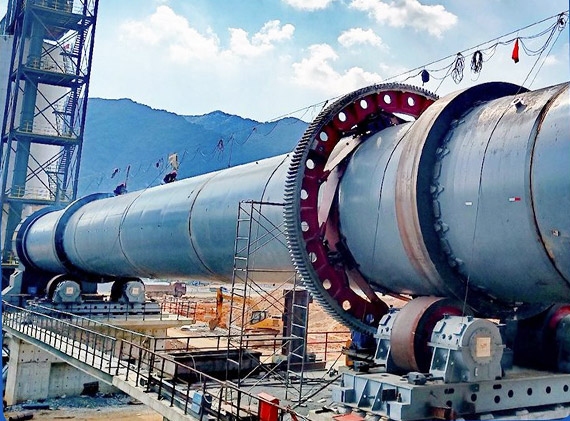 Rotary Kiln
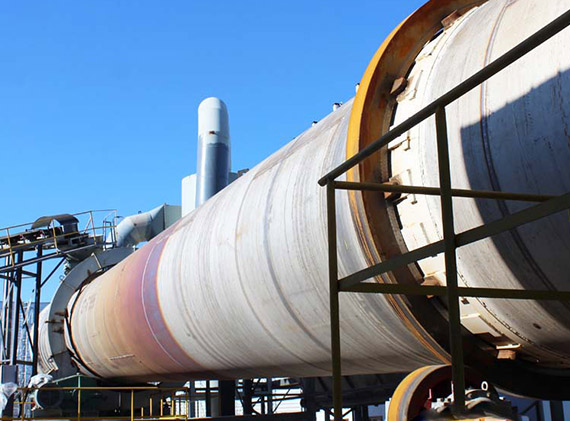 Waste Incineration Rotary Kiln
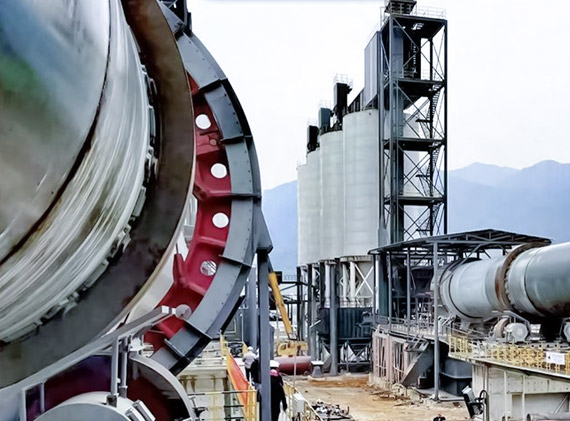 Metallurgical Rotary Kiln
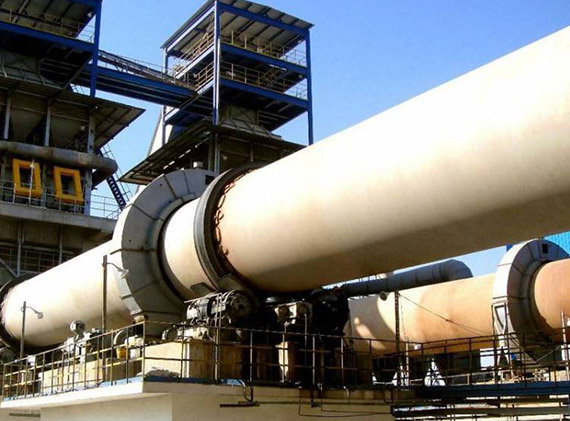 Cement Lime Rotary Kiln
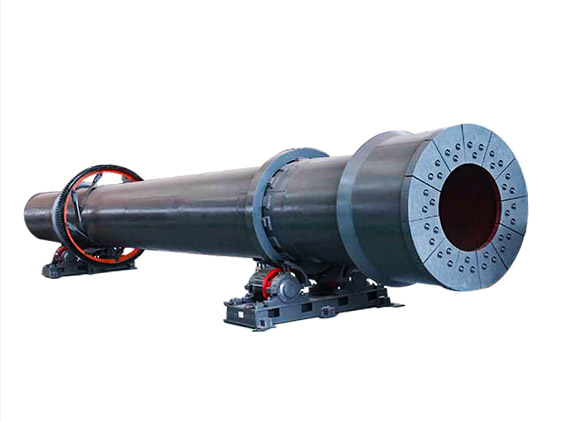 Rotary Drum Dryer Furnace
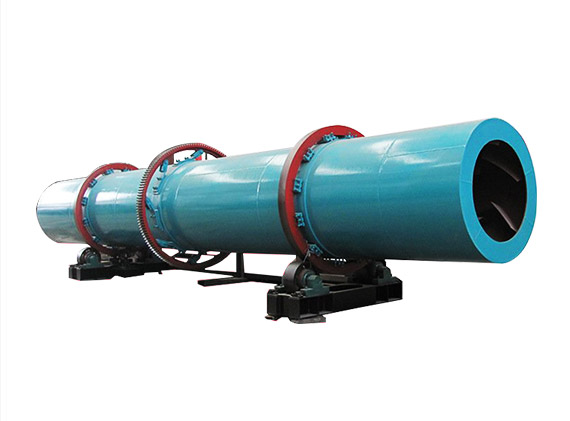 Drum Drying Dryer Furnace
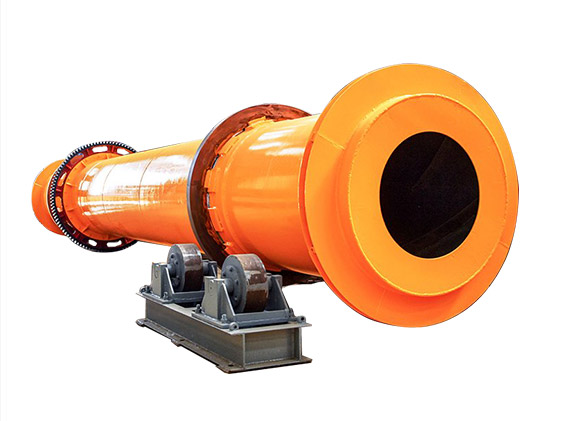 Industrial Dryer Furnace
 Lithium Battery Recycling Plant
 Solar Photovoltaic Panel Recycling Plant
 PCB Circuit Board Recycling Plant
 E Waste Recycling Plant
 Blog
Blog Company Blog
 Knowledge
 FAQ
FAQ