



Impact crushers are equipment that pulverises materials using the principle of impact crushing. Within aggregate production lines, they are primarily employed for medium and fine crushing operations. They can readily process materials with a maximum edge length of 100-300mm. The discharge particle size is flexibly adjustable, accommodating diverse crushing requirements. The crushed material exhibits a cubic particle shape. Impact crushers find extensive application across industries including building materials, railways, motorways, energy, chemicals, cement, and metallurgy.
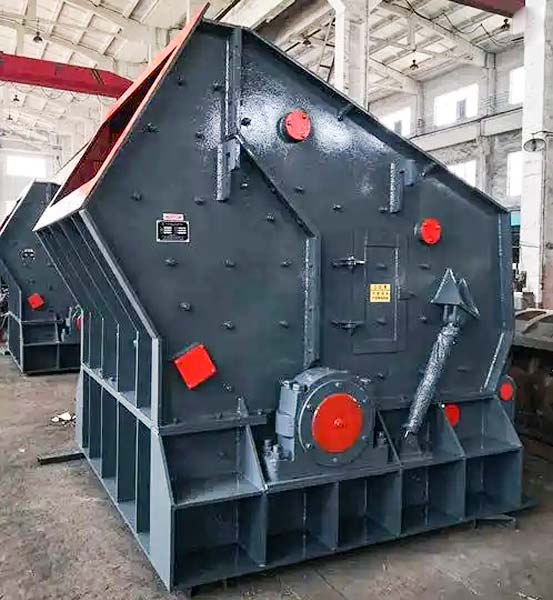
What Are The Advantages Of Impact Crusher?
Impact crushers can process hard materials with compressive strengths not exceeding 350 MPa. During operation, impact plates are secured to the crusher rotor via mechanical clamping mechanisms. As the rotor rotates, significant rotational inertia is generated. Compared to traditional hammer crushers, impact crushers possess greater kinetic energy. This enables crushing of harder materials while consuming less energy. Suitable materials include: limestone, shale, coal gangue, dolomite, brick and tile fragments, gypsum, pyrite ore, calcium carbide, chemical raw materials, and other brittle materials below medium hardness.
Impact crushers can process materials with high moisture content, effectively preventing material blockages. Its wide range of applicable material hardness accommodates diverse crushing requirements. The feeder chute and impact plates may incorporate heating systems. When processing high-moisture materials, bottom screen plates are unnecessary; heating alone effectively prevents material adhesion. This equipment offers flexible output particle size adjustment. Controlling output size is straightforward by regulating rotor speed, impact plate settings, and grinding chamber clearance.
Compared to other crushers, the impact crusher employs multiple methods to regulate product particle size. It readily achieves particle size control by adjusting rotor speed, impact plates, or grinding chamber clearance. Common approaches involve modifying rotor speed or diameter. Increasing rotor speed or diameter extends crushing duration, thereby adjusting the discharge particle size of the final product. This simultaneously boosts output and enhances material crushing efficiency. The second method involves altering the finished product size by adjusting the distributor. Reducing the distributor opening increases material overflow supply flow, internally restricting the mutual collision movement of materials within the crushing chamber. This shortens the residence time of particles within the crushing chamber. Furthermore, the finished product size can be modified by adjusting the grinding chamber clearance.
Wear on impact crushers typically occurs only on the side facing the material. Provided the rotor speed is normal, feed material falls onto the striking surface of the impact plates. The rear and sides of the impact plates remain unaffected by wear. Even the material-facing surface experiences minimal abrasion. Replacement of the bottom grinding bars is exceptionally straightforward, facilitating subsequent maintenance and servicing.
The rotor of an impact crusher requires fitting only six impact plates. Replacing these plates using specialised tools is simple and efficient. A complete set of impact plates can be replaced within a single shift. Similarly, replacing the grinding bars in the bottom grinding chamber takes approximately ten minutes. This significantly reduces the time and associated costs associated with repairs and maintenance.
The URL for this article is: https://www.victorsmachine.com/company-blog/what-are-the-advantages-of-impact-crusher/ Please credit the source when reposting. Thank you.
We know how to get energy from waste. Let’s build better future for everyone, together !
Victor Machinery is a manufacturer of machinery and equipment. The main products are: shredder, crusher, carbonization furnace equipment, mining equipment, recycling machinery, etc.
Our ever-evolving offering for mining and construction covers crushing, screening, breaking, demolition, and service solutions – designed to increase productivity and boost your bottom line.
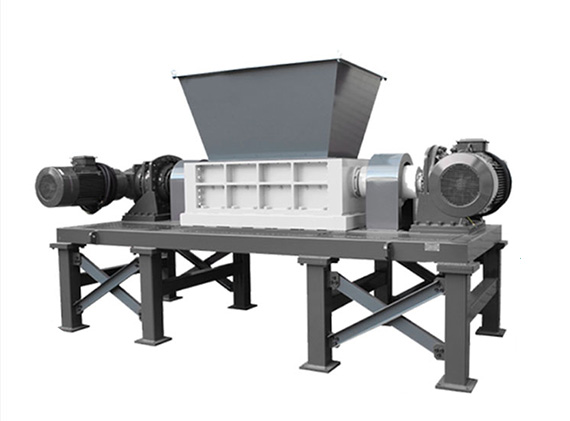 Double Shaft Shredder Machine
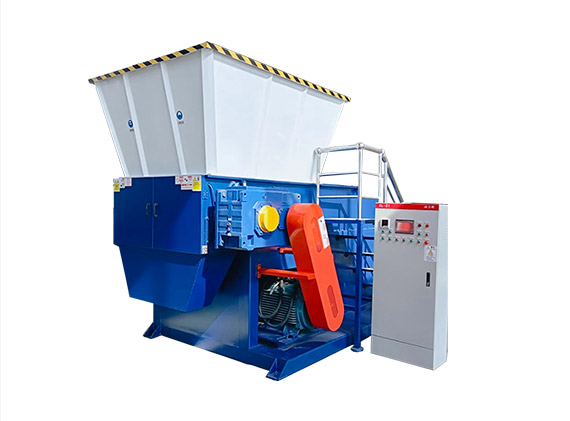 Single Shaft Shredder Machine
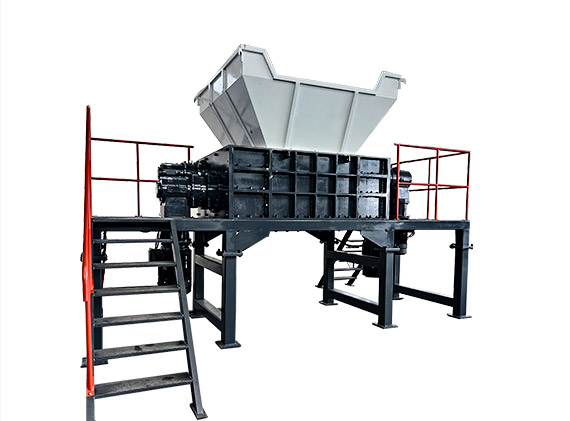 Four Shaft Shredder Machine
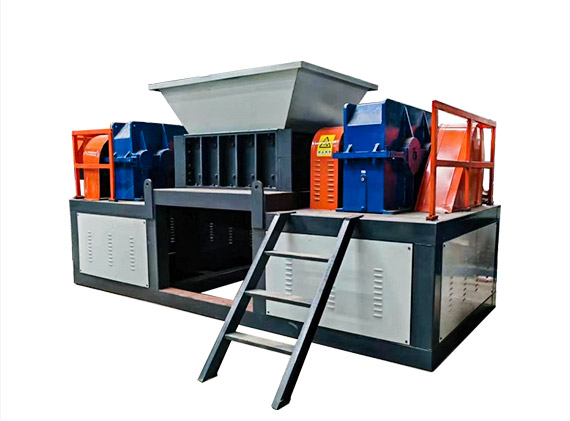 Tyre Shredder Machine
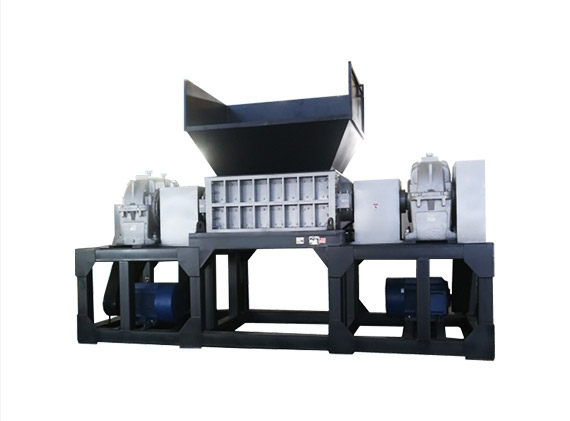 Metal Shredder Machine
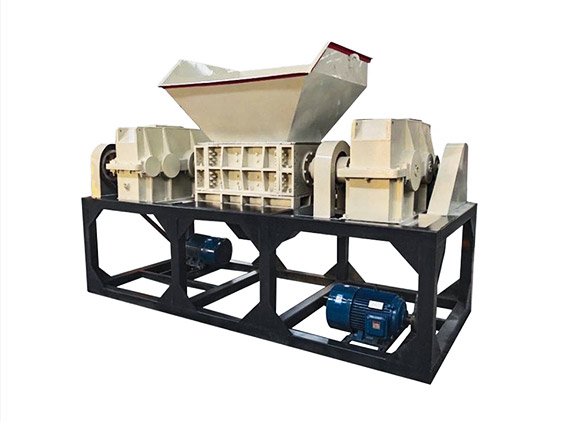 Wood Shredder Machine
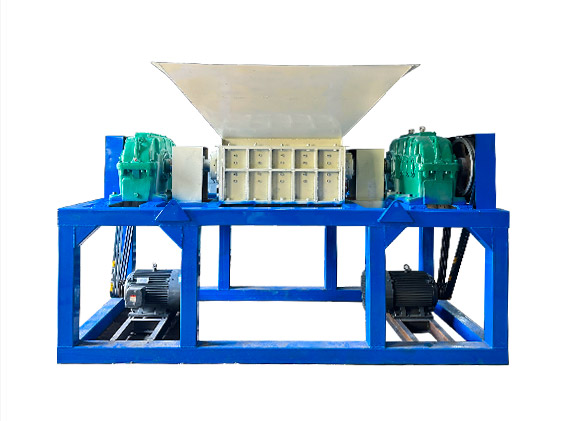 Plastic Shredder Machine
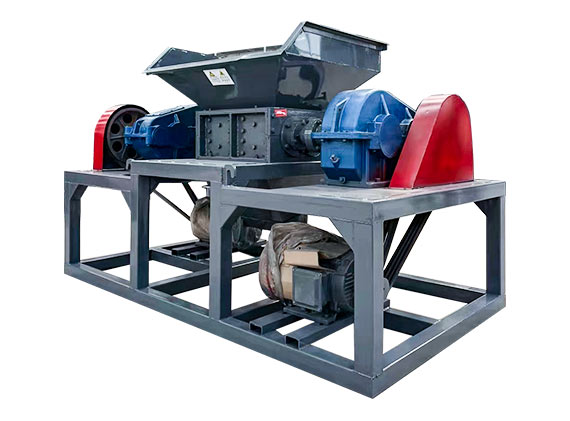 UBC Aluminum Can Shredder Machine
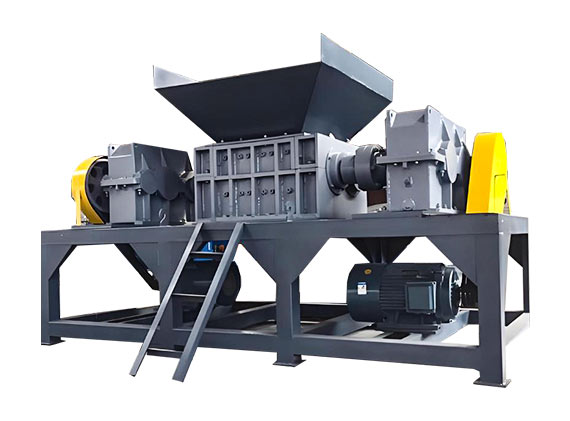 Lithium-ion Battery Shredder Machine
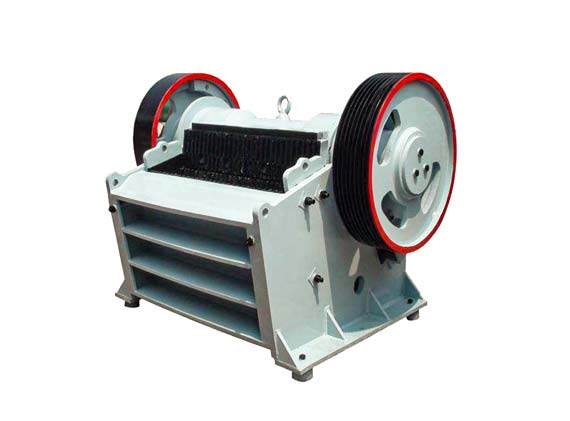 Mini Small Jaw Crusher
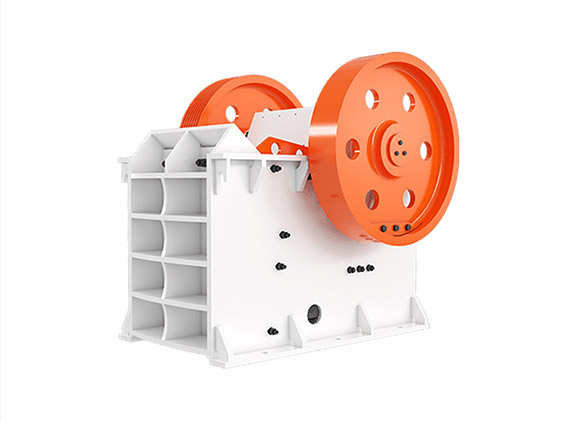 Jaw Crusher
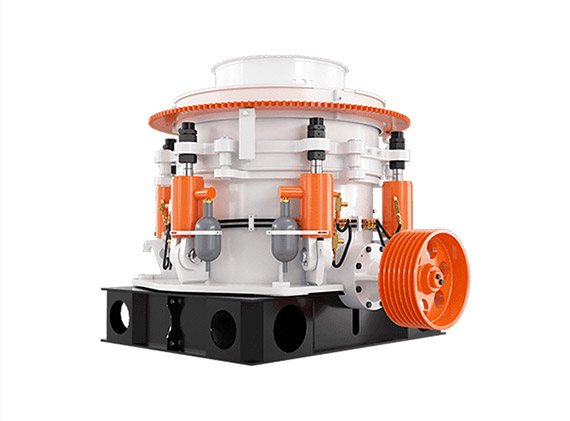 Cone Crusher
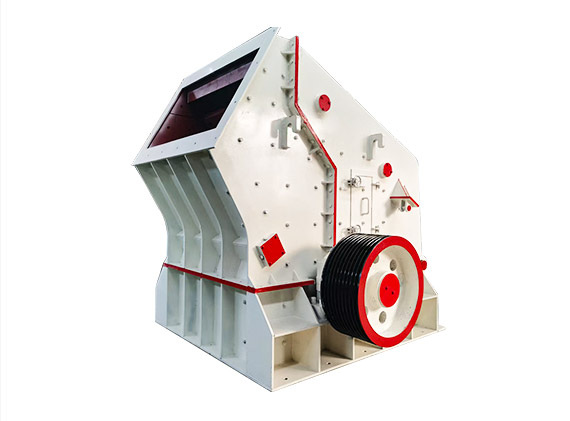 Impact Crusher
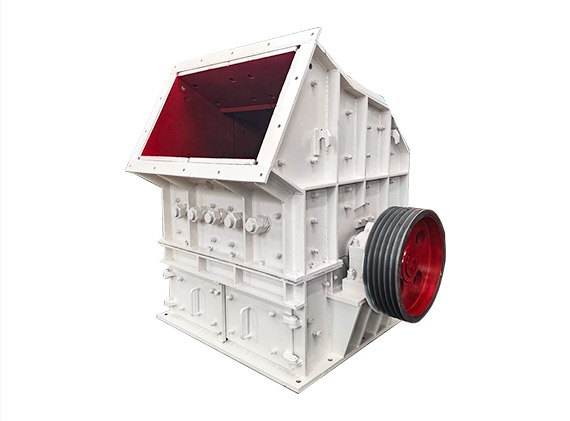 Hammer Crusher
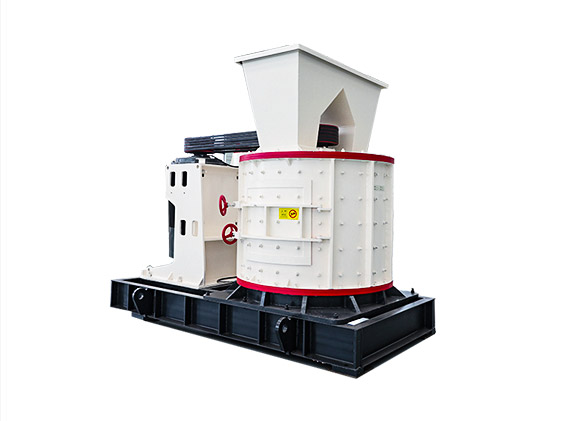 Impact Mill Crusher
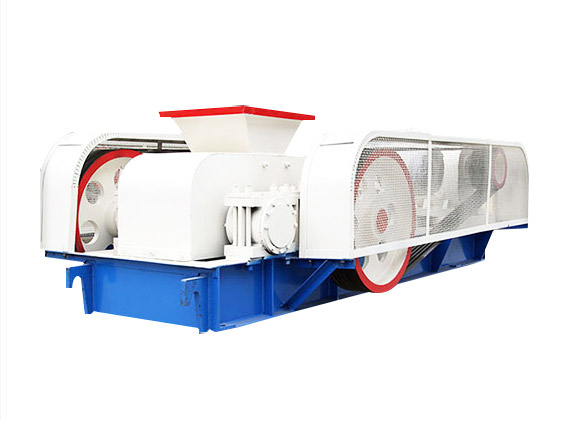 Roll Crusher
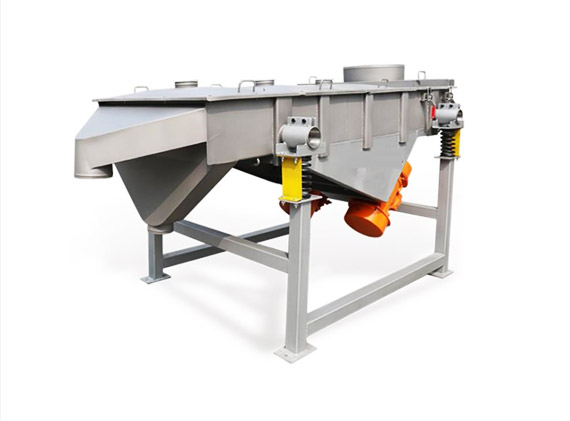 Linear Vibrating Screen Machine
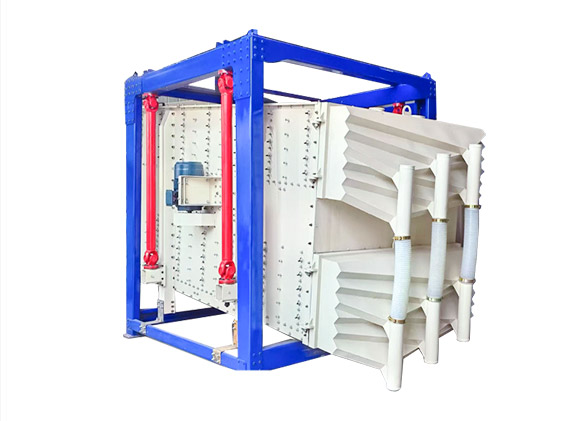 Swing Screen Machine
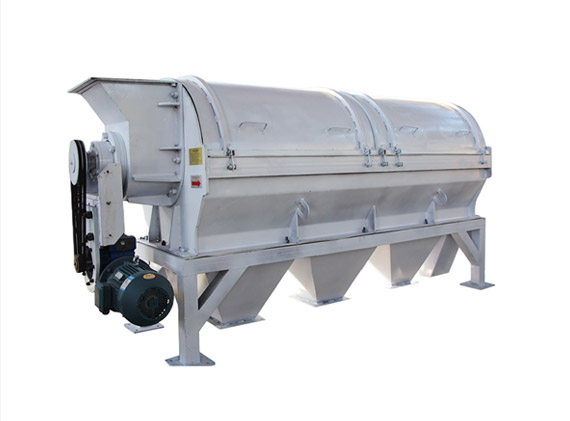 Tumbler Screen Machine
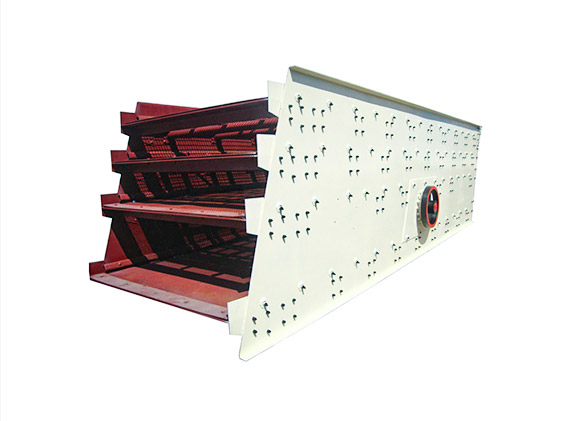 Circular Vibrating Screen
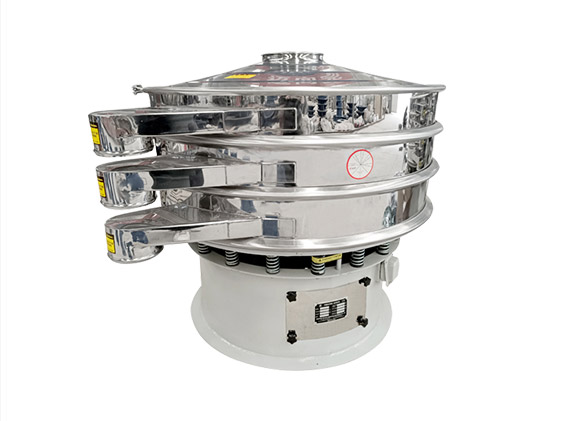 Cylindrical Rotary Vibrating Screen
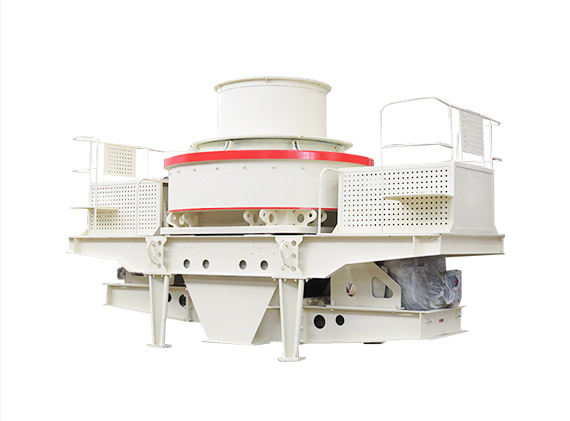 Sand Making Machine
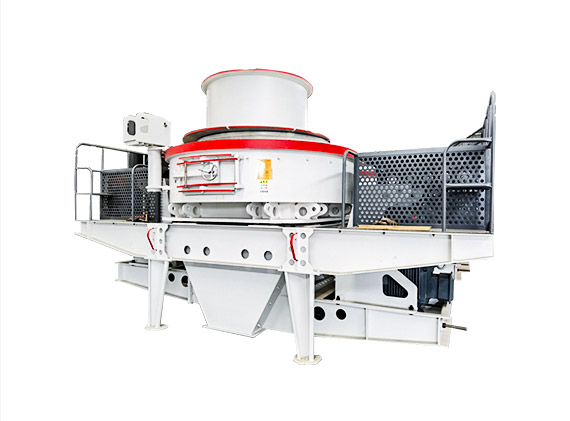 VSI Sand Making Machine
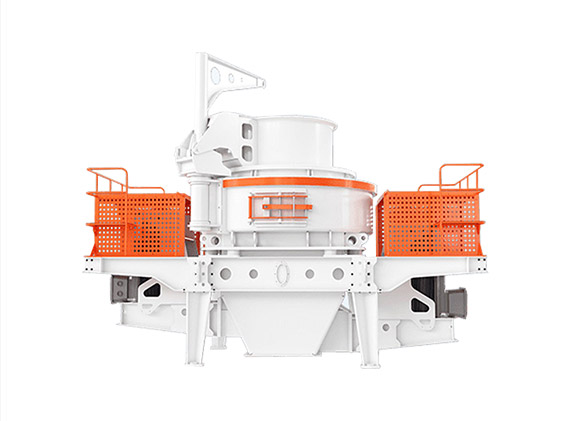 Impact Sand Making Machine
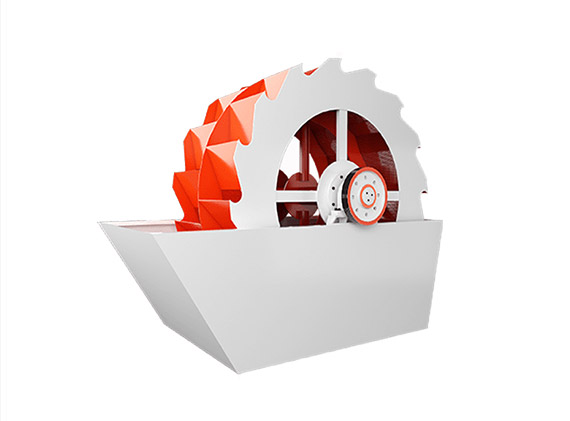 Sand Washing Machine
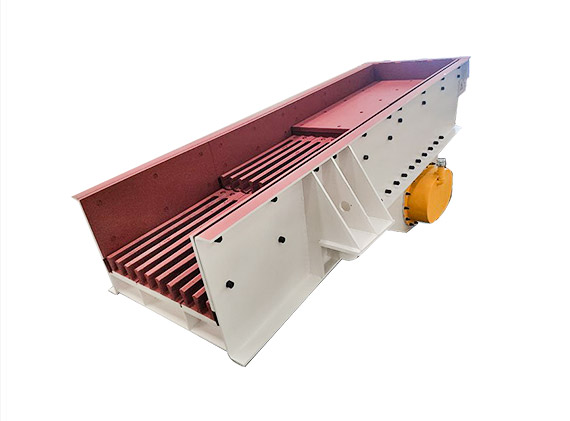 Vibrating Feeder
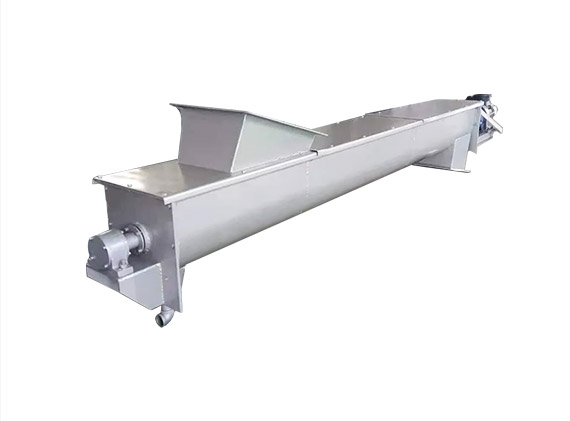 U-Shape Screw Reamer
 Belt Conveyor
 Horizontal Carbonization Furnace
 Wood Charcoal Carbonization Furnace
 Waste Carbonization Furnace
 Sludge Continuous Carbonization Furnace
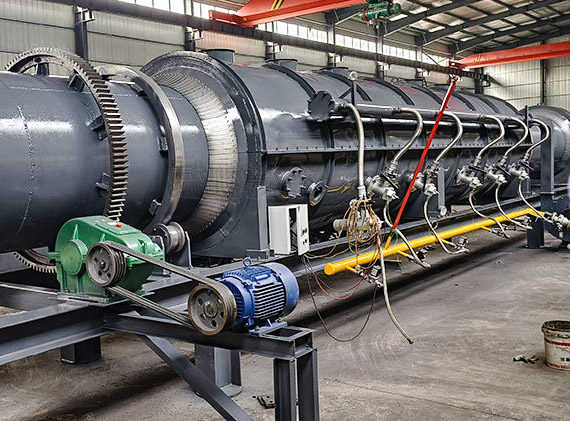 Biomass Carbonization Furnace
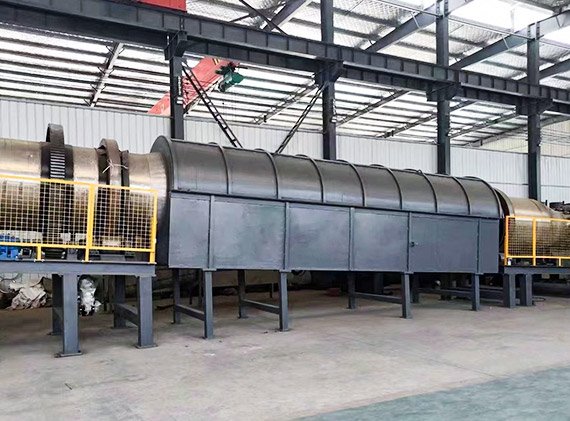 Coconut Shell Carbonization Furnace
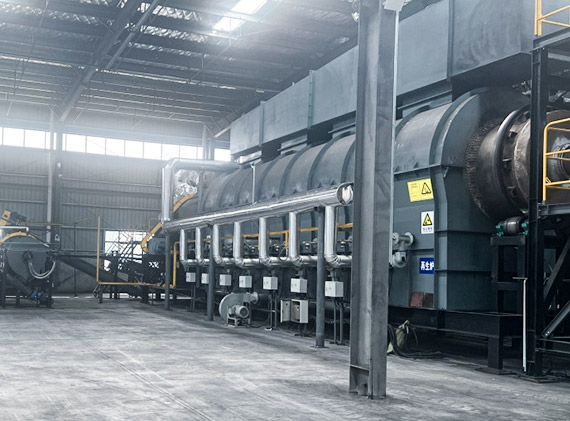 Continuous Carbonization Furnace
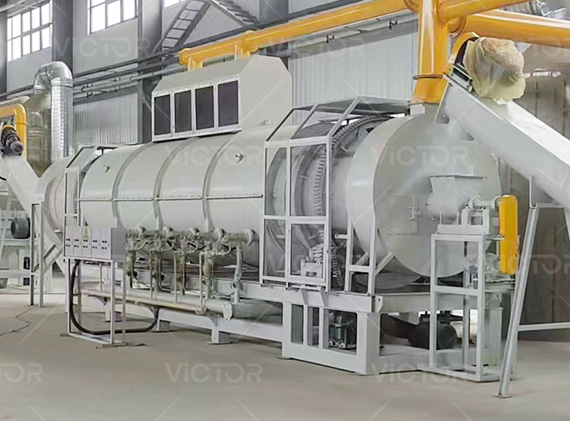 Biomass Pyrolysis Furnace
 Lithium Battery Recycling Pyrolysis Furnace
 Solar PV Panel Recycling Pyrolysis Furnace
 PCB Recycling Pyrolysis Furnace
 Carbonization Paint Removing Furnace
 Capacitor Continuity Pyrolysis Furnace
 Rotary Kiln
 Waste Incineration Rotary Kiln
 Metallurgical Rotary Kiln
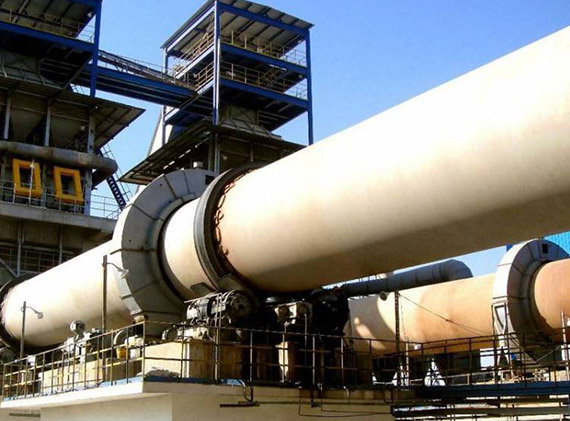 Cement Lime Rotary Kiln
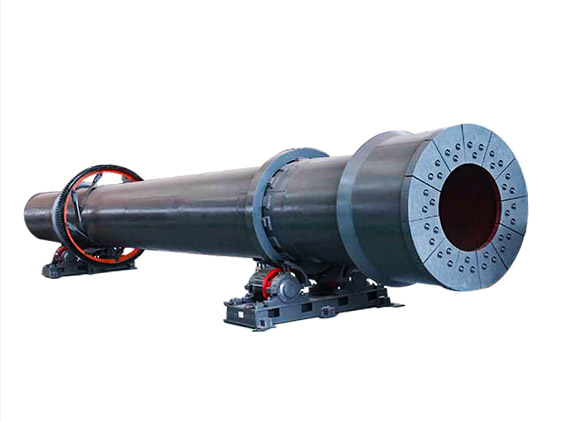 Rotary Drum Dryer Furnace
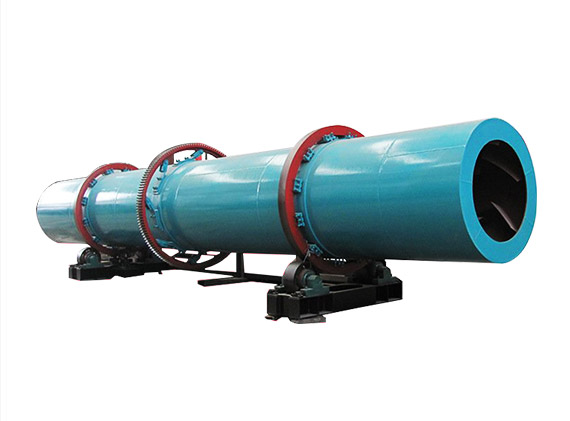 Drum Drying Dryer Furnace
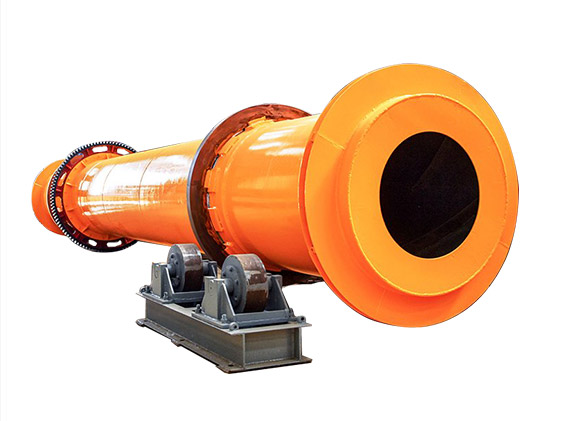 Industrial Dryer Furnace
 Lithium Battery Recycling Plant
 Solar Photovoltaic Panel Recycling Plant
 PCB Circuit Board Recycling Plant
 E Waste Recycling Plant
 Blog
Blog Company Blog
 Knowledge
 FAQ
FAQ