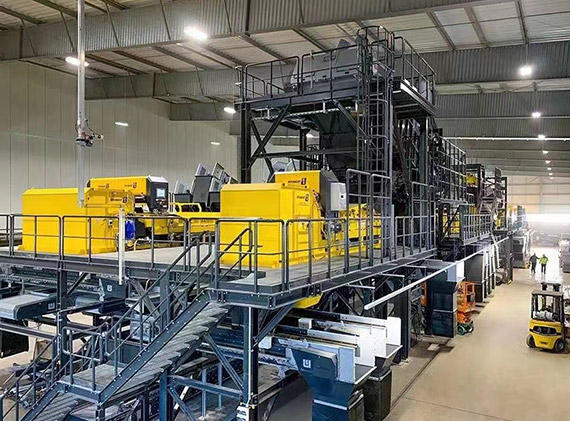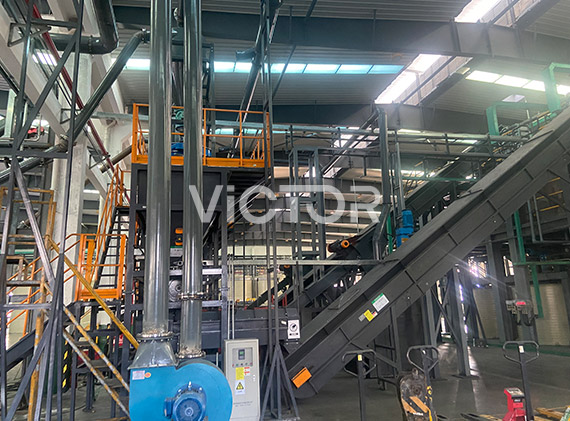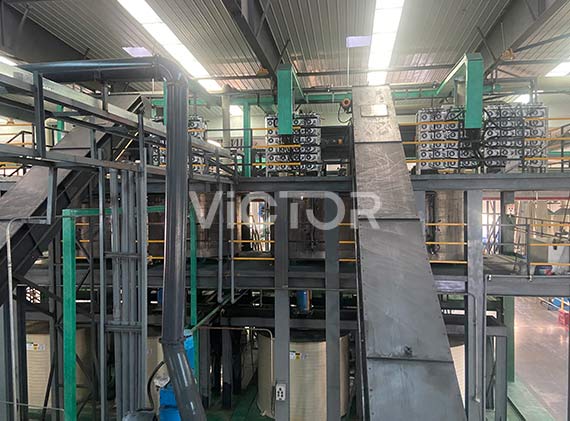



The phase-out period for new energy vehicle batteries is accelerating. By 2025, waste lithium batteries will exceed 1.4 million tonnes. However, operating without certification, selecting an unsuitable location, or using inadequate lithium battery recycling machine can all lead to significant losses. Therefore, if you wish to establish a battery recycling business or set up a lithium battery recycling plant, please review the following introductory guide.
Lithium battery recycling falls under hazardous waste management. Compliance is therefore a fundamental prerequisite. Before selecting a site or purchasing lithium battery recycling machine, you must first obtain the necessary certification. Otherwise, your operation will be considered illegal.
The scope of operations must explicitly include: recycling, disposal, and resource recovery of waste lithium batteries. This forms the foundation for lawful operation.
Engage a qualified testing agency to prepare an Environmental Impact Assessment Report. This must clearly outline specific treatment plans for pollutants such as wastewater, waste gases, and solid waste. The compliance and feasibility of proposed treatment methods directly influence EIA approval. Site location and equipment environmental parameters significantly impact the EIA application process.
This licence requires approval from local ecological and environmental authorities. Regions with stringent requirements may additionally mandate site inspections to verify that lithium battery recycling machinery, technology, and personnel meet professional standards. It is advisable to engage in thorough advance consultations with relevant departments to clarify specific requirements and prepare documentation, thereby enhancing approval efficiency.
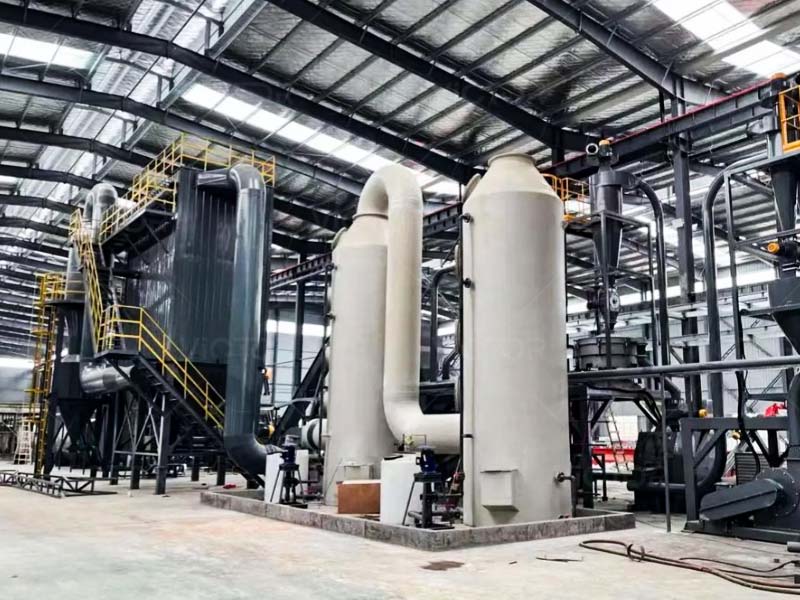
lithium battery recycling plant
Positioned away from residential areas, educational institutions, and water sources. Maintain a minimum distance of 500 metres from water sources; greater distance facilitates EIA approval. Proximity to roads or motorways facilitates raw material and finished product logistics. As lithium batteries constitute hazardous waste, transport costs exceed standard goods by over 30%. Therefore, proximity to logistics hubs significantly reduces transportation expenditure.
For an initial annual processing capacity of 1,000–5,000 tonnes, a site area of 2,000–3,000 square metres is sufficient. This should accommodate: raw material storage, recycling processing workshops, finished product warehouses, environmental protection facilities, and ancillary storage areas. Crucially, the raw material storage area must be physically separated from the recycling processing workshops.
An independent wastewater treatment tank (capable of storing at least three days’ worth of wastewater) is mandatory. An explosion-proof ventilation system is required, as battery disassembly may generate flammable or explosive gases. The ground surface must be hardened (to prevent electrolyte seepage contaminating soil; 30cm thick concrete with anti-corrosion coating is necessary).
Once all necessary licences and permits are secured, the critical task is securing a stable and sufficient supply chain. A reliable source of waste lithium batteries constitutes one of the industry’s key entry requirements. Without a stable supply, all subsequent plans will prove unworkable. It is advisable to proactively develop the market and establish diversified channels:
Liaise with collection points: Establish connections with automotive repair shops, electric vehicle maintenance outlets, and mobile phone repair centres to recover their waste lithium batteries.
Contact battery manufacturers: Explore sourcing ‘end-of-life batteries’ from new energy vehicle manufacturers or ‘defective cells’ from battery producers. Both generate substantial volumes of scrap; negotiate with regional agents to secure long-term supply agreements.
Scattered collection points: Gather batteries through community collection points, scrap collection stations, etc. Note: Conduct thorough inspections upon receipt. Discount batteries with swelling appropriately. Separately handle leaking batteries to mitigate safety risks.
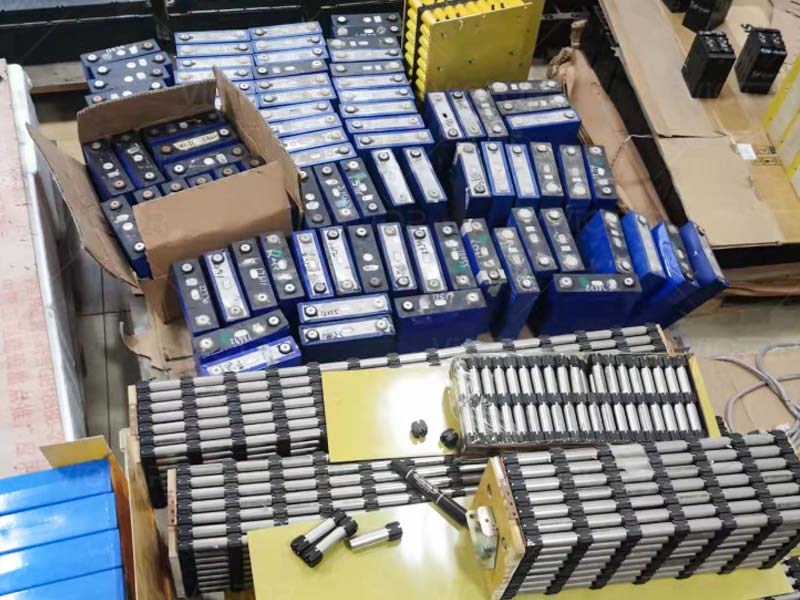
Raw Material Collection: Waste Battery
Equipment represents the largest upfront investment. However, higher-priced machines are not necessarily superior. Instead, identify equipment suited to your specific requirements. Consider the following when selecting equipment:
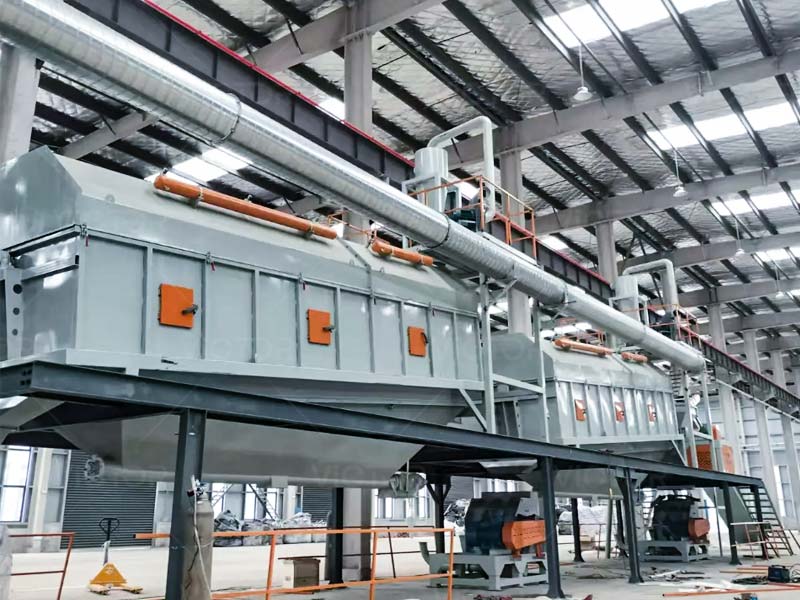
Selecting lithium battery recycling machine
In summary, the lithium battery recycling market holds promising prospects. However, establishing a lithium battery recycling plant requires careful preparation and systematic advancement at every stage: clarifying industry demands, securing supply sources, understanding technologies, and selecting appropriate lithium battery recycling machinery. Should you wish to learn more about lithium battery recycling, please do not hesitate to contact us.
The URL for this article is: https://www.victorsmachine.com/faq/how-to-start-a-battery-recycling-business/ Please credit the source when reposting. Thank you.
We know how to get energy from waste. Let’s build better future for everyone, together !
Victor Machinery is a manufacturer of machinery and equipment. The main products are: shredder, crusher, carbonization furnace equipment, mining equipment, recycling machinery, etc.
Our ever-evolving offering for mining and construction covers crushing, screening, breaking, demolition, and service solutions – designed to increase productivity and boost your bottom line.
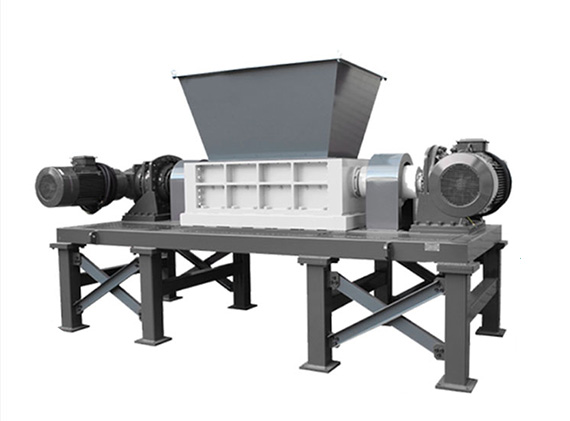 Double Shaft Shredder Machine
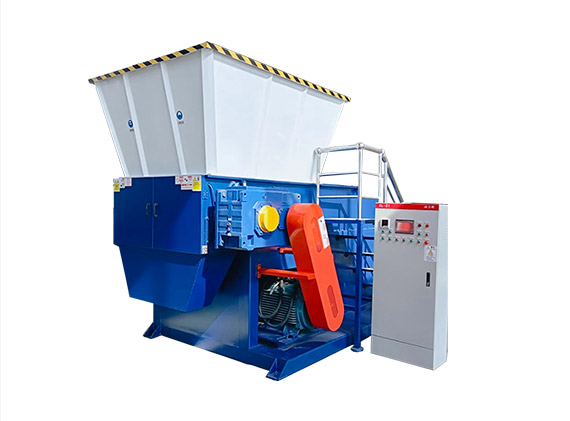 Single Shaft Shredder Machine
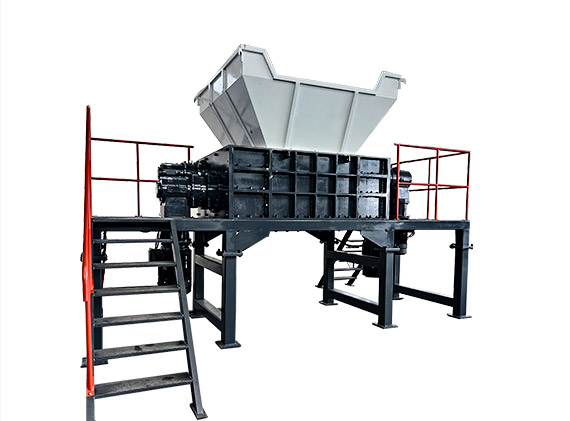 Four Shaft Shredder Machine
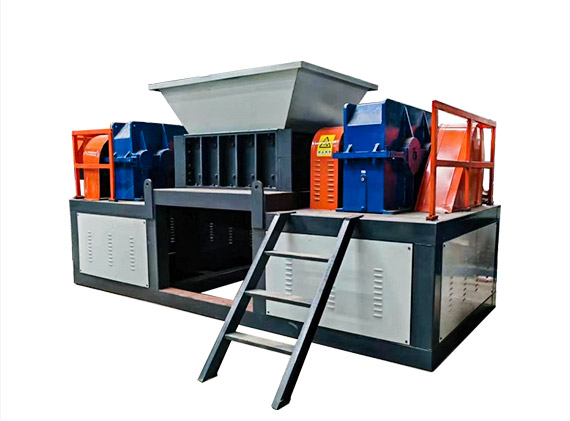 Tyre Shredder Machine
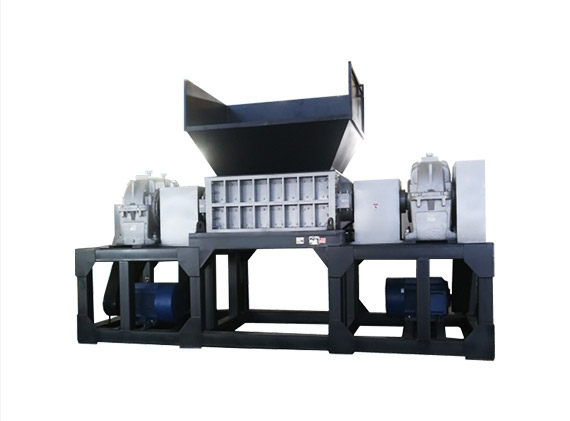 Metal Shredder Machine
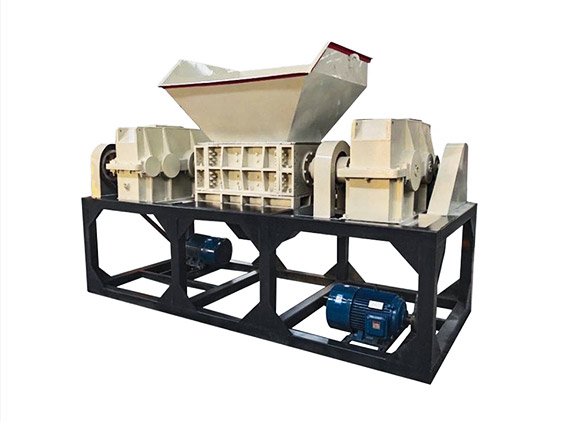 Wood Shredder Machine
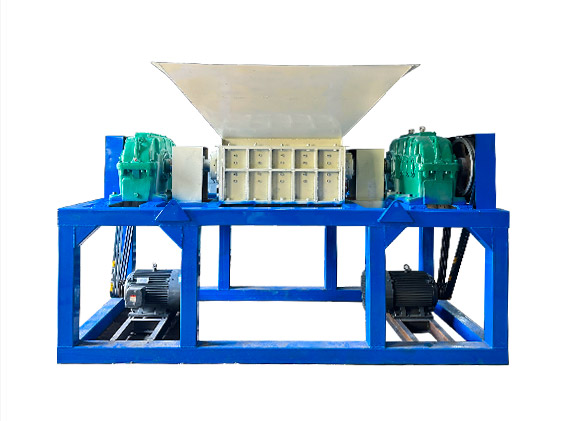 Plastic Shredder Machine
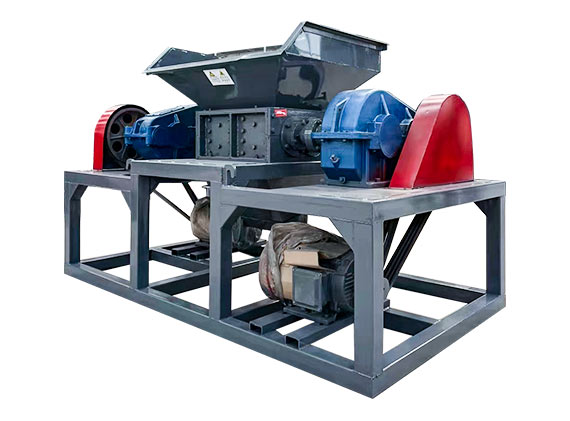 UBC Aluminum Can Shredder Machine
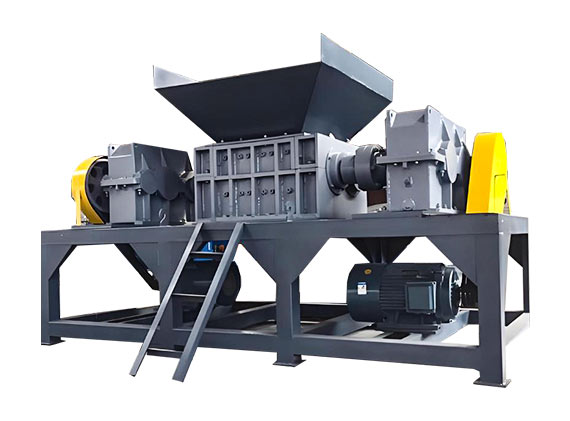 Lithium-ion Battery Shredder Machine
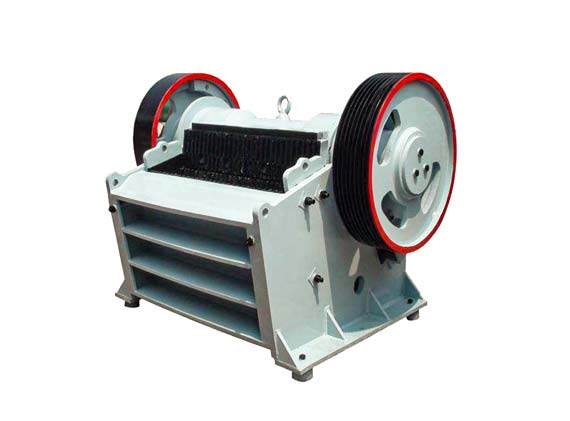 Mini Small Jaw Crusher
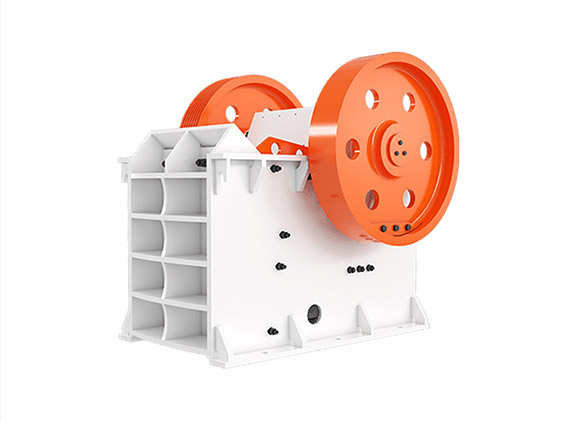 Jaw Crusher
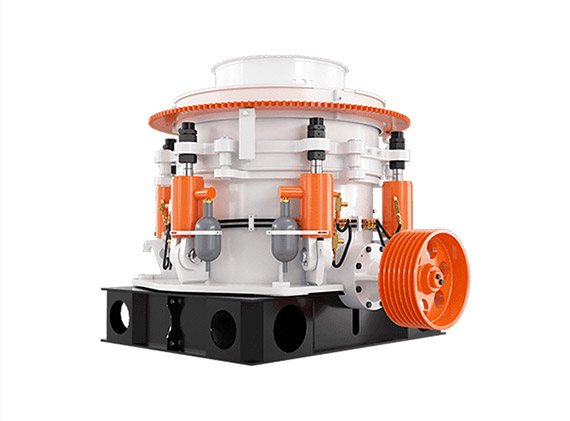 Cone Crusher
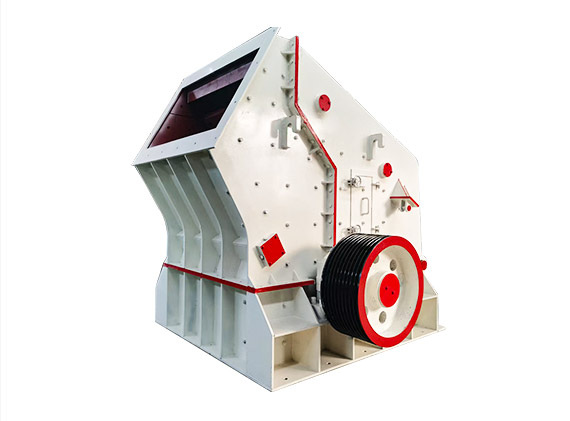 Impact Crusher
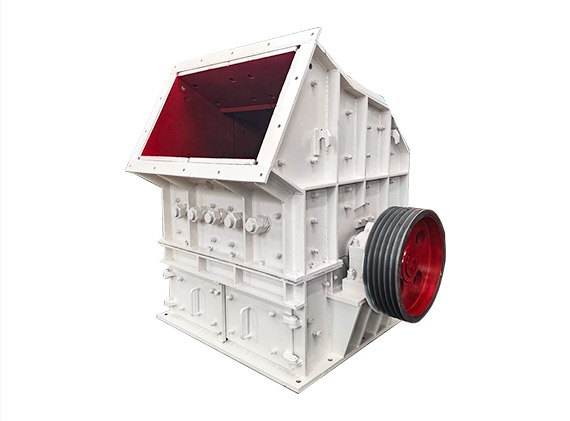 Hammer Crusher
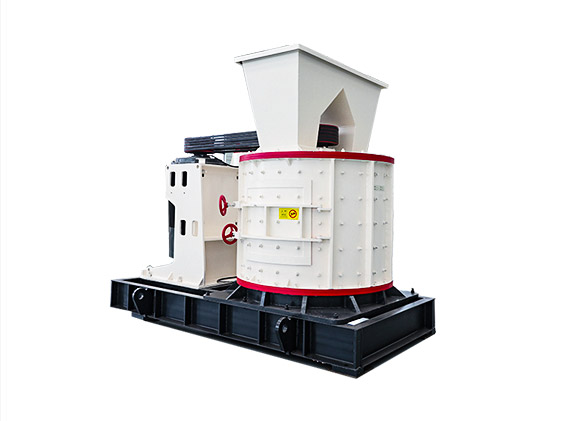 Impact Mill Crusher
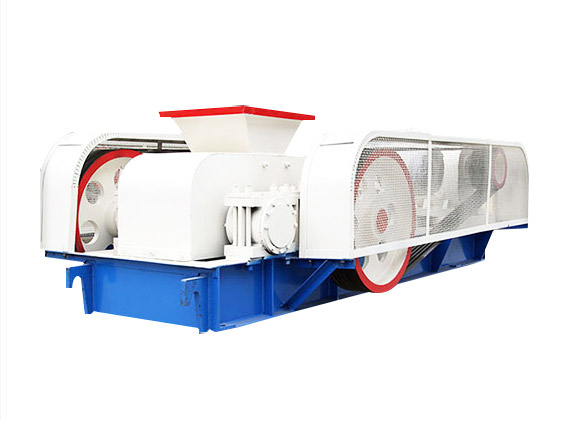 Roll Crusher
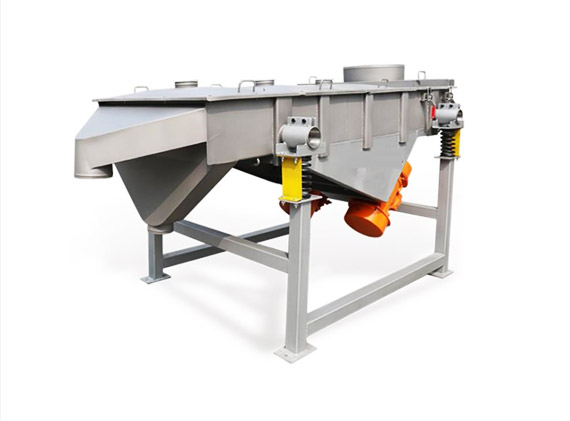 Linear Vibrating Screen Machine
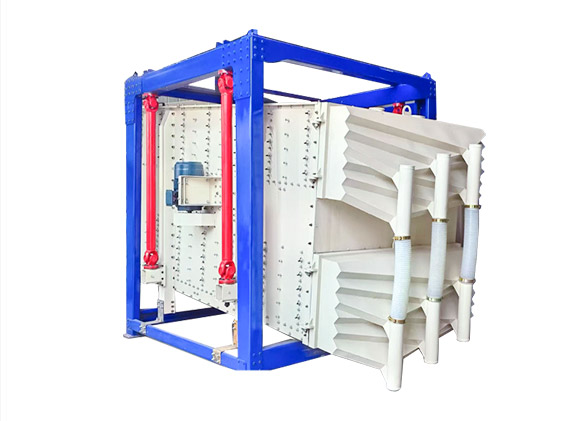 Swing Screen Machine
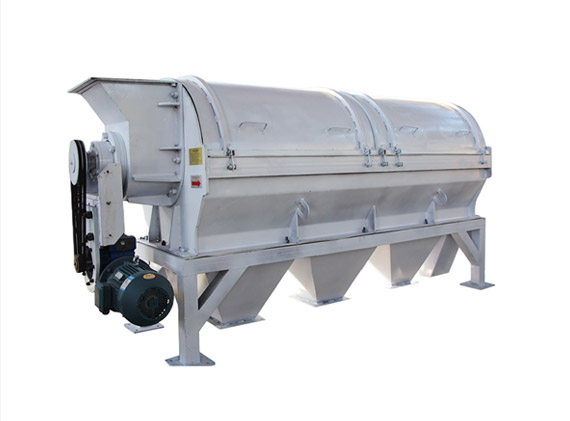 Tumbler Screen Machine
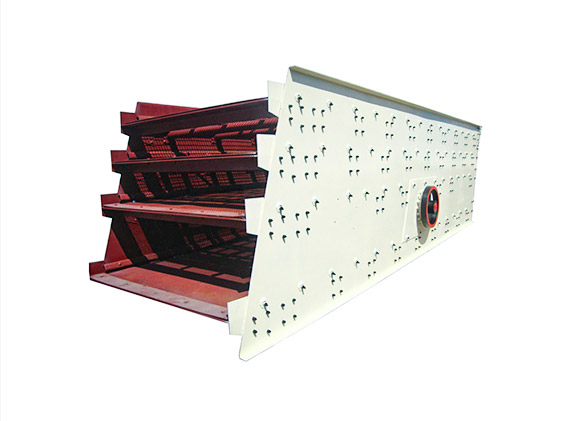 Circular Vibrating Screen
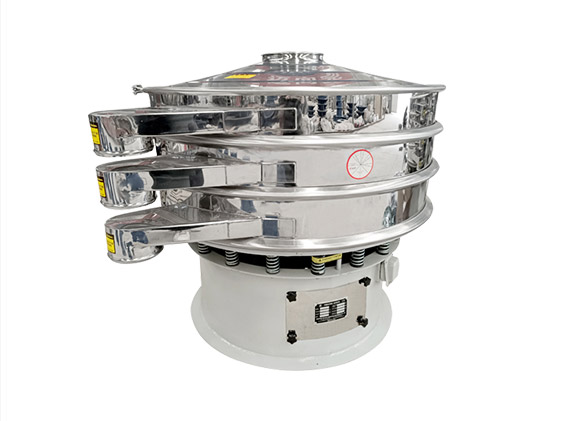 Cylindrical Rotary Vibrating Screen
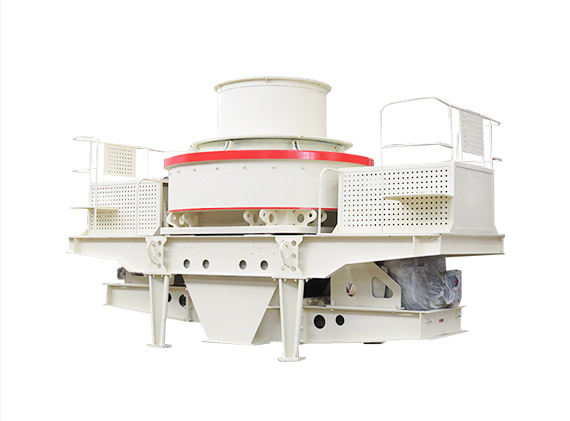 Sand Making Machine
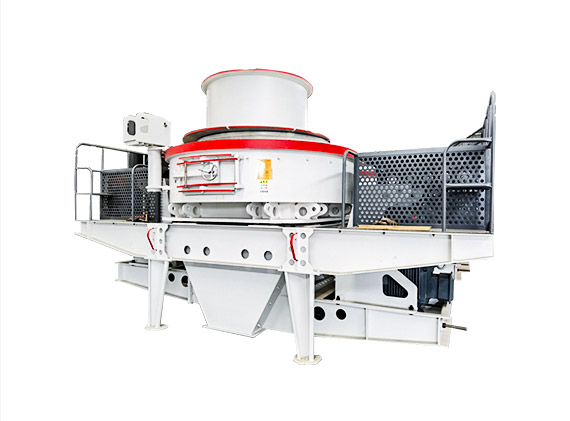 VSI Sand Making Machine
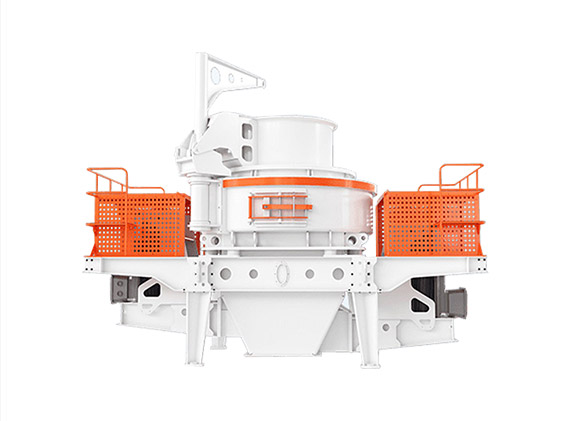 Impact Sand Making Machine
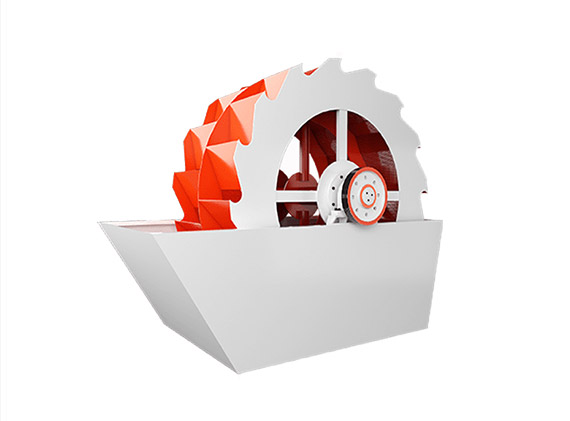 Sand Washing Machine
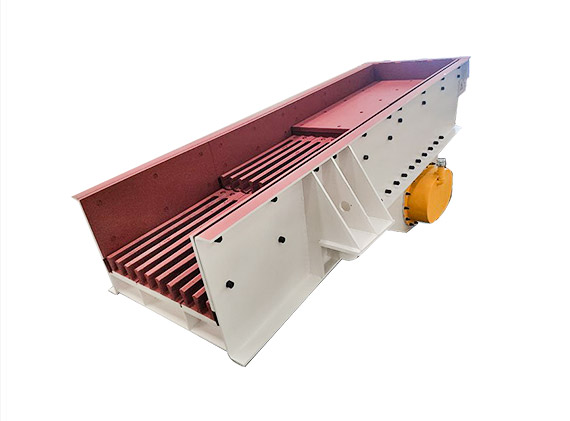 Vibrating Feeder
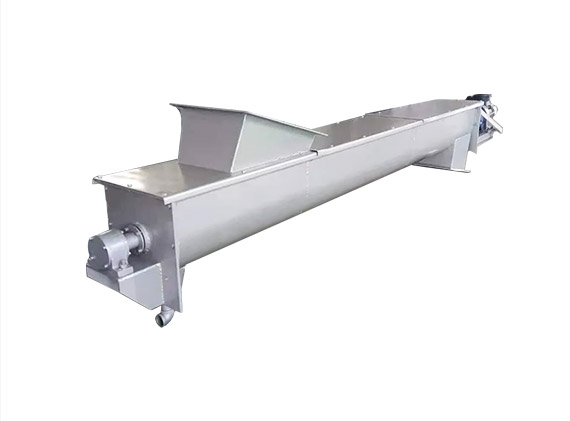 U-Shape Screw Reamer
 Belt Conveyor
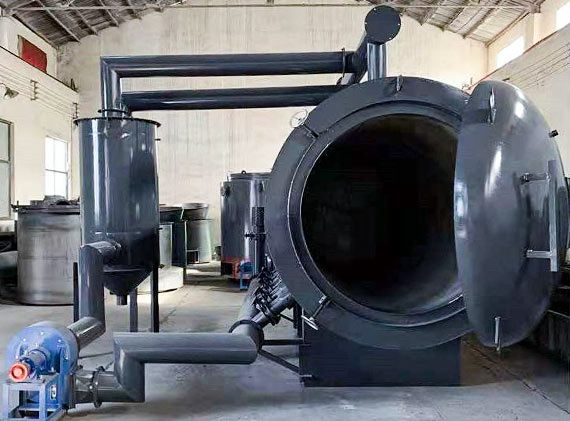 Horizontal Carbonization Furnace
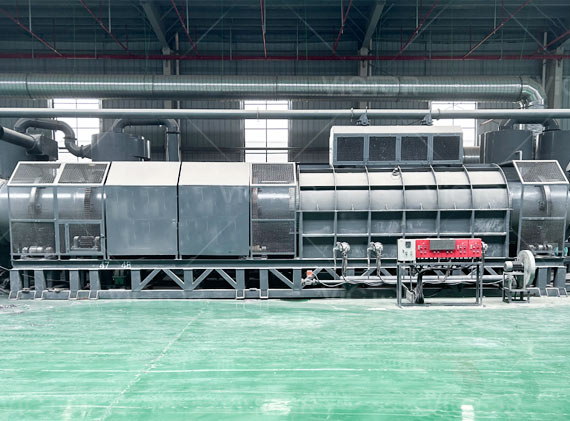 Wood Charcoal Carbonization Furnace
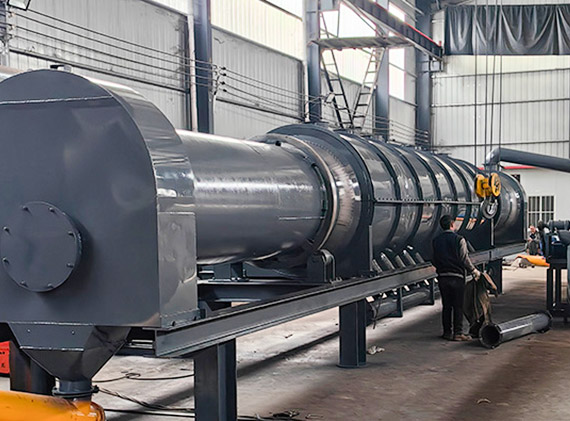 Waste Carbonization Furnace
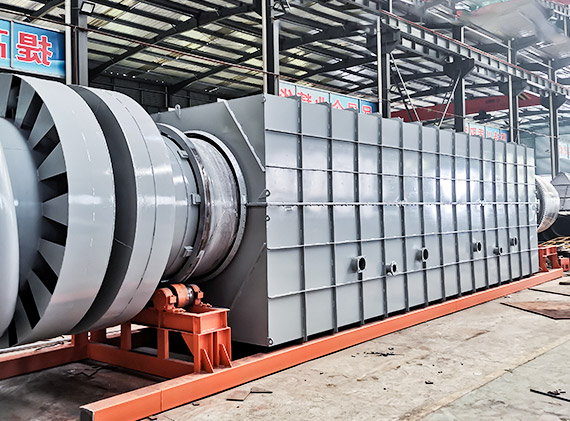 Sludge Continuous Carbonization Furnace
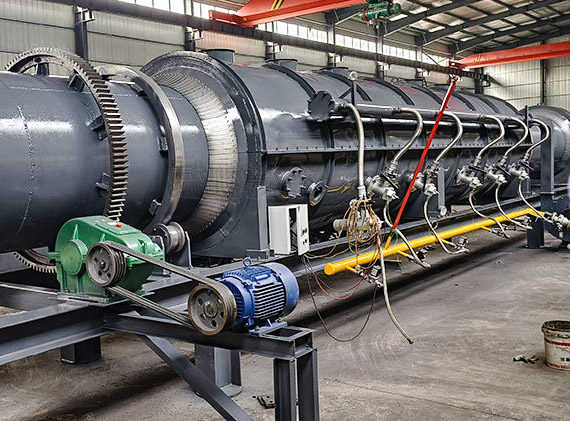 Biomass Carbonization Furnace
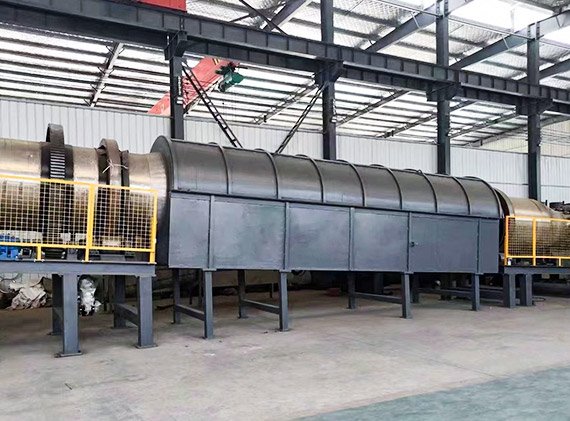 Coconut Shell Carbonization Furnace
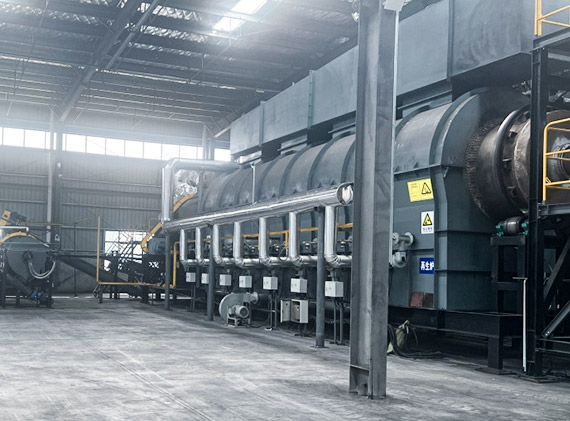 Continuous Carbonization Furnace
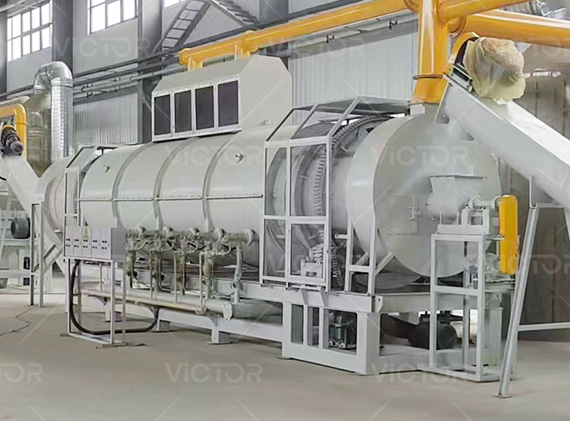 Biomass Pyrolysis Furnace
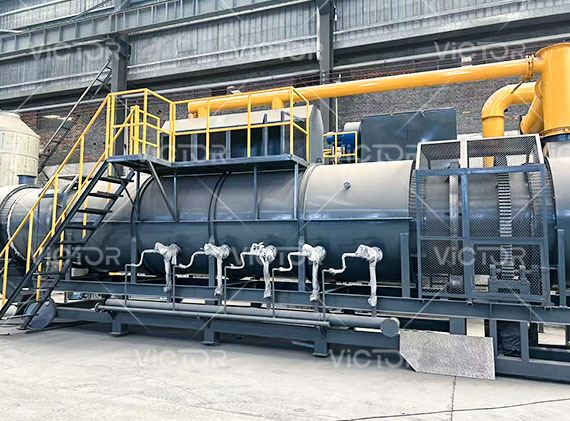 Lithium Battery Recycling Pyrolysis Furnace
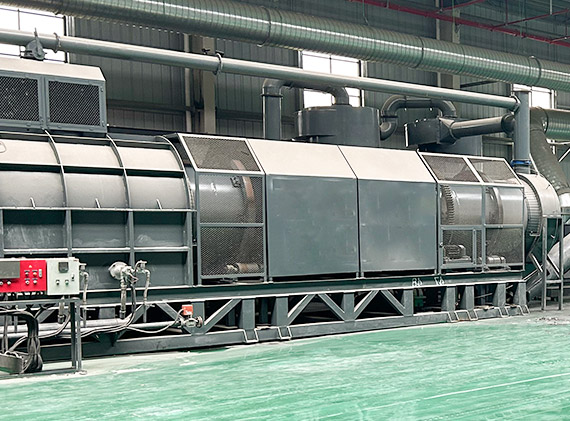 Solar PV Panel Recycling Pyrolysis Furnace
 PCB Recycling Pyrolysis Furnace
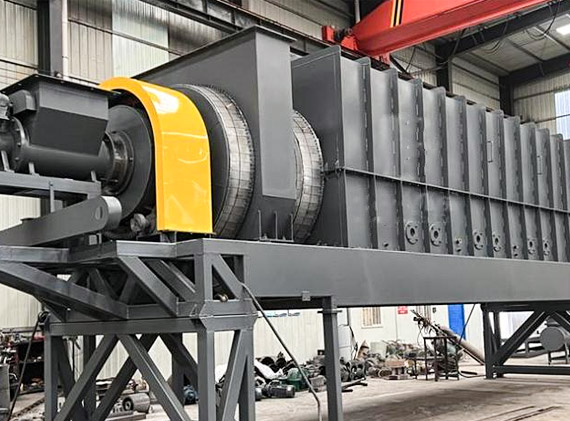 Carbonization Paint Removing Furnace
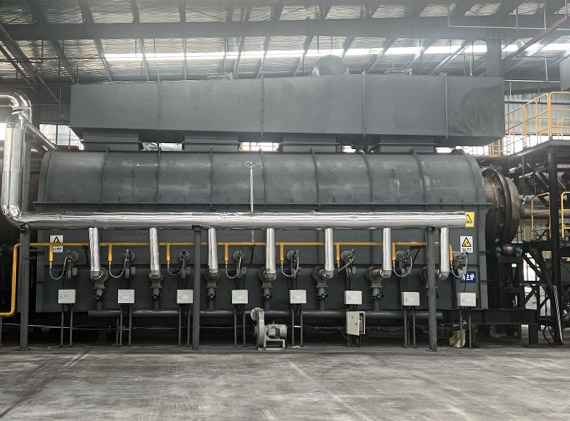 Capacitor Continuity Pyrolysis Furnace
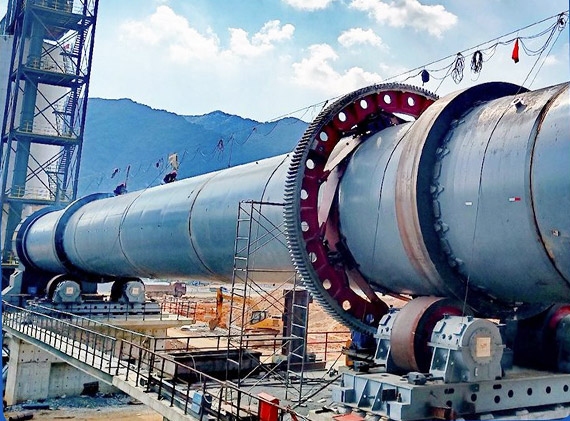 Rotary Kiln
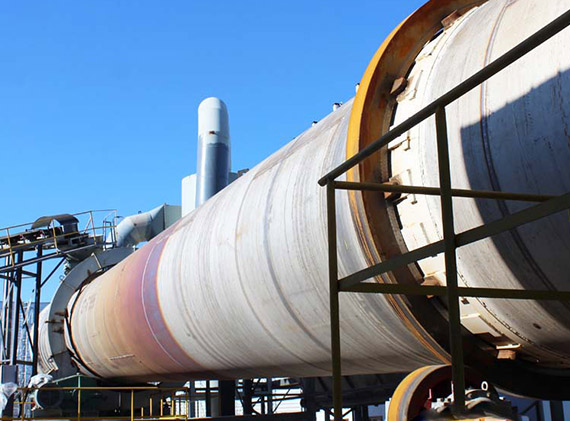 Waste Incineration Rotary Kiln
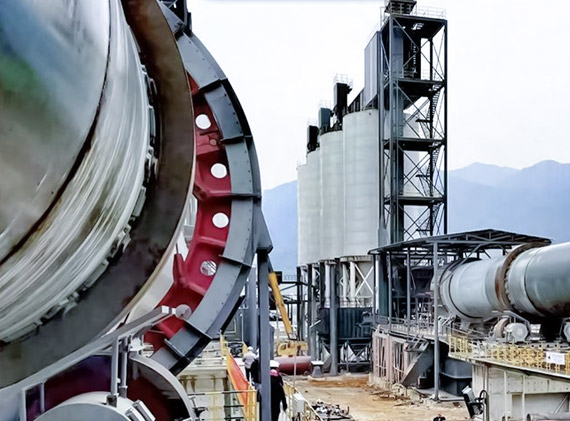 Metallurgical Rotary Kiln
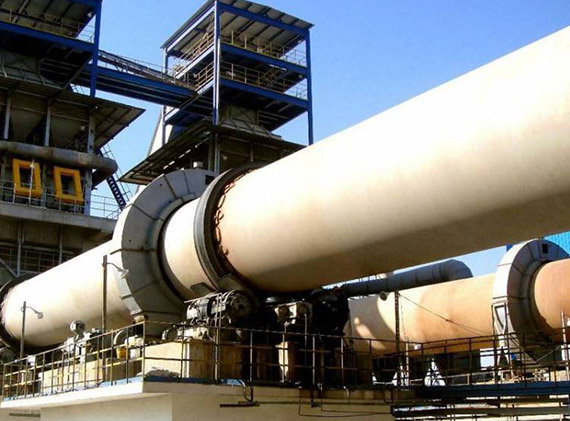 Cement Lime Rotary Kiln
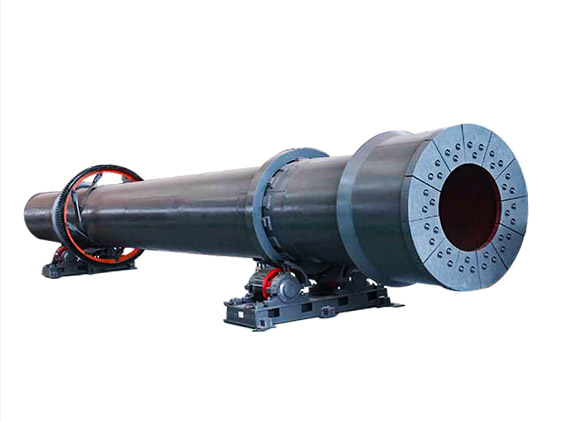 Rotary Drum Dryer Furnace
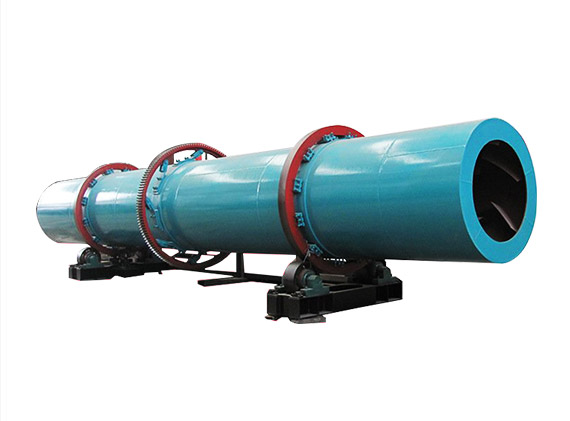 Drum Drying Dryer Furnace
 Industrial Dryer Furnace
 Lithium Battery Recycling Plant
 Solar Photovoltaic Panel Recycling Plant
 PCB Circuit Board Recycling Plant
 E Waste Recycling Plant
 Blog
Blog Company Blog
 Knowledge
 FAQ
FAQ