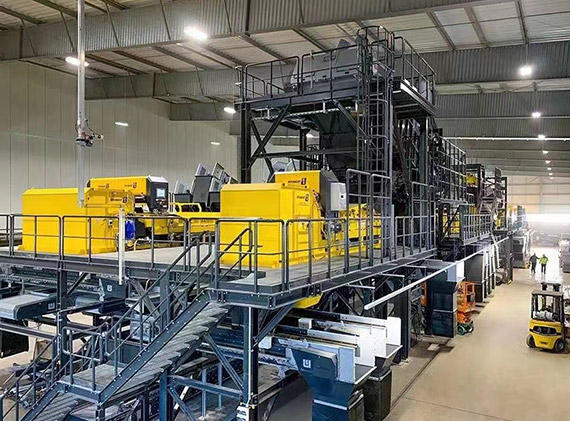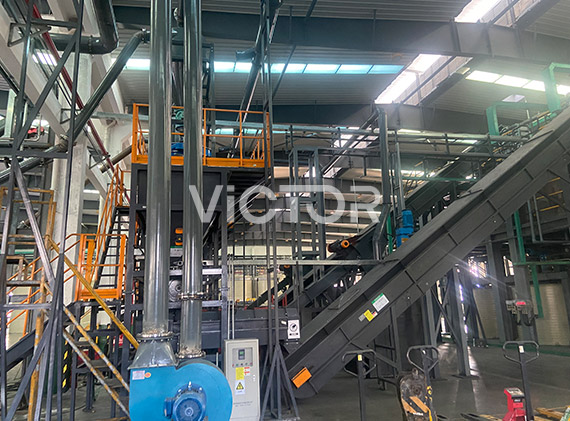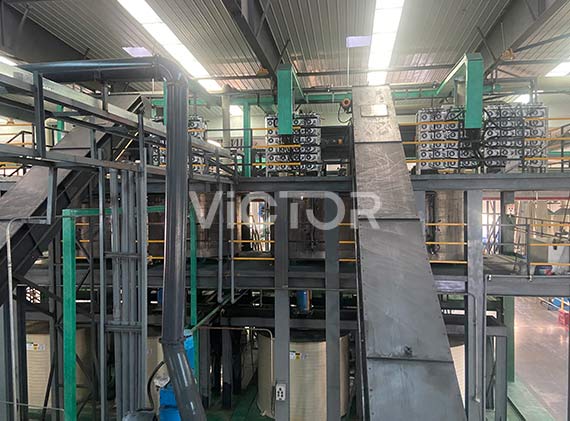



Against the backdrop of accelerating global energy transition and the rapid development of the new energy industry, lithium batteries serve as the core power source across these sectors. They have found widespread application in electric vehicles, mobile phones, laptops, electronic technology products, energy storage systems, and numerous other industrial domains. With the dramatic surge in demand and usage of lithium batteries, the issue of recycling and processing end-of-life units has become increasingly prominent. The recovery and treatment of spent lithium batteries have emerged as a critical link in resource utilisation. Driven by both the dual carbon goals and the upgrading of the new energy industry, the recycling of spent lithium batteries has emerged as a core track within the circular economy. Lithium battery recycling machine, leveraging its efficient and environmentally sound technological advantages, has ushered in revolutionary breakthroughs in this field. Characterised by green efficiency and intelligent precision, lithium battery recycling production lines have become industry-recognised solutions distinguished by both high brand credibility and technological maturity. They provide enterprises with one-stop services spanning battery recycling and resource regeneration.
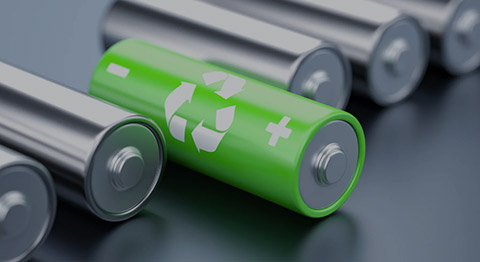
Lithium battery cells typically comprise stainless steel casings, cathode plates, anode plates, plastic separators, and electrolyte solutions. Excluding plastic separators and electrolytes, metal components account for nearly 80% of recyclable materials. Current mainstream lithium battery types include LFP, NMC, and LCO. Among these, LCO batteries hold the highest recycling value, followed by NMC. Although LFP batteries hold a significant market share, their recycling value is relatively low. Cobalt (Co) and nickel (Ni) possess higher recycling value in spent ternary lithium batteries. As magnetic metals, Co and Ni recovered from spent ternary batteries can be utilised in synthesising magnetic materials. Lithium (Li) exhibits the highest recycling value in spent lithium iron phosphate batteries, owing to the free intercalation and deintercalation of Li+ ions within the unit cell. Its iron-based compounds currently represent the most stable cathode materials for batteries. Battery materials also contain copper and aluminium. Copper accounts for approximately 13%, while aluminium constitutes around 11%. Recovered copper and aluminium can be directly reused in industrial production or smelting processes.

Recyclable Components in Lithium Batteries
The lithium battery recycling processing system is not merely an assembly of individual devices. Rather, it constitutes a comprehensive, logically structured sequence employing ‘physical methods + pyrolysis + sorting techniques’.
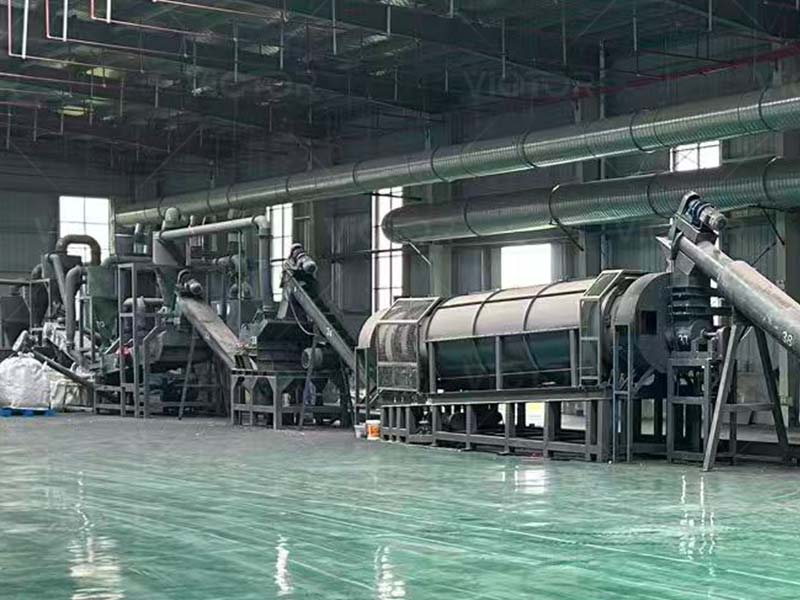
Core Equipment for Lithium Battery Recycling Machines
Amidst the new energy industry’s drive towards high-quality development, lithium battery recycling machinery is spearheading the sector’s advancement towards ‘zero pollution and high-value recovery’ through continuous technological iteration. This recycling technology provides the practical foundation for comprehensive resource regeneration.
The URL for this article is: https://www.victorsmachine.com/faq/how-much-of-a-lithium-battery-is-recyclable/ Please credit the source when reposting. Thank you.
We know how to get energy from waste. Let’s build better future for everyone, together !
Victor Machinery is a manufacturer of machinery and equipment. The main products are: shredder, crusher, carbonization furnace equipment, mining equipment, recycling machinery, etc.
Our ever-evolving offering for mining and construction covers crushing, screening, breaking, demolition, and service solutions – designed to increase productivity and boost your bottom line.
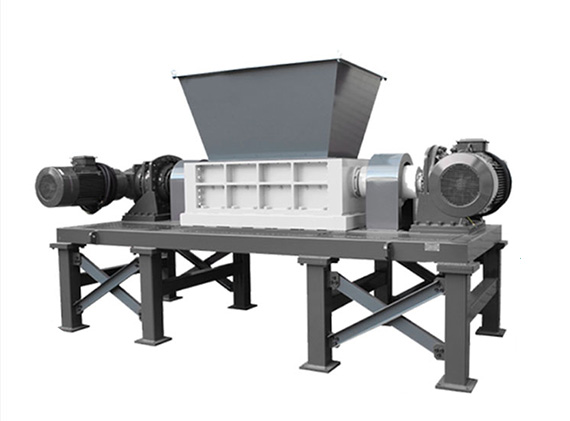 Double Shaft Shredder Machine
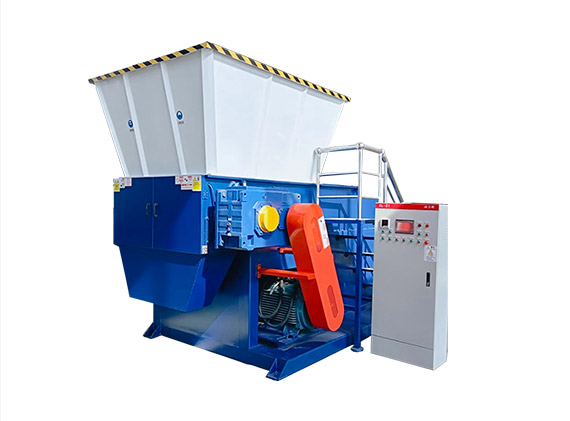 Single Shaft Shredder Machine
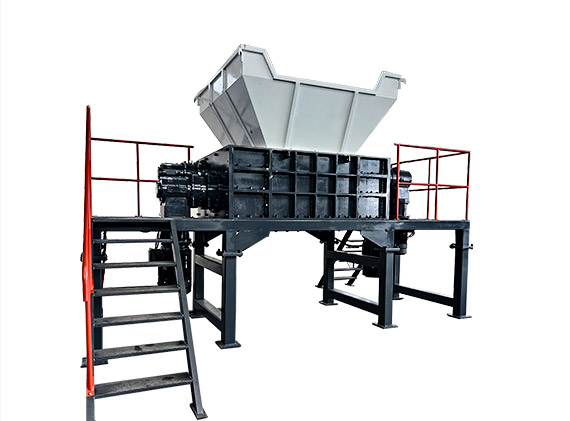 Four Shaft Shredder Machine
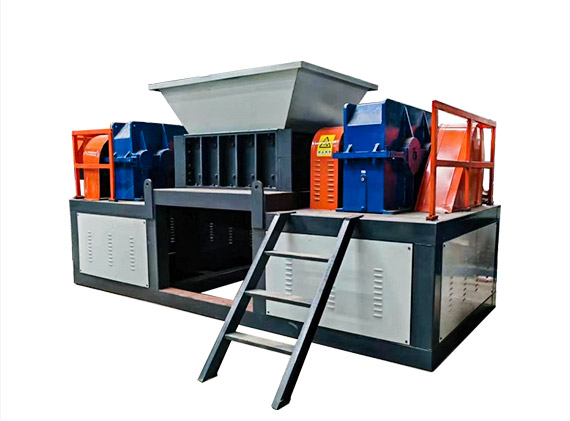 Tyre Shredder Machine
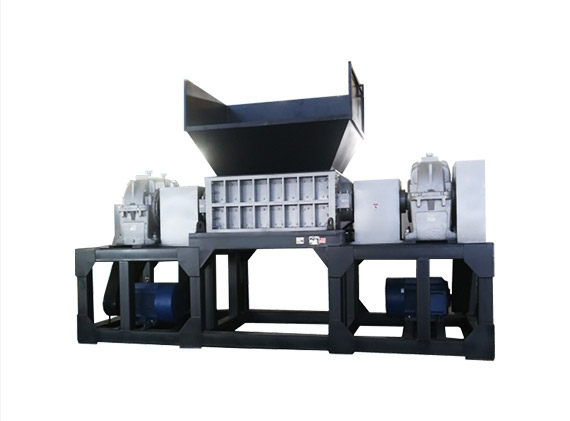 Metal Shredder Machine
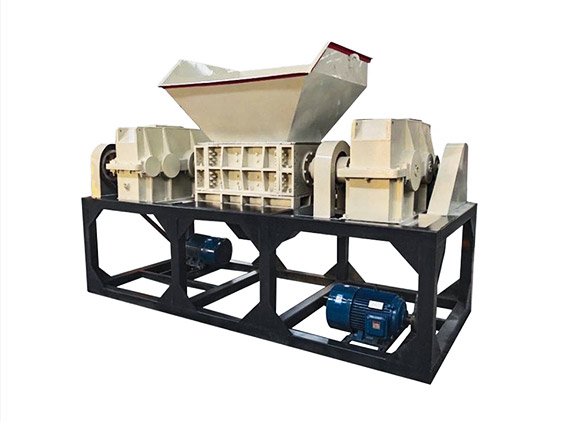 Wood Shredder Machine
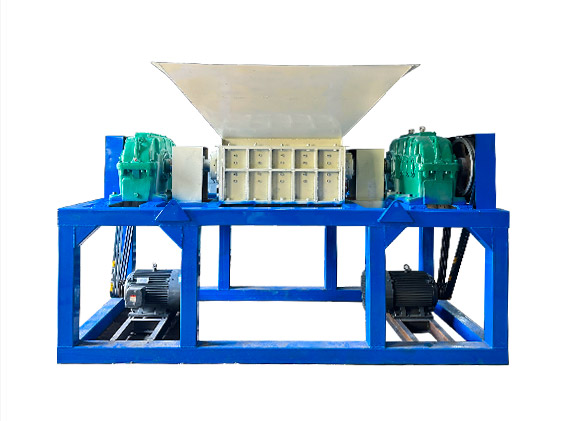 Plastic Shredder Machine
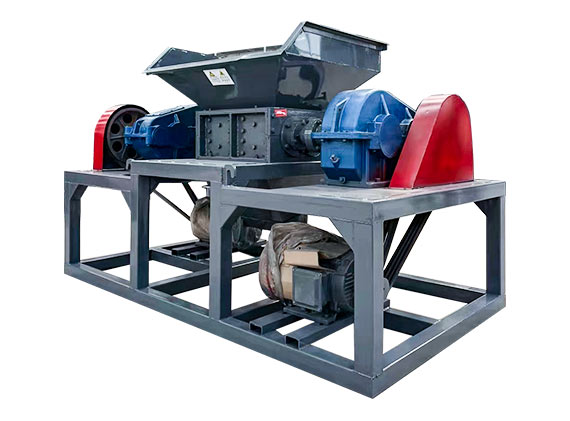 UBC Aluminum Can Shredder Machine
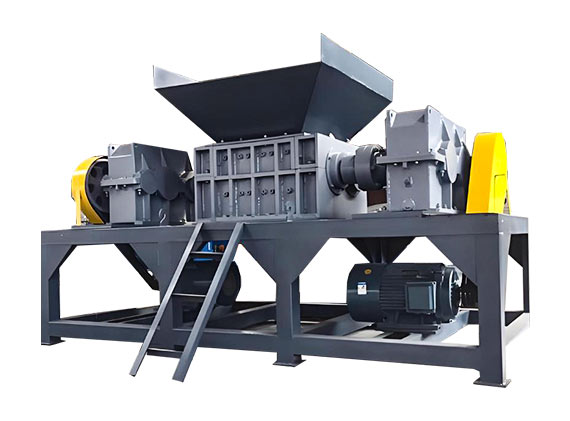 Lithium-ion Battery Shredder Machine
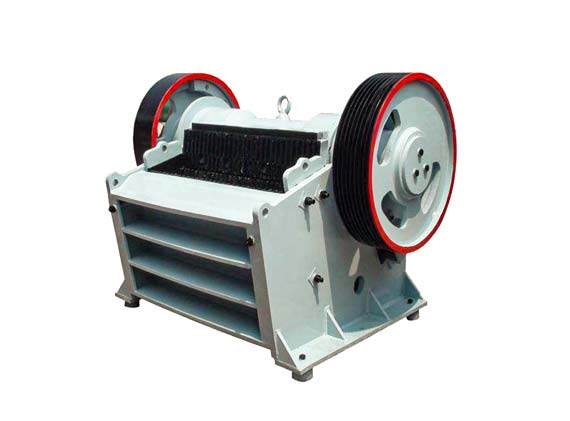 Mini Small Jaw Crusher
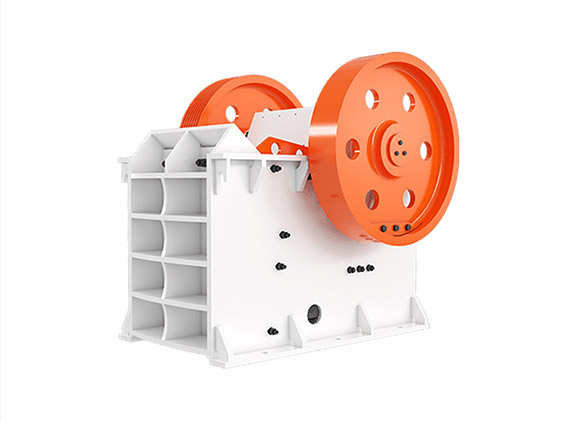 Jaw Crusher
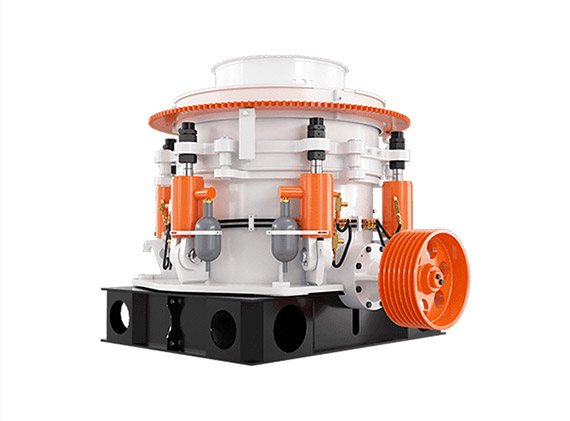 Cone Crusher
 Impact Crusher
 Hammer Crusher
 Impact Mill Crusher
 Roll Crusher
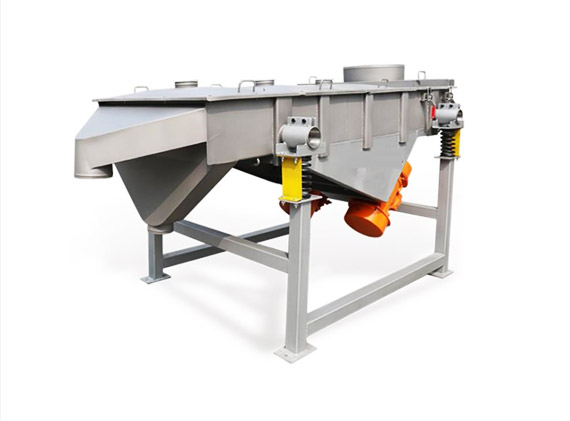 Linear Vibrating Screen Machine
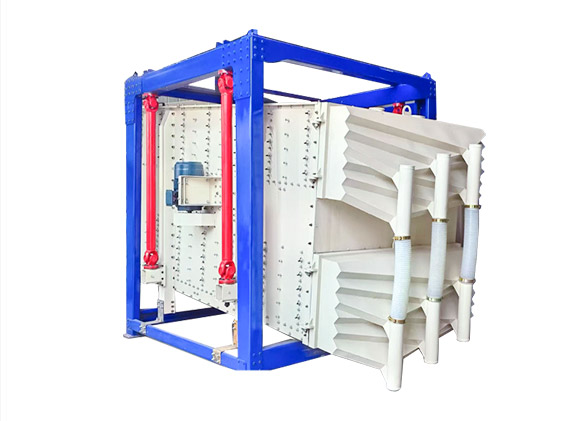 Swing Screen Machine
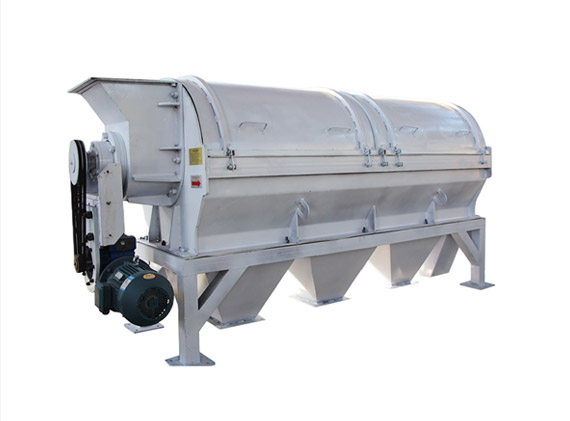 Tumbler Screen Machine
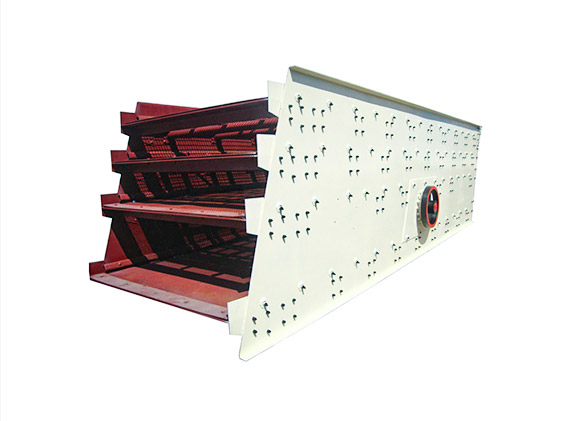 Circular Vibrating Screen
 Cylindrical Rotary Vibrating Screen
 Sand Making Machine
 VSI Sand Making Machine
 Impact Sand Making Machine
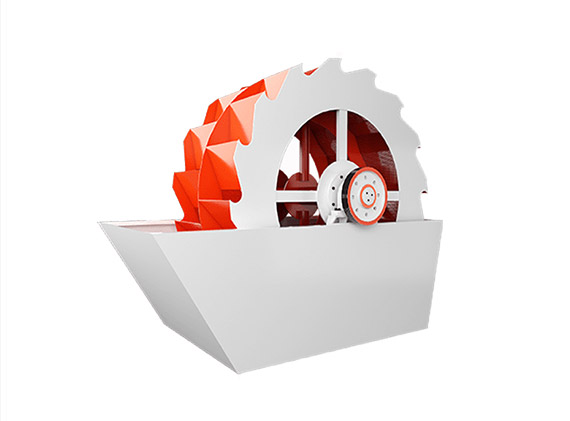 Sand Washing Machine
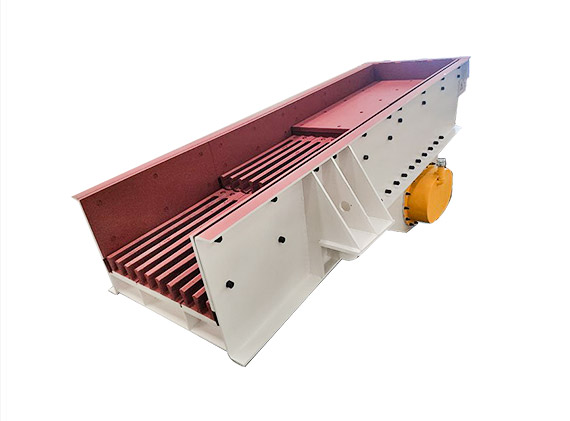 Vibrating Feeder
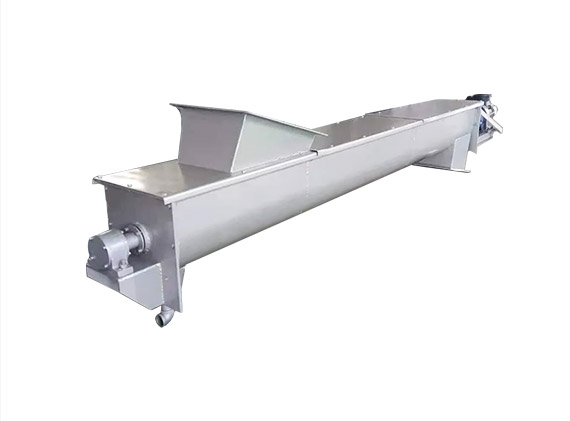 U-Shape Screw Reamer
 Belt Conveyor
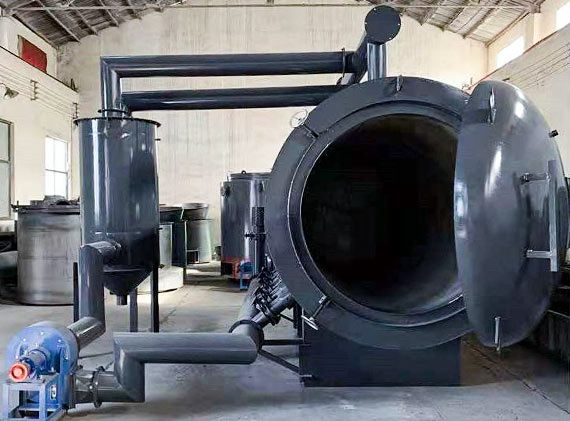 Horizontal Carbonization Furnace
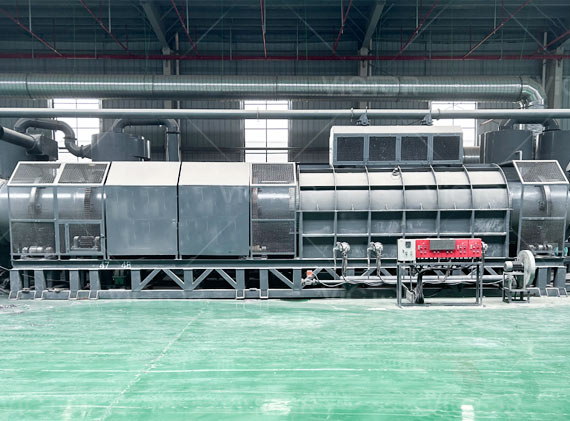 Wood Charcoal Carbonization Furnace
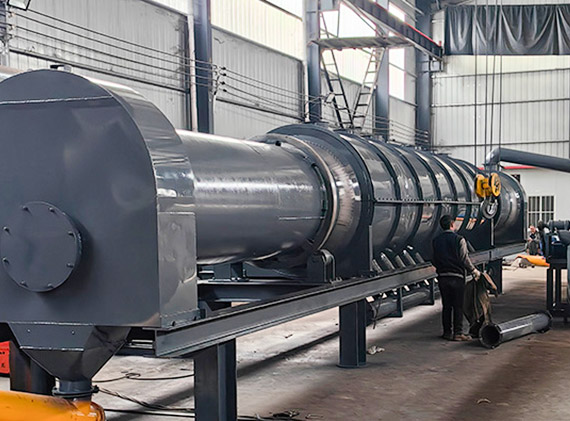 Waste Carbonization Furnace
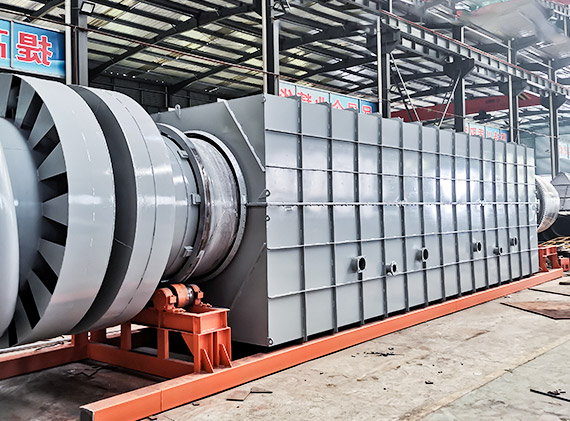 Sludge Continuous Carbonization Furnace
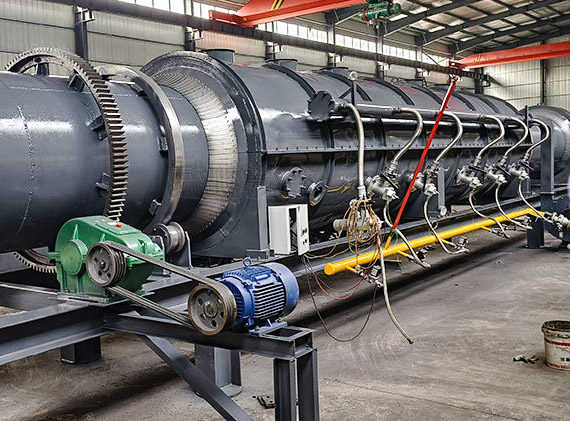 Biomass Carbonization Furnace
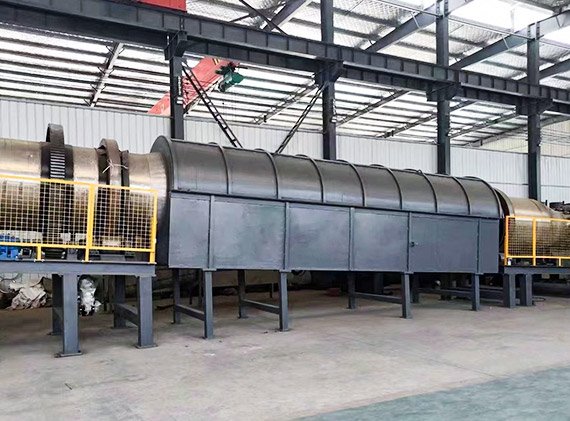 Coconut Shell Carbonization Furnace
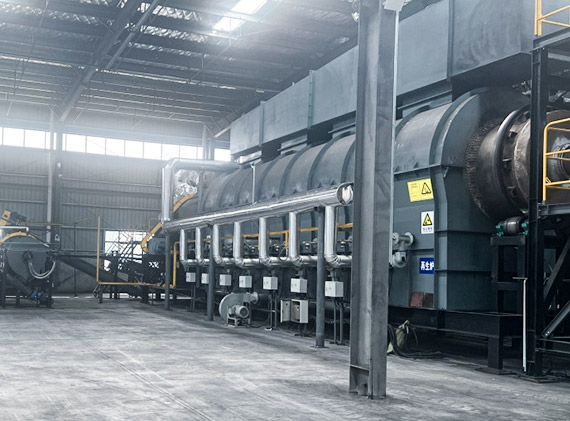 Continuous Carbonization Furnace
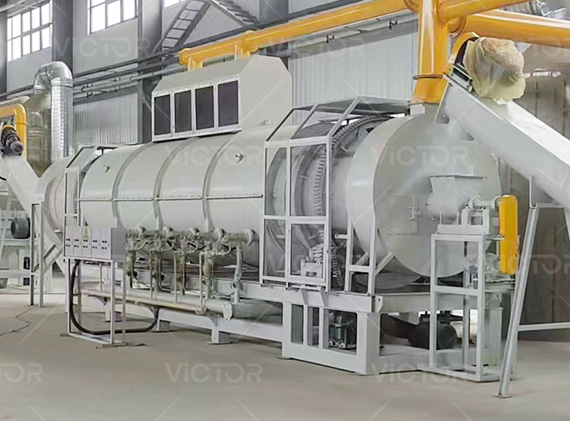 Biomass Pyrolysis Furnace
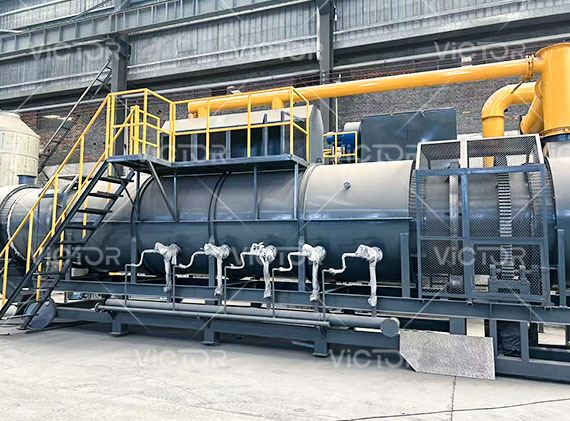 Lithium Battery Recycling Pyrolysis Furnace
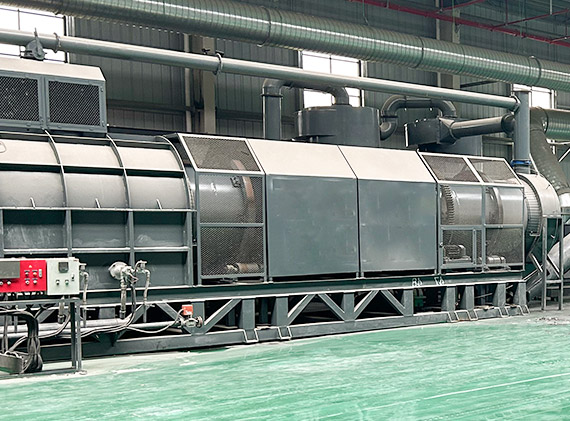 Solar PV Panel Recycling Pyrolysis Furnace
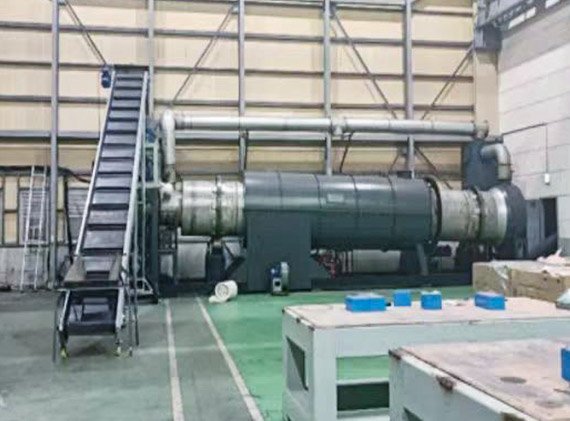 PCB Recycling Pyrolysis Furnace
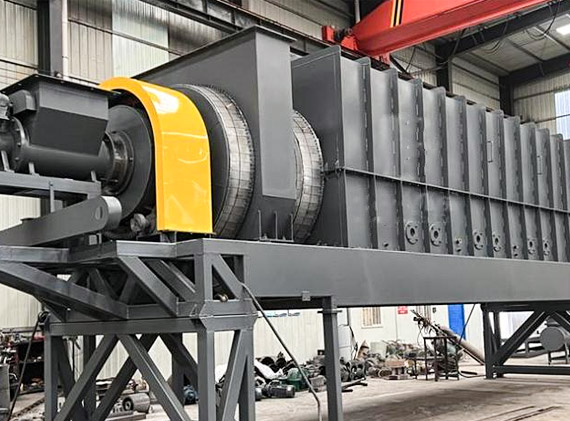 Carbonization Paint Removing Furnace
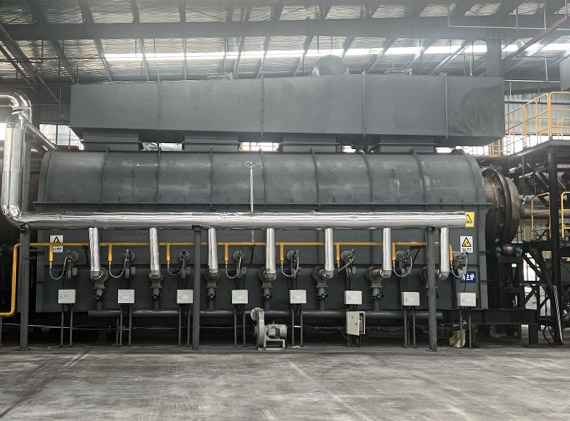 Capacitor Continuity Pyrolysis Furnace
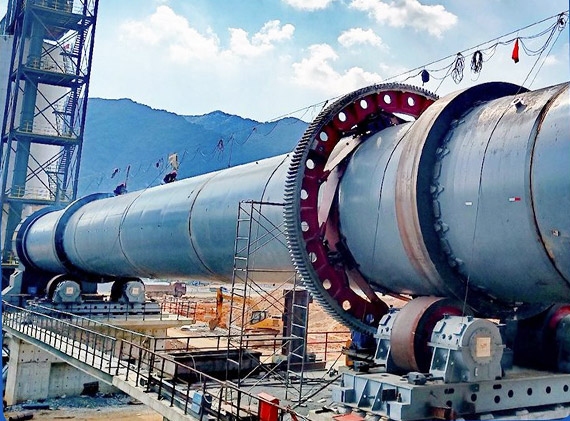 Rotary Kiln
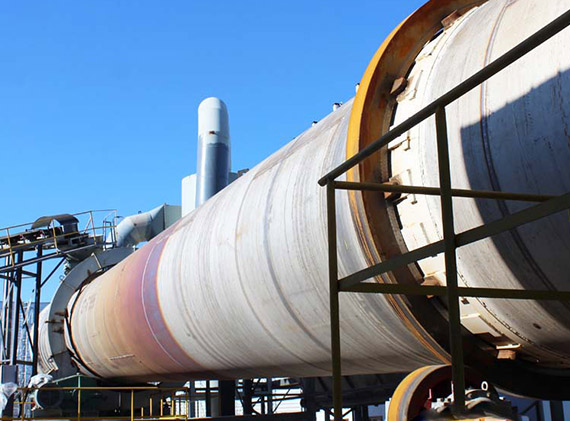 Waste Incineration Rotary Kiln
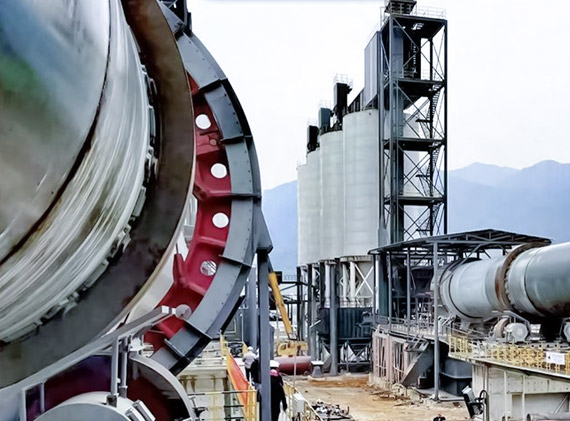 Metallurgical Rotary Kiln
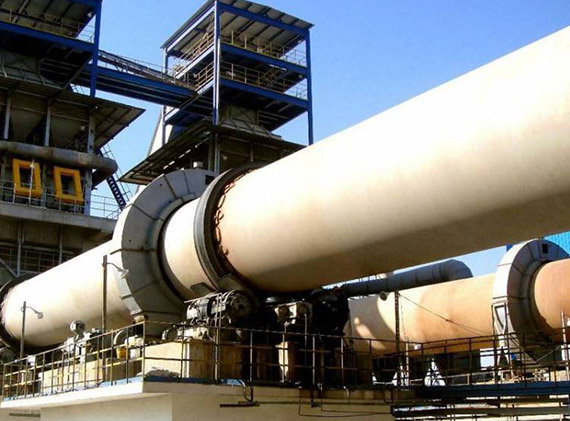 Cement Lime Rotary Kiln
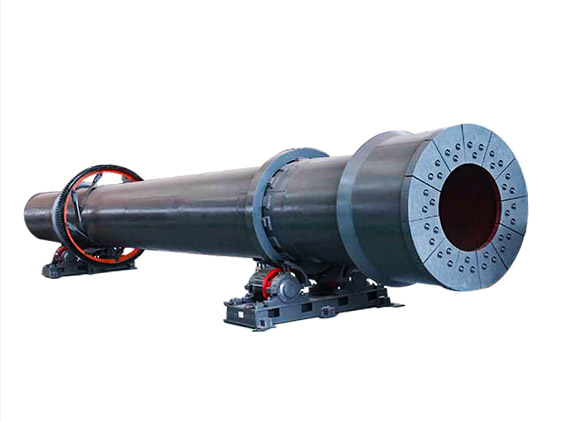 Rotary Drum Dryer Furnace
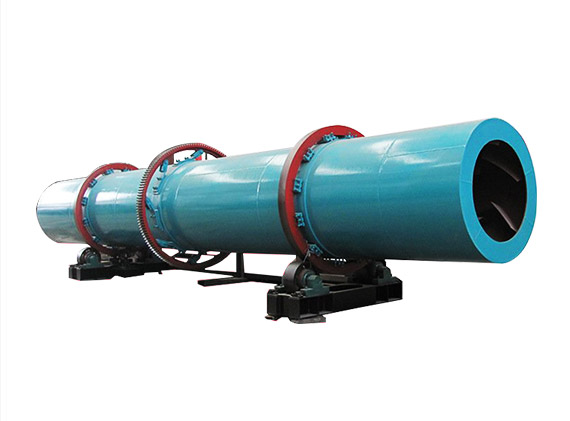 Drum Drying Dryer Furnace
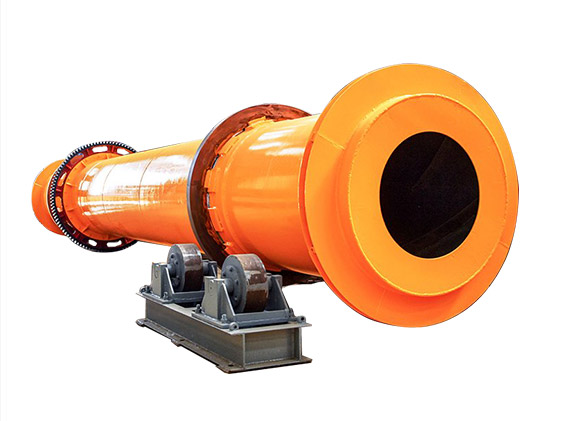 Industrial Dryer Furnace
 Lithium Battery Recycling Plant
 Solar Photovoltaic Panel Recycling Plant
 PCB Circuit Board Recycling Plant
 E Waste Recycling Plant
 Blog
Blog Company Blog
 Knowledge
 FAQ
FAQ