



Our ever-evolving offering for mining and construction covers crushing, screening, breaking, demolition, and service solutions – designed to increase productivity and boost your bottom line.
Carbonisation and charred wood can also be called heat treatment, pyrolysis, etc. Usually high quality log material is selected to use the carbonisation furnace and undergo pyrolysis treatment at a high temperature of 400°C~600°C. Thus, the finished carbon is obtained.
Continuous Carbonisation Furnace is a continuous carbonisation device that can carbonise biomass raw materials into carbon briquettes at high temperature in industry. It does not need any auxiliary facilities. Continuous carbonisation furnace is suitable for carbonisation of all kinds of biomass raw materials.
Smelting furnace and blast furnace are both commonly used metallurgical equipment. But there are some differences in their working principle, application areas, furnace structure and other aspects. We are a professional manufacturer of carbonisation furnace. Here is a detailed introduction for you.
Carbonisation is the screening of the required raw materials. The materials that can be carbonised in the continuous carbonisation furnace are: coconut shells, fruit shells, rice husks, wood shavings, twigs, graphite, silicon carbide, etc. To first ensure the quality of raw materials.
Carbonisation time is usually related to many factors. For example: the structural characteristics of the carbonisation furnace, the type of raw material to be carbonised, the carbonisation temperature, the carbonisation pressure and other factors.
Carbonisation refers to the decomposition of high temperatures into active carbon and gases. Wood carbonisation, is the pyrolysis of waste wood at high temperatures in a carbonisation furnace, which results in the formation of finished carbon.
Carbonisation furnace carbonisation is the decomposition of solid organic matter through high temperature heating under oxygen-free atmosphere conditions. Evaporator moisture. Thus carbonisation decomposition of organic matter made of charcoal.
important role in modern environmental protection and sustainability. With the growing global demand for green building materials. Carbonisation technology is an efficient and environmentally friendly way to treat wood. It has therefore received widespread attention and recognition from the industry.
In the current industrial era of environmental protection and high efficiency. Continuous carbonisation furnace can produce high quality activated carbon. It is widely used in: agriculture, recycling, chemical industry, metallurgy, environmental protection, energy, medical and health…
Cement rotary kiln is an important equipment in cement production line. It is commonly used for calcining cement clinker. It can be divided into: dry cement rotary kiln and wet cement rotary kiln. Both can produce cement clinker.
It will cause some pollution to the environment and soil. Sludge carbonisation furnace is a modern and efficient environmental protection equipment. It plays an important role in the field of sludge carbonisation.
Coconut shells can be carbonised at high temperature through the coconut shell carbonisation furnace. Thus generating a finished product of coconut shell charcoal. Coconut shell charcoal can be used as a fuel and can release stable heat.
We know how to get energy from waste. Let’s build better future for everyone, together !
For mining, construction waste and other industrial recycling production. Victor can provide crushing equipment such as jaw crusher, shredder, cone crusher and sand making machine. It can be configured according to different processing materials. Solutions can be customized according to customer needs.
Our ever-evolving offering for mining and construction covers crushing, screening, breaking, demolition, and service solutions – designed to increase productivity and boost your bottom line.
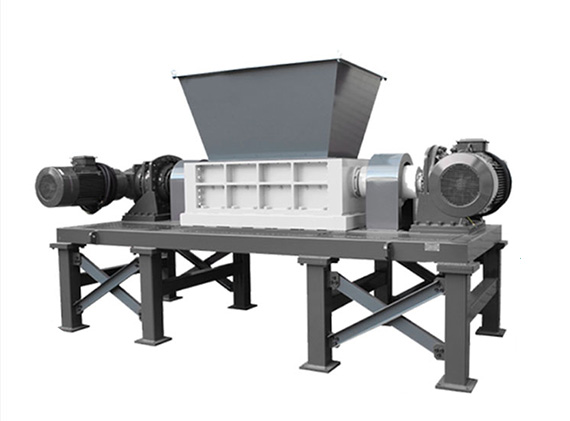 Double Shaft Shredder Machine
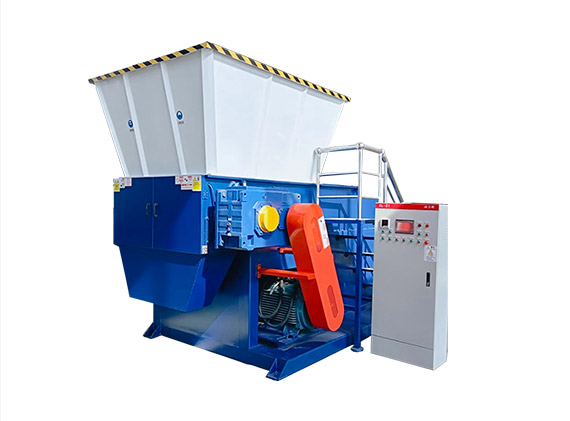 Single Shaft Shredder Machine
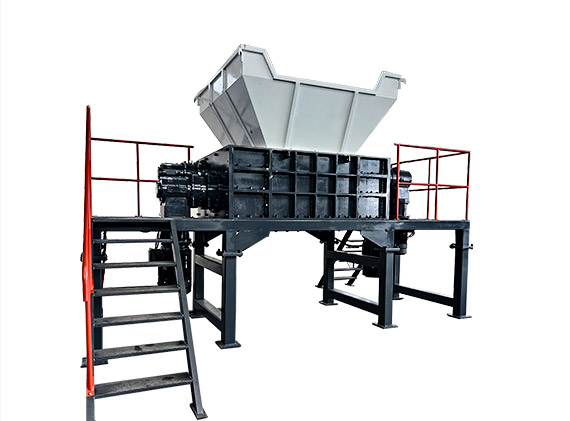 Four Shaft Shredder Machine
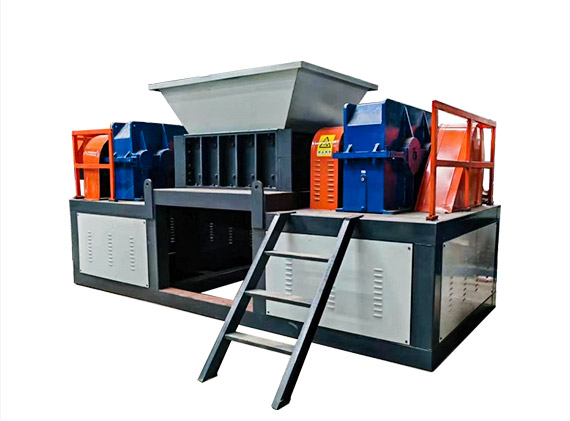 Tyre Shredder Machine
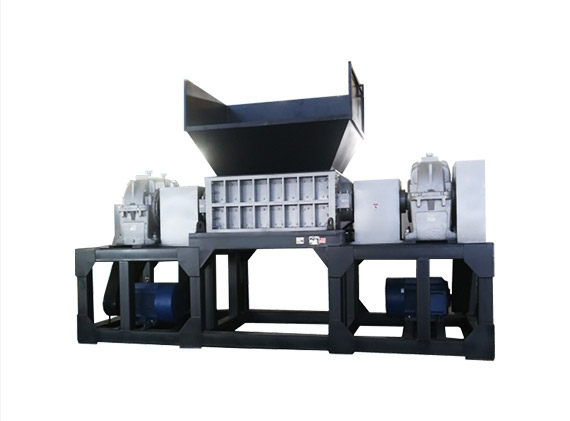 Metal Shredder Machine
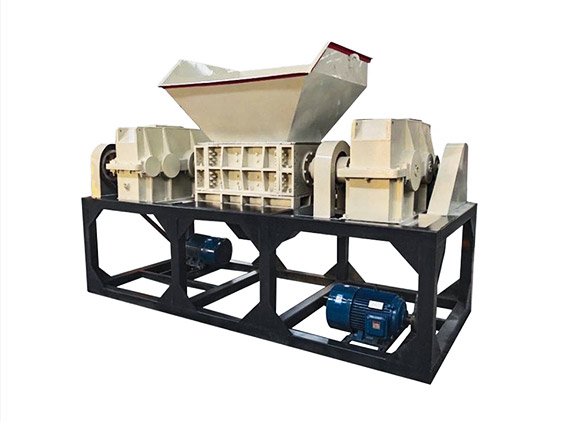 Wood Shredder Machine
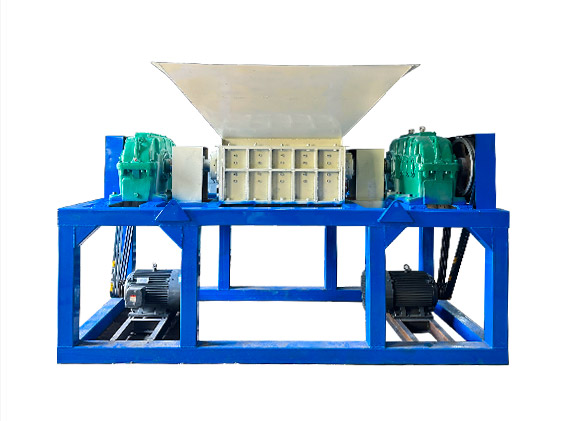 Plastic Shredder Machine
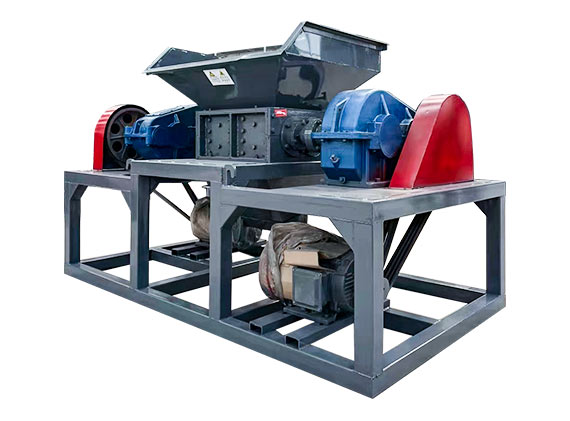 UBC Aluminum Can Shredder Machine
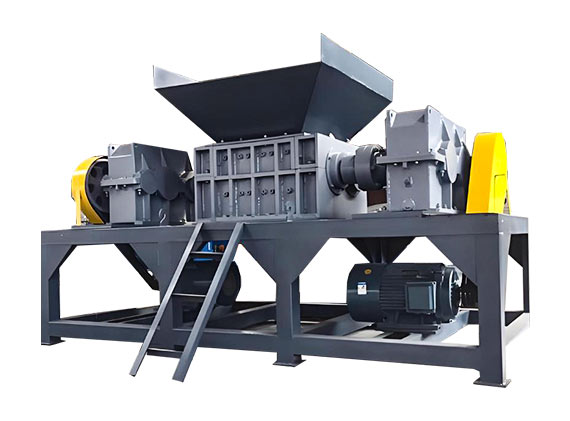 Lithium-ion Battery Shredder Machine
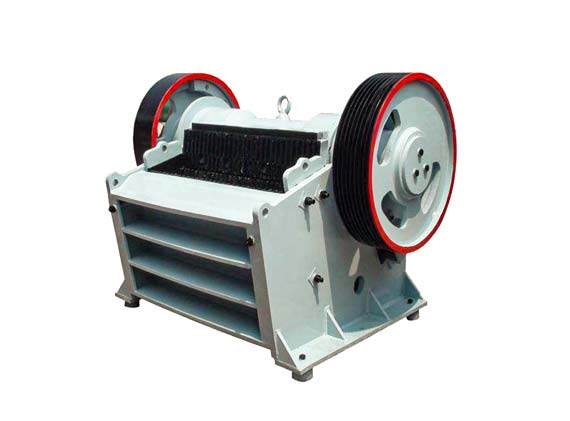 Mini Small Jaw Crusher
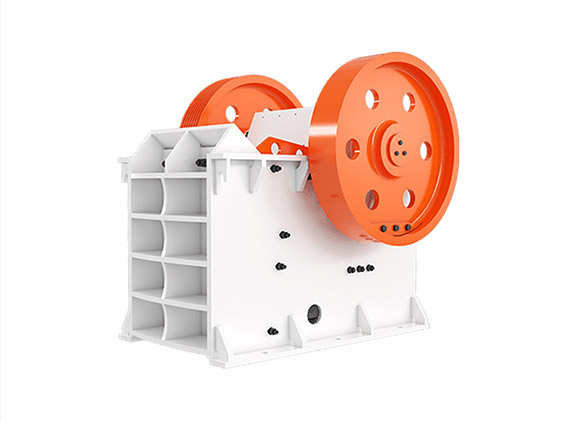 Jaw Crusher
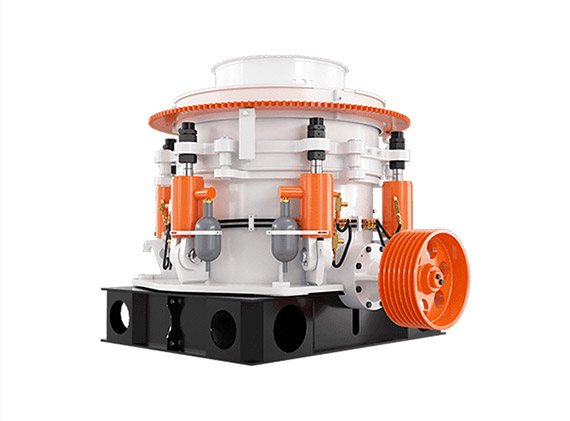 Cone Crusher
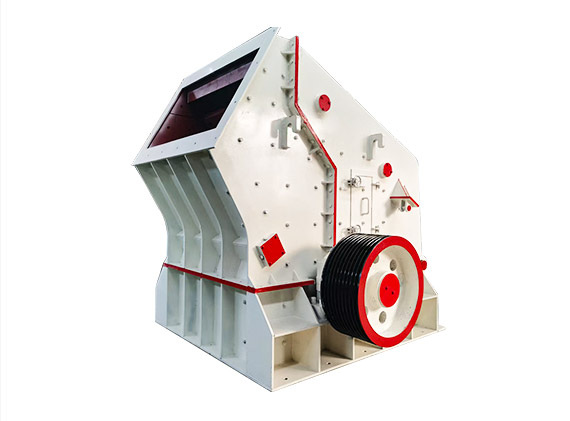 Impact Crusher
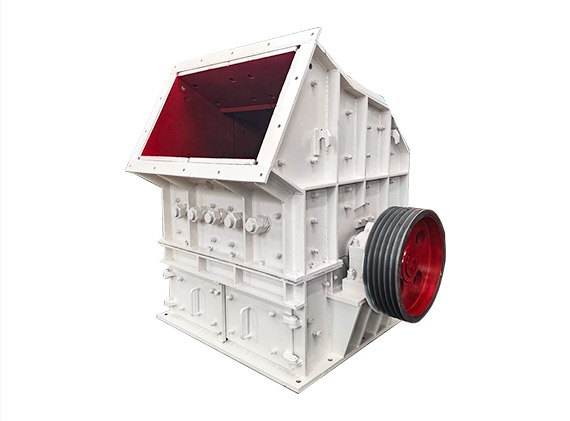 Hammer Crusher
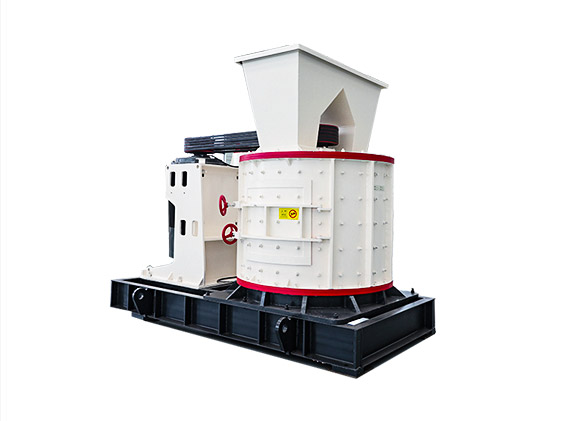 Impact Mill Crusher
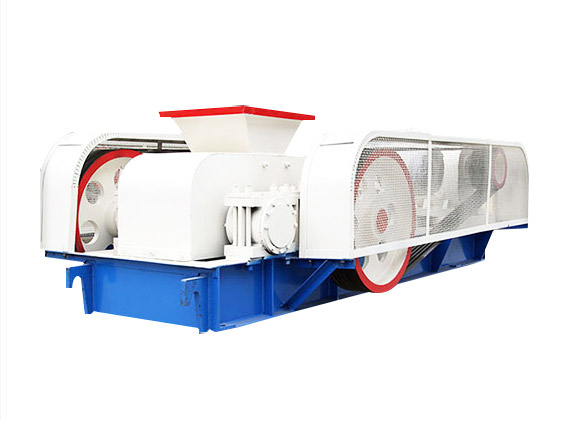 Roll Crusher
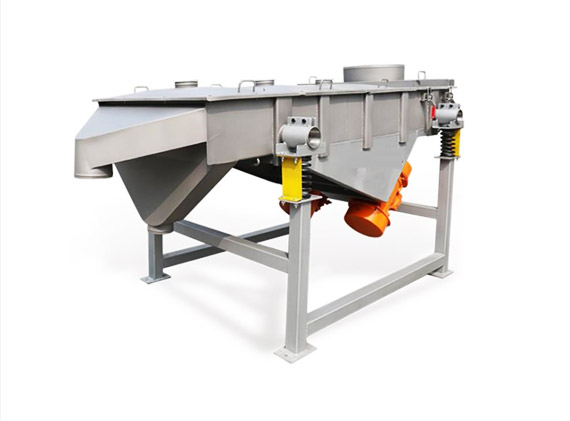 Linear Vibrating Screen Machine
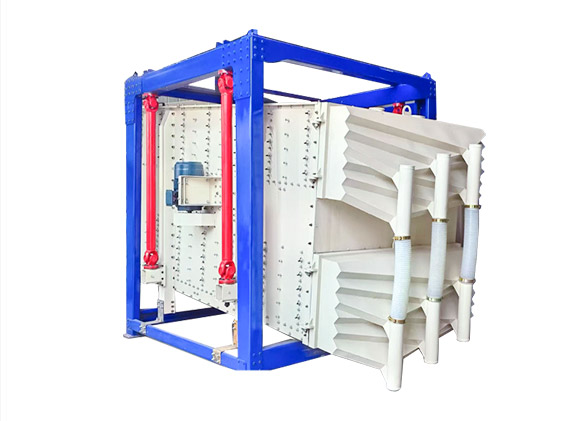 Swing Screen Machine
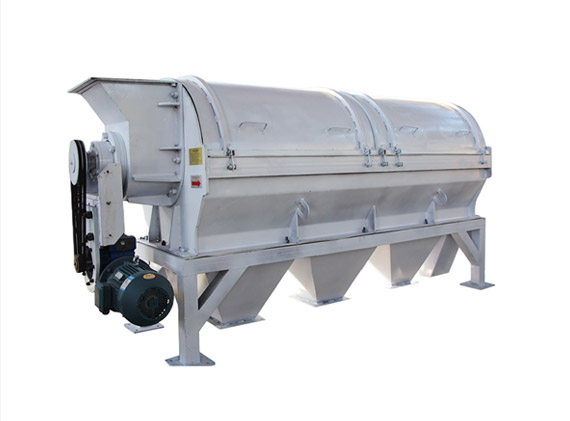 Tumbler Screen Machine
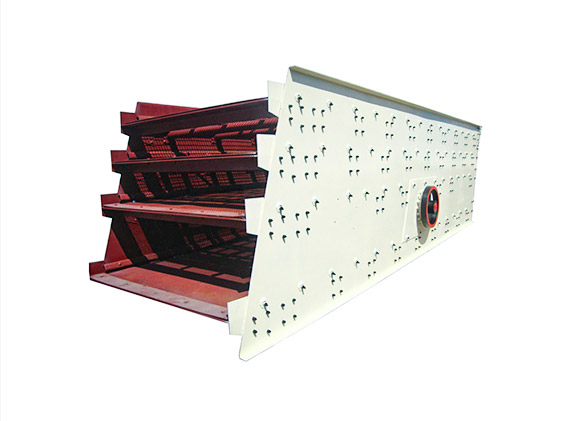 Circular Vibrating Screen
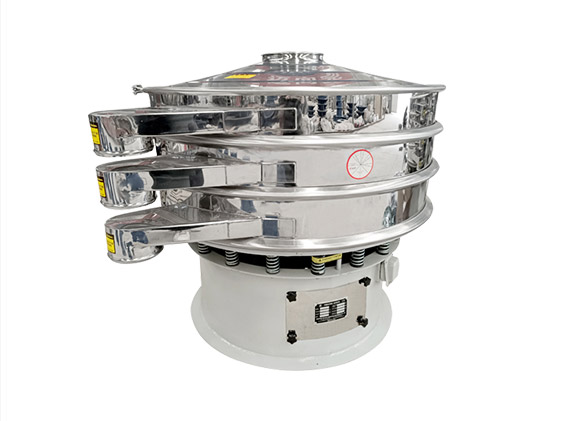 Cylindrical Rotary Vibrating Screen
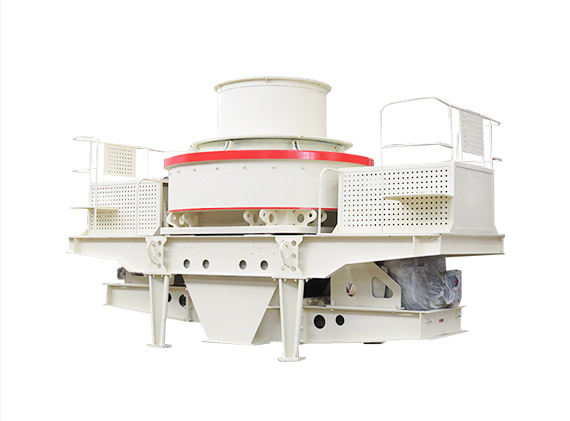 Sand Making Machine
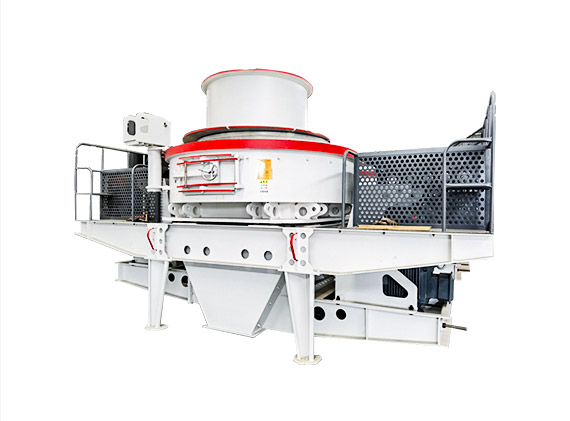 VSI Sand Making Machine
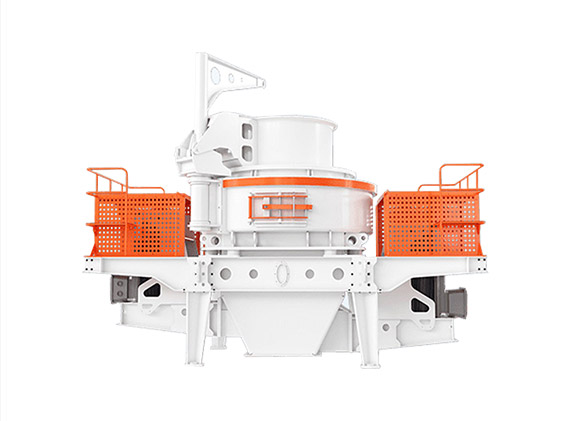 Impact Sand Making Machine
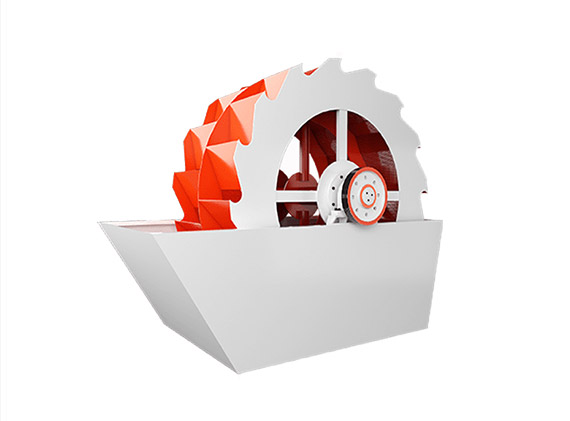 Sand Washing Machine
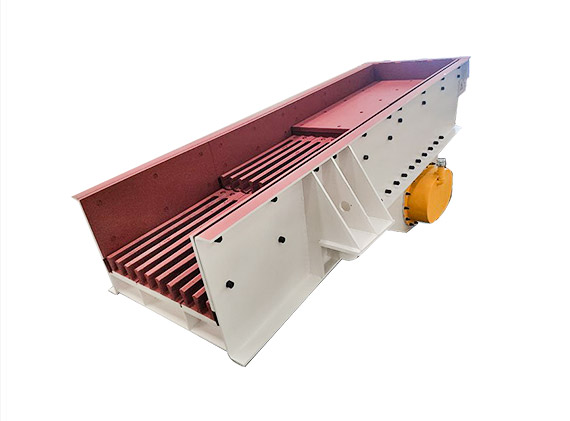 Vibrating Feeder
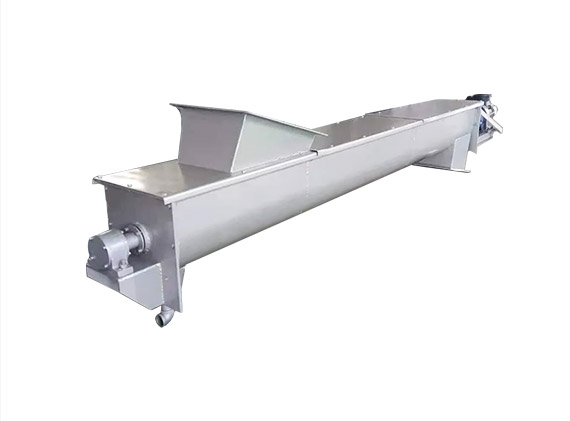 U-Shape Screw Reamer
 Belt Conveyor
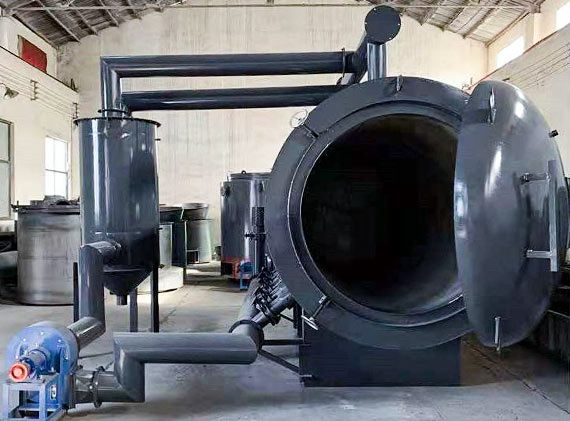 Horizontal Carbonization Furnace
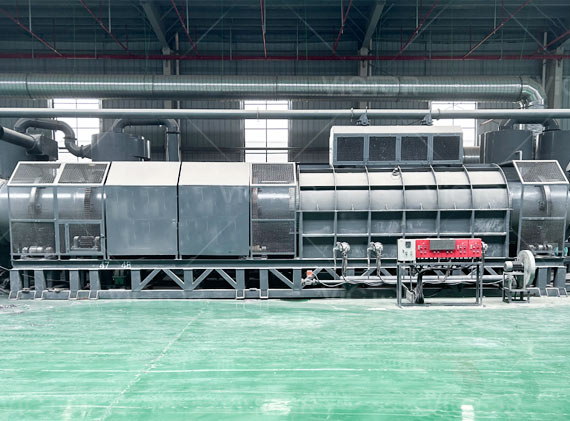 Wood Charcoal Carbonization Furnace
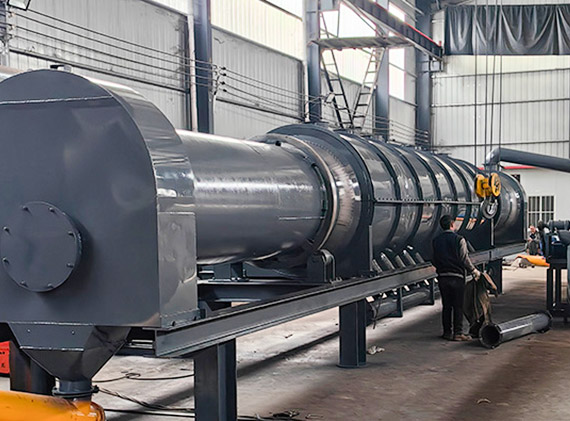 Waste Carbonization Furnace
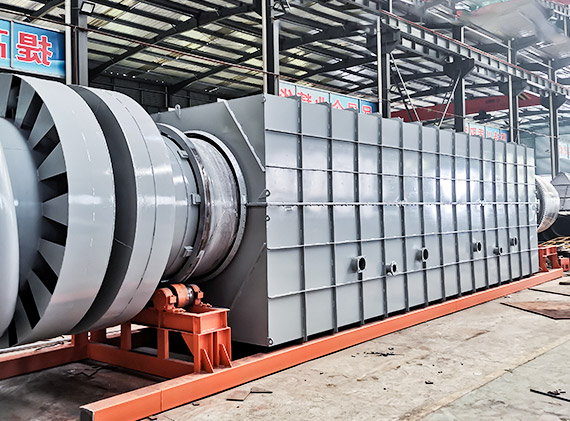 Sludge Continuous Carbonization Furnace
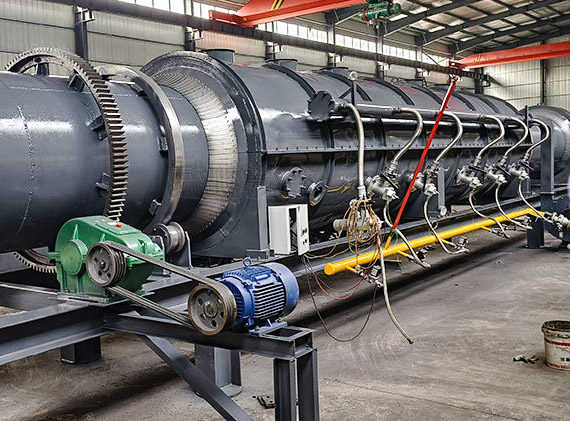 Biomass Carbonization Furnace
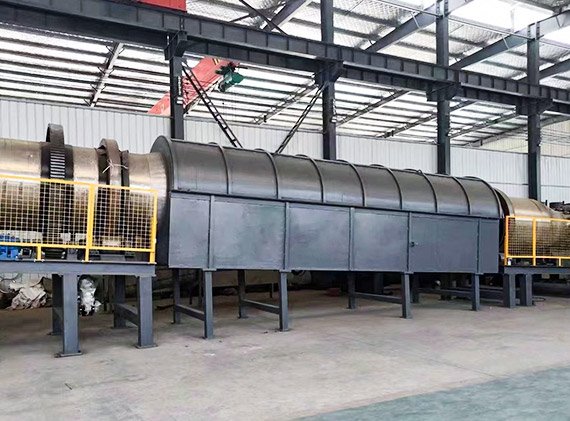 Coconut Shell Carbonization Furnace
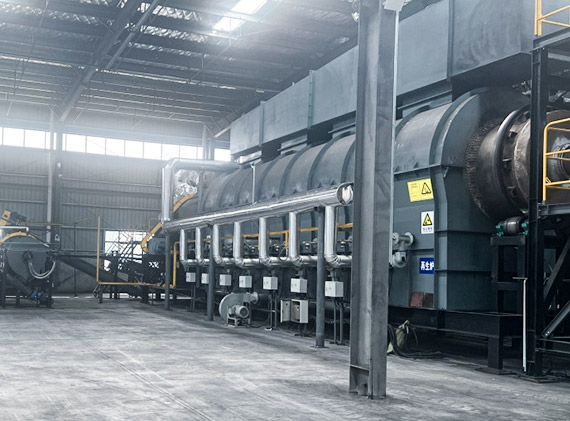 Continuous Carbonization Furnace
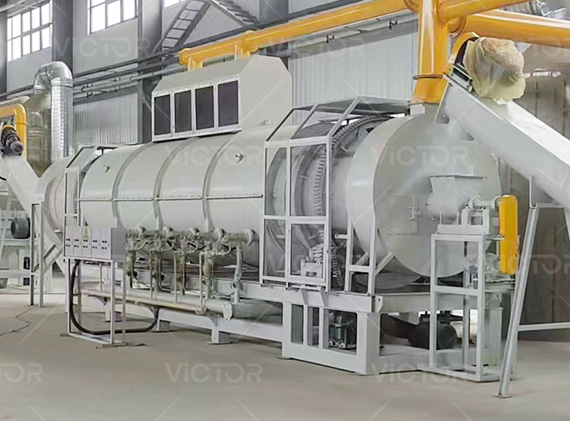 Biomass Pyrolysis Furnace
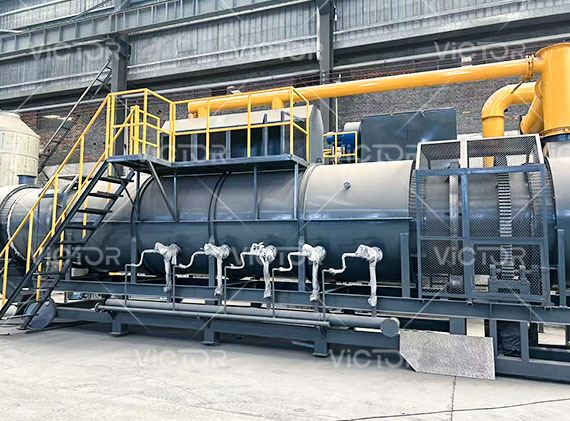 Lithium Battery Recycling Pyrolysis Furnace
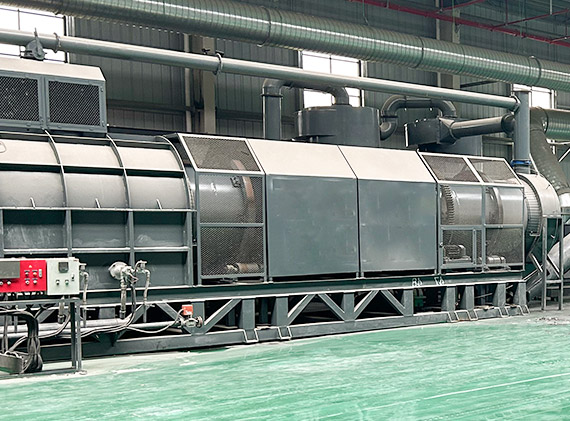 Solar PV Panel Recycling Pyrolysis Furnace
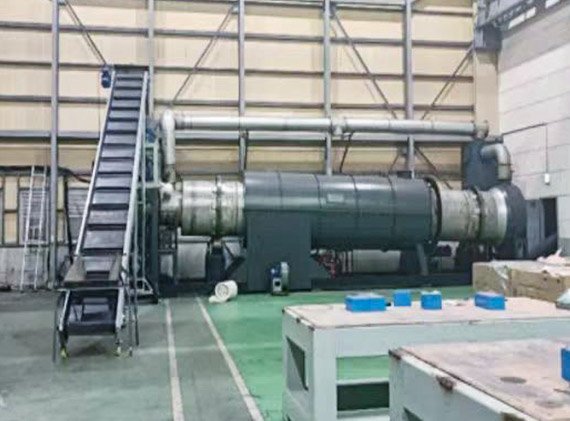 PCB Recycling Pyrolysis Furnace
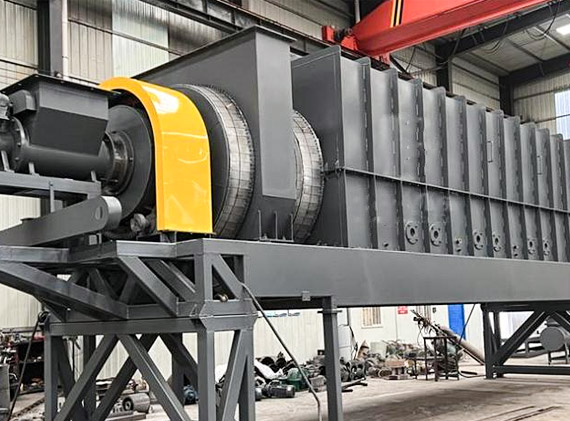 Carbonization Paint Removing Furnace
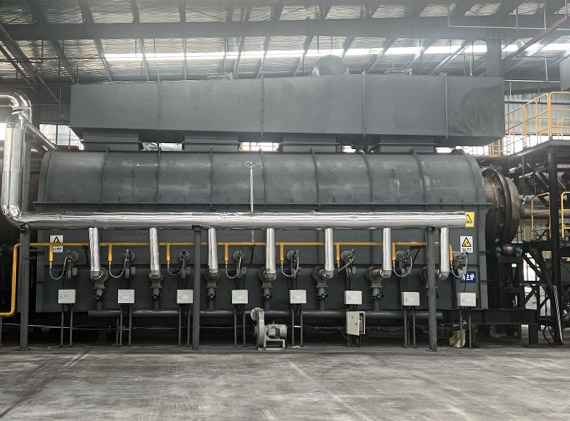 Capacitor Continuity Pyrolysis Furnace
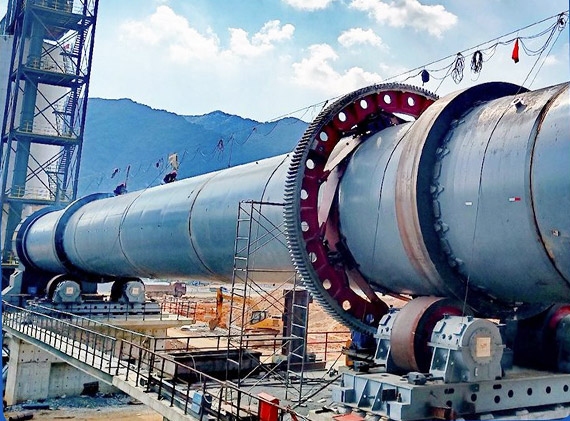 Rotary Kiln
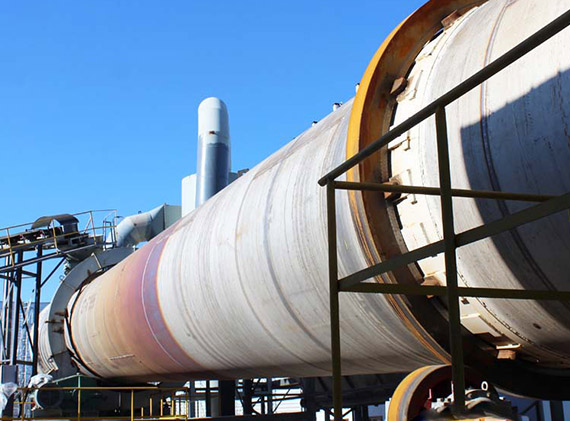 Waste Incineration Rotary Kiln
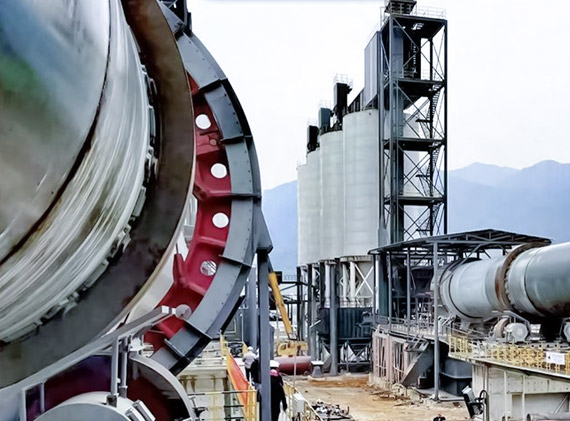 Metallurgical Rotary Kiln
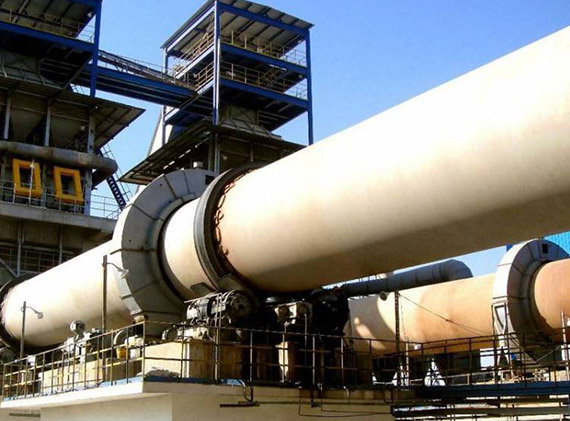 Cement Lime Rotary Kiln
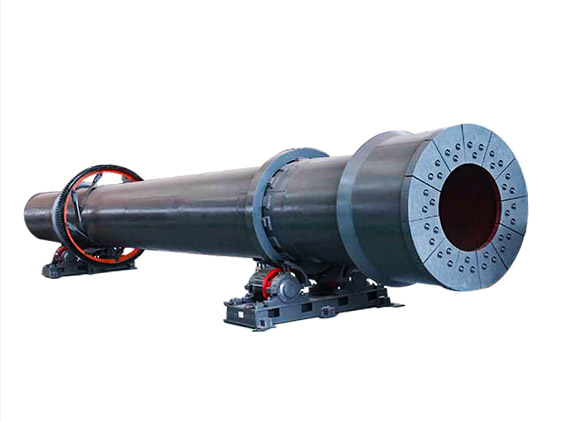 Rotary Drum Dryer Furnace
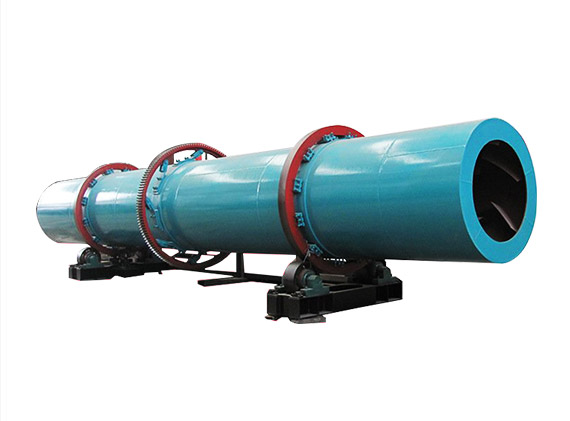 Drum Drying Dryer Furnace
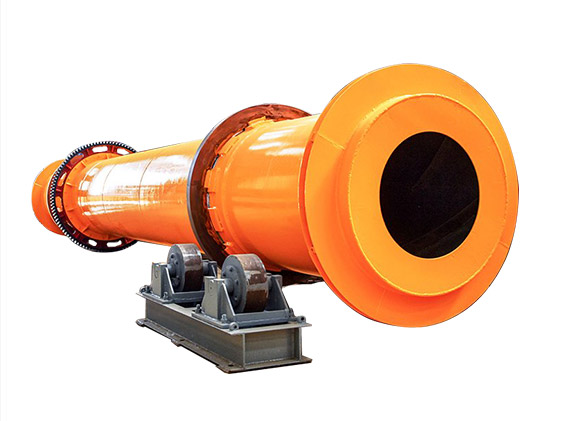 Industrial Dryer Furnace
 Lithium Battery Recycling Plant
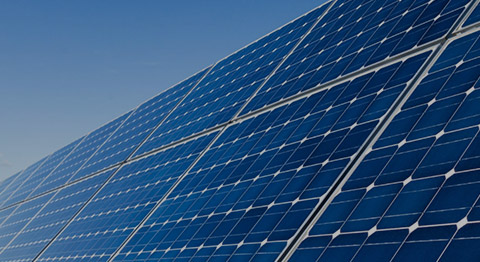 Solar Photovoltaic Panel Recycling Plant
 PCB Circuit Board Recycling Plant
 E Waste Recycling Plant
 Blog
Blog Company Blog
 Knowledge
 FAQ
FAQ