



Our ever-evolving offering for mining and construction covers crushing, screening, breaking, demolition, and service solutions – designed to increase productivity and boost your bottom line.
Coconut shell activated carbon is often used as an adsorbent. It is widely used in: sewage treatment, air purification, chemical industry, metallurgy, food processing, medicine and other industries. However, its production process is complicated and each step is crucial. We will introduce the production process of coconut shell activated carbon.
As the global environmental problems are becoming more and more serious. People often use to look for fuels that can replace traditional energy sources. In this environmental era. Charcoal charring furnace has been invented through continuous research. It has injected new vigour to achieve sustainable energy development.
After an in-depth discussion of the construction principle and process of the wood carbonisation furnace. It plays an important role in modern environmental protection and sustainability. With the growing global demand for green energy.
Continuous Carbonisation Furnace is an equipment for carbonisation in a separate kiln. It adopts dry charring technology. It can make wood materials such as wood chips, rice husk, straw, waste wood, coconut shell, tree branches, fruit wood and so on. Under the condition of high temperature and poor oxygen.
In today’s world, people are placing more and more emphasis on health and quality of life. Indoor air purification is an important need for homes and offices. Coconut shell activated carbon is a product often used in our life. It is a very used adsorbent and catalyst carrier.
In charcoal carbonisation, a horizontal carbonisation furnace is used. It is similar to the traditional earth kiln. However, it has a high charcoal production rate and is less affected by the level of manual charcoal production. The carbonisation furnace has high production efficiency and can produce one furnace of charcoal a day on average.
When many customers enquire about horizontal carbonising furnace, they always ask for its carbonising furnace price first. There are many kinds of them. The specifications and models are also very different. Today we will introduce it in detail for you.
Many friends have heard of horizontal carbonisation furnace. But don’t know its specific working principle and using effect. So, is horizontal carbonisation furnace really good? Today we will introduce it in detail for you.
Charcoal carbonisation is the process of converting wood, waste and other materials containing organic matter. It is converted into charcoal through high heat treatment. Charcoal carbonisation is the full use of agricultural waste and other resources.
Charcoal carbonisation is the process of taking organic-rich materials such as wood. It is converted into charcoal through a high temperature pyrolysis process. Moisture and volatile components can be removed. Solid carbon with high calorific value, low ash content, porous, hard and strong adsorption can be obtained.
Biomass charcoal is an important energy source. It is widely used. Biomass is converted into biomass carbon through the carbonisation process of biomass carbonisation furnace. Thus, it can achieve resource recycling and reuse.
With the increasing prominence of global environmental problems and the challenge of energy shortages. Therefore the interest of renewable energy sources is greatly valued. Among the various renewable sources. Biomass energy has a wide range of sources and a low carbon footprint.
We know how to get energy from waste. Let’s build better future for everyone, together !
For mining, construction waste and other industrial recycling production. Victor can provide crushing equipment such as jaw crusher, shredder, cone crusher and sand making machine. It can be configured according to different processing materials. Solutions can be customized according to customer needs.
Our ever-evolving offering for mining and construction covers crushing, screening, breaking, demolition, and service solutions – designed to increase productivity and boost your bottom line.
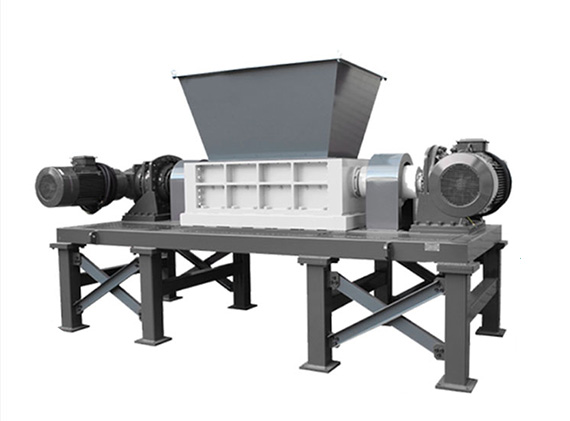 Double Shaft Shredder Machine
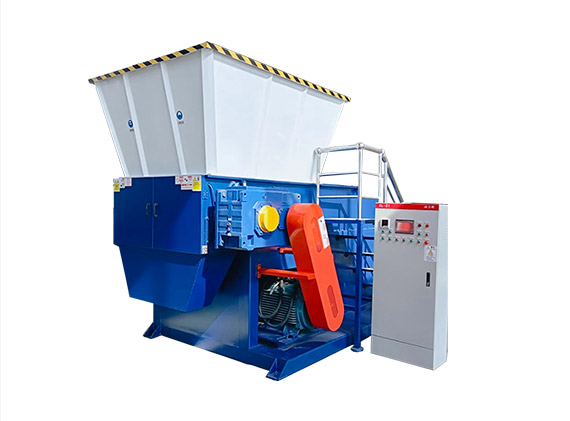 Single Shaft Shredder Machine
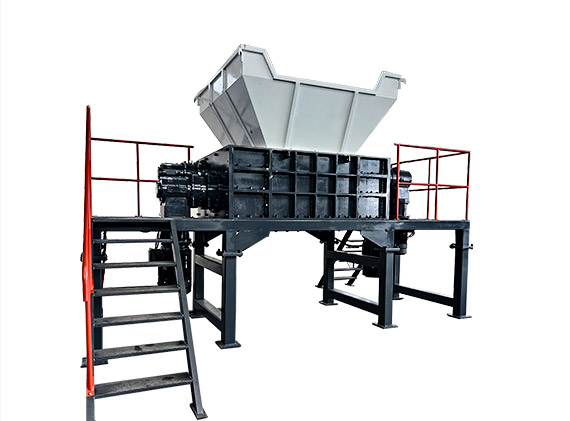 Four Shaft Shredder Machine
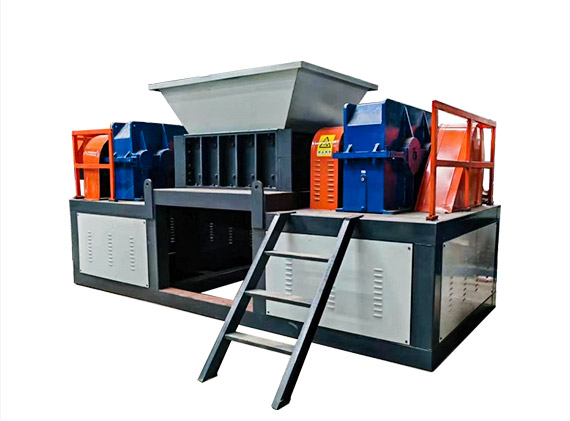 Tyre Shredder Machine
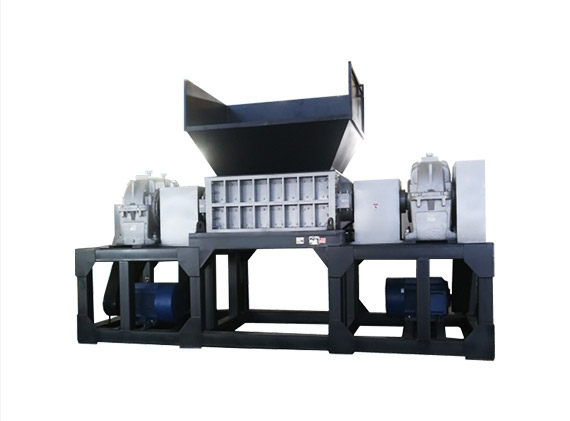 Metal Shredder Machine
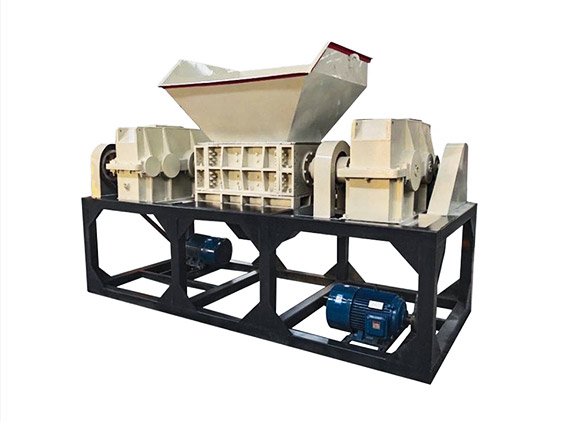 Wood Shredder Machine
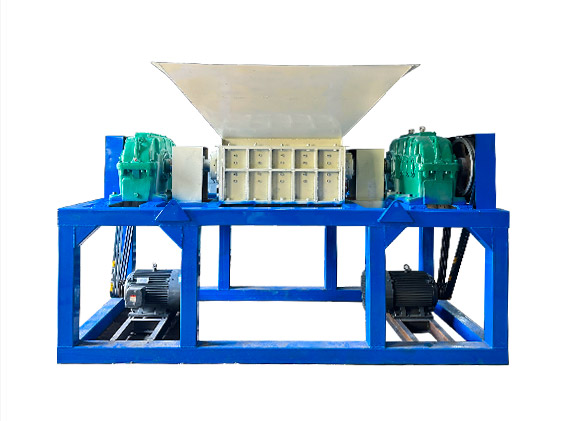 Plastic Shredder Machine
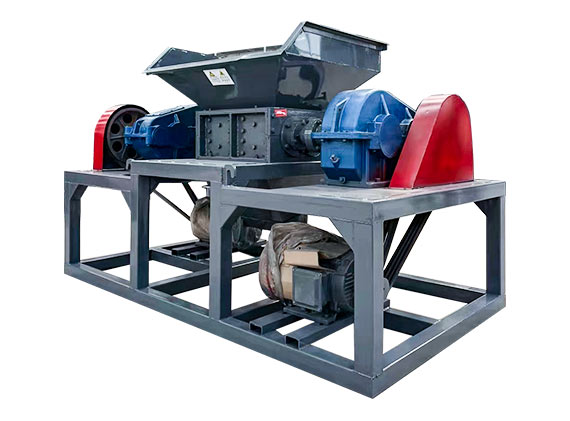 UBC Aluminum Can Shredder Machine
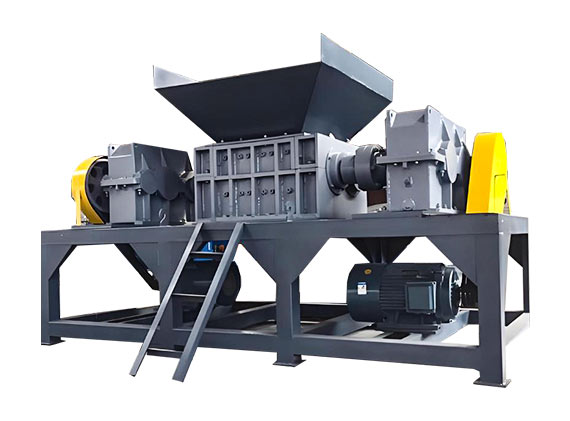 Lithium-ion Battery Shredder Machine
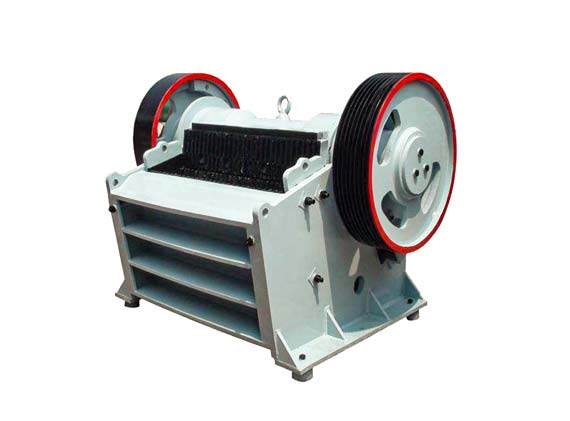 Mini Small Jaw Crusher
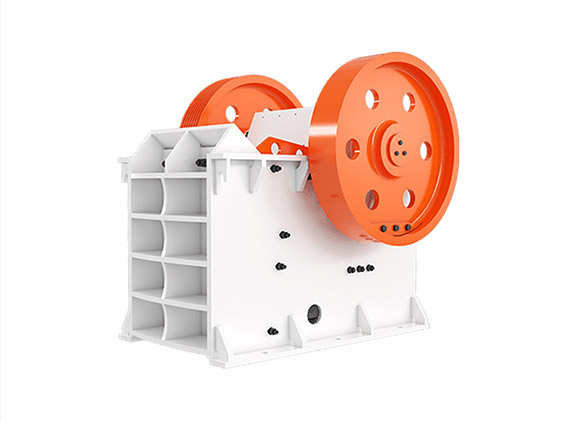 Jaw Crusher
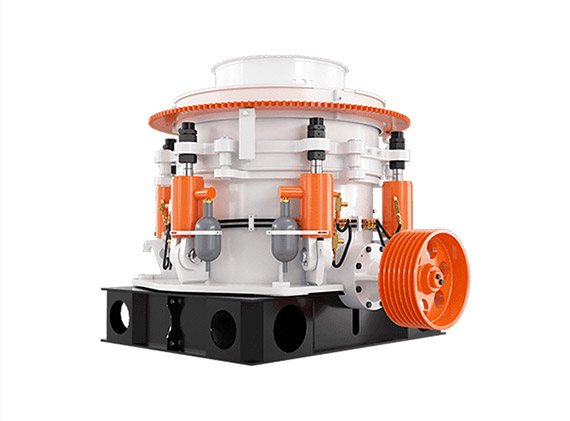 Cone Crusher
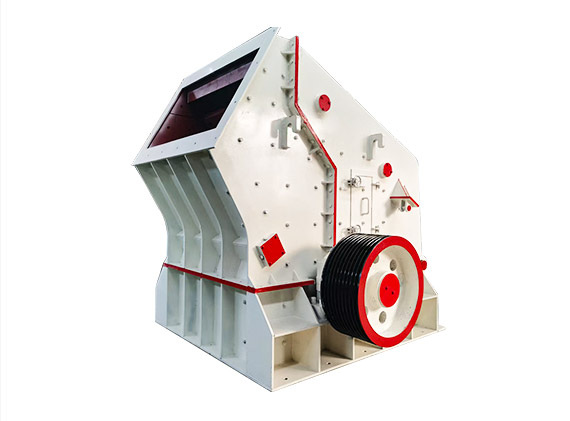 Impact Crusher
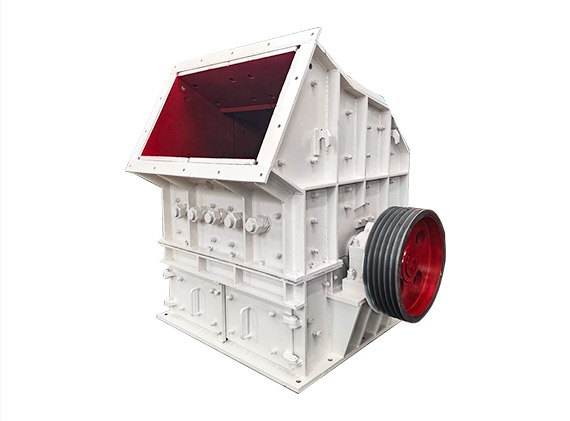 Hammer Crusher
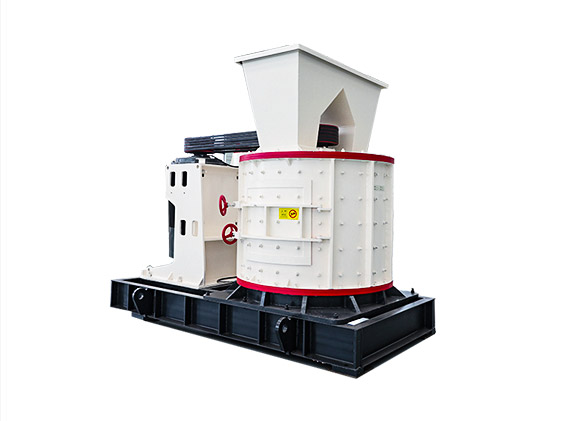 Impact Mill Crusher
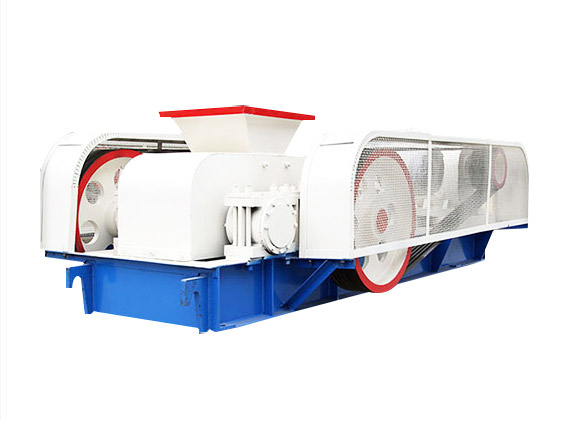 Roll Crusher
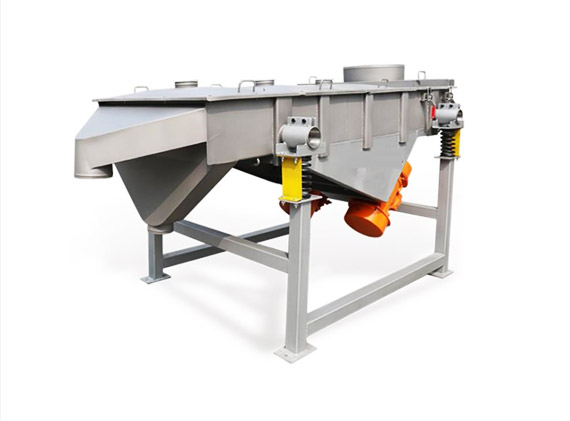 Linear Vibrating Screen Machine
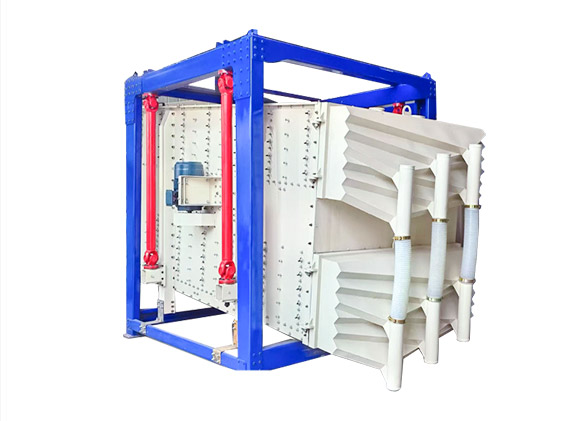 Swing Screen Machine
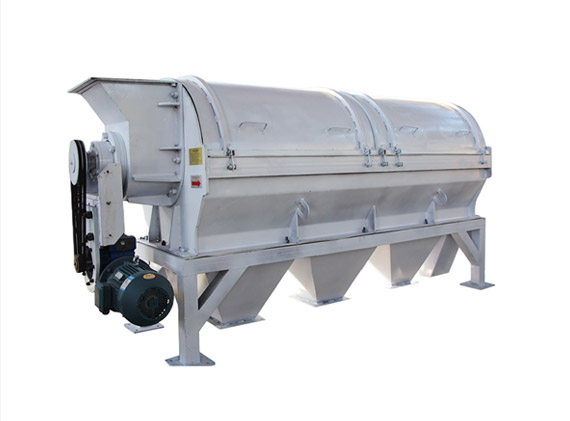 Tumbler Screen Machine
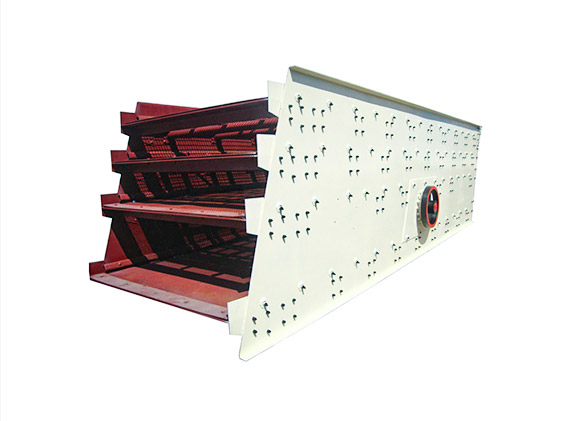 Circular Vibrating Screen
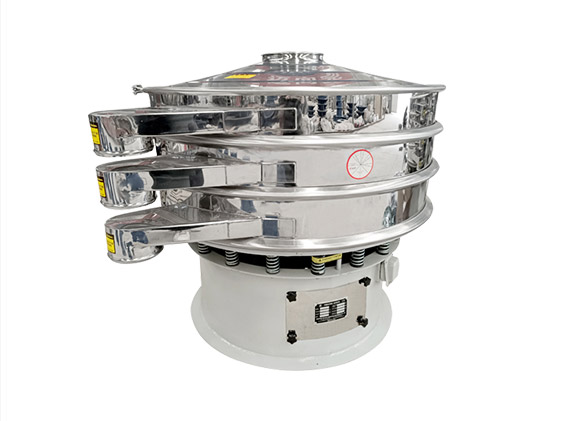 Cylindrical Rotary Vibrating Screen
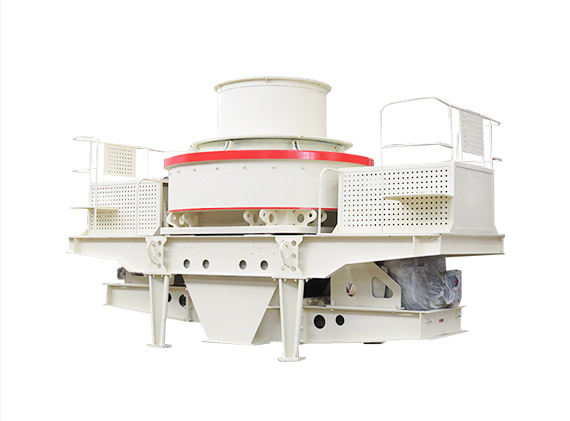 Sand Making Machine
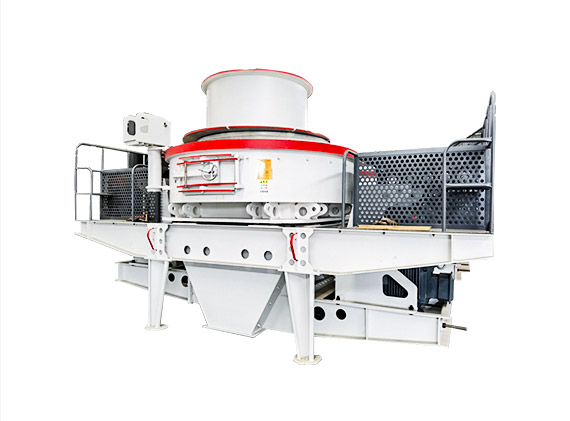 VSI Sand Making Machine
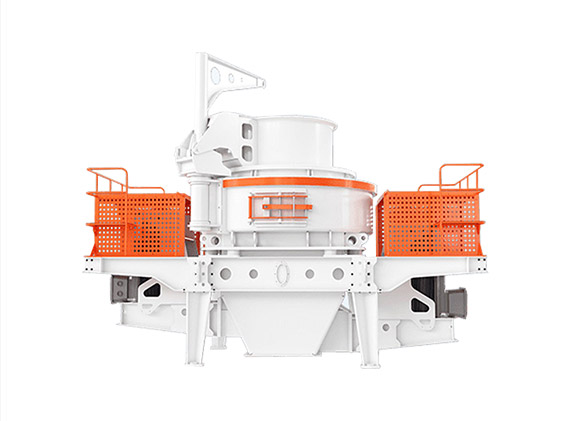 Impact Sand Making Machine
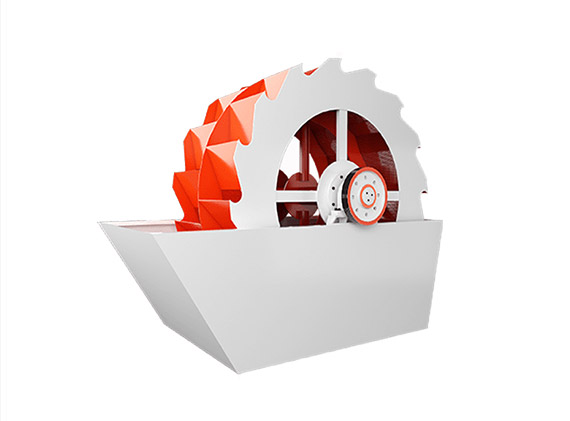 Sand Washing Machine
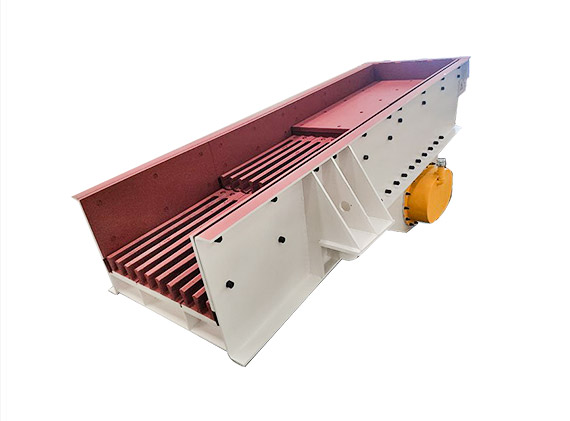 Vibrating Feeder
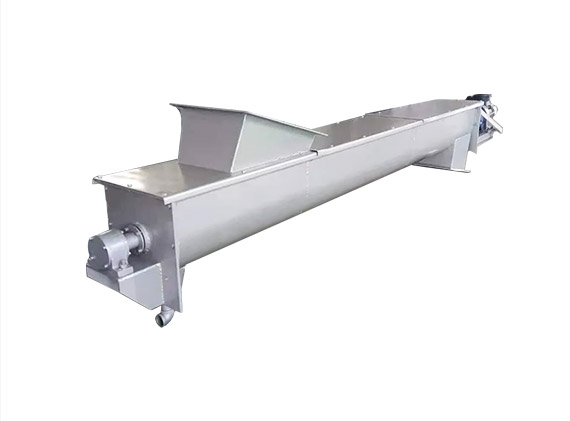 U-Shape Screw Reamer
 Belt Conveyor
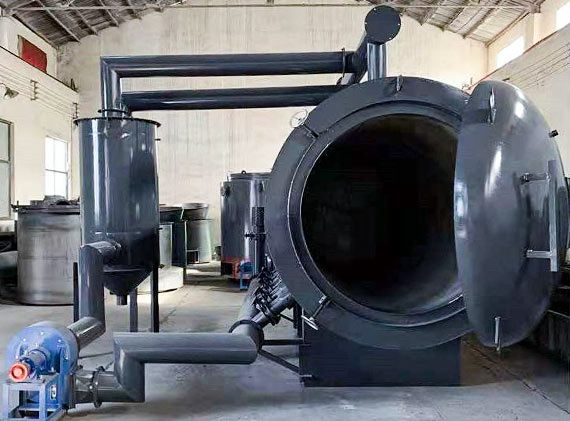 Horizontal Carbonization Furnace
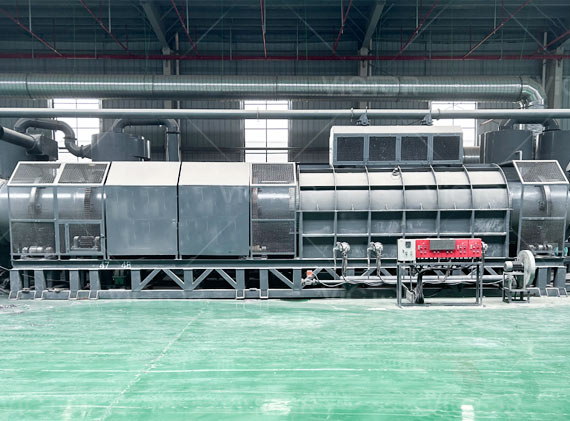 Wood Charcoal Carbonization Furnace
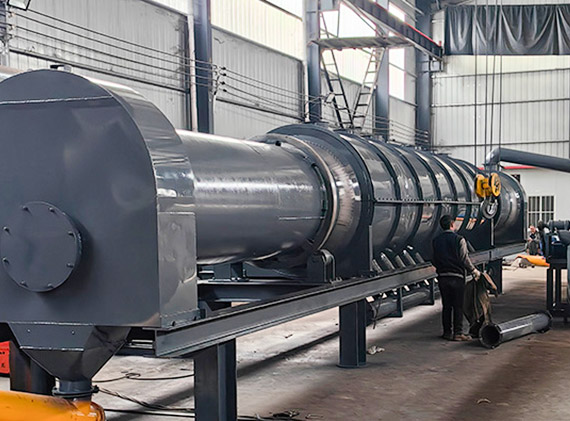 Waste Carbonization Furnace
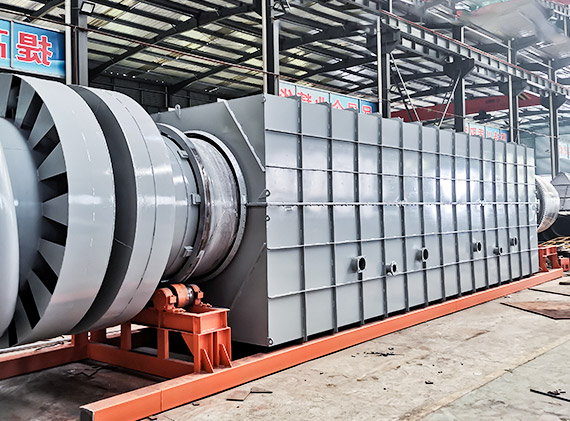 Sludge Continuous Carbonization Furnace
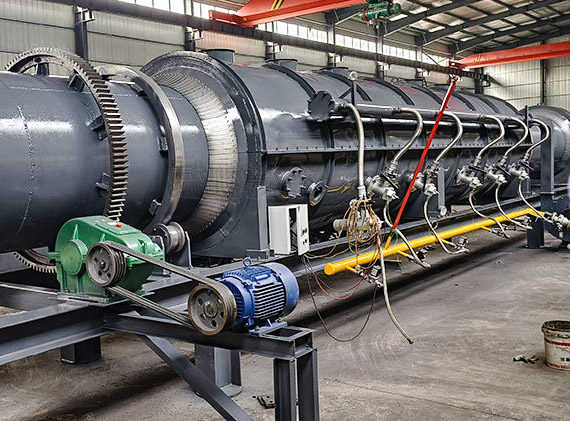 Biomass Carbonization Furnace
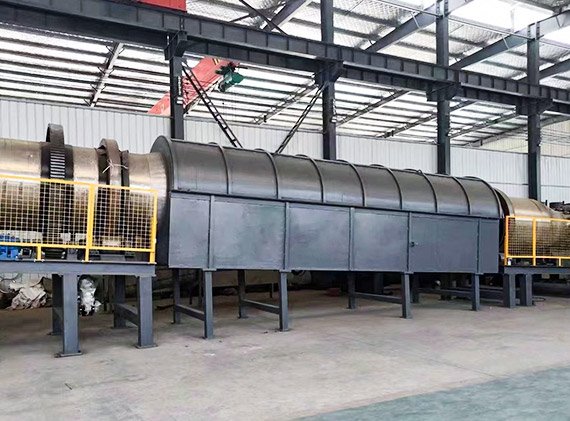 Coconut Shell Carbonization Furnace
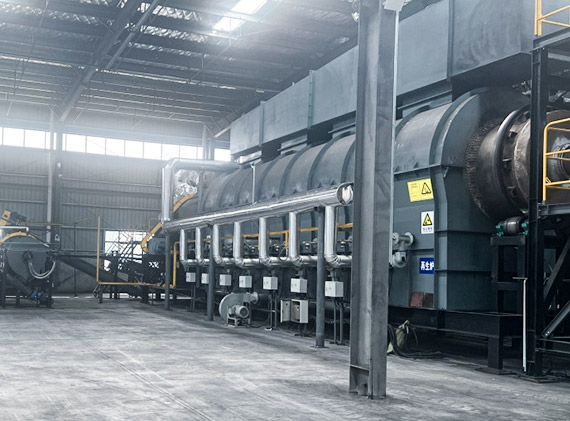 Continuous Carbonization Furnace
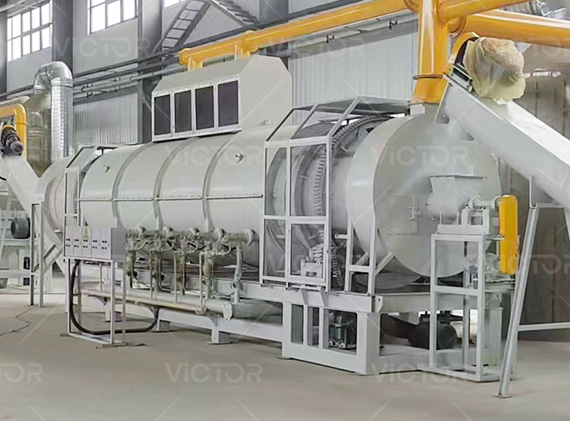 Biomass Pyrolysis Furnace
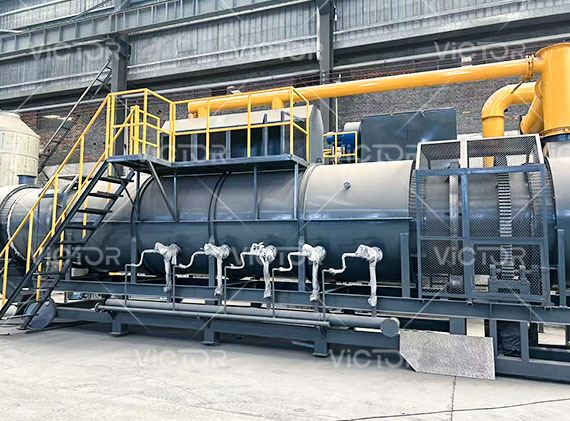 Lithium Battery Recycling Pyrolysis Furnace
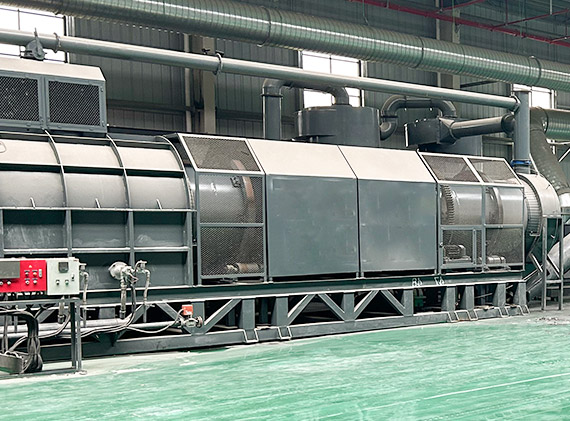 Solar PV Panel Recycling Pyrolysis Furnace
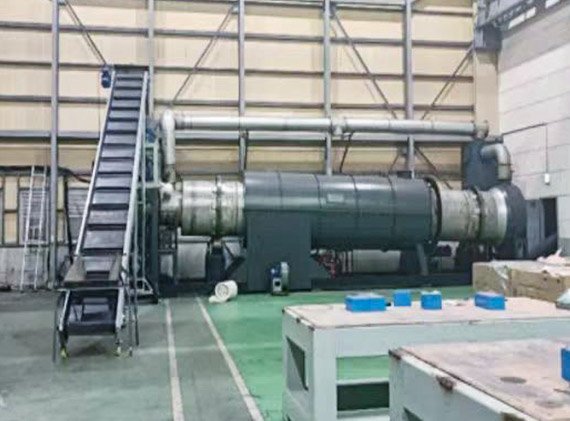 PCB Recycling Pyrolysis Furnace
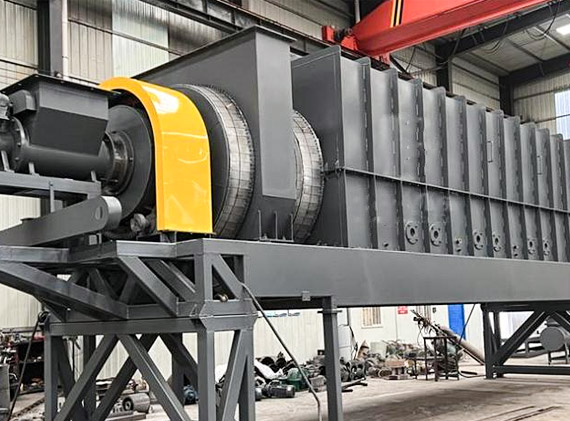 Carbonization Paint Removing Furnace
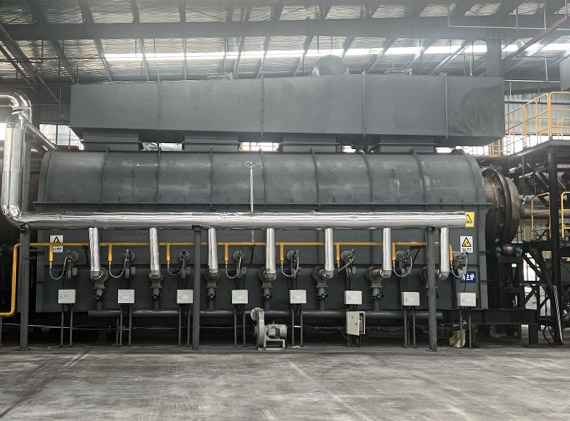 Capacitor Continuity Pyrolysis Furnace
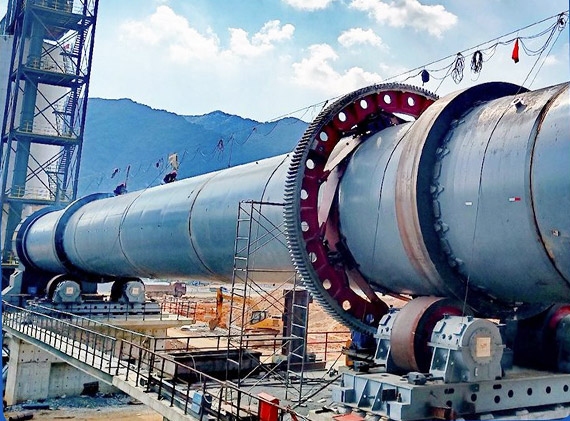 Rotary Kiln
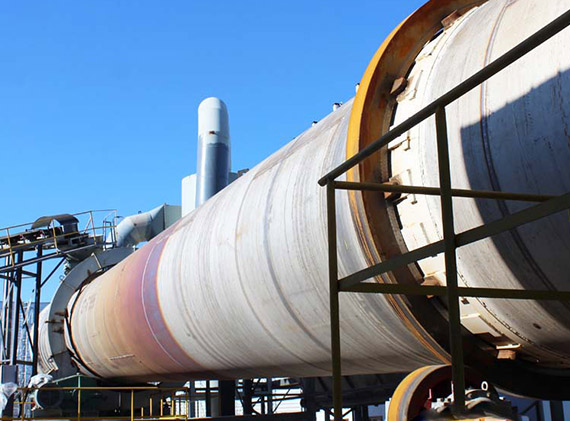 Waste Incineration Rotary Kiln
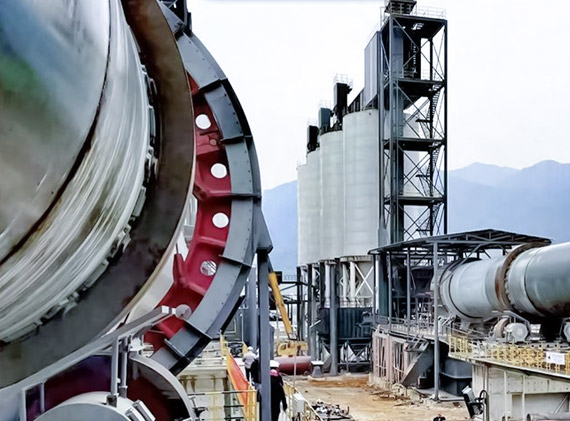 Metallurgical Rotary Kiln
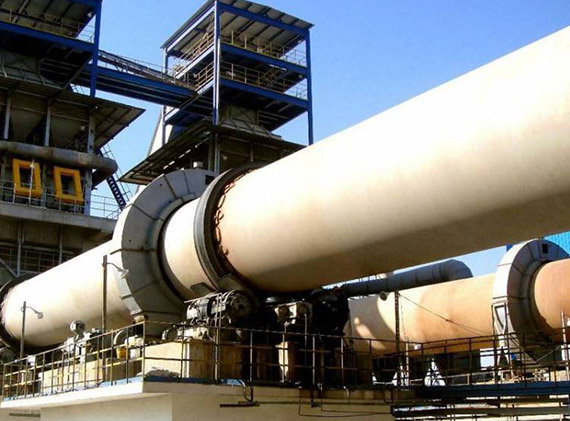 Cement Lime Rotary Kiln
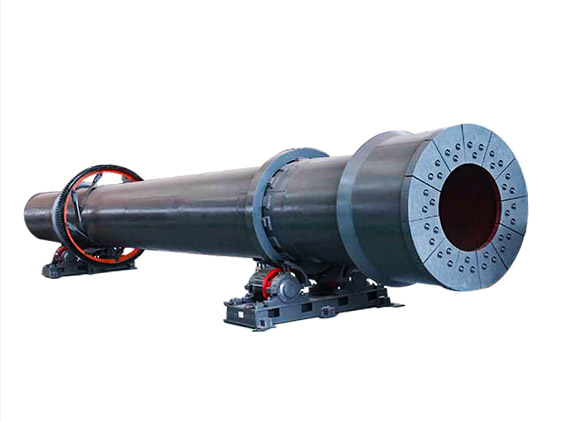 Rotary Drum Dryer Furnace
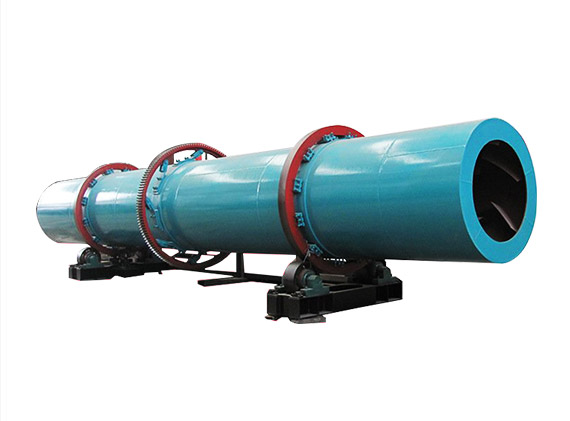 Drum Drying Dryer Furnace
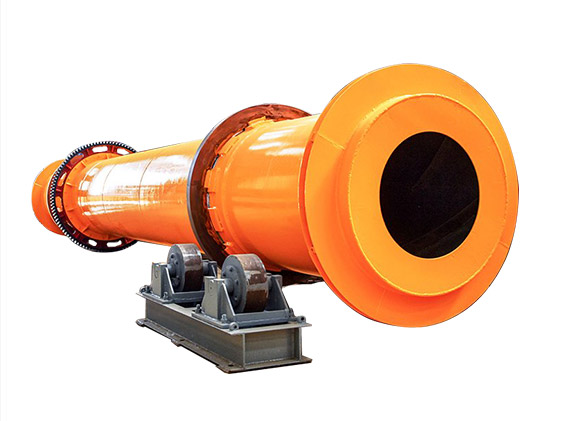 Industrial Dryer Furnace
 Lithium Battery Recycling Plant
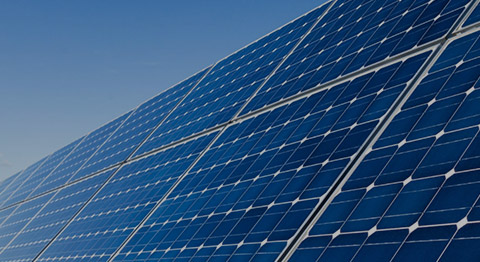 Solar Photovoltaic Panel Recycling Plant
 PCB Circuit Board Recycling Plant
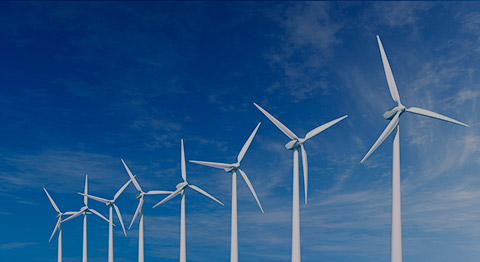 E Waste Recycling Plant
 Blog
Blog Company Blog
 Knowledge
 FAQ
FAQ